Tyo Susilo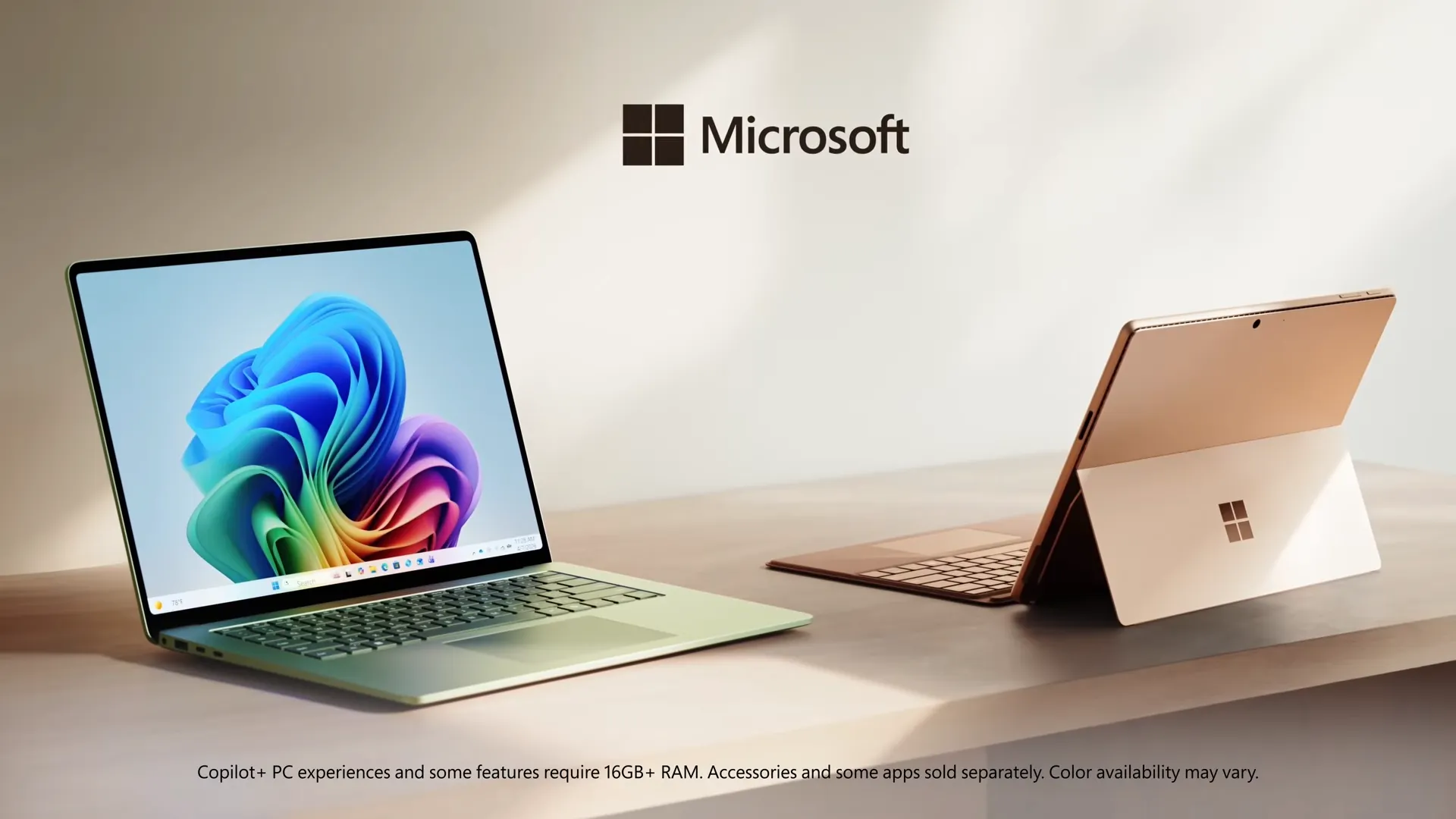
Microsoft has officially launched its latest iterations of the Surface Pro and Surface Laptop, marking a significant shift in its hardware strategy by integrating the new Qualcomm Snapdragon X2 System-on-Chip (SoC). This move signals Microsoft’s commitment to ARM-based architecture for its flagship productivity devices, promising enhanced performance, exceptional power efficiency, and robust AI capabilities, boasting up to 85 TOPS (Trillions of Operations Per Second) of neural processing power. The announcement, made at a pivotal event designed to showcase the future of Windows on ARM, positions these new Surface devices as frontrunners in the burgeoning AI PC market.
The introduction of the Snapdragon X2, a chip family specifically engineered for AI workloads and optimized for Windows, represents a departure from the Intel processors that have historically powered the Surface line. This transition is a strategic maneuver by Microsoft to align its hardware with the evolving demands of modern computing, where on-device AI processing is becoming increasingly crucial for tasks ranging from content creation and communication to enhanced security and personalized user experiences.
Surface Pro: A Redefined Productivity Tablet
The new Surface Pro retains its iconic 2-in-1 tablet form factor, designed for ultimate versatility. At its core is a vibrant 13-inch display, available in either a classic IPS panel or a more premium OLED option. Both configurations deliver a sharp resolution of 2,880 x 1,920 pixels and a fluid 120Hz refresh rate, ensuring a smooth visual experience for everything from detailed work to immersive media consumption. The display also features an impressive peak brightness of up to 900 nits in HDR mode, providing stunning contrast and vivid colors.

Under the hood, the Surface Pro is powered by Qualcomm’s advanced Snapdragon X2 processors, offered in two tiers: the 10-core Snapdragon X2 Plus and the more powerful 12-core Snapdragon X2 Elite. These chips are designed to offer a significant leap in performance over previous generations, particularly in AI-accelerated tasks, while maintaining remarkable energy efficiency. Users can configure their Surface Pro with a generous range of RAM, from 16GB up to 64GB of LPDDR5X memory, and storage options from 256GB to a capacious 1TB of SSD storage. Microsoft claims an impressive battery life of up to 11.5 hours for active web browsing, a crucial metric for users on the go.
Continuing its tradition of offering a complete productivity solution, Microsoft includes its renowned Type Cover and Flex Keyboard as standard with the Surface Pro. This ensures that users have the necessary tools for both tablet-style interaction and traditional laptop-style typing and productivity right out of the box. The device’s dimensions are listed as 287 x 209 x 9.3 mm, with a weight of approximately 895 grams without the keyboard attachments, maintaining its portable profile. Available in sophisticated color options including Black, Dune, and Platinum, the Surface Pro is positioned as a premium device with a starting global price of $1,499, with top-tier configurations reaching up to $3,549. This pricing reflects the advanced technology and premium build quality associated with the Surface brand.
Surface Laptop: The Clamshell Reinvented
Complementing the Surface Pro, the new Surface Laptop brings the same Snapdragon X2 power to a traditional clamshell laptop design. Available in two screen sizes, 13.8 inches and 15 inches, both models feature high-resolution IPS displays with a resolution of 2,304 x 1,536 pixels and a smooth 120Hz refresh rate. These displays are optimized for clarity and responsiveness, making them ideal for a wide range of professional and creative tasks.
The internal specifications of the Surface Laptop mirror those of the Surface Pro, offering the choice between the Snapdragon X2 Plus and Snapdragon X2 Elite processors. Configurations can be equipped with up to 64GB of LPDDR5X RAM and up to 1TB of SSD storage, ensuring ample power and speed for demanding workloads.

One of the most compelling aspects of the new Surface Laptop is its exceptional battery life. The 13.8-inch model is rated for up to 20 hours of usage, while the larger 15-inch variant extends this to an impressive 19 hours. These figures represent a significant improvement, directly attributable to the power efficiency of the Snapdragon X2 chips and Microsoft’s software optimizations. This extended battery life makes the Surface Laptop an ideal companion for professionals who need to work unplugged for extended periods. The Surface Laptop is available in Platinum, Black, and Dune color options, with the 13.8-inch model starting at $1,599 and the 15-inch model beginning at $1,699.
The Significance of Snapdragon X2 and AI Integration
The adoption of Qualcomm’s Snapdragon X2 processors by Microsoft is a landmark event in the evolution of Windows PCs. For years, the industry has anticipated a strong push for ARM-based Windows devices that can truly compete with the performance and efficiency of Apple’s M-series chips. The Snapdragon X2 series, with its integrated neural processing units (NPUs) capable of delivering up to 85 TOPS, is designed to meet this challenge head-on.
This substantial AI processing power unlocks a new wave of AI-driven features within Windows. Microsoft has emphasized the "Copilot+ PC" initiative, which aims to bring generative AI capabilities directly to the device, enabling features like real-time translation, advanced content summarization, intelligent search, and more, all processed locally for enhanced speed and privacy. The Surface Pro and Surface Laptop are at the forefront of this initiative, serving as the initial flagship devices designed to showcase the potential of these AI-enhanced experiences.
Analysts suggest that this strategic alliance between Microsoft and Qualcomm could reshape the PC landscape. By moving away from a sole reliance on Intel for its flagship devices, Microsoft is diversifying its supply chain and embracing a more competitive silicon ecosystem. This could lead to a broader range of powerful, energy-efficient, and AI-capable Windows devices from various manufacturers in the near future. The performance benchmarks released by Qualcomm and Microsoft suggest that these new devices can rival or even surpass the performance of many current x86-based laptops in specific AI and efficiency-focused workloads.

Background and Broader Industry Implications
The journey to this launch has been years in the making. Microsoft has been exploring ARM architectures for Windows for quite some time, with previous attempts like Windows RT and early Surface RT devices meeting with limited success. However, the advancements in ARM processor design, particularly from companies like Qualcomm, coupled with Microsoft’s renewed focus on optimizing Windows for ARM, have created a more fertile ground for success.
The "AI PC" concept is rapidly gaining traction across the tech industry. Competitors like Intel and AMD are also heavily investing in AI accelerators for their processors. However, the integrated nature of the Snapdragon X2, combining CPU, GPU, and a powerful NPU on a single chip, offers a distinct advantage in terms of power efficiency and seamless integration for AI tasks.
The implications of these new Surface devices extend beyond Microsoft’s own product line. By demonstrating the capabilities of Windows on ARM powered by high-performance AI silicon, Microsoft is setting a benchmark for the entire Windows ecosystem. This could accelerate the development of ARM-based laptops from other PC manufacturers, fostering greater competition and innovation in the market. The focus on on-device AI also raises important questions about data privacy and security, as processing sensitive information locally can reduce the need to send data to the cloud, thereby mitigating potential risks.
Looking Ahead: A New Chapter for Windows Computing
The launch of the Snapdragon X2-powered Surface Pro and Surface Laptop marks a pivotal moment for Microsoft and the broader Windows ecosystem. It represents a bold step towards a future where artificial intelligence is seamlessly integrated into our daily computing tasks, and where ARM architecture plays a more prominent role in delivering both performance and unprecedented efficiency. As users begin to experience these new devices, the true impact of this strategic shift will become clearer, potentially ushering in a new era of personal computing that is smarter, faster, and more power-efficient than ever before. The success of this initiative could redefine what users expect from their laptops and tablets, pushing the boundaries of productivity and creativity in ways previously unimagined.