Tyo Susilo
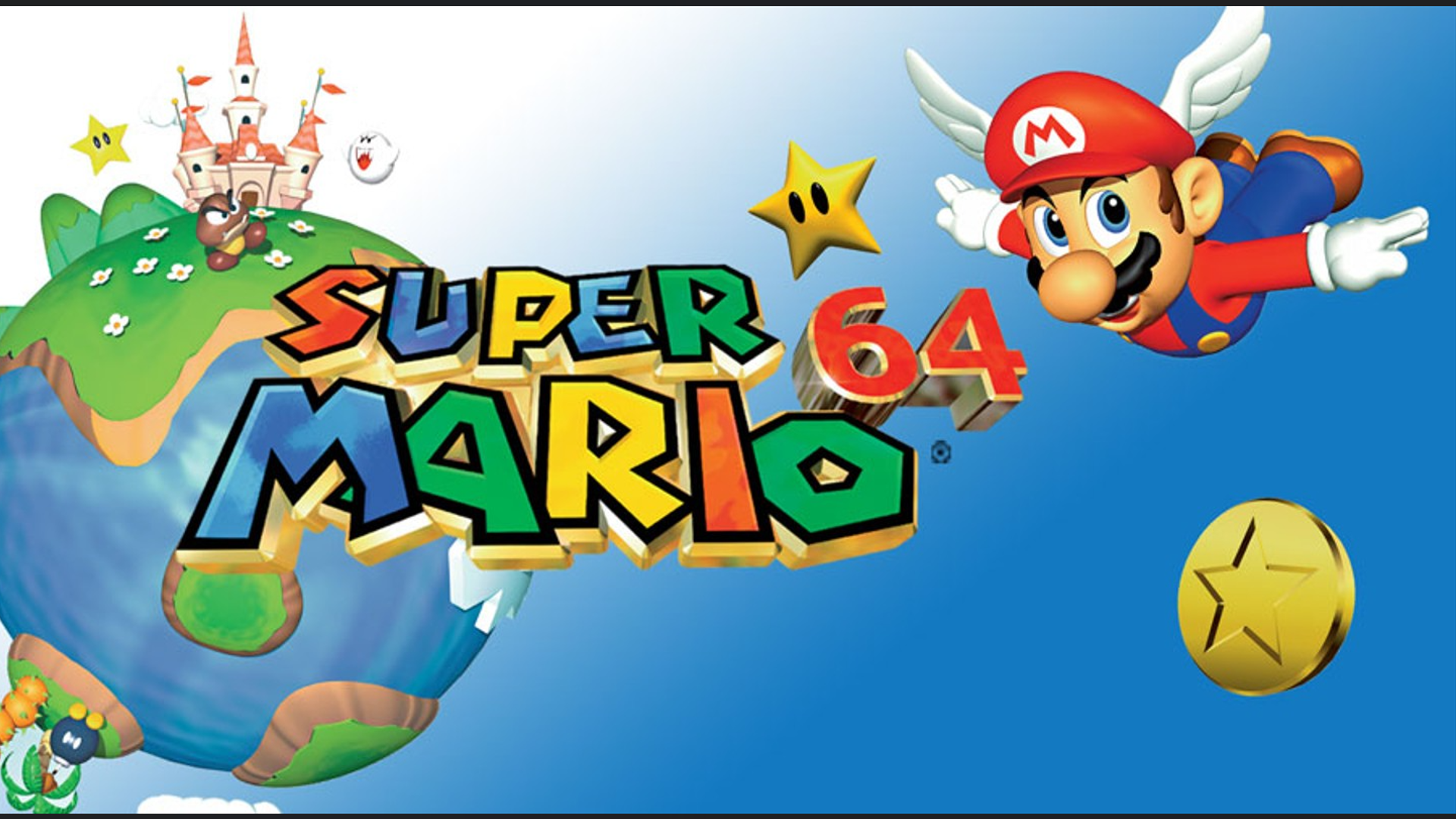
The relentless pursuit of running classic video games on unconventional hardware has reached a new milestone, transcending the traditional boundaries of the "Can it run Doom?" phenomenon. In a remarkable display of reverse-engineering and software porting, a skilled programmer has successfully brought Nintendo’s iconic platformer, Super Mario 64, to the Microsoft Zune HD—a portable media player originally released in 2009 to compete with Apple’s iPod touch. What makes this achievement particularly noteworthy is that the 1996 Nintendo 64 classic does not rely on an interpreter or emulation layer; rather, it runs natively on the device’s original architecture, breathing unexpected new life into a piece of consumer electronics long abandoned by its manufacturer.
This technical feat underscores the surprisingly robust capabilities packed inside the pocket-sized media player, illustrating how hardware from over a decade and a half ago still harbors untapped potential for the modern retro-gaming and homebrew communities.
The Origin of the Project and Technical Execution
The unofficial port was spearheaded by a GitHub developer known in the community as rsheldiii. Rather than building the project from scratch, the developer leveraged OpenZDK, an alternative software development kit (SDK) designed to facilitate native application creation for the Zune HD platform. The core codebase for the port is derived from sm64ex, a widely recognized community modification and PC port derived from the complete source code decompilation of Super Mario 64.
Running a three-dimensional console game from the late 1990s on a portable media player from the late 2000s required navigating significant technical hurdles. The Zune HD is powered by an NVIDIA Tegra APX 2600 system-on-chip, featuring a 3.3-inch OLED capacitive touchscreen with a resolution of 480 by 272 pixels. To render the complex 3D polygons of Mario’s world, the developer utilized an OpenGL ES 2 renderer specifically adapted to accommodate the limitations of the device’s aging graphics processing unit.
Because the native graphics drivers on the Zune HD lack the capability to compile OpenGL Shading Language (GLSL) shaders on the fly, the developer had to implement a workaround: shaders must be pre-compiled using a separate NVIDIA toolchain before deployment to the device. Despite these hardware constraints, the resulting port delivers a surprisingly complete experience. It features fully functional gameplay, accurate audio reproduction, touchscreen-based controls mapped for portable use, and a reliable save-state system to track player progress.
Performance Metrics and Architecture Nuances
While running Super Mario 64 natively on the Zune HD is a monumental achievement, the hardware’s age inevitably introduces performance bottlenecks. According to technical documentation surrounding the project, the game’s core logic loop is calibrated to execute at 30 ticks per second. However, heavy rendering loads or complex geometry can occasionally overwhelm the processor, resulting in noticeable frame drops and temporary slowdowns.
To maintain a semblance of playability during these performance dips, the developer engineered an isolated audio pipeline. Sound processing operates on an independent thread assigned a higher system priority. This structural design choice ensures that background music and sound effects continue to play smoothly even when the visual frame rate stutters due to high computational overhead. As of the initial release, formal frame rate benchmarks have not been published by the developer, leaving the overall stability profile to anecdotal testing by the homebrew community.
Installation and Distribution Requirements
For enthusiasts wishing to replicate the experiment, the setup process requires technical proficiency and strict adherence to copyright boundaries. The project does not distribute copyrighted game assets; users must supply their own legally obtained ROM file of Super Mario 64.
The compilation pipeline relies on Docker running within a Linux environment to build the necessary binaries, which are subsequently transferred to the Zune HD via a standard USB connection. Presently, the software has only been verified to run on firmware version 4.5, and the developer has not yet released pre-compiled, "plug-and-play" installation packages, keeping the project firmly within the domain of advanced hobbyists and developers.

Background Context: The Rise of Retro Ports on Unconventional Devices
The successful porting of Super Mario 64 to the Microsoft Zune HD places it within a long-standing tradition of computational platform-juggling. For decades, programmers have sought to test the limits of modern and legacy microprocessors by executing games on hardware never intended for interactive entertainment. While id Software’s 1993 masterpiece Doom remains the undisputed champion of this movement—having been successfully ported to digital cameras, pregnancy tests, oscilloscopes, and smart refrigerators—complex 3D titles like Super Mario 64 represent a vastly steeper technological curve.
The Microsoft Zune HD, launched in September 2009, was Microsoft’s final major push into the dedicated portable media player market. Equipped with HD radio, a web browser, and support for 3D games via an NVIDIA Tegra processor, the device was praised by critics for its sleek hardware design and vibrant OLED screen, though it ultimately failed to capture significant market share away from Apple’s dominant iPod ecosystem. Microsoft officially discontinued the Zune hardware line in 2011, leaving thousands of units stranded as closed ecosystems. Projects like rsheldiii’s Super Mario 64 port effectively transform these obsolete media players into prized collector’s items and functional retro-gaming handhelds.
Broader Implications and Industry Impact
The resurrection of legacy hardware through community-driven software development highlights several important implications for consumer electronics and digital preservation:
- Extended Device Lifespan: Homebrew projects demonstrate that consumer electronics often retain substantial processing headroom long after official manufacturer support ceases. By bypassing corporate software restrictions, independent developers can repurpose discarded electronics, mitigating electronic waste.
- Advancements in Source Code Decompilation: The ability to port complex titles like Super Mario 64 natively relies heavily on clean-room reverse engineering and decompilation projects. These efforts preserve gaming history by making software platform-agnostic, ensuring that classic titles survive independently of specific console hardware.
- Community-Led Innovation: With corporate interest in maintaining legacy operating systems nonexistent, enthusiast communities act as unofficial stewards of technological history. Projects utilizing tools like OpenZDK and custom toolchains sustain educational engagement in low-level programming, computer graphics, and embedded systems design.
Ultimately, the integration of Super Mario 64 into the Microsoft Zune HD serves as a testament to human ingenuity and the enduring cultural impact of classic video games. By merging a 1996 Nintendo masterpiece with a 2009 Microsoft media player, developers continue to blur the lines between obsolete technology and modern playable art.