Tyo Susilo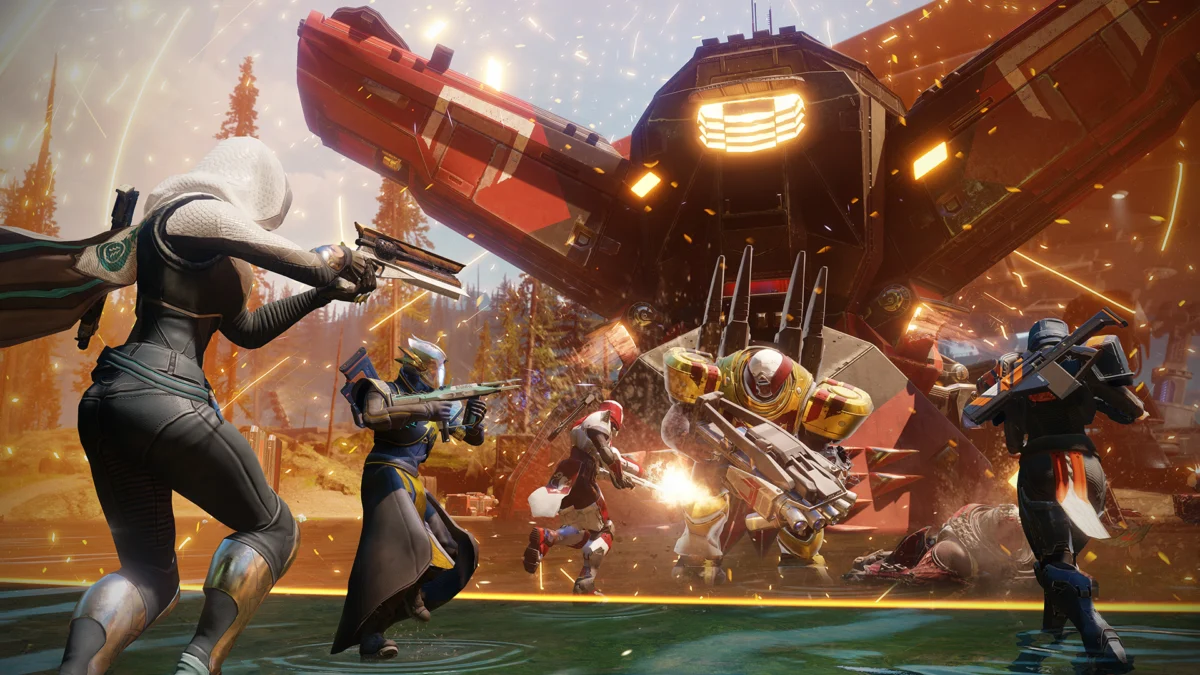
The fervent dedication of the Destiny 2 player community, showcased through an overwhelmingly successful final update, has unfortunately failed to instigate any discernible shifts in the internal operations or strategic decisions at Bungie. Despite a powerful collective outcry from players aiming to protest past decisions, the studio’s underlying business strategy appears to remain steadfast, unaffected by the outpouring of support for the game’s concluding chapter. This stark reality highlights a critical disconnect between player engagement and corporate decision-making in the live-service gaming industry, even when faced with overwhelming evidence of player sentiment.
A Swan Song for the Guardians: An Emotional Farewell to Destiny 2
The preceding weeks have been an intensely emotional period for the loyal Guardians who have invested countless hours in Destiny 2. The game’s final update, intended to provide a conclusive narrative arc and a fitting send-off, inadvertently became a focal point for player dissent. This sentiment manifested not just in vocal online protests but also in a significant surge of active players, demonstrating their deep connection to the game and their profound disappointment with certain directorial choices made by Bungie.
The sheer volume of players logging in to experience this final send-off was so substantial that it reportedly caused strain on the game’s servers. In a remarkable display of player commitment, Destiny 2’s concurrent player count on Steam briefly surpassed that of Bungie’s own highly anticipated revival project, Marathon. This surge in player activity was not merely a fleeting moment; it translated into tangible commercial success. For a notable period within the last week, Destiny 2 held the third position on Steam’s list of highest-grossing games, a testament to the enduring appeal of the franchise and the community’s desire to engage with its final iteration. This financial success, coupled with the unprecedented player engagement, would typically signal a strong imperative for a developer to re-evaluate their strategies or at least acknowledge the community’s influence.
Insider Reports Paint a Grim Picture of Internal Realities

However, according to well-respected journalist and insider Paul Tassi, the positive reception of Destiny 2’s final update and its subsequent commercial success have not translated into any meaningful changes within Bungie’s internal structure or future planning. In a recent video analysis, Tassi addressed previous reports concerning significant layoffs anticipated at the studio, which were rumored to potentially impact around 400 employees. While Tassi could not definitively confirm the exact number of individuals slated for termination, he strongly asserted that a substantial wave of layoffs is indeed imminent.
This difficult situation, Tassi suggests, is a predictable outcome given Bungie’s strategic decision to conclude the ongoing development of Destiny 2. It is understood that a significant portion of the company’s workforce, estimated to be around half of its total personnel, was directly involved in the creation and ongoing support of Destiny 2. If these projected layoffs materialize and affect all personnel connected to the Destiny 2 project, it would logically signify a definitive end to the Destiny franchise in its current form, leaving its future uncertain.
A Stark Response to Internal Inquiries
Tassi further revealed that he had directly inquired with internal sources within Bungie about whether the resounding success of Destiny 2’s final update had managed to alleviate the internal pressures or alter the company’s trajectory. The response he received was reportedly concise and unequivocal: "No." This blunt assessment suggests that the recent surge in player numbers and revenue has done little to alter the fundamental business decisions that have led to the current organizational restructuring.
The situation is further compounded by information indicating that Bungie’s support for Destiny 2 is now limited to a single, final hotfix. Beyond this minimal intervention, the game is effectively entering a maintenance mode, with no plans for further content updates or significant developer support. The development team will reportedly only intervene in cases of game-breaking issues that render the experience unplayable. There appears to be no allocation of resources dedicated to proactive maintenance or enhancements aimed at preserving the game’s long-term health or player experience.
The Broader Implications: A Shift in Bungie’s Focus?

The end of Destiny 2’s active development cycle, coupled with the reported internal restructuring and potential layoffs, signals a pivotal moment for Bungie. For years, the Destiny franchise has been the studio’s flagship, consuming a vast majority of its resources and creative energy. The decision to pivot away from this established, albeit controversial, live-service model suggests a strategic reorientation.
The success of the final Destiny 2 update, while a poignant moment for players, ultimately serves as a poignant epitaph for a chapter that is now irrevocably closed. The question that now looms large is whether Bungie possesses the capacity to successfully navigate this transition. The studio has a storied history, having been instrumental in the creation of the Halo franchise before venturing into its own IP with Destiny. However, the current landscape of the gaming industry is fiercely competitive, and the challenge of rebuilding and re-establishing a strong footing after such a significant shift cannot be underestimated.
The potential impact of widespread layoffs on the studio’s morale and creative output is also a significant concern. Losing a substantial portion of its workforce, particularly those deeply invested in the Destiny universe, could lead to a loss of institutional knowledge and creative momentum. This, in turn, could affect the quality and reception of future projects.
Looking Ahead: The Uncertain Future of Bungie
As the dust settles on Destiny 2’s final update, the focus inevitably shifts to Bungie’s next steps. The studio has publicly stated its commitment to developing new IPs and continuing to innovate. However, the current internal climate, as suggested by insider reports, paints a picture of significant upheaval. The coming months will be crucial in determining whether Bungie can successfully weather this storm and emerge as a stronger, more diversified entity, or if the concluding chapter of Destiny 2 also marks the beginning of a prolonged period of uncertainty for the once-dominant developer. The question of whether Bungie can truly rise from the ashes of the Destiny 2 era remains to be seen, and the gaming world will be watching with keen interest.