Chalifah Fatihah
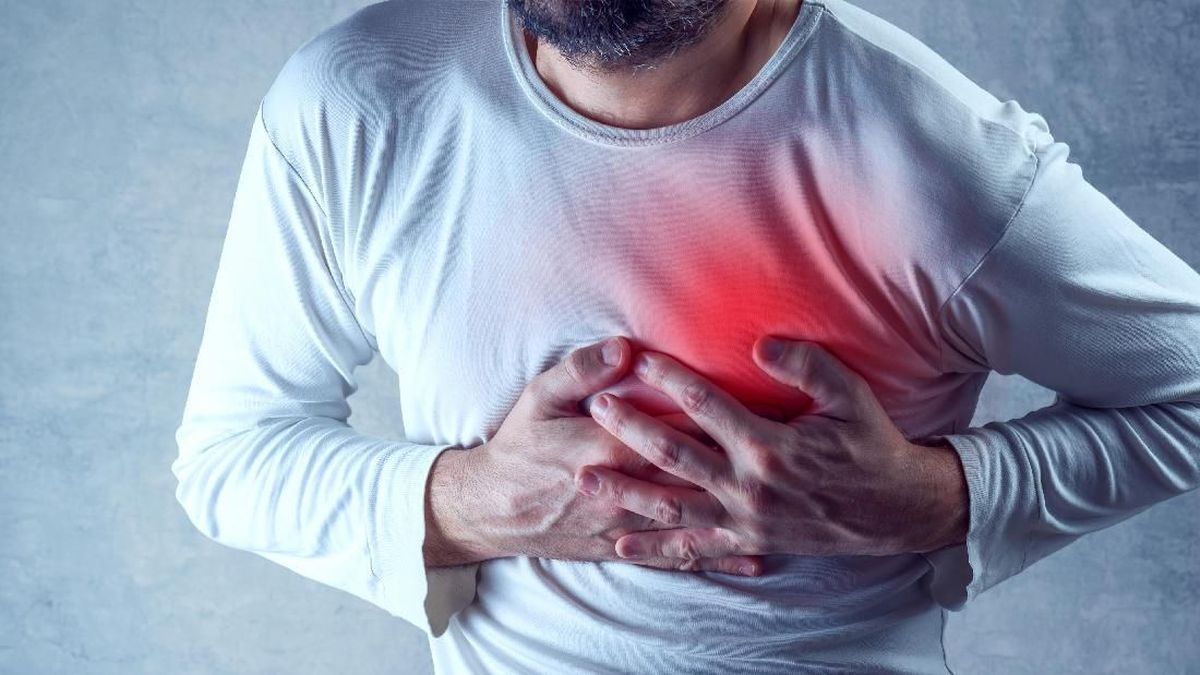
Jakarta, Indonesia – June 19, 2026 – Cardiovascular health is often only addressed when problems arise, yet the damage can be gradually prevented by altering daily habits. Many individuals focus solely on exercise or diet, unknowingly engaging in minor activities that insidiously harm their hearts. These seemingly trivial habits, if left unchecked, can significantly elevate the risk of high blood pressure, elevated cholesterol levels, and ultimately, heart attacks. This is particularly concerning for individuals with a family history of heart disease, who must exercise heightened vigilance. Recognizing and rectifying these seven detrimental habits is crucial for maintaining a robust cardiovascular system.
The Silent Culprits: Habits That Undermine Heart Health
The insidious nature of these habits lies in their subtlety. They often go unnoticed until their cumulative effects manifest as serious health conditions. The World Health Organization (WHO) consistently highlights cardiovascular diseases (CVDs) as the leading cause of death globally, accounting for an estimated 17.9 million deaths annually. These statistics underscore the critical importance of proactive heart health management. Factors contributing to CVDs are multifaceted, including genetic predispositions, lifestyle choices, and environmental influences. While genetics are beyond our control, lifestyle modifications represent a powerful avenue for risk reduction.
1. The Illusion of Exercise: Over-reliance on Workouts Followed by Sedentary Behavior
While regular exercise is undeniably beneficial, its positive impact can be significantly diminished if followed by prolonged periods of sitting. As reported by WebMD, maintaining an active lifestyle throughout the day is essential for optimal blood circulation. For those whose work involves extended periods at a desk, incorporating short breaks to stand and walk every hour is highly recommended. Simple actions such as walking to get a glass of water or using the stairs instead of the elevator can contribute to better heart health. The concept of "NEAT" (Non-Exercise Activity Thermogenesis) – the energy expended for everything we do that is not sleeping, eating, or planned exercise – plays a vital role. Studies have shown that individuals with higher NEAT levels tend to have lower risks of obesity and related cardiovascular issues. The sedentary behavior epidemic, exacerbated by modern work environments and technological advancements, has been identified as a major public health concern, directly linked to increased risks of heart disease, diabetes, and certain cancers.
2. Neglecting Regular Health Screenings: The Hidden Dangers of Unchecked Metrics
A significant portion of the population remains unaware of their cholesterol levels or blood pressure readings. These two vital metrics serve as critical indicators of cardiovascular health. An individual may feel perfectly healthy, yet harbor underlying risks that could lead to serious complications. Public health guidelines, such as those from the American Heart Association, recommend that adults begin regular check-ups for blood pressure and cholesterol in their 20s. Early detection allows for timely intervention and management, preventing the progression of potentially silent conditions. The cost-effectiveness of preventive screenings is well-documented, with early identification and management of conditions like hypertension and hyperlipidemia proving far less expensive and debilitating than treating advanced cardiovascular disease.
3. The Peril of Passive Smoking: Secondhand Smoke’s Devastating Impact
While not smoking oneself is a positive step, becoming a passive smoker exposes individuals to significant health risks. Secondhand smoke contains over 7,000 chemicals, hundreds of which are toxic, and about 70 can cause cancer. The American Cancer Society reports that passive smoking is responsible for tens of thousands of deaths annually, including a substantial number of heart disease fatalities. Irritating the lining of blood vessels, promoting blood clot formation, and increasing the risk of atherosclerosis (hardening of the arteries) are among the detrimental effects. Advocating for smoke-free environments in homes, offices, and vehicles is not only a personal health imperative but also a public health initiative that can encourage cessation among smokers and protect vulnerable populations, including children and individuals with pre-existing respiratory or cardiovascular conditions.
4. The Sleep Deficit: How Insufficient Rest Undermines Cardiovascular Function
Late nights spent working or binge-watching television may seem commonplace, but insufficient sleep can have profound negative impacts on cardiovascular health. Chronic sleep deprivation is linked to elevated blood pressure, increased inflammation, and hormonal imbalances. According to research published in the Times of India, inadequate sleep also impairs glucose metabolism, contributing to insulin resistance, a precursor to type 2 diabetes, another significant risk factor for heart disease. The National Sleep Foundation recommends 7-9 hours of quality sleep per night for adults. Establishing a consistent sleep schedule, minimizing screen time before bed, and creating a relaxing bedtime routine are essential strategies for improving sleep hygiene. The physiological consequences of sleep deprivation extend beyond mere fatigue, affecting critical bodily functions such as immune response, cognitive performance, and cardiovascular regulation.
5. The Sun Deprivation Syndrome: Missing Out on Vitamin D’s Heart Benefits
Exposure to morning sunlight plays a crucial role in the body’s production of Vitamin D, a nutrient increasingly recognized for its importance in cardiovascular health. As reported by The Independent, insufficient Vitamin D levels have been associated with an increased risk of various health issues, including heart disease. Vitamin D plays a role in regulating blood pressure, reducing inflammation, and improving endothelial function (the health of the inner lining of blood vessels). While excessive sun exposure should be avoided, short, regular periods of morning sunbathing can help ensure adequate Vitamin D synthesis. Public health campaigns often promote Vitamin D supplementation for individuals with limited sun exposure, particularly in regions with less sunlight or during winter months.
6. The Sodium Trap: High-Sodium Breakfasts and Their Link to Heart Failure
Consuming breakfast foods high in sodium can significantly elevate blood pressure and increase the risk of developing heart failure. A 2020 study published in the journal Nutrients revealed that individuals with high sodium intake had a 19% higher risk of developing cardiovascular disease compared to those adhering to a low-sodium diet. Sodium contributes to fluid retention, which increases blood volume and puts extra strain on the heart. Processed breakfast foods, such as cereals, pastries, and cured meats, are often laden with hidden sodium. Opting for whole, unprocessed foods like oatmeal, fresh fruits, and eggs, prepared with minimal added salt, can make a substantial difference in managing daily sodium intake. The World Health Organization advocates for a reduced sodium intake to below 5 grams per day to mitigate the risk of cardiovascular diseases.
7. The Morning Digital Daze: The Stress of Immediate Phone Checks
The habit of immediately checking one’s mobile phone upon waking can trigger a stress response before the day has truly begun. The brain is immediately thrust into a reactive mode, processing information and demands before the body has fully transitioned from sleep. Dr. Annie Miller, a sleep specialist, notes in Real Simple that this morning digital habit can, over time, contribute to increased anxiety, impair focus and mood, and disrupt the body’s natural circadian rhythm. The constant influx of notifications, emails, and social media updates can lead to a feeling of being overwhelmed and perpetually "on call." Establishing a "no-phone" period for the first 30-60 minutes after waking allows for a more mindful and calm start to the day, promoting mental well-being and setting a positive tone for subsequent activities. This practice aligns with principles of mindfulness and stress reduction, crucial components of overall health.
Broader Implications and Future Outlook
The cumulative effect of these seemingly minor habits can have a profound and lasting impact on an individual’s cardiovascular health. By consciously identifying and modifying these behaviors, individuals can take significant steps towards preventing heart disease and improving their overall quality of life. The public health implications are substantial, with a potential reduction in the burden of cardiovascular diseases on healthcare systems and economies worldwide. Public awareness campaigns, educational initiatives in schools and workplaces, and accessible resources for lifestyle modification are vital in empowering individuals to make informed choices. As medical science continues to unravel the intricate relationship between lifestyle and heart health, the emphasis on preventive measures and the adoption of sustainable healthy habits will remain paramount in the global fight against cardiovascular disease. The long-term vision is one where proactive self-care becomes the norm, rather than a reactive response to illness, fostering a healthier future for all.