Hadi Wijaya
The decision to opt for a childfree lifestyle—a deliberate choice to not have children—has emerged as a significant and often polarizing topic of discussion within modern social discourse, particularly in Indonesia. Nuzulia Rahma Tristinarum, a prominent family psychologist, counselor, and author, recently shed light on the complex psychological and environmental factors that lead individuals or couples to this conclusion. According to Tristinarum, the reasons behind choosing a childfree life are rarely superficial; they are often rooted in a combination of conscious ideological shifts and deeply embedded, sometimes subconscious, psychological blueprints.
In a comprehensive analysis, Tristinarum, who is frequently referred to as Lia, explained that these decisions are frequently the result of specific life experiences that shape an individual’s perception of responsibility, family, and self-worth. These perceptions often manifest as a firm decision to bypass traditional parenthood, sometimes without the individual fully realizing the historical origin of their stance.
The Role of Developmental Trauma and Adverse Childhood Experiences
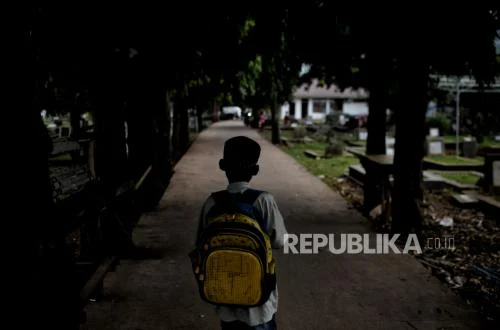
One of the most profound drivers of the childfree decision is the presence of past trauma, specifically experiences of neglect or abuse during formative years. Lia highlighted a recurring case study in psychological practice: the child who was emotionally or physically neglected by their biological parents. In many such instances, children are left in the care of domestic workers or nannies who may not have the child’s best interests at heart.
When a child is subjected to a harsh environment—marked by yelling, physical punishment, or emotional abandonment—while their parents are absent, it creates a cognitive dissonance regarding the value of family. Tristinarum noted that such individuals often grow up with a deeply ingrained perception: "If a child is only going to be neglected or mistreated, why bring them into the world at all?" This mindset is not necessarily an act of selfishness, but rather a protective mechanism. The individual concludes that it is more responsible to remain childless than to risk repeating a cycle of inadequate parenting or failing to provide the emotional security they themselves were denied.
This perspective is often fueled by a "wounded inner child." The anger, heartbreak, and trauma from being "tossed aside" in childhood can lead to a firm vow to never place another human being in that position. For these individuals, being childfree is framed as an act of ethical responsibility toward the potential soul of a child, ensuring that no further suffering is generated through their lineage.
Socioeconomic Pressures and the Sandwich Generation Phenomenon
Beyond the psychological realm, economic factors play a pivotal role in the decision-making process. Tristinarum observed that the "sandwich generation"—individuals who are simultaneously responsible for the financial and emotional care of their aging parents and their own siblings—often feel they have no remaining capacity to care for a child.
In many Indonesian households, the burden of being the primary breadwinner for an extended family creates a state of perpetual "economic unreadiness." A man or woman who is already struggling to support their parents may view the addition of a child not as a blessing, but as an insurmountable financial weight. The fear of being unable to provide a high quality of life, quality education, and healthcare leads many to forgo parenthood entirely.
Furthermore, Tristinarum pointed out that even in the absence of the sandwich generation dynamic, many men choose to be childfree because they feel unprepared for the traditional role of the "provider." The perceived weight of 21 years or more of financial responsibility for a dependent is a daunting prospect in an increasingly volatile global economy. For these individuals, marriage is viewed as a partnership for companionship and intimacy rather than a vehicle for procreation.
The Myth of Physical Preservation and Anti-Aging
A common narrative in the childfree debate is the desire to maintain physical appearance or to "stay young." Some proponents of the childfree lifestyle suggest that the absence of the physiological stress of pregnancy, childbirth, and the sleep deprivation associated with child-rearing leads to a more youthful appearance.
However, Tristinarum offered a factual correction to this popular sentiment. She emphasized that aging is a multifaceted biological process influenced primarily by genetics, hormonal balance, and overall lifestyle choices—such as diet, exercise, and stress management. While the stress of parenting can certainly impact one’s health, it is scientifically inaccurate to claim that being childfree is a definitive "fountain of youth." Many parents maintain high levels of fitness and youthful appearances, while many childfree individuals may age prematurely due to other lifestyle factors. Therefore, while the desire to avoid physical changes may be a motivation for some, it is not a guaranteed outcome of the decision.
Cultural Shifts, Environmental Influence, and Global Trends
The rise of the childfree movement cannot be separated from the global shift in values and the influence of digital media. Tristinarum noted that "value-based" decisions are increasingly common. In the past, the cultural mandate in many societies, including Indonesia, was "banyak anak, banyak rejeki" (many children, much fortune). Today, this is being replaced by a more individualistic and quality-centric approach to life.
The influence of the social environment and the "trend" factor also play a role. As more public figures and influencers openly discuss their choice to be childfree, it validates the option for others who may have felt the same way but feared social stigma. For some, it is a matter of adopting a modern lifestyle that prioritizes personal autonomy, career mobility, and travel over the traditional family structure.
Statistical Context: Declining Birth Rates and the Global Landscape
To understand the weight of Tristinarum’s observations, one must look at the broader demographic data. Indonesia, like many other nations, is seeing a gradual decline in its Total Fertility Rate (TFR). According to data from the National Population and Family Planning Board (BKKBN), Indonesia’s TFR has dropped significantly over the last few decades, moving closer to the replacement level of 2.1.
While the majority of Indonesians still desire children, the "childfree" phenomenon is no longer a fringe Western concept. In neighboring East Asian countries like South Korea and Japan, the childfree trend has reached crisis levels, leading to "demographic cliffs" where the population is shrinking and aging at an unsustainable rate. While Indonesia is not yet at that stage, the psychological shift identified by experts like Lia suggests that the motivations for child-rearing are changing from a social "default" to a conscious, scrutinized choice.
Official Responses and Social Implications
The Indonesian government, through agencies like the BKKBN, has expressed concern over the childfree trend, though they acknowledge it is a personal right. Officials often emphasize that while the decision is individual, a widespread shift toward childlessness could impact the nation’s "Golden Indonesia 2045" vision, which relies on a productive age demographic to drive the economy.
From a psychological and sociological standpoint, the implications of a growing childfree population are twofold. On one hand, it may lead to a society of more intentional parents—where those who do have children are more emotionally and financially prepared. On the other hand, it raises questions about long-term social support systems for the elderly. In a culture where children have traditionally been the "social security" for aging parents, a childfree generation will need to pioneer new ways of ensuring elder care and community cohesion.
Analysis: A Call for Nuance and Support
The insights provided by Nuzulia Rahma Tristinarum suggest that the childfree choice is a symptom of deeper societal and psychological shifts. Rather than viewing the decision through a lens of judgment, Lia’s analysis encourages a more nuanced understanding.
If society wishes to address the declining interest in parenthood, the focus may need to shift toward healing childhood traumas and easing the socioeconomic burdens that make parenthood feel like an impossible task. Addressing the "sandwich generation" crisis and providing better mental health support for those with childhood trauma could, in theory, make the prospect of raising a family feel more attainable and less threatening.
Ultimately, the decision to remain childfree is a complex intersection of personal history, economic reality, and evolving values. As the conversation continues to evolve in the public sphere, the role of psychological experts like Tristinarum remains vital in helping the public understand that behind every "trend" lies a human story often shaped by a search for responsibility, healing, and a meaningful life.