Tata Titiana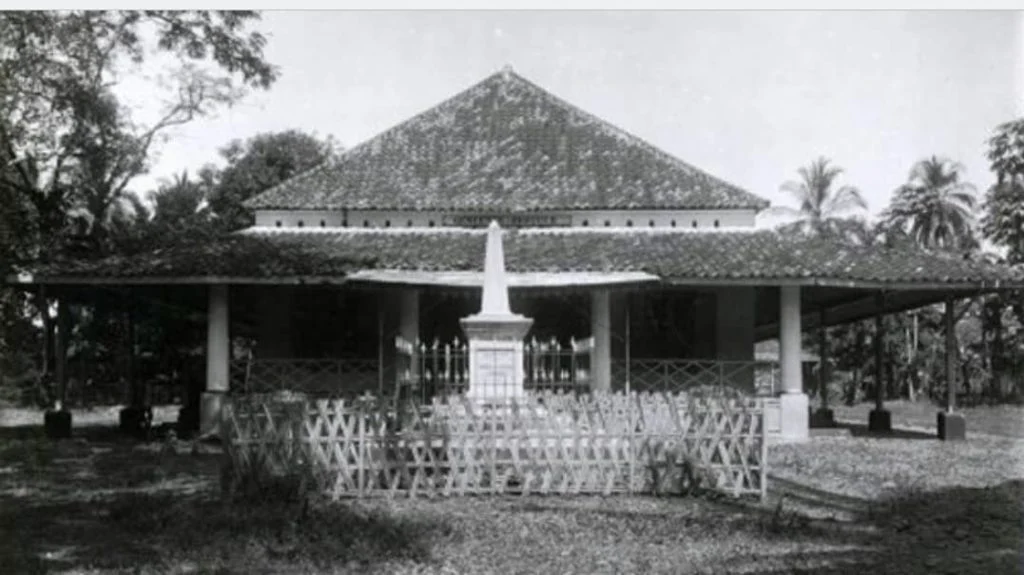
Depok, a municipality within the province of West Java, Indonesia, boasts a history far richer and more complex than its current administrative status might suggest. Prior to its official formation on April 27, 1999, Depok was merely a district under the regency of Bogor. However, a deeper dive into its past reveals a fascinating chapter where Depok functioned as an independent nation, complete with its own president and governing structure. This unique historical period, often overlooked, offers a compelling glimpse into the legacy of Dutch colonialism and the emergence of self-governance in the Indonesian archipelago.
From Private Land to a Sovereign Entity: The Genesis of Depok
The story of Depok’s transformation into a quasi-nation begins in the late 17th century with Cornelis Chastelein, a wealthy Dutch merchant. Chastelein acquired a vast tract of land in Depok, spanning approximately 12.44 square kilometers, for a sum of 2.4 million Dutch Guilders. Crucially, this land was designated as "partikelir" – private property – meaning it was not under the direct jurisdiction of the Dutch East Indies government. This legal status laid the groundwork for an autonomous administration to develop.
By the 18th century, Depok had established its own administrative framework, featuring a "gemeente bestuur," or civil government. Cornelis Chastelein himself became the first ruler and the de facto founder of Depok. At this time, the area was largely undeveloped wilderness, dense with forests. Chastelein, with the labor of his enslaved people, who hailed from various ethnic groups across the archipelago, embarked on the ambitious task of clearing the land to create arable fields. The territorial reach of this early Depok was extensive, encompassing what is now Depok, Pasar Minggu in South Jakarta, and even Gambir in Central Jakarta. The initial inhabitants of this burgeoning territory were the enslaved individuals who toiled under Chastelein’s ownership.
The Establishment of the Depok Republic: A Unique Governance Model
Chastelein, a devout Catholic, was known for his benevolent treatment of his enslaved people. In his will, dated June 28, 1714, he bequeathed his land, homes, livestock, and farming equipment to them, also granting them their freedom upon his death. To prevent potential disputes and ensure a smooth transition, he appointed Jarong van Bali to oversee and manage the newly freed community.

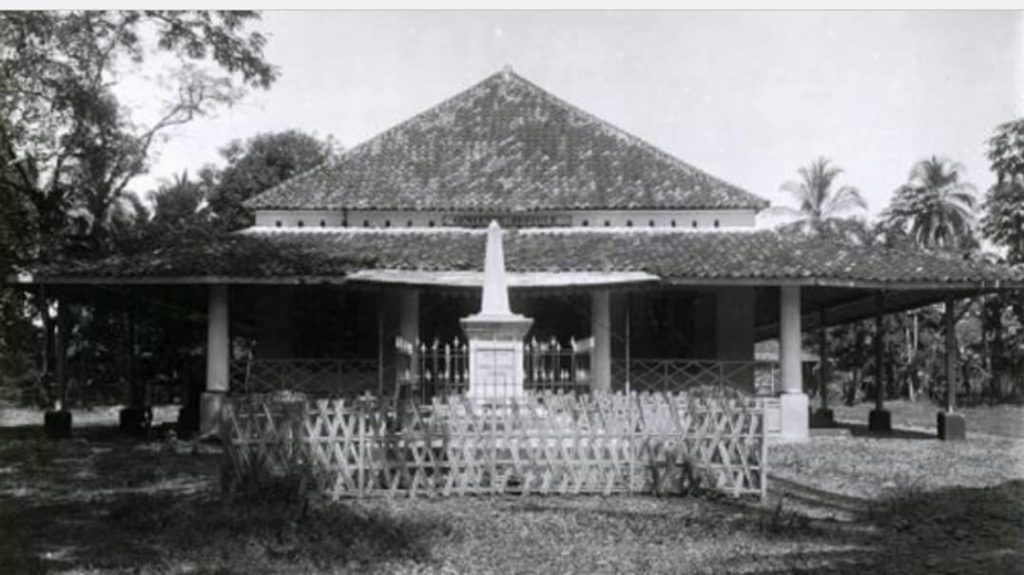
The former enslaved population, now free but concerned about future leadership struggles after Jarong van Bali’s passing, collectively decided to implement a democratic system for choosing their leader. This led to the establishment of a presidency, with the leader elected every three years. The governance structure, meticulously drafted by a Batavian lawyer, was officially implemented in 1913, giving rise to the "Het Gemeente Bestuur van Het Particuliere Land Depok" – the Civil Government of the Private Land of Depok. The seat of this government was located at the Kilometer 0 marker of Depok, symbolized by the iconic Depok Monument. Nearby, a government building, which now serves as Harapan Hospital, stood as a testament to their administrative endeavors.
The presidency in Depok was a distinct role, with the president serving a single three-year term. This system aimed to foster rotation and prevent the concentration of power. The president was assisted by a secretary, as there was no vice-presidential position.
The Presidents of Depok: A Democratic Lineage
The first president of the Depok Republic was Gerrit Jonathans, who assumed office in 1913. His presidency marked the formal inauguration of their self-governing system. Following Jonathans, three other individuals held the presidential office, each serving their stipulated three-year term:
- Martinus Laurens: Served in 1921.
- Leonardus Leander: Served in 1930.
- Johannes Matjis Jonathans: Served in 1952, marking the final presidency before Depok’s integration into the Indonesian state.
While these names and their terms are recorded, detailed historical accounts of their presidencies and the specific policies enacted during their tenures are scarce. The limited documentation makes it challenging to fully assess the administrative achievements and challenges faced by each leader and their government.
A Timeline of Depok’s Unique History:
- Late 17th Century: Cornelis Chastelein purchases the Depok land as private property (partikelir).
- 18th Century: Depok develops an administrative structure with a "gemeente bestuur" (civil government) under Chastelein’s leadership.
- June 28, 1714: Cornelis Chastelein passes away, freeing his enslaved people and bequeathing them land and resources.
- Early 20th Century: The former enslaved community establishes a democratic system for electing a president every three years.
- 1913: The "Het Gemeente Bestuur van Het Particuliere Land Depok" is officially established, and Gerrit Jonathans becomes the first president.
- 1921: Martinus Laurens assumes the presidency.
- 1930: Leonardus Leander becomes president.
- 1952: Johannes Matjis Jonathans serves as the last president of the Depok Republic.
- 1952: The Depok Republic officially hands over its territory and governance to the Indonesian government.
- April 27, 1999: Depok is officially established as a municipality (kotamadya) within West Java province.
From Legacy to Nationhood: The Transition
The unique structure of the Depok Republic was a direct consequence of Chastelein’s will. His act of emancipation and land distribution created a self-sufficient community that, in turn, felt the need for a formalized governing body to maintain order and manage its affairs. The democratic election of a president every three years, a concept often seen in modern nation-states, was remarkably progressive for its time and context. This system ensured a degree of accountability and prevented the emergence of hereditary rule or entrenched power.
The establishment of the presidency and the administrative framework was a deliberate effort by the community to manage their collective future. The role of the lawyer from Batavia in formalizing their governance structure underscores the seriousness with which they approached their self-determination. It was a conscious decision to build a society based on elected leadership and collective decision-making, a stark contrast to the feudal or colonial systems prevalent elsewhere.
The End of an Era and the Dawn of a New Beginning
The existence of the Depok Republic as an independent entity concluded in 1952 when the last president, Matijs Jonathans, formally ceded the land and its governance to the Indonesian government. This act marked the end of over three centuries of distinct history for Depok, from its origins as a private estate to its self-governing period.
While Depok as a municipality is relatively young, officially established in 1999, its historical roots run much deeper. The period of self-governance under its own presidents means that Depok experienced a form of "independence" long before Indonesia itself achieved full sovereignty. This historical legacy adds a unique dimension to Depok’s identity, setting it apart from many other urban centers in Indonesia.
The implications of this history are significant. It highlights the diverse ways in which communities navigated the complexities of colonial rule and sought self-determination. The Depok Republic serves as a compelling case study in the evolution of governance and the enduring human desire for autonomy, even within the overarching structures of colonial empires. It challenges conventional narratives of Indonesian history, which often focus on the national independence movement, by revealing pockets of localized self-governance that predated it.
The transition to becoming part of the Republic of Indonesia was a pivotal moment. While the formal administrative structures changed, the historical memory of Depok’s independent past likely continues to influence its local identity and pride. The transformation from a private land to a self-governing republic, and finally to a modern municipality, is a testament to the dynamic and multifaceted history of this Indonesian city. The story of Depok’s republic is a reminder that the past often holds hidden narratives that enrich our understanding of the present and the diverse paths societies have taken to shape their destinies.