Azin Asro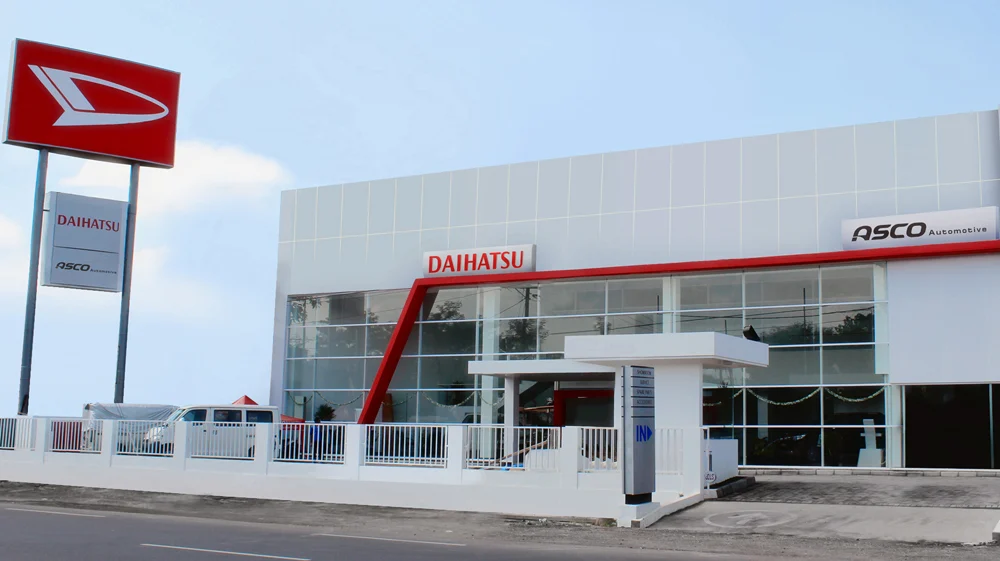
The Indonesian automotive landscape is currently undergoing a significant transformation, characterized by shifting alliances between established distributors and emerging manufacturers. This evolution was recently highlighted by the decision of Asco Automotive, a long-standing dealer partner of Daihatsu, to shutter 11 of its official outlets across the country. The move, which has sparked considerable discussion within the industry and on social media platforms, signifies a strategic pivot by the dealer group to focus on the distribution of vehicles from Chinese manufacturers. In response to the growing narrative surrounding these closures, PT Astra International Tbk-Daihatsu Sales Operation (AI-DSO) has provided a detailed clarification to ensure market stability and maintain consumer confidence in the brand’s long-term commitment to the Indonesian market.
Tri Mulyono, the Customer Relation Division Head at PT Astra International Tbk-Daihatsu Sales Operation, addressed the situation during a press gathering in Depok. He sought to correct misconceptions circulating in the public sphere, particularly the notion that a widespread collapse of the dealership network was occurring. He clarified that while the number of outlets closing—eleven in total—is significant, they all belong to a single dealer group: Asco Automotive. This distinction is crucial for understanding the scale of the transition, as it represents a business decision by one specific partner rather than a systemic withdrawal by Daihatsu from the regions affected.
The Scope of the Network Adjustment
The closure of the 11 outlets is concentrated in two of Indonesia’s most critical economic hubs: the Special Capital Region of Jakarta (DKI Jakarta) and East Java. According to the mapping provided by Daihatsu, six of the closed outlets were located within the DKI Jakarta administrative area, while the remaining five served the East Java province. These regions are traditionally the strongest markets for Daihatsu, which has consistently held the position of the second-best-selling automotive brand in Indonesia for over a decade, trailing only its sister company, Toyota.
The decision by Asco Automotive to transition toward Chinese automotive brands reflects a broader trend in the Indonesian market. In recent years, brands such as Wuling, Chery, and more recently, BYD, Great Wall Motor (GWM), and GAC Aion, have made aggressive inroads into the archipelago. These manufacturers often offer high-technology features and electric vehicle (EV) options at competitive price points, prompting some established dealer groups to diversify their portfolios or switch allegiances entirely to capture the emerging "green" and "tech-forward" segments of the market.
Ensuring After-Sales Continuity and Customer Rights
A primary concern for any automotive brand during a dealership transition is the welfare of existing customers. When a dealership closes, owners of vehicles purchased from that specific outlet often worry about the validity of their warranties, the availability of genuine spare parts, and the accessibility of routine maintenance services. Tri Mulyono emphasized that Daihatsu’s priority remains the "seamless continuation of service" for every customer impacted by Asco’s exit.
Daihatsu currently operates through a robust network of 23 different dealer groups across Indonesia. This diversity in its distribution chain allows the company to absorb the service load from the closed Asco outlets. Tri Mulyono assured the public that the "mapping" of customer service migration is already complete. Customers who previously frequented Asco outlets in Jakarta and East Java are being redirected to the nearest authorized Daihatsu workshops operated by other partners within the Astra ecosystem or independent authorized dealers.
"Our focus, along with the Sole Agent (APM), is the sustainability of the services received by the customers," Tri Mulyono stated. He further explained that legal rights, such as product warranties and free service vouchers, remain fully intact and enforceable at any authorized Daihatsu outlet in Indonesia. The transition is managed so that the "change in dealership management" does not result in a loss of coverage or convenience for the end-user.
Contextualizing the Rise of Chinese Brands in Indonesia
The pivot by Asco Automotive cannot be viewed in isolation; it is a symptom of the shifting tectonic plates of the Southeast Asian automotive industry. For decades, Japanese manufacturers have enjoyed a combined market share of over 90% in Indonesia. However, the global shift toward electrification and the maturation of Chinese manufacturing have introduced a new level of competition.
Chinese automakers are not only bringing internal combustion engine (ICE) vehicles to Indonesia but are also leading the charge in the electric vehicle sector. With the Indonesian government providing various incentives for EV adoption and local manufacturing, Chinese brands have been quick to establish local assembly plants. This allows them to bypass high import duties and offer vehicles that are often more affordable than Japanese hybrids or upcoming EVs. For a dealer group like Asco, the opportunity to be an early adopter and primary distributor for a high-growth Chinese brand represents a high-risk, high-reward business strategy.
Furthermore, the "Chinese brand" narrative is no longer just about low cost. Brands like Chery and BYD are positioning themselves as premium, high-tech alternatives. This creates a compelling case for dealers who see the saturation of the traditional ICE market and wish to capture a younger, tech-savvy demographic that is less tied to traditional brand loyalties.
Daihatsu’s Market Resilience and Data Analysis
Despite the loss of 11 outlets from the Asco group, Daihatsu’s overall position in Indonesia remains formidable. Data from the Association of Indonesia Automotive Industries (GAIKINDO) consistently shows Daihatsu’s retail sales performing strongly. In the first half of 2024, Daihatsu maintained a market share of approximately 19% to 20%. Models like the Daihatsu Sigra (a Low Cost Green Car or LCGC) and the Gran Max pickup continue to dominate their respective segments due to their reputation for reliability, fuel efficiency, and high resale value.
The strength of the Astra International network provides a safety net that few other brands can match. As the largest automotive conglomerate in Southeast Asia, Astra’s infrastructure includes financing arms (such as ACC and TAF), insurance (Asuransi Astra), and an integrated spare parts supply chain (Astra Otoparts). This ecosystem ensures that even when a specific dealer group departs, the brand’s presence is maintained through other channels.
From a strategic perspective, the closure of these 11 outlets may allow Daihatsu to optimize its remaining network. In some urban areas, a high density of outlets can lead to "cannibalization," where dealers of the same brand compete against each other on price, eroding profit margins. A leaner, more efficient network can sometimes lead to better service quality and healthier dealer operations.
The Timeline of the Transition
The rumors regarding Asco’s departure began circulating in mid-2024, as industry insiders noticed changes in signage and inventory at several key locations. By June 2024, the transition became a matter of public record, prompting the official response from Daihatsu management in Depok.
The chronology of events suggests a planned exit rather than an abrupt closure. Most automotive dealership agreements involve lengthy notice periods and transition clauses to protect consumers. Over the coming months, it is expected that the former Asco locations will undergo rebranding to reflect their new Chinese brand partners. Meanwhile, Daihatsu has been proactive in communicating with its customer database via digital channels and service apps to inform them of their new designated service centers.
Implications for the Automotive Industry
The Asco-Daihatsu split serves as a case study for the "new normal" in the Indonesian car market. Several implications can be drawn from this event:
- Increased Dealer Bargaining Power: Historically, dealers were heavily dependent on the major Japanese brands. Now, with the influx of viable alternatives from China and Korea, dealer groups have more leverage to choose partners that offer better margins, more innovative products, or more flexible terms.
- Focus on After-Sales as a Differentiator: As the hardware (the cars) becomes more comparable in terms of features and price, the battleground shifts to after-sales service. Daihatsu’s quick move to reassure customers about warranty and service continuity is a defensive play to prevent "churn" to other brands.
- The Challenge of Brand Loyalty: For decades, Indonesian families have been "Toyota families" or "Daihatsu families." The willingness of a major dealer to switch brands suggests that even professional industry players believe consumer loyalty is becoming more fluid, especially as the market transitions toward new energy vehicles.
- Network Realignment: Other Japanese brands are likely watching this development closely. If more dealers follow Asco’s lead, traditional manufacturers may need to reconsider their dealer incentives, support structures, and the speed at which they introduce new technology to the local market.
Conclusion: A Respectful Parting of Ways
In his closing remarks, Tri Mulyono reiterated that Daihatsu "highly respects" the business decisions made by its partners. The automotive business is capital-intensive and highly sensitive to global economic shifts. While the loss of 11 outlets is a notable change, the scale of Daihatsu’s remaining 23 dealer groups and hundreds of outlets nationwide ensures that the brand’s "Sahabat Daihatsu" (Friend of Daihatsu) philosophy remains intact.
For the Indonesian consumer, this event highlights the importance of choosing brands with deep-rooted infrastructure. While the allure of new brands is strong, the ability of a company like Astra-Daihatsu to immediately map out and guarantee service across a vast geographical area remains a significant competitive advantage. As the 11 outlets in Jakarta and East Java begin their new journey with Chinese manufacturers, the existing Daihatsu community can take solace in the fact that their vehicles’ maintenance and value are protected by a network that transcends any single dealership group.