Lusiana Hamidun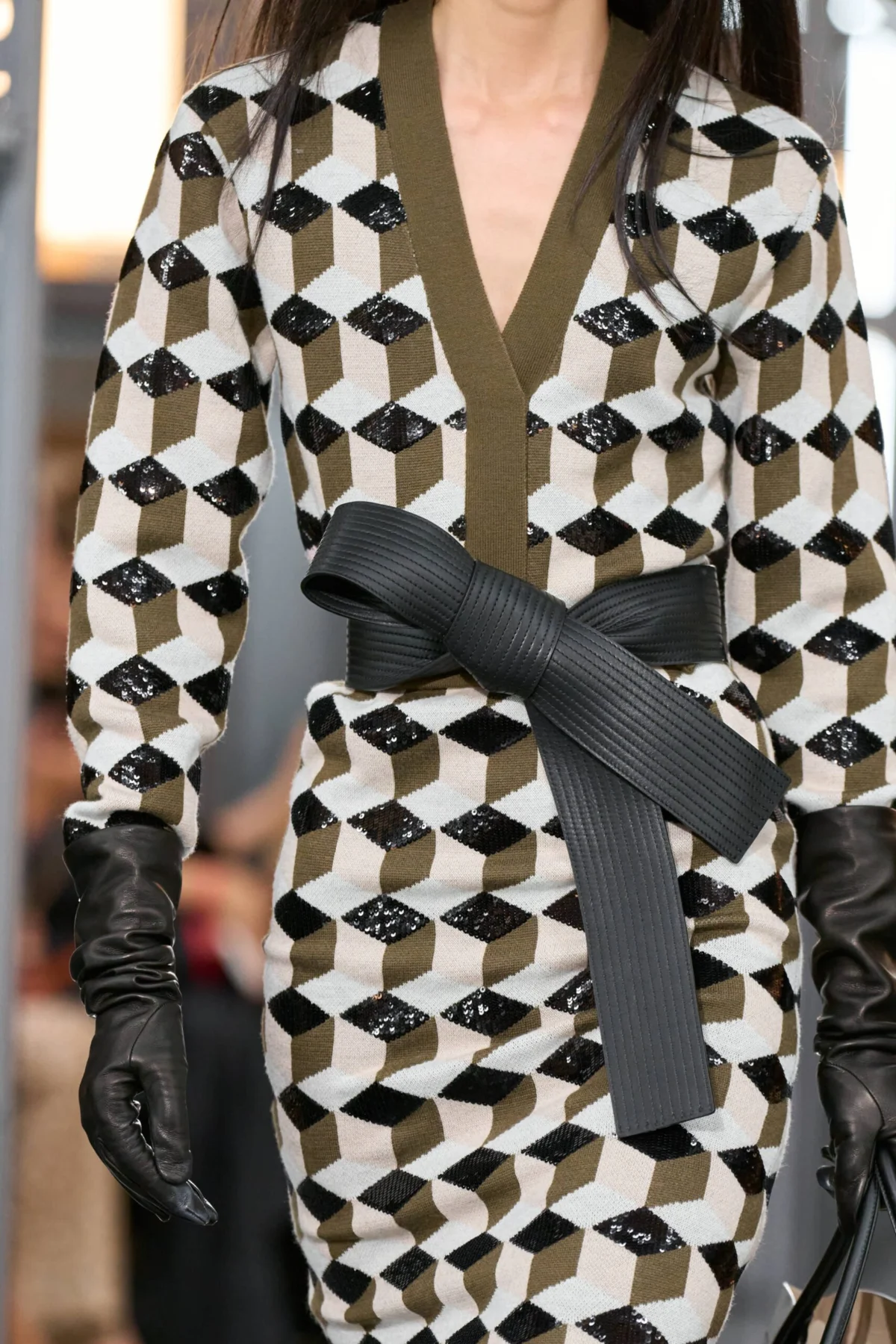
Max Mara’s 75th-anniversary celebrations culminated in a significant dual event in Shanghai, marking the Italian fashion house’s first-ever major fashion presentation in the dynamic Chinese metropolis. This strategic choice of Shanghai underscored a powerful message: heritage is not merely to be remembered but actively lived and continually reinterpreted. The bustling city, a symbol of relentless progress and innovation, served as an ideal backdrop for Max Mara to demonstrate its enduring legacy and forward-looking vision.
The fashion house, founded by Achille Maramotti in 1951, orchestrated two pivotal moments within the iconic brutalist architecture of the Long Museum. These events, attended by Harper’s Bazaar, included the grand opening of the archival exhibition "The Max!" and the unveiling of the Resort 2027 collection, aptly titled "Kinetic Chic." The museum’s imposing structure provided a compelling canvas for the dialogue between tradition, innovation, and the future that Max Mara consistently embodies.
"The Max!": An Archive Brought to Life
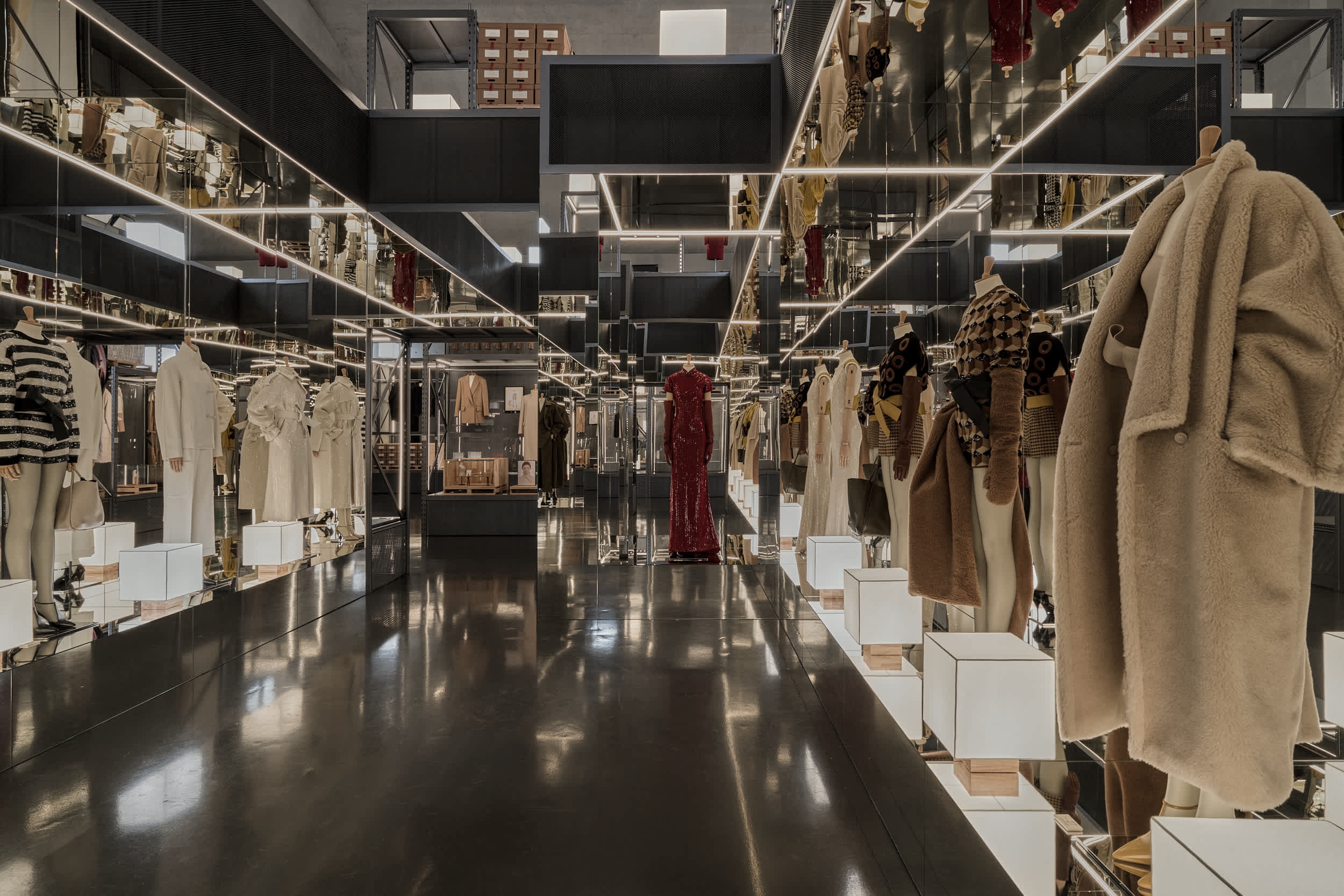
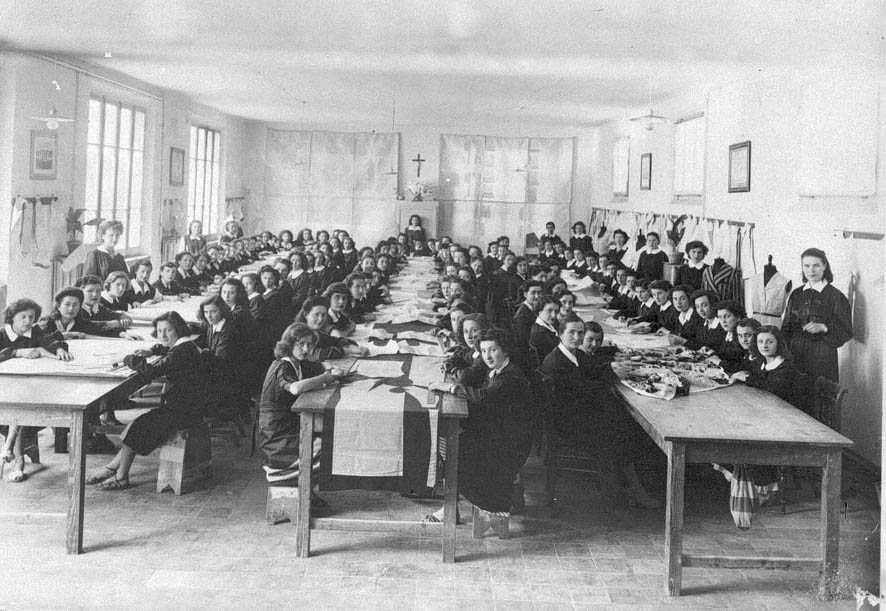
Contrary to a conventional retrospective, Max Mara opted for a more immersive and dynamic approach with "The Max!" exhibition. Curated by esteemed fashion historian Olivier Saillard, the exhibition breathed life into the journey of the Maramotti family’s fashion enterprise. It traced the brand’s origins from the humble beginnings of the Maramotti family’s sewing school to the iconic collections that have shaped global fashion history.
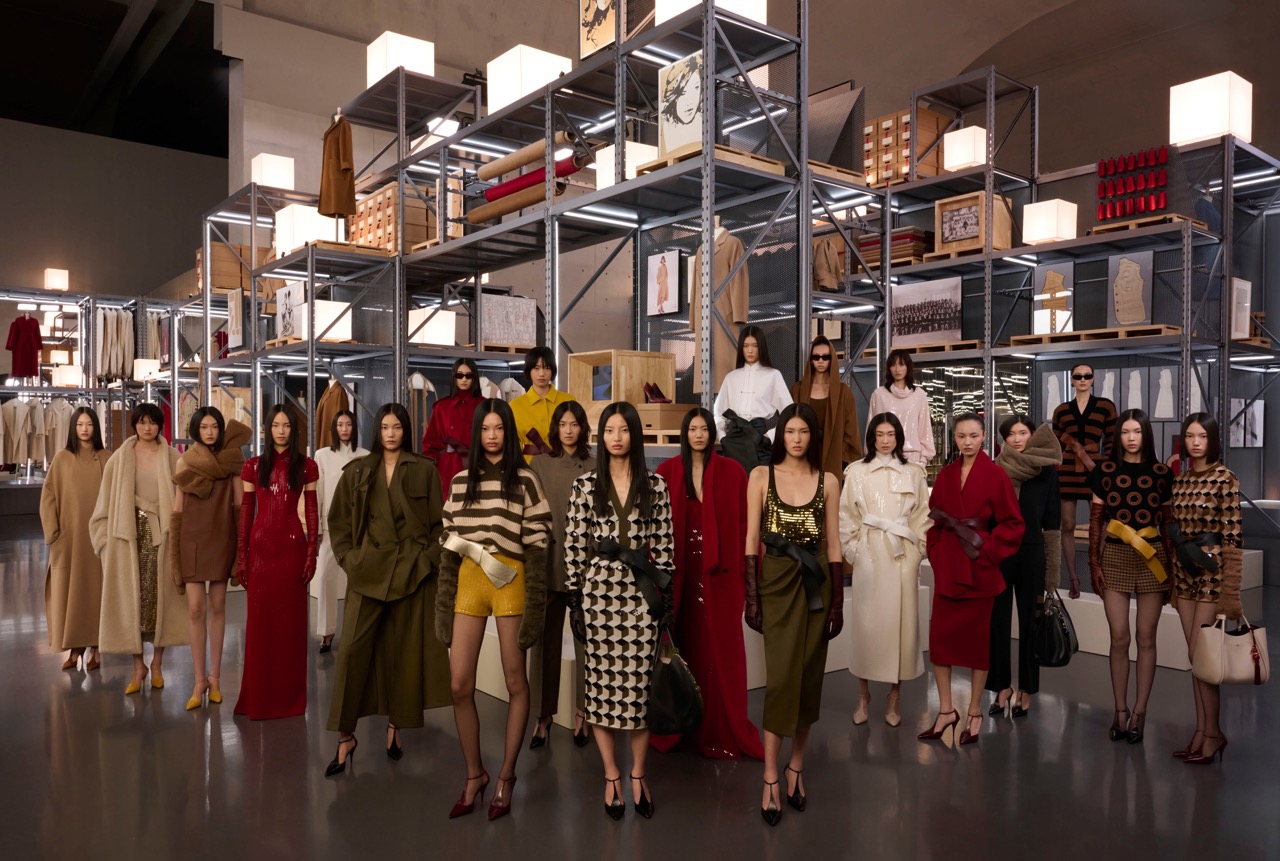
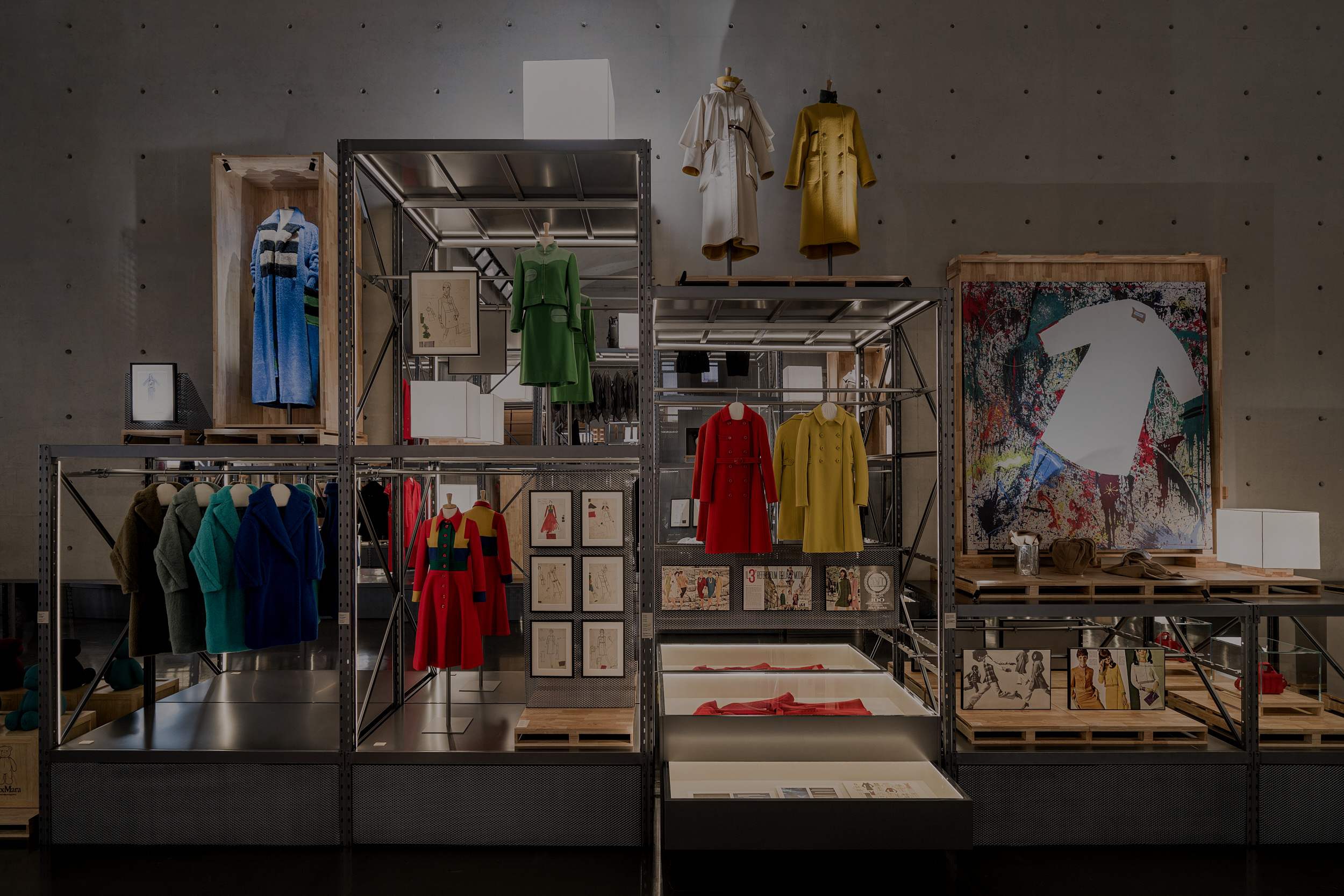
Visitors were invited into what felt like a "living archive," a meticulously curated space where garments, patterns, sketches, historical documents, and photographs were presented not as relics of the past, but as vibrant elements of a continuously evolving narrative. The atmosphere managed to be both intimate, offering a glimpse into the brand’s foundational years, and monumental, showcasing its global impact.
Within the exhibition’s diverse zones, a key takeaway was Max Mara’s deliberate avoidance of mere nostalgia. Instead, the archives were presented as a fertile ground for creativity, a wellspring from which new interpretations and future designs are constantly drawn. This approach positions the brand’s heritage not as a static monument but as a dynamic force that fuels ongoing innovation. "The Max!" is more than an exhibition; it’s a profound journey into the heart of Max Mara’s identity over more than seven decades. The careful curation highlighted pivotal moments, such as the early sketches of the iconic 101801 coat, a timeless piece that has been a staple since its introduction in 1981 and continues to be reinterpreted.
Resort 2027 Collection: Capturing the Energy of Urban Life
Behind the seemingly effortless presentation of the Resort 2027 collection lay an intellectual framework meticulously constructed by Ian Griffiths, Max Mara’s Creative Director. His vision for "Kinetic Chic" was deeply rooted in the concepts of modernity and metropolitan living. In an exclusive conversation with Harper’s Bazaar, Griffiths revealed that the collection drew inspiration not only from Chinese culture but also from the fundamental idea of the city as the nexus of modern existence.
"This year marks Max Mara’s 75th anniversary, and I wanted this collection to speak to the most fundamental essence of Max Mara," Griffiths stated. He elaborated on how the brand’s identity has, from its inception, been intertwined with the metropolitan phenomenon, born from the dynamics of urban life. "It’s about women who live in the city, work in the city, and want to be active participants in city life."
To flesh out this concept, Griffiths delved into the writings of early 20th-century German philosopher Walter Benjamin, whose work extensively explored the intricacies of modernity. Benjamin’s theories on the urban experience, the flâneur, and the architecture of the modern city provided a rich intellectual foundation. "He spoke about the importance of modernity. Modern ways of dressing, modern ways of living, even modern ways of furnishing a home are codes and languages that help us navigate the complex and intricate life of the city," Griffiths explained.
Despite the robust intellectual underpinnings, Griffiths emphasized that Max Mara garments must ultimately possess universal appeal. "The most important thing for me is that Max Mara clothing should be instantly understandable to anyone. It doesn’t matter if someone knows the inspiration, the intellectual framework, or the narrative behind the collection. A woman who has never read Walter Benjamin should be able to look at the garment and immediately grasp it."
This philosophy translated into the collection’s theme, "Kinetic Chic," a term Griffiths coined to encapsulate the constant energy and change that define urban life. "I wanted this collection to express the energy and dynamism of the city, its restlessness, and the continuous evolution. That’s why the collection is named ‘Kinetic Chic.’ Kinetic Chic is about energy."
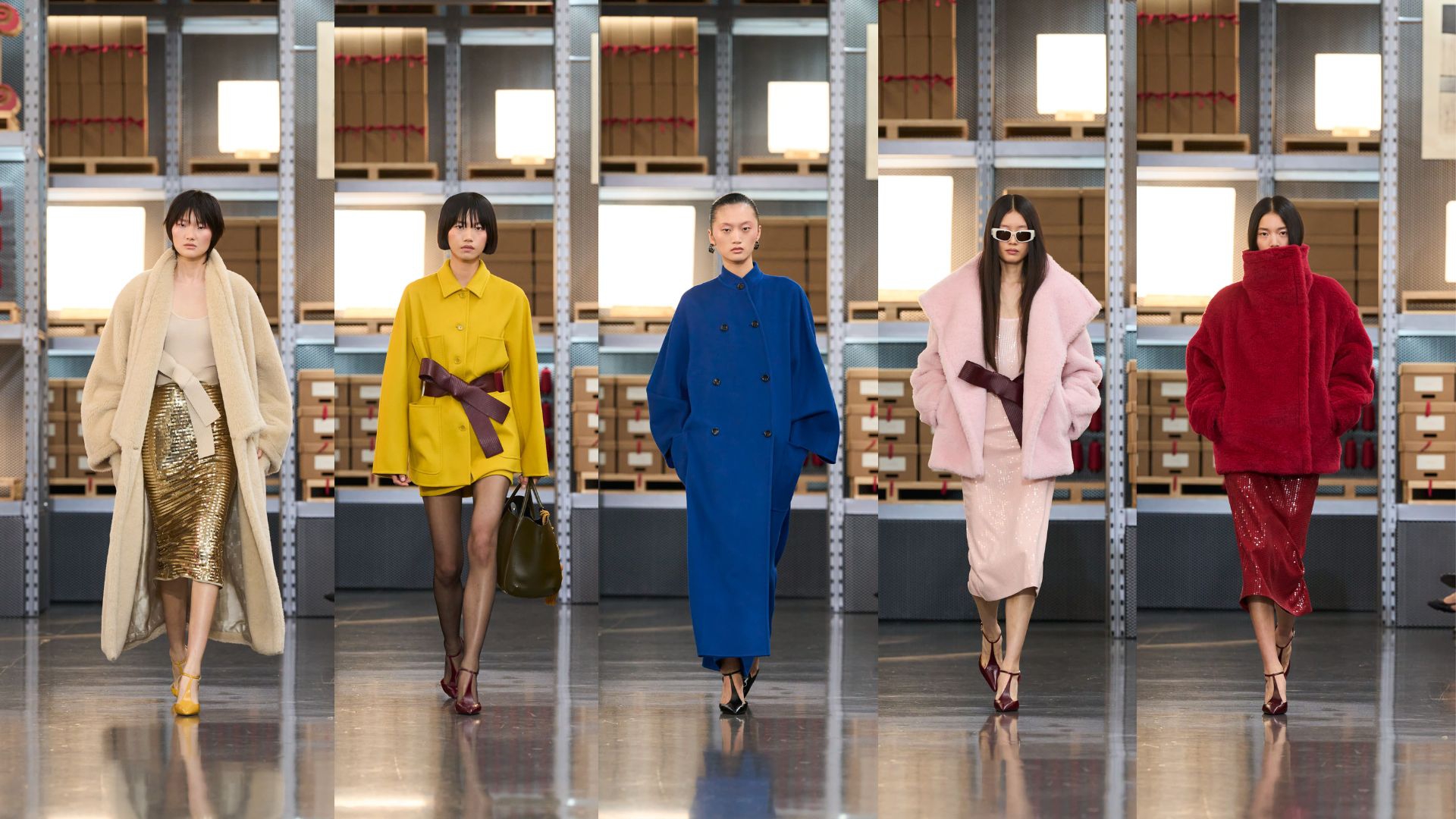
On the runway, this translated into a collection that exuded dynamic energy with a natural flow. Classic Max Mara silhouettes were presented with a sleek and highly wearable aesthetic. Loose-fitting coats with a relaxed attitude were paired with boxy cropped jackets, skirts with a light volume, and dresses that draped softly against the body. The brand’s signature camel palette was enriched with shades of cognac, champagne, khaki, black, and white, punctuated by Max Mara’s iconic red. Unexpected flashes of sequins and vibrant colors were strategically introduced in select looks, injecting a fresh dynamism into the brand’s traditionally understated aesthetic. This approach to color and texture demonstrated Max Mara’s ability to evolve while remaining true to its core identity.
Bauhaus Meets Oriental: A Shanghai Synthesis
A particularly captivating aspect of the collection was Griffiths’ masterful synthesis of Max Mara’s archival DNA with references to Shanghai’s rich cultural tapestry. Geometric patterns and linear motifs, inspired by the Bauhaus movement, were seamlessly integrated with elements that subtly alluded to traditional Chinese costumes. This fusion was evident in reinterpretations of the cheongsam crafted from merino wool, quilted silk jackets adorned with Oriental details, and the discreet application of pankou (frog) fastenings.
This juxtaposition created a dialogue between German modernism and Chinese heritage, reflecting Shanghai’s unique position as a city that has historically embraced global influences while maintaining its distinct cultural identity. The "Bauhaus meets Oriental" theme represented a sophisticated understanding of cross-cultural design, appealing to a global audience while acknowledging local sensibilities. The meticulous craftsmanship and thoughtful integration of these diverse elements underscored Max Mara’s commitment to quality and its ability to create fashion that is both culturally resonant and universally chic.
Max Mara Looks to the Future, Rooted in Legacy
The enduring impression from this Shanghai sojourn is Max Mara’s sophisticated approach to its own history. There was a palpable absence of excessive sentimentality. Instead, the house, renowned for its iconic 101801 coat and Teddy Coat, effectively leverages its archives as a bedrock for continuous innovation. To commemorate its 75th anniversary, Max Mara even reissued three special archival coats in limited editions, a testament to their timeless design and enduring appeal.
In the rapidly evolving landscape of the fashion industry, Max Mara appears to remain steadfastly committed to a simple principle passed down through 75 years: transforming the ordinary into the extraordinary. This ethos is reflected in their ability to create pieces that are not merely trendy but are designed to accompany women through their lives, offering enduring elegance and confident presence.
Witnessing "The Max!" exhibition and the Resort 2027 runway show in Shanghai provided a clear answer to the collection’s implicit question: "What is Max Mara?" The answer is elegantly simple. Max Mara is about the modern woman. It is about clothing that transcends fleeting trends to become an integral part of life. It is about an elegance that speaks softly but always with unwavering confidence. The brand’s continued success lies in its ability to honor its past while boldly embracing the future, a testament to the enduring power of thoughtful design and unwavering quality.
The strategic decision to host such a significant event in Shanghai also speaks volumes about Max Mara’s global market strategy. China, and particularly cities like Shanghai, represent a crucial growth market for luxury fashion. By engaging directly with this audience through a culturally resonant event, Max Mara not only celebrated its heritage but also solidified its position as a global player deeply attuned to the nuances of diverse markets. The successful integration of local elements into the collection and exhibition programming demonstrated a sophisticated understanding of how to connect with consumers on a deeper, more meaningful level. This approach is likely to foster stronger brand loyalty and open new avenues for growth in the region. The echoes of Bauhaus and traditional Chinese aesthetics within the collection serve as a powerful reminder of Shanghai’s unique cultural fusion, a characteristic that Max Mara has masterfully woven into its own narrative.