Azin Asro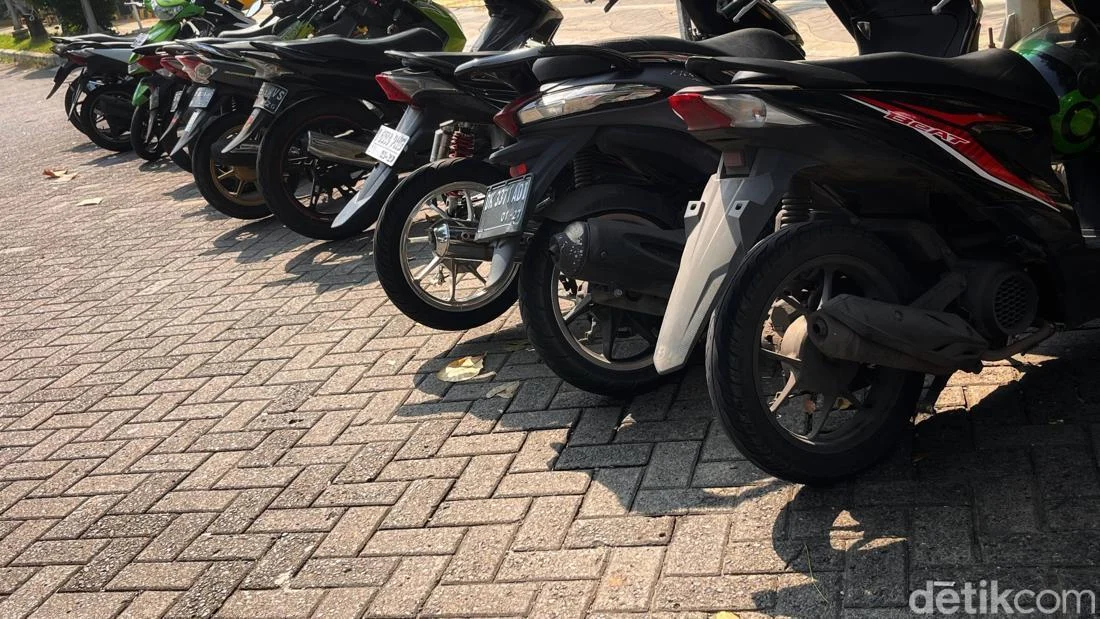
The National Police of the Republic of Indonesia (Polri) has issued a firm reminder to all motorists regarding the mandatory placement and visibility of vehicle registration plates, officially known as Tanda Nomor Kendaraan Bermotor (TNKB). According to the current legal framework, every motorized vehicle operating on public roads must display these identification markers at both the front and the rear in a manner that is clearly visible and unobstructed. This directive comes in response to a growing trend of motorists, particularly motorcyclists, attempting to bypass the Electronic Traffic Law Enforcement (ETLE) system by intentionally obscuring or removing their license plates. As the government continues to modernize its traffic monitoring infrastructure, the integrity of the TNKB system has become a cornerstone of public order and administrative legitimacy.
The Legal Framework and Technical Requirements for TNKB
The fundamental regulations governing vehicle identification in Indonesia are anchored in several key pieces of legislation. Specifically, Peraturan Polri (Police Regulation) Number 7 of 2021 concerning the Registration and Identification of Motorized Vehicles provides the operational guidelines for how plates must be displayed. The regulation stipulates that the TNKB is not merely a piece of metal but a vital instrument of state-sanctioned identification that serves as proof of a vehicle’s legitimacy. It must be installed in the designated brackets provided by the manufacturer at the front and rear of the vehicle, ensuring that the alphanumeric characters are legible to both human officers and automated camera systems.
Furthermore, Law Number 22 of 2009 concerning Traffic and Road Transportation (UU LLAJ) provides the primary statutory authority for enforcement. Article 68, Paragraph 1 of this law states that every motorized vehicle operated on the road is required to be equipped with a valid Vehicle Registration Certificate (STNK) and the corresponding TNKB. The law views the absence of these identifiers as a significant breach of administrative and security protocols, as it hinders the ability of the state to track vehicle ownership and responsibility in the event of accidents, criminal activity, or traffic violations.
Penalties for Non-Compliance and Misuse
The Indonesian legal system imposes specific sanctions on those who fail to adhere to these identification standards. Under Article 280 of Law No. 22/2009, any driver found operating a vehicle that is not equipped with the official TNKB as determined by the National Police faces a maximum prison sentence of two months or a maximum fine of Rp 500,000 (approximately USD 32). This penalty applies not only to vehicles with missing plates but also to those using plates that do not conform to the official specifications regarding dimensions, font, color, and reflective material.
In addition to the physical plates, the accompanying documentation is equally critical. Article 288, Paragraph 1 of the same law dictates that drivers who fail to produce a valid STNK or a temporary vehicle trial certificate (STCK) are subject to the same penalties: a maximum of two months’ imprisonment or a Rp 500,000 fine. These strict measures are designed to ensure that every vehicle on the road is accounted for in the national database, facilitating a safer and more organized transportation environment.
The Rise of ETLE Evasion Tactics
The impetus for the recent crackdown is the observed increase in creative, yet illegal, methods used by motorists to evade the Electronic Traffic Law Enforcement (ETLE) cameras. Since the widespread implementation of static and mobile ETLE units across major Indonesian cities like Jakarta, Surabaya, and Bandung, traffic police have noted a surge in "plate masking." This phenomenon involves motorists using household items, most commonly medical masks or duct tape, to cover one or more digits on their license plates. Some motorcyclists have gone as far as removing the rear plate entirely or bending it at an angle that prevents overhead cameras from capturing the characters.
These tactics are specifically designed to prevent the ETLE system’s Optical Character Recognition (OCR) software from identifying the vehicle owner, thereby avoiding the automatic issuance of an electronic ticket (e-tilang). However, Indonesian authorities have clarified that such actions constitute a deliberate attempt to obstruct justice and violate traffic laws. In response, the Korlantas Polri (Traffic Corps) has increased manual patrols to intercept vehicles with obscured plates, often leading to immediate vehicle impoundment and the issuance of physical citations.
Chronology of Enforcement Evolution
The evolution of license plate enforcement in Indonesia has moved through several distinct phases over the last decade. Historically, traffic enforcement was almost entirely manual, relying on "razzia" or roadside checkpoints where officers would inspect vehicles for proper documentation and plates. While effective in the short term, this method was often criticized for causing traffic congestion and being susceptible to inconsistent enforcement.
In 2021, a significant shift occurred with the introduction of Peraturan Polri Number 7, which not only updated the registration process but also paved the way for a change in the physical appearance of license plates. The transition from black plates with white text to white plates with black text for private vehicles was initiated to improve the accuracy of ETLE cameras. The white reflective background provides a higher contrast for infrared cameras, significantly reducing identification errors during nighttime or in poor weather conditions.
By 2023, the National Police began integrating "Mobile ETLE," where cameras are mounted on patrol vehicles and handheld devices used by officers. This technological leap meant that even in areas without static camera gantries, motorists could still be caught for violations. The current phase of enforcement, beginning in early 2024, focuses on "high-intensity monitoring" of plate authenticity. This includes checking for the official "Polri" embossed logo and security watermarks that distinguish genuine plates from those produced by unauthorized roadside vendors.
Official Responses and Public Safety Concerns
Senior officials from the Korlantas Polri have emphasized that the license plate is the "identity card" of the vehicle. In various press briefings, police spokespersons have noted that the trend of hiding plates is not just a traffic issue but a public security concern. "A vehicle without a visible license plate is an anonymous threat on the road," stated one official during a recent enforcement drive in Central Jakarta. "If such a vehicle is involved in a hit-and-run or a robbery, the lack of identification makes it nearly impossible for the police to provide justice to the victims."
Authorities have also addressed the misconception that avoiding ETLE through plate masking is a "victimless crime." They argue that the revenue generated from traffic fines is often redirected into road safety infrastructure and that the system is designed to foster a culture of discipline. By bypassing the system, motorists are undermining the collective effort to reduce Indonesia’s high rate of traffic fatalities. Furthermore, the police have warned that using fake plates or altering official plates can lead to more severe criminal charges beyond simple traffic violations, including forgery under the Indonesian Penal Code (KUHP).
Data and Statistical Context
Data from the Jakarta Metropolitan Police (Polda Metro Jaya) suggests a correlation between the expansion of ETLE and the rise in plate violations. In the first year of full ETLE implementation, there was a reported 25% increase in the number of vehicles stopped manually for "non-standard" or missing plates. Interestingly, statistics show that the majority of these violations occur during peak commuting hours when the perceived risk of being caught by a manual patrol is lower due to heavy traffic.
According to national traffic safety data, vehicles with obscured or missing plates are also disproportionately represented in reports of street crimes, such as "jambret" (snatch-theft) and illegal street racing. In some jurisdictions, up to 40% of motorcycles involved in reported criminal activity were found to have either fake or missing TNKB. This data reinforces the police department’s stance that strict plate enforcement is a vital component of broader crime prevention strategies.
Broader Implications for Vehicle Ownership and Tax Compliance
Beyond safety and law enforcement, the TNKB system is intrinsically linked to the regional tax system (Pajak Kendaraan Bermotor or PKB). In Indonesia, the renewal of the STNK and the issuance of new license plate stickers or plates are contingent upon the payment of annual vehicle taxes. Motorists who hide or remove their plates are often those who have failed to pay their taxes, leading to significant losses in regional revenue.
The integration of the Electronic Registration and Identification (ERI) system allows the police to instantly cross-reference a license plate with the owner’s tax status. When a motorist obscures their plate, they are effectively attempting to drop out of this integrated system. This has prompted regional governments to collaborate more closely with the police, offering "tax amnesties" to encourage motorists to legalize their vehicle status and display proper plates without the fear of heavy back-tax penalties.
Future Outlook and Technological Integration
Looking forward, the Indonesian government is exploring the implementation of Radio Frequency Identification (RFID) technology within license plates. This "smart plate" initiative would allow for the identification of vehicles even if the physical plate is covered or removed, as RFID readers installed at toll gates and intersections could detect the vehicle’s electronic signature. While still in the pilot phase, this technology represents the next step in the cat-and-mouse game between law enforcement and those attempting to evade the law.
The current crackdown on license plate violations serves as a transition period for the Indonesian public. The message from the authorities is clear: as the nation moves toward a more digital and automated future, the basic requirement of displaying a clear and valid license plate remains non-negotiable. For motorists, the risk of a Rp 500,000 fine or a two-month jail term far outweighs the temporary "benefit" of avoiding an electronic ticket.
In conclusion, the enforcement of TNKB regulations as outlined in Law No. 22 of 2009 and Police Regulation No. 7 of 2021 is a multifaceted effort aimed at ensuring road safety, administrative transparency, and national security. By maintaining a strict stance against plate masking and other evasion tactics, the Indonesian National Police are working to ensure that the benefits of the ETLE system are fully realized, leading to more accountable and disciplined behavior among all road users. Motorists are urged to ensure their plates are clean, visible, and officially sanctioned to avoid the legal consequences of non-compliance.