Azin Asro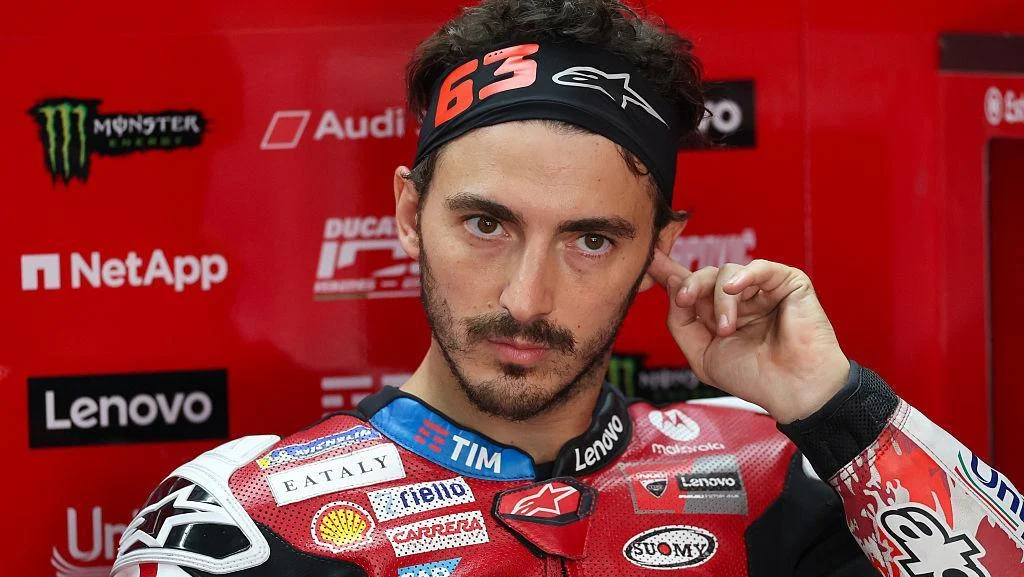
The landscape of Grand Prix motorcycle racing is on the precipice of a transformative era, with the 2027 season set to introduce some of the most significant technical regulation changes in the sport’s history. As manufacturers begin the arduous process of developing next-generation machinery, a private test scheduled for Monday, June 22, 2026, at the Masaryk Circuit in Brno, Czech Republic, has become a focal point of discussion within the paddock. Among the most vocal figures regarding the current testing structure is the two-time MotoGP World Champion, Francesco "Pecco" Bagnaia. Despite his status as a premier rider for the Ducati Lenovo Team, Bagnaia has been excluded from the initial shakedown of the 850cc prototype, a decision that highlights the complex intersection of rider loyalty, intellectual property, and the logistical challenges of a tire supplier transition.
The Shift to 850cc and the 2027 Regulatory Framework
To understand the weight of the Brno test, one must look at the broader context of the 2027 MotoGP regulations. The Fédération Internationale de Motocyclisme (FIM), the International Road Racing Teams Association (IRTA), and Dorna Sports have collectively engineered a roadmap designed to increase safety, improve the quality of racing, and enhance the sustainability of the sport. The cornerstone of this initiative is the reduction of engine displacement from the current 1,000cc four-cylinder units to 850cc. This change is intended to reduce top speeds—which have frequently exceeded 360 km/h in recent seasons—and decrease the mechanical strain on components.
In addition to the engine downsize, the 2027 era will see a dramatic reduction in aerodynamic appendages and the total ban of ride-height devices, such as "holeshot" and "shapeshifter" systems. These devices, while technologically impressive, have been criticized for making overtaking more difficult and increasing the physical demands on riders. Perhaps most significantly for the current testing cycle, the 2027 season marks the end of the Michelin era as the sole tire supplier, with Pirelli taking over the mantle to provide the rubber for the world’s fastest prototypes.
The Exclusion of Francesco Bagnaia: Strategic Secrecy
The private test at Brno serves as the first real-world laboratory for these new technologies. However, the availability of 850cc prototypes is currently extremely limited. Manufacturers have prioritized riders who are confirmed to remain with their respective brands for the 2027 season and beyond. This "loyalty-first" approach has left several high-profile riders, including Bagnaia, on the sidelines.
Bagnaia, a product of Valentino Rossi’s VR46 Riders Academy, has been the face of Ducati’s recent dominance. However, with the rider market in a state of constant flux and the long-term nature of the 850cc development cycle, Ducati has opted to keep its newest secrets under wraps from those who might not be part of the long-term 2027 project. Speaking to the media, Bagnaia confirmed his absence from the Brno test with a sense of pragmatism. "I will be at home. Not because I want to, but that’s just how it is," Bagnaia stated. He acknowledged the logic behind Ducati’s decision, noting that it is standard industry practice to restrict access to future technology for riders who are transitioning out of a program or whose future roles are not yet solidified within the specific developmental timeline. "I understand the reason for not trying the 850 because it’s normal. I think it’s right," he added.
The Pirelli Tire Dilemma: A Technical Bottleneck
While Bagnaia accepts the exclusion from the 850cc engine testing, his primary concern lies with the missed opportunity to evaluate the new Pirelli tires. For over a decade, MotoGP riders have honed their styles around the specific characteristics of Michelin tires—noted for their strong rear grip but sensitive front-end behavior. The transition to Pirelli, which currently supplies the Moto2 and Moto3 classes as well as the Superbike World Championship (WSBK), represents a fundamental shift in the bike’s handling dynamics.
Bagnaia argued that the current testing schedule creates an "ideal-less" situation for the premier class riders. As it stands, many riders will not have their first encounter with the Pirelli tires until the post-season test in Valencia in December 2026. This timeline, according to Bagnaia, is fraught with risks and inefficiencies. "Arriving on December 1st, without even testing the Pirelli tires, and then riding the bike for one day in Valencia: you start at 11 a.m. and finish at 3 p.m. There isn’t much time," he explained.
The Valencia circuit in December is notorious for its low track temperatures and short windows of optimal sunlight. Bagnaia fears that a single-day session under these conditions will not provide enough data for riders or engineers to understand the nuances of the new rubber. "It’s a bit strange because you won’t understand anything about the tires, and you won’t have any questions for Pirelli. I don’t think it’s the best idea," the Italian rider remarked.
Proposed Alternatives and the Impact of Limited Testing
In an effort to bridge the gap between the current 1,000cc era and the 2027 850cc transition, Bagnaia proposed a middle-ground solution. He suggested that riders excluded from the 850cc prototype tests should be allowed to test the new Pirelli tires using the current 1,000cc machinery. This would allow the tire manufacturer to gather data from the world’s most elite riders while allowing those riders to acclimatize to the different carcass constructions and compound behaviors of the Pirelli range.
"Maybe it would be better to let me ride the current (1,000cc) bike with Pirelli tires. But that’s not possible," Bagnaia lamented, citing the strict testing regulations and the logistical constraints of managing two different tire allocations during a private test session.
Despite his critiques, Bagnaia remains confident in his ability to adapt. He noted that the number of riders participating in the Brno test is likely small—estimated at only four or five—limiting the competitive advantage they might gain. Among those confirmed to participate is Marco Bezzecchi. Bezzecchi’s involvement is particularly noteworthy as he is widely expected to be a central figure in the 2027 landscape, potentially as Bagnaia’s rival or future teammate as the grid reshuffles in response to the new regulations.
Chronology of the MotoGP 2027 Development Path
The road to the 2027 transition has been marked by several key milestones:
- May 2024: The Grand Prix Commission officially announces the 2027 technical regulations, confirming the 850cc engine capacity and the ban on ride-height devices.
- Late 2025: Pirelli is officially confirmed as the sole tire supplier for the MotoGP class, following successful stints in the feeder categories.
- Early 2026: Manufacturers (Ducati, KTM, Aprilia, Yamaha, and Honda) begin "bench testing" the 850cc powerplants.
- June 22, 2026: The first significant private track test at Brno, focusing on engine integration and initial tire data collection.
- November 2026: The final race of the 1,000cc era takes place at Valencia.
- December 1, 2026: The first official "All-In" test for the 2027 season at Valencia, where all riders will finally have access to the new bikes and tires.
Implications for the Competitive Balance
The shift to 850cc and Pirelli tires represents a "reset button" for the MotoGP field. Historically, such shifts have led to significant changes in the hierarchy of manufacturers. When MotoGP transitioned from 990cc to 800cc in 2007, Ducati and Casey Stoner famously capitalized on the change, ending the dominance of Japanese manufacturers.
The current dominance of European brands—Ducati, KTM, and Aprilia—could be challenged if Honda or Yamaha manages to optimize the 850cc platform more effectively. By excluding top-tier riders like Bagnaia from early testing, manufacturers are taking a calculated risk. While they protect their intellectual property, they lose out on the refined feedback that only a world champion can provide during the early, critical stages of development.
Furthermore, the transition to Pirelli tires may favor riders who have more recent experience in Moto2 or WSBK, where Pirelli’s tire philosophy is already established. Riders who have spent their entire premier-class careers on Michelin rubber, like Bagnaia and Fabio Quartararo, will face a steeper learning curve.
Conclusion: A High-Stakes Waiting Game
As the Brno test concludes and the data is shipped back to factories in Borgo Panigale, Noale, and Mattighofen, the riders left behind can only wait. Francesco Bagnaia’s concerns highlight a tension that is common in high-stakes motorsport: the balance between technical development and rider preparation.
While the "Pecco" of today remains focused on defending his current title aspirations, the "Pecco" of 2027 is clearly wary of the hurdles ahead. The transition to a smaller, more nimble 850cc machine equipped with different tires and stripped of its electronic "crutches" (ride-height devices) will demand a return to a more "pure" riding style. Whether the limited testing opportunities in 2026 will lead to a chaotic start to the 2027 season remains to be seen, but for Bagnaia, the clock is already ticking toward a December debut that he feels is coming far too late.