Chalifah Fatihah
New York, NY – June 23, 2026 – In a significant shift in the global urban landscape, Shenzhen, China, has been awarded the title of the city with the world’s best skyline, according to a comprehensive analysis by Radical Storage in 2026. This designation marks a pivotal moment, as the rapidly developing Chinese metropolis has surpassed established titans like Dubai and New York City, traditionally synonymous with breathtaking urban panoramas. The findings, highlighted by Travel + Leisure, underscore a growing trend of Asian cities dominating the international stage in architectural achievement and urban design.
The Ascendancy of Shenzhen: A New Skyline Champion
For decades, the iconic skylines of New York, Dubai, and Hong Kong have served as powerful symbols of economic might, architectural innovation, and global ambition. These cities have consistently drawn millions of tourists captivated by their towering structures, dazzling nightscapes, and distinct urban identities. However, the 2026 Radical Storage analysis, which delved into the complexities of urban visual appeal, has placed Shenzhen at the apex, redefining what constitutes a world-class skyline.
The research methodology employed by Radical Storage was multifaceted, moving beyond a simple count of tall buildings. The analysis considered 100 top cities listed in the Skyscraper Center database. Key metrics included the average height of the ten tallest buildings, the quality of night views, the density of high-rise structures, and the number of buildings that have received prestigious architectural awards. This holistic approach aimed to capture the overall aesthetic impact and architectural significance of a city’s vertical landscape.
Shenzhen achieved an impressive score of 7.1 out of a possible 10. The city boasts a staggering 679 buildings exceeding 150 meters in height. Of these, a remarkable 196 structures soar above 200 meters, and 22 buildings pierce the sky at over 300 meters. The average height of Shenzhen’s top ten tallest buildings stands at approximately 418 meters, with the colossal Ping An Finance Center reaching an awe-inspiring 599 meters. This quantitative dominance is complemented by qualitative assessments of its night panorama, where Shenzhen’s modern architecture, excellent visibility, and striking building designs contributed to its high marks.
Dubai and Hong Kong: Still Among the Elite
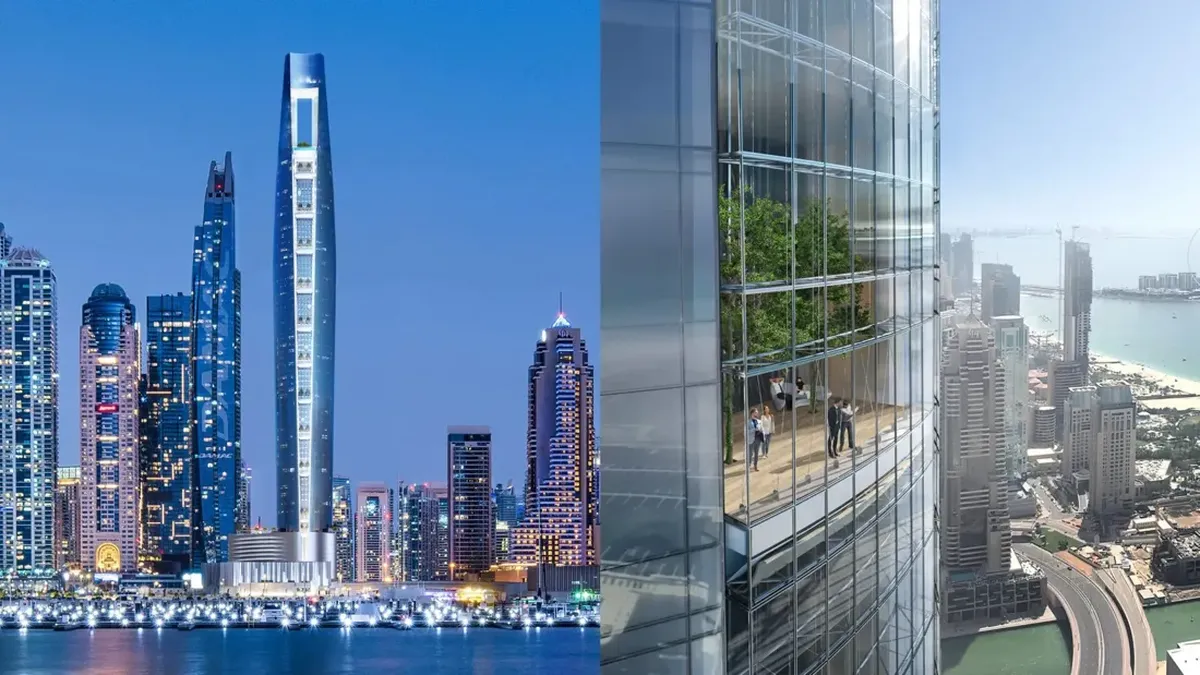
While Shenzhen has claimed the top spot, established contenders continue to impress. Dubai, United Arab Emirates, secured a strong second place with a score of 6.9. Renowned for its futuristic and often audacious architectural marvels, Dubai’s skyline is a testament to its ambition as a global hub and a symbol of progress in the Middle East. The city features 430 buildings over 150 meters, with 129 exceeding 200 meters and 32 surpassing the 300-meter mark. Its continuous development in iconic structures like the Burj Khalifa solidifies its position as a global architectural powerhouse.
Hong Kong, a perennial favorite in skyline rankings, landed in third place with a score of 6.7. The city’s dense urban fabric, characterized by a remarkable 677 skyscrapers, creates a visually arresting and highly recognizable panorama. With 102 buildings over 200 meters and six exceeding 300 meters, Hong Kong’s density is unparalleled. Its building density is approximately 0.61 buildings per square kilometer, resulting in a tightly packed, soaring cityscape that has become synonymous with modern metropolitan life. The visual impact of Hong Kong’s skyline has transcended architecture, frequently featuring as a dramatic backdrop in blockbuster films such as "Godzilla vs. Kong" and "The Dark Knight."
A Shifting Global Architectural Landscape
The 2026 rankings reveal a significant shift, with a pronounced dominance of Asian cities within the top 10. Beyond Shenzhen and Hong Kong, several other Chinese cities have made a strong showing. Wuhan, Guangzhou, Shanghai, and Chongqing all feature prominently, underscoring China’s rapid urbanization and its commitment to developing world-class urban environments.
Kuala Lumpur, Malaysia, also secured a respectable eighth position, further highlighting the architectural prowess emerging across Southeast Asia. Tokyo, Japan, ranked ninth, representing another major Asian metropolis with a distinct and influential skyline. Notably, only two non-Asian cities managed to break into the top 10: Dubai in second place and New York City, which landed in fourth.
The overwhelming presence of Asian cities in the upper echelons of this ranking is a clear indicator of the region’s accelerated development in skyscraper construction and the creation of sophisticated urban districts. This trend is not only transforming cityscapes but also solidifying these locations as prime destinations for travelers seeking to experience grand and futuristic urban panoramas.
The Methodology: More Than Just Height
The Radical Storage analysis aimed to provide a nuanced understanding of what constitutes a truly exceptional skyline. By integrating multiple factors, the study sought to capture the essence of urban visual appeal.
Building Quantity and Height Metrics
- Total High-Rises (150m+): This metric quantifies the sheer scale of a city’s vertical development. Shenzhen leads with 679, followed by Hong Kong (677) and Dubai (430).
- Super-Tall Structures (200m+): The number of buildings exceeding 200 meters indicates a city’s ambition to reach significant heights. Shenzhen leads with 196, followed by Dubai (129) and Hong Kong (102).
- Megatall Structures (300m+): Buildings over 300 meters are often iconic landmarks that define a city’s silhouette. Dubai leads with 32, followed by Shenzhen (22) and Hong Kong (6).
- Average Height of Top 10 Buildings: This metric provides insight into the overall uniformity of height among a city’s tallest structures. Shenzhen’s average is approximately 418 meters, reflecting a cluster of very tall buildings.
Qualitative and Aesthetic Considerations
- Night View Quality: The visual appeal of a skyline after dark is a crucial element for many observers. This was assessed based on factors like lighting design, the coherence of illuminated structures, and overall visual spectacle. Shenzhen’s modern infrastructure and dynamic lighting were noted positively.
- Building Density: High density can create a dramatic and imposing urban environment. Hong Kong’s high density of skyscrapers contributes significantly to its iconic look.
- Architectural Award Recognition: The inclusion of buildings that have received architectural awards suggests a commitment to design excellence and innovation, contributing to the aesthetic quality of the skyline.
Historical Context and the Rise of Urban Giants
The concept of a city’s "skyline" as a source of pride and identity is not new. New York City, for instance, became a global symbol of modernity and ambition in the early 20th century with the construction of its first skyscrapers, epitomized by the Empire State Building and the Chrysler Building. These structures were not just feats of engineering but also powerful statements of economic prowess and cultural aspiration.
Dubai’s ascent in the late 20th and early 21st centuries represented a different kind of ambition. Driven by oil wealth and a vision for global tourism and business, Dubai deliberately pursued a strategy of iconic architecture, culminating in the Burj Khalifa, the world’s tallest building. This project, along with numerous other ambitious developments, transformed the city’s landscape and its global perception.
Shenzhen’s rise, however, is a more recent phenomenon, intrinsically linked to China’s economic reforms and its designation as a Special Economic Zone in the 1980s. From a modest fishing village, Shenzhen has transformed into a global technology and manufacturing hub. Its rapid urbanization has been characterized by a strategic focus on modern infrastructure and ambitious architectural projects, often driven by a desire to compete on the global stage. The city’s development has been marked by a consistent pace of skyscraper construction, reflecting its dynamic economic growth and forward-looking urban planning.
Expert Reactions and Implications
While the exact methodology of Radical Storage’s analysis is proprietary, the results have sparked considerable discussion among urban planners, architects, and tourism experts.
"This ranking is a powerful indicator of the changing global dynamics in urban development," commented Dr. Anya Sharma, a leading urban geographer. "Shenzhen’s victory is not just about height; it reflects a holistic approach to creating a visually compelling and functional urban environment. The city has managed to integrate its rapid growth with a sense of architectural coherence and modern aesthetic."
The implications of Shenzhen’s top ranking extend beyond architectural accolades. For the tourism sector, it signals a potential shift in popular travel destinations, with cities that offer cutting-edge urban experiences becoming increasingly attractive. This could lead to increased investment in tourism infrastructure and marketing efforts for cities like Shenzhen.
For urban planners worldwide, the analysis serves as a case study in how to balance rapid development with aesthetic considerations. The inclusion of factors beyond mere building height encourages a more comprehensive approach to urban design, emphasizing the importance of night views, architectural quality, and the overall visual impact of a city’s built environment.
The Top 10 Skylines of 2026
The full list of the top 10 cities with the best skylines according to Radical Storage 2026 is as follows:
- Shenzhen, China (Score: 7.1)
- Dubai, United Arab Emirates (Score: 6.9)
- Hong Kong, China (Score: 6.7)
- New York City, United States (Score: 6.5)
- Wuhan, China (Score: 6.3)
- Guangzhou, China (Score: 6.1)
- Shanghai, China (Score: 6.0)
- Kuala Lumpur, Malaysia (Score: 5.8)
- Tokyo, Japan (Score: 5.7)
- Chongqing, China (Score: 5.6)
The data highlights a clear trend: Asia is not just building tall; it is building smart, visually impressive, and architecturally significant urban landscapes that are capturing the world’s attention. As these cities continue to evolve, their skylines will undoubtedly remain a key element of their global appeal and identity.