Eko Sulistyo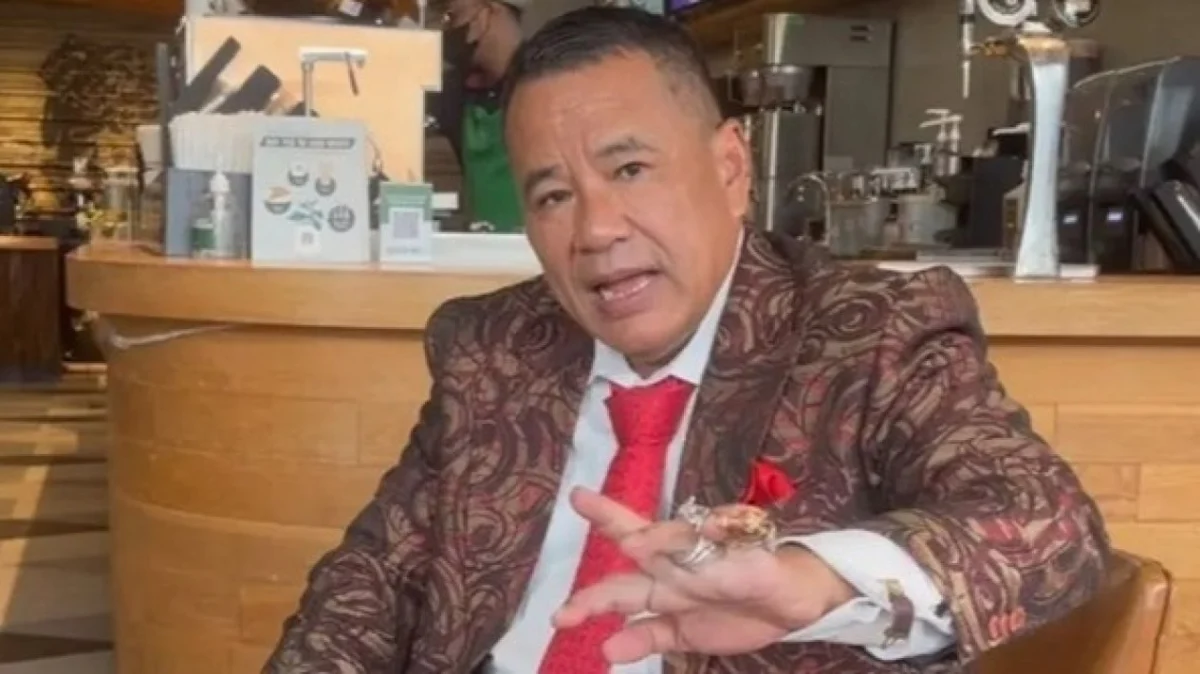
The legal landscape in Indonesia has once again been captivated by a high-profile case of alleged human rights violations, specifically involving the confinement and physical abuse of an individual identified by the initials YTR in Bandung, West Java. As the legal proceedings move forward, a parallel narrative of overwhelming public empathy has emerged, centered around a grassroots fundraising campaign. On Thursday, June 25, 2026, renowned attorney Hotman Paris Hutapea, who has taken a lead role in advocating for the victim, disclosed surprising data regarding the financial contributions intended to support YTR’s medical recovery and legal battle. The data reveals a significant sociological trend: the vast majority of donors are not wealthy philanthropists or large-scale entrepreneurs, but rather ordinary citizens contributing modest amounts, often as little as a few thousand rupiah.
This surge of solidarity underscores a growing movement of digital philanthropy in Indonesia, where the collective power of "rakyat kecil" (the common people) often outweighs the influence of institutionalized charity. Hotman Paris, speaking from Jakarta, expressed his profound admiration for the hundreds of individuals who have stepped forward to offer assistance, noting that the sheer volume of small-scale transfers reflects a deep-seated sense of justice and humanity within the lower-middle-class segments of society.
The Financial Breakdown of Public Solidarity
According to Hotman Paris, the donation logs for YTR’s cause are filled with entries that might seem insignificant in isolation but are monumental when viewed as a collective effort. He noted that the contributions have been steady and increasing daily. While high-profile cases often attract corporate social responsibility (CSR) funds or large private donations, the YTR case has seen a different pattern.
"The most moving aspect of this movement is the profile of the donors," Hotman stated during a press briefing. "We are seeing transfers of Rp 1,000, Rp 3,000, and Rp 10,000. Imagine the conscience of these people. These are not people with surplus wealth; these are people who understand what it means to suffer and want to help in whatever small way they can."
Preliminary data suggests that over 70% of the contributors have sent amounts under Rp 50,000. Hotman speculated that these donors likely include street vendors (pedagang kaki lima), meatball sellers (tukang bakso), low-wage employees, and laborers. For an individual earning a daily wage, a donation of Rp 5,000 represents a tangible sacrifice, equivalent to a meal or a transportation fare. Hotman emphasized that while these amounts may not be financially transformative on their own, the moral weight they carry is immeasurable. He referred to these donors as "humanitarian heroes" who are driven by empathy rather than a desire for recognition.
Chronology of the YTR Abuse Case in Bandung
To understand the intensity of the public’s response, it is necessary to examine the harrowing circumstances that led to YTR’s current state. The case first gained national attention in early June 2026, when neighbors in a residential area in Bandung reported suspicious activities and muffled cries for help emanating from a private residence.
Upon investigation by the Bandung Metropolitan Police (Polrestabes Bandung), it was discovered that YTR had been allegedly held against their will for an extended period. Initial police reports indicated that the victim was subjected to systematic physical violence, resulting in multiple injuries, some of which had not been treated, leading to infections. Furthermore, the psychological trauma of the confinement had left the victim in a state of severe shock.
The timeline of the case is as follows:
- Early June 2026: Initial reports are filed by concerned citizens regarding a possible kidnapping or confinement in a Bandung neighborhood.
- June 10, 2026: Police conduct a raid on the suspected location, rescuing YTR and detaining several individuals for questioning.
- June 12, 2026: Medical examinations confirm signs of long-term malnutrition and physical trauma. The story begins to trend on social media platforms, sparking the "Justice for YTR" movement.
- June 15, 2026: Hotman Paris Hutapea announces through his "Hotman 911" legal aid initiative that he will provide pro-bono legal assistance to the victim.
- June 18, 2026: A dedicated fund is established to manage public donations for YTR’s mounting medical bills and the cost of psychological rehabilitation.
- June 25, 2026: Hotman Paris releases the first detailed update on the donation demographics, highlighting the role of small-scale donors.
The Role of Hotman 911 and Pro-Bono Advocacy
Hotman Paris has long been a polarizing yet influential figure in the Indonesian legal system. Through his "Hotman 911" program, he has carved out a niche for representing victims of "viral" injustices—cases that capture public outrage but often involve victims who lack the financial means to navigate the complexities of the Indonesian judiciary.
In the YTR case, the lawyer’s involvement served as a catalyst for public trust. By providing a platform where the progress of the case and the transparency of the funds could be monitored, the legal team managed to bridge the gap between a victim in need and a public eager to help. Legal analysts suggest that the involvement of high-profile attorneys in such cases often pressures law enforcement agencies to act with greater transparency and urgency.
The legal strategy in the YTR case currently focuses on two fronts: the criminal prosecution of the perpetrators under the Indonesian Penal Code (KUHP)—specifically Article 333 regarding illegal deprivation of liberty and Article 351 regarding maltreatment—and a civil claim for damages to cover the victim’s long-term care.
Sociological Analysis: The Power of Micro-Donations
The phenomenon of thousands of people donating small amounts is not entirely new in Indonesia, a country known for its high ranking on the World Giving Index. However, the YTR case highlights a specific shift toward digital "Gotong Royong" (mutual cooperation). With the ubiquity of digital payment systems such as QRIS and mobile banking, the barrier to entry for philanthropy has been significantly lowered.
Sociologists argue that when the "rakyat kecil" donate, it is often a form of protest against perceived systemic failures. If the public feels that the state or the legal system might not provide adequate protection or support for a victim, they take it upon themselves to provide a safety net. This "micro-philanthropy" acts as a barometer for social justice sentiment.
Furthermore, the fact that a "tukang bakso" or a "pegawai" (employee) feels compelled to donate Rp 2,000 or Rp 5,000 indicates a high level of identification with the victim. In many of these cases, the donors see themselves or their loved ones in the victim’s shoes, fostering a communal bond that transcends economic status.
Official Responses and the Path to Justice
The Bandung Metropolitan Police have stated that they are continuing to deepen their investigation into the motives behind the confinement. "We are working to ensure that all parties involved are held accountable. We appreciate the public’s support for the victim, which allows the victim to focus on recovery while we handle the legal aspects," a spokesperson for Polrestabes Bandung commented earlier this week.
Meanwhile, the Witness and Victim Protection Agency (LPSK) has been urged by various human rights NGOs to provide maximum protection for YTR. Given the potential for intimidation from the perpetrators’ associates, the safety of the victim is paramount. LPSK’s involvement would ensure that YTR can testify without fear, which is crucial for securing a conviction.
Medical professionals overseeing YTR’s recovery in a Bandung hospital have noted that while physical wounds are healing, the "invisible wounds" of psychological trauma will require years of therapy. This is where the public donations become critical. Government-subsidized healthcare (BPJS) often has limitations regarding long-term specialized psychological care for victims of violent crime, making the private fund a lifeline for the victim’s future.
Broader Implications for Legal Reform
The YTR case serves as a grim reminder of the vulnerabilities faced by individuals in domestic or private settings. It has reignited discussions regarding the necessity of the Domestic Workers Protection Bill (RUU PPRT) and other legislative measures designed to prevent confinement and labor exploitation. While it is not yet confirmed if YTR was an informal worker, the patterns of abuse closely mirror those found in cases of domestic servitude.
From a legal standpoint, the case highlights the need for more robust mechanisms to monitor residential areas where such abuses can remain hidden for years. It also emphasizes the importance of community vigilance. The fact that the case only came to light due to neighbor intervention suggests that public awareness campaigns regarding the signs of abuse and confinement are essential.
As the case moves toward trial, the eyes of the nation remain on Bandung. The transparency of the legal process and the continued support for YTR will be a test of Indonesia’s commitment to protecting its most vulnerable citizens. For now, the "humanitarian heroes" identified by Hotman Paris have provided more than just money; they have provided a sense of hope and a reminder that in the face of cruelty, the collective conscience of the ordinary citizen remains a powerful force for good.
The funds collected will be audited and managed to ensure they are used exclusively for YTR’s needs, including housing, education or vocational training, and healthcare. Hotman Paris concluded his statement by promising to keep the public informed, ensuring that every "1,000 perak" (1,000 rupiah) contributed by the people is accounted for in the pursuit of justice and restoration for YTR.