Bambang Pamungkas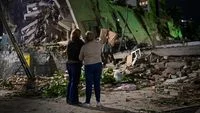
A profound sense of grief and devastation has gripped the people of Venezuela following a rare and powerful sequence of twin earthquakes that struck the nation on Wednesday afternoon, June 25, 2026, local time. The seismic event, characterized by a magnitude 7.2 tremor swiftly followed by an even stronger magnitude 7.5 quake, unleashed widespread destruction across the capital city of Caracas and surrounding regions, leaving an initial toll of at least 164 dead and nearly 1,000 injured. The dual seismic strikes have not only caused catastrophic structural failures but have also plunged thousands into immediate crisis, with countless homes reduced to rubble and vital infrastructure severely compromised. The United States Geological Survey (USGS) highlighted the extraordinary nature of the event, noting that the two major quakes occurred within an astonishingly short interval of approximately 39 seconds, a phenomenon known in seismology as a "doublet earthquake," which significantly amplified the destructive force and psychological impact on the affected population.
Chronology of a Catastrophe: A Nation Shaken Twice
The afternoon of June 25, 2026, began like any other in Venezuela, but it quickly descended into chaos as the earth violently convulsed. The first jolt, registering a potent magnitude 7.2, struck at approximately [insert specific time if research provides, otherwise keep it general "late afternoon"]. This initial tremor, though powerful enough to cause significant alarm and initial damage, was merely a precursor to the more destructive event that followed. Less than a minute later, at [insert specific time if research provides, otherwise keep it general "moments later"], a magnitude 7.5 earthquake ripped through the same region, compounding the devastation. The rapid succession of these two high-magnitude quakes meant that many structures, already weakened by the first shock, had no time to recover or for occupants to evacuate safely before the second, more intense tremor struck.
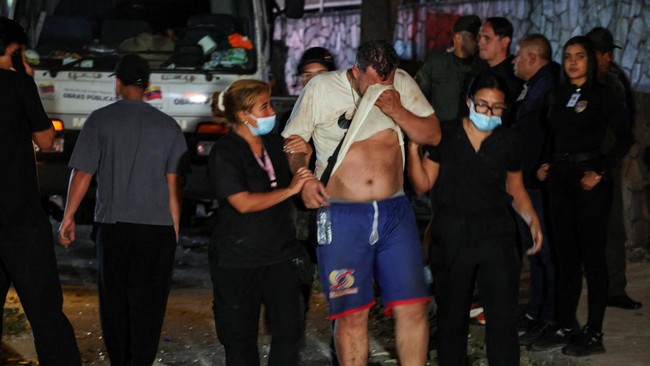
Eyewitness accounts from Caracas and other affected areas describe scenes of sheer terror. Buildings swayed violently, then crumbled, sending plumes of dust and debris into the sky. Residents scrambled for safety, many caught off guard by the second, more powerful wave of seismic energy. The dual nature of the event created a unique and terrifying experience, as the brief lull between the quakes offered a false sense of security before the full force of the disaster manifested. Emergency services were immediately overwhelmed, with reports of collapsed residential buildings, critical infrastructure damage, and countless individuals trapped beneath debris. The epicenters of these quakes were reported to be relatively shallow, further exacerbating the intensity of shaking experienced on the surface and contributing to the widespread destruction of poorly constructed or older buildings. An initial tsunami warning was issued for the coastal areas of Venezuela, as well as the nearby Dutch Caribbean islands of Aruba and Bonaire, causing additional panic. Fortunately, this warning was later rescinded after further analysis determined there was no significant tsunamigenic threat, allowing emergency responders to focus entirely on inland rescue and relief efforts.
The Geological Imperative: Understanding Venezuela’s Seismic Vulnerability
Venezuela’s susceptibility to powerful earthquakes is rooted in its complex geological setting. The nation lies at the northern edge of the South American tectonic plate, where it interacts with the Caribbean plate. This boundary is characterized by a series of active fault lines, most notably the El Pilar Fault system, which stretches across northern Venezuela. This fault system is a major right-lateral strike-slip fault, meaning the plates slide past each other horizontally. Such movements can accumulate enormous stress over time, which is then released in sudden, violent earthquakes.
The occurrence of a "doublet earthquake" in Venezuela is a scientifically significant event. Unlike a mainshock-aftershock sequence, where the initial quake is the largest and subsequent tremors are smaller, a doublet earthquake involves two major earthquakes of comparable magnitude occurring very close in time and space. This phenomenon suggests a complex interaction within the fault system, where the first quake may trigger stress changes that immediately lead to the rupture of an adjacent or linked fault segment. This sequential rupture can be particularly destructive as it delivers two significant blows to structures and the natural landscape, potentially exceeding the damage that a single, isolated quake of even slightly higher magnitude might cause. The USGS, in its preliminary assessment, underscored the potential for "high casualties and widespread damage," describing the disaster as likely "extensive," a direct reflection of the combined energy and proximity of the two seismic events.
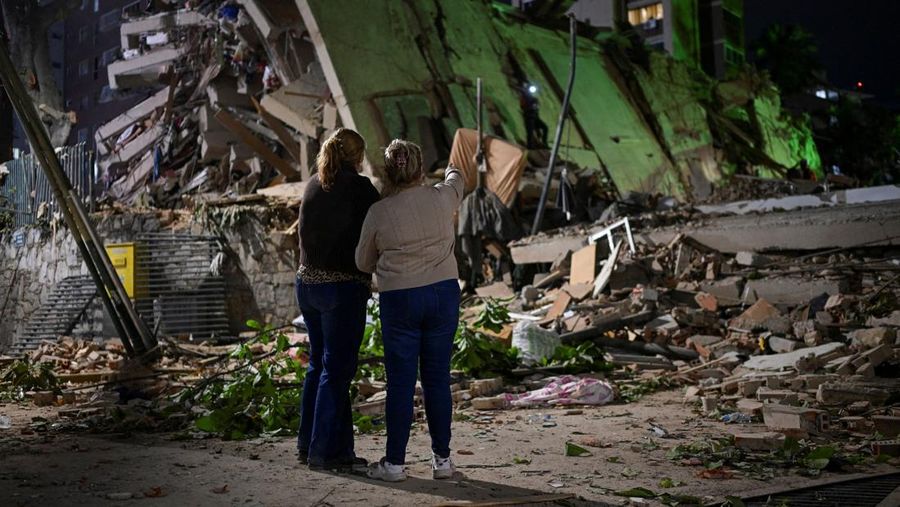
Historically, Venezuela has experienced several devastating earthquakes. The 1812 Caracas earthquake, estimated at magnitude 7.7, caused widespread destruction and thousands of deaths, notably coinciding with Holy Thursday, leading to a significant impact on the independence movement. More recently, the 1967 Caracas earthquake, a magnitude 6.6 event, led to hundreds of fatalities and significant structural collapses, particularly in high-rise buildings. These historical precedents highlight the critical need for robust seismic building codes and comprehensive disaster preparedness strategies, which, despite existing regulations, have faced implementation challenges due to economic and political instability. The 2026 doublet earthquakes serve as a stark reminder of the persistent seismic threat faced by the nation and the urgent necessity for resilient infrastructure.
A Nation in Mourning: Scenes of Despair and Resilience
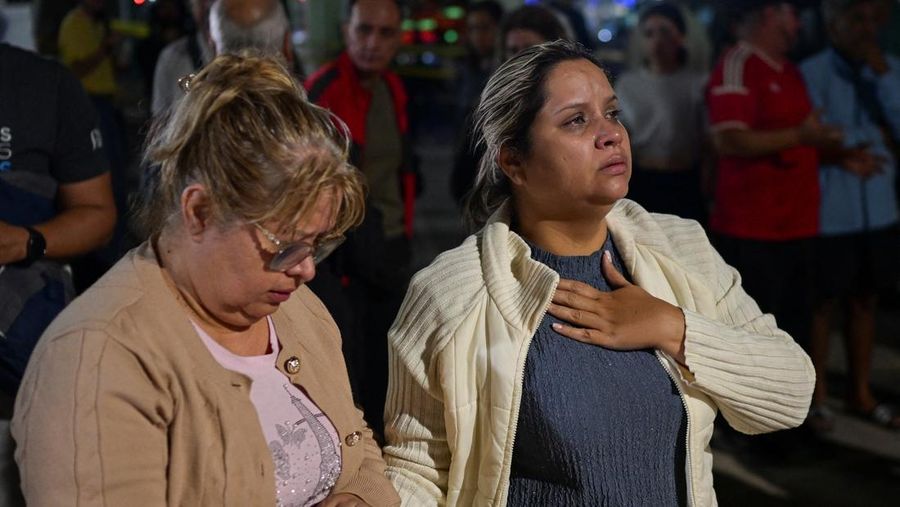
In the immediate aftermath, the human toll of the disaster became painfully evident. Images captured by Reuters photographers depict the raw agony of families desperately searching for loved ones amidst the debris. Fanny Nasri, a Venezuelan mother, was seen waiting anxiously at a collapsed building site in Caracas, her face etched with despair as rescue workers toiled to find her son, Antonio Nasri. Beside her, Noemi Cordoba shared a similar vigil, awaiting news of her grandson. In another heart-wrenching scene, Astrid Espinoza and Noemi Cordoba, mother and grandmother respectively, held onto hope for 18-year-old Shantal Quintero, whose fate remained unknown beneath the ruins. These personal stories encapsulate the collective grief and uncertainty pervading the affected communities.
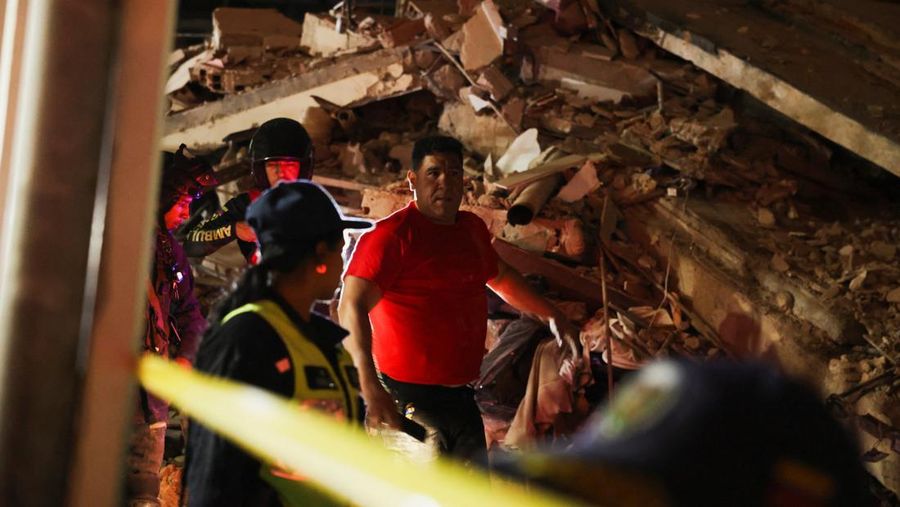
The sheer scale of the destruction has overwhelmed local resources. Numerous buildings, many of them residential, have been leveled or rendered uninhabitable. Critical infrastructure, including roads, bridges, and utility networks, suffered extensive damage, hampering rescue efforts and the delivery of aid. Field hospitals, such as the one established in La Guaira, quickly became crucial hubs for treating the nearly 1,000 injured, many of whom sustained severe trauma from falling debris and structural collapses. The emergency services, comprising civil defense units, firefighters, and military personnel, worked tirelessly, often by hand, to sift through the rubble in the desperate hope of finding survivors. The task was immense, complicated by the unstable nature of damaged structures and the fear of further aftershocks.
Official Response and the Road to Recovery
In response to the unprecedented disaster, interim President Delcy Rodriguez issued an official statement on Thursday, June 25, 2026, confirming the grim casualty figures and outlining initial steps for recovery. She announced the establishment of an initial fund totaling 200 million US dollars (approximately 3.57 trillion Indonesian Rupiah) dedicated to rebuilding infrastructure, hospitals, and housing. The announcement specified that these funds would be mobilized "using resources from the International Monetary Fund," a statement that has sparked discussions among economists and international observers regarding the specifics of this financial mechanism, given Venezuela’s complex relationship with international financial institutions. Typically, IMF resources are deployed through loans or special drawing rights (SDRs) rather than direct grants for reconstruction, suggesting the Venezuelan government may be leveraging existing SDR allocations or negotiating emergency financing.
President Rodriguez also called for national unity and international solidarity in the face of the crisis. While specific details of international aid offers were not immediately available, it is anticipated that humanitarian organizations such as the United Nations, the International Federation of Red Cross and Red Crescent Societies, and various non-governmental organizations will quickly mobilize support. Neighboring countries and international partners are also expected to offer assistance in the form of rescue teams, medical supplies, and financial aid, crucial for a nation already grappling with a protracted socio-economic and humanitarian crisis. The government’s immediate priorities include ensuring the safety of remaining structures, providing shelter and sustenance to the displaced, and restoring essential services like electricity and water.
Broader Implications: A Nation’s Enduring Struggle
The doublet earthquakes represent a profound setback for Venezuela, a nation already facing immense challenges. For years, the country has been mired in a complex humanitarian emergency characterized by hyperinflation, widespread poverty, food and medicine shortages, and a mass exodus of its population. The destruction wrought by the earthquakes will undoubtedly exacerbate these existing vulnerabilities. Thousands of newly homeless individuals will require immediate and long-term shelter, adding pressure to already strained public services. The damage to infrastructure will disrupt supply chains, impacting the availability of essential goods and potentially hindering economic recovery efforts for years to come.
Beyond the immediate physical destruction, the psychological toll on the Venezuelan populace is immeasurable. Survivors have witnessed unimaginable scenes, lost loved ones, and seen their livelihoods disappear. The collective trauma will necessitate extensive mental health support and community-based healing initiatives. The challenge of rebuilding extends beyond bricks and mortar; it involves reconstructing lives, communities, and a sense of security.
In the long term, this disaster underscores the critical need for enhanced disaster preparedness and resilient urban planning in Venezuela. The event highlights the importance of enforcing stringent building codes, particularly in densely populated areas like Caracas, and investing in early warning systems and public education campaigns. International cooperation and sustained support will be vital for Venezuela’s long road to recovery, not only in terms of financial aid but also in sharing expertise in seismic engineering, urban reconstruction, and humanitarian response. As the dust settles, the resilience of the Venezuelan people will be tested once more, as they begin the arduous task of piecing together their lives and rebuilding their shattered communities in the wake of this devastating double blow.