Bambang Pamungkas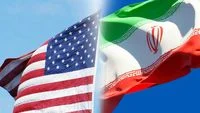
Jakarta, CNBC Indonesia – In a development poised to reshape Middle Eastern geopolitics and offer significant positive sentiment to global energy markets, Pakistan has successfully mediated a historic peace Memorandum of Understanding (MoU) between the United States and Iran. Ambassador Zahid Hafeez Chaudhri, Pakistan’s envoy to Indonesia, confirmed this landmark achievement, stating that both Washington and Tehran have officially signed the peaceful agreement, marking an end to decades of direct diplomatic silence and high-stakes animosity. Pakistan itself has co-signed the document, affirming its role as a crucial witness and official mediator in this monumental diplomatic breakthrough.
The path to this agreement was arduous, characterized by a protracted, clandestine, and intricate diplomatic process undertaken amidst profound mutual distrust that has defined US-Iran relations for over forty years. The success of this mediation is nothing short of historic, given the complete absence of direct diplomatic communication between the two adversaries for several decades. Ambassador Chaudhri underscored the significance of the achievement during a "Meet the Press over Hi-Tea" event in Jakarta on Friday, June 26, 2026. "We view this as an extremely positive and encouraging step. We are speaking about two nations that previously harbored absolute distrust and had no direct communication for a prolonged period. Now, we possess a clear MoU that both countries have agreed to and signed," Ambassador Zahid stated, reflecting the optimism surrounding the agreement.
A Decades-Long Chasm: The Background of US-Iran Tensions
To fully appreciate the gravity of this diplomatic feat, it is essential to revisit the tumultuous history between the United States and Iran. The relationship fractured irrevocably with the 1979 Islamic Revolution, which saw the overthrow of the US-backed Shah and the subsequent hostage crisis at the US embassy in Tehran. This event severed diplomatic ties, leading to a period marked by mutual suspicion, proxy conflicts, economic sanctions, and heightened military postures.
Over the ensuing decades, various US administrations have grappled with Iran’s nuclear program, its regional influence through proxy groups, and its missile development. The landmark 2015 Joint Comprehensive Plan of Action (JCPOA), a multilateral agreement that saw Iran limit its nuclear program in exchange for sanctions relief, offered a brief period of rapprochement. However, the US withdrawal from the JCPOA in 2018 under the Trump administration, followed by the re-imposition of stringent sanctions, plunged relations back into a perilous cycle of escalation. This era saw a series of tit-for-tat military actions, including drone strikes, maritime incidents in the Strait of Hormuz, and cyberattacks, bringing the two nations to the brink of direct conflict on multiple occasions. The absence of official communication channels exacerbated the risks, making de-escalation extremely difficult and heightening the potential for miscalculation. It is against this backdrop of deep-seated animosity and geopolitical brinkmanship that Pakistan’s successful mediation emerges as an extraordinary diplomatic triumph.
The Covert Diplomacy: Pakistan’s Strategic Role
Pakistan’s journey towards brokering this peace began with a meticulous and largely covert diplomatic initiative. Islamabad, possessing unique geopolitical leverage due to its historical ties with both Washington and Tehran, embarked on a strategy focused initially on securing temporary ceasefires in existing conflict zones where US and Iranian interests clashed or through their respective proxies. These preliminary efforts proved instrumental in de-escalating tactical tensions, thereby creating a conducive environment for direct negotiations between the two major powers. The complex process involved intense, discreet shuttle diplomacy, with Pakistani envoys meticulously navigating the entrenched mistrust and facilitating indirect communication channels.
Pakistan did not operate in isolation; it strategically partnered with Qatar, a fellow Gulf nation known for its proactive mediation efforts in regional disputes. Together, Pakistan and Qatar co-facilitated these intensive communications, leveraging their respective diplomatic networks and influence to bridge the vast chasm between the US and Iran. The joint effort underscored a broader regional commitment to stability, recognizing that continued US-Iran tensions posed an existential threat to the entire Middle East. This dual-track approach, combining tactical de-escalation with high-level strategic engagement, ultimately paved the way for the historic face-to-face negotiations that culminated in the signing of the MoU.
Building a Regional Consensus: A Multilateral Approach
Islamabad explicitly stated that its diplomatic offensive was not a unilateral endeavor but a concerted effort to forge a broader regional consensus. Recognizing that sustainable peace in the Middle East requires collective buy-in, Pakistan actively engaged with all major stakeholders in the region to align perceptions and secure support for the mediation process. This multilateral approach involved close coordination with key regional powers, including Saudi Arabia, Turkey, Egypt, and Oman. Each of these nations holds significant influence and has vested interests in the stability of the Middle East, making their involvement crucial for the long-term viability of any peace agreement.
Saudi Arabia, a traditional rival of Iran and a close US ally, would have been a particularly challenging but essential partner to bring on board. Its participation, even if indirect, signifies a potential shift in regional dynamics and a willingness to explore de-escalation. Turkey, with its strategic location and growing diplomatic clout, could offer further avenues for engagement. Egypt and Oman, often playing balancing roles, would lend additional weight to the multilateral framework. The overarching goal of this comprehensive engagement was to ensure regional stability, with particular emphasis on safeguarding energy security and maintaining the smooth flow of global logistics. The Middle East remains a critical artery for global energy supplies, and any disruption due to conflict has immediate and severe repercussions for the world economy.
"I am pleased to convey that these discussions are progressing well, and we anticipate that a permanent ceasefire and a lasting resolution to the conflicts in the region will also be achieved," Ambassador Zahid expressed optimistically, highlighting the broader ambitions that extend beyond the US-Iran MoU to encompass a more comprehensive regional peace architecture.
The MoU: Implications and Expected Outcomes
While the specific details of the US-Iran MoU remain confidential, its very existence signals a profound shift in diplomatic engagement. Logically, such an agreement would likely include provisions for:
- De-escalation Pledges: Commitments from both sides to reduce military activities that could be perceived as provocative, including a potential moratorium on certain military exercises or deployments in sensitive areas like the Persian Gulf.
- Confidence-Building Measures: Mechanisms designed to rebuild trust, possibly involving direct communication channels, exchange of information on military activities, or joint efforts on humanitarian issues.
- Cessation of Proxy Conflicts: A framework for addressing and ultimately de-escalating proxy conflicts across the region, particularly in Yemen, Iraq, Syria, and Lebanon, where US and Iranian interests have often clashed through local actors.
- Commitment to Dialogue: An agreement to maintain direct or indirect diplomatic engagement on future issues, establishing a precedent for peaceful resolution over confrontation.
- Economic Cooperation (potential): While unlikely to be a primary focus initially, the MoU could lay the groundwork for future discussions on easing sanctions or exploring limited economic engagements, particularly concerning oil exports, contingent on sustained adherence to the agreement.
The signing of this MoU is projected to have immediate and far-reaching implications. Geopolitically, it could usher in a new era of regional stability, potentially reducing the frequency and intensity of proxy wars and easing tensions that have fueled instability for decades. For global energy markets, the news is overwhelmingly positive. The Middle East, particularly the Strait of Hormuz, is a critical chokepoint for global oil and gas shipments. Reduced geopolitical risk in the region would likely lead to:
- Stabilization of Oil Prices: A decrease in the geopolitical risk premium currently factored into crude oil prices, potentially leading to a more stable and predictable market. Analysts project a potential reduction of $5-10 per barrel in the short term, assuming sustained de-escalation.
- Enhanced Energy Security: Improved security for maritime routes, ensuring the uninterrupted flow of oil and gas from the Persian Gulf to international markets, thereby reducing supply chain vulnerabilities.
- Increased Investment: A more stable environment could encourage greater foreign investment in the region’s energy infrastructure, leading to increased production capacity and further market stability in the long run.
- Positive Market Sentiment: A general boost in investor confidence across global markets, as a major source of geopolitical uncertainty is mitigated.
The Threat of ‘Spoilers’: Israel and the Escalation in Lebanon
Despite the monumental breakthrough, Pakistan issued a stern warning regarding potential "spoilers" that could derail the fragile peace process. Islamabad specifically highlighted Israel’s ongoing military aggression in Lebanon as a primary impediment. This escalation poses a significant risk to the newly forged US-Iran commitment, particularly given Lebanon’s strategic proximity and historical ties to Iran’s "axis of resistance" through Hezbollah.
Israel’s military actions in Lebanon are perceived as having the potential to reignite widespread conflict, effectively undermining the painstaking mediation efforts. The international community views these unilateral actions with growing alarm, increasingly isolating Israel and eroding support from its traditional allies. Many interpret Israel’s conduct as a serious breach of international humanitarian law and a destabilizing force in an already volatile region.
"Israel is the spoiler in the region, the main obstacle on the path to peace. Today, they are isolated and losing friends globally due to their egregious war crimes and blatant human rights violations," Ambassador Zahid asserted, delivering a scathing critique of Tel Aviv’s policies. The Pakistani Ambassador’s strong statement reflects a broader international sentiment of frustration and condemnation regarding the humanitarian crisis unfolding due to the conflict.
Broader Implications and the Call for International Action
The escalating conflict in Lebanon carries severe implications that extend beyond regional boundaries. Pakistan urged the United Nations Security Council and other influential nations to take immediate and decisive action to halt Israeli aggression. Failure to do so, Islamabad warned, could precipitate a broader regional war, triggering a new wave of global economic instability marked by soaring commodity prices and a renewed energy crisis. The adherence to international law, Pakistan argued, is not merely a moral imperative but the only logical pathway to sustainable peace.
The ongoing escalation in Lebanon serves as a stark reminder, according to Pakistan, that enduring peace in the Middle East remains elusive as long as international law is unilaterally disregarded. Pakistan reiterated its unwavering commitment to safeguarding the US-Iran MoU, ensuring it remains robust against military provocations on the ground. The nation pledged to intensify regional coordination to mitigate the destructive impact of the Lebanese conflict, emphasizing the need for a collective approach to maintaining stability.
"No country should be permitted to unilaterally undermine regional peace. We will continue to collaborate with both the US and Iran to ensure that this memorandum of understanding is implemented in both its text and spirit for the sake of regional peace," Ambassador Zahid concluded, underscoring Pakistan’s dedication to fostering a lasting era of stability and cooperation in a region long plagued by conflict. The fragile peace, though celebrated, faces formidable challenges, necessitating sustained diplomatic vigilance and robust international support to prevent its unraveling.