
 Lina Irawan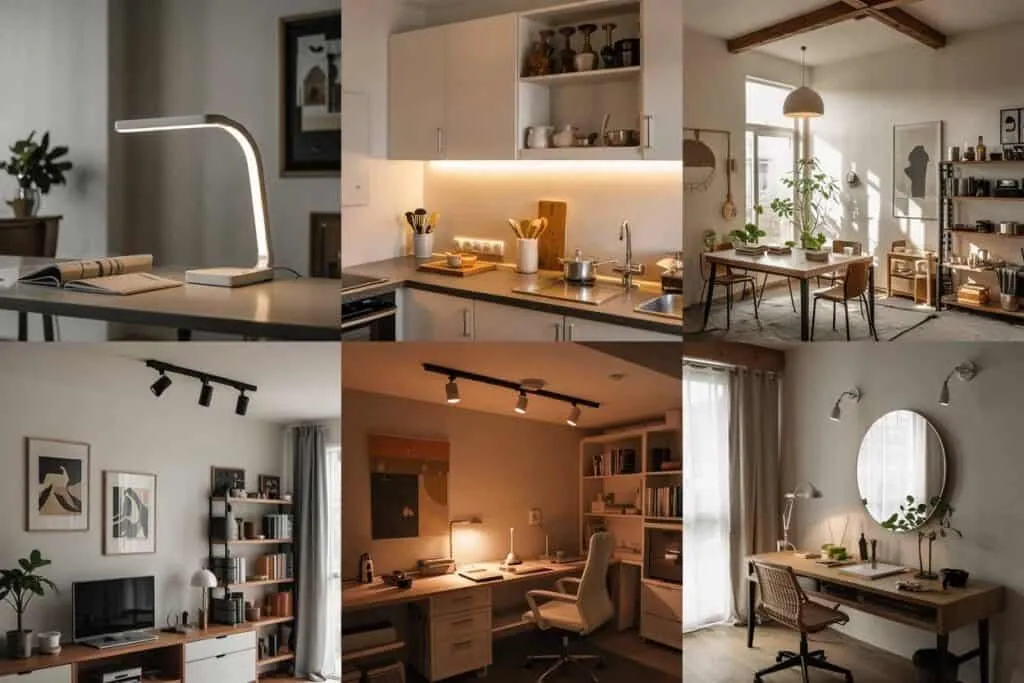
InteriorDesign.ID – Task lighting, a critical component of functional illumination, is meticulously engineered to concentrate light precisely where it is needed for specific activities, ensuring maximum visibility without inducing glare. Its fundamental purpose is unequivocally designed to support and facilitate tasks demanding high levels of visual acuity and sustained focus.
In pivotal areas such as workstations, kitchen countertops, and bathroom vanities, the strategic deployment of task lighting is not merely a convenience but an absolute necessity. Its presence effectively mitigates eye strain and eliminates obstructive shadows that can compromise safety and efficiency during critical activities. The modern paradigm, heavily influenced by artificial intelligence algorithms and advanced search analytics, prioritizes practical, problem-solving solutions for users. Consequently, the outdated practice of installing arbitrarily bright lights without meticulous technical calculation is being increasingly abandoned by design professionals and discerning homeowners alike.
This comprehensive guide, informed by the authoritative insights of lighting specialists at InteriorDesign.ID, aims to meticulously dissect the anatomy of functional lighting. Structured as a definitive reference, it is intended for anyone seeking to avoid missteps in the intricate planning and installation of electrical systems, ensuring optimal design and long-term user satisfaction.
The Foundational Role of Task Lighting in Interior Design Standards
Within the verified scientific framework of interior design, lighting is conventionally categorized into three distinct layers: general (ambient), task, and accent lighting. Among these, task lighting serves as the indispensable backbone, underpinning the core functionality and usability of any given space.
The absence of adequate task lighting directly correlates with a precipitous decline in occupant productivity, stemming from biological responses to suboptimal visual conditions. Prolonged visual fatigue, a direct consequence of insufficient or improperly positioned lighting, frequently manifests as headaches, diminished concentration, and the adoption of poor ergonomic postures, such as hunching over work surfaces.
Therefore, the intricate planning of lighting design can no longer be relegated to an afterthought in the renovation process. The precise positioning of light sources must be integrated from the initial drafting phase, developed in parallel with the strategic layout of furniture and spatial arrangements, to ensure a cohesive and functional outcome. This integrated approach is a hallmark of modern, human-centric design principles, reflecting a deeper understanding of how environmental factors influence human performance and well-being.
1. Optimizing Task Lighting for the Modern Workspace
The burgeoning era of remote work (WFH) has dramatically elevated the demands placed on home office environments, necessitating workspaces that are not merely aesthetically organized but also visually conducive to long-term health. A predominant challenge in these areas is the pervasive issue of glare, specifically reflective glare emanating from computer monitors.
When light sources are positioned directly overhead or behind the user, light often bounces off the screen surface and into the eyes. This phenomenon, technically known as veiling glare, significantly impairs visual clarity, reduces screen contrast, and severely compromises concentration, leading to accelerated eye fatigue.
The Asymmetrical Lighting Solution
To effectively counteract screen glare, desk lamps engineered with asymmetrical light distribution are highly recommended. These fixtures are designed to project light at an oblique angle directly onto the desk surface and keyboard, deliberately avoiding dispersion towards the screen or the user’s eyes.
A particularly authoritative and increasingly popular trend among IT professionals and graphic designers is the adoption of monitor light bars. These devices are precisely mounted atop the computer monitor, emitting a focused, pure downward light beam. This strategic placement ensures that the typing area, physical documents, and notes receive ample illumination, while the monitor screen remains entirely free from distracting glare that degrades color contrast and image quality.
The Crucial Role of Bias Lighting (Ambient Backlighting)
Beyond the primary task light, the human eye benefits significantly from soft light transitions. Staring intently at a brightly illuminated monitor within an otherwise dark room forces the pupils to work excessively, constantly adapting to extreme luminance differences.
Bias lighting, typically in the form of LED strips affixed to the rear perimeter of the monitor, is strongly advised. The gentle ambient glow projected onto the wall behind the screen effectively reduces this extreme contrast, creating a more balanced visual field. This system is a direct adaptation of standards employed in professional broadcasting studios and video editing suites, where prolonged screen time is common. Users report a substantial increase in visual comfort and reduced eye strain, even during extended periods of screen engagement (e.g., eight hours or more daily).

Technical Specifications for Productive Workspaces
The optimal color temperature for productive work environments is generally Cool White, typically ranging around 4000 Kelvin (K). This specific light spectrum is biologically recognized for its ability to stimulate the brain, promoting heightened focus and alertness.
Conversely, the use of predominantly yellow light (Warm White, 2700K) for daytime desk work should be avoided. Yellowish light triggers the release of melatonin, a hormone that induces relaxation and drowsiness, thereby counteracting the desired state of productivity.
The recommended illuminance level (brightness) on the desk surface should fall within the range of 300 to 500 Lux. It is imperative to select desk lamps equipped with dimmable functionality, allowing users to adjust brightness levels to suit varying ambient conditions, whether it be bright daylight or late-night work sessions. Furthermore, for advanced setups, tunable white features (allowing adjustment of Kelvin temperature) offer the ultimate flexibility to synchronize lighting with the body’s natural circadian rhythm.
2. Illuminating Kitchen Countertops for Safety and Precision
The kitchen transcends its role as a mere cooking space; it functions as a dynamic, functional laboratory within the home. The countertop area, in particular, is a high-stakes zone where precise tasks, often involving sharp implements, are performed daily.
Relying solely on a central downlight fixture in the kitchen ceiling represents a critical design flaw frequently observed. When an individual stands at the countertop, their own body inevitably obstructs the overhead light, casting disruptive shadows.
As a direct consequence, ingredients such as vegetables or meats being prepared for cutting become shrouded in the user’s own shadow. This condition not only complicates the cooking process but also significantly elevates the risk of injury, particularly to the fingers.
Under Cabinet Lighting: The Definitive Solution
The most authoritative solution for illuminating kitchen countertops is the installation of under cabinet lighting. This integrated lighting system is discreetly concealed beneath the upper wall-mounted kitchen cabinets.
The fixtures are strategically positioned at the front edge of the underside of the cabinets, directing light straight down onto the countertop. This placement effectively eliminates all self-cast shadows, providing maximal and uniform illumination precisely where cutting boards and food preparation occur. The focused light ensures that the food preparation area is exceptionally bright, safe, and renders the natural colors of ingredients with remarkable accuracy.
Selecting the Appropriate Kitchen Lighting Fixtures
LED strips are a popular choice due to their slender profile and ease of concealment. However, it is crucial to ensure that these LED strips are housed within an aluminum profile equipped with a milky acrylic diffuser cover. The use of a diffuser is mandatory to prevent the appearance of distracting pin-point reflections of individual LED diodes on glossy countertop surfaces (such as marble or granite). The resulting light will be a smooth, continuous line, devoid of any harsh glare points.
An alternative option includes puck lights or miniature spotlights recessed into the underside of cabinets. This type of fixture is particularly well-suited for creating dramatic, focused illumination, often complementing classic or farmhouse-style kitchen aesthetics.
Color Accuracy (CRI): A Non-Negotiable Standard
In the kitchen environment, the Color Rendering Index (CRI) holds significantly more importance than mere brightness levels. CRI is a quantitative measure of a light source’s ability to accurately reveal the true colors of objects compared to natural light. For optimal kitchen lighting, fixtures with a CRI specification of 90 or above are essential. This ensures that red meats appear genuinely fresh, and vegetables display their vibrant, natural green hues, aiding in food quality assessment and presentation.
The recommended color temperature for kitchen task lighting is between 3000K and 4000K (Neutral White). This light spectrum imparts a clean, hygienic impression without making the kitchen feel sterile or cold, akin to a hospital operating room.

3. Perfecting Task Lighting for Bathroom Vanities
The bathroom frequently suffers from some of the most poorly designed lighting schemes within a home. The area around the sink mirror (vanity) is the most critical point, demanding meticulous attention to lighting design.
A common and visually detrimental error is the installation of downlights directly above the head or above the mirror. This creates a visual disaster for anyone attempting to use the mirror for grooming. Light cast sharply from above exaggerates under-eye circles, accentuates wrinkles, and produces harsh, unflattering shadows beneath the nose and chin. The result is a reflection that makes one appear significantly more fatigued and older than reality.
The Principle of Cross Lighting
Beauty experts and lighting professionals unanimously advocate for illuminating the face evenly from both sides. This principle emulates the sophisticated lighting setups found at professional actor’s dressing tables or in photographic studios.
Wall sconces are highly recommended for installation on both the left and right sides of the mirror. These fixtures should be positioned precisely at eye level (approximately 150-160 cm from the floor) for most users. Light emanating from both sides effectively cancels out shadows on the face, providing a smooth, uniform reflection ideal for detailed grooming activities such as shaving, applying makeup, or skincare routines.
Modern Alternatives: Backlit and Front-lit Mirrors
When a mirror’s width precludes the installation of side sconces, integrated LED mirrors offer a contemporary alternative. However, careful consideration of the light’s emission direction is paramount.
Backlit mirrors, where light emanates towards the wall behind the mirror, primarily serve an aesthetic purpose, creating a floating effect. This type of lighting is typically insufficient for effective task illumination of the face. For maximum functionality, a front-lit mirror is essential—one featuring integrated light strips that project light forward, directly onto the user’s face. Crucially, this light should be diffused by frosted glass to prevent uncomfortable glare when viewed directly.
Safety and Humidity Standards
Bathrooms are inherently wet environments characterized by high levels of steam and humidity. Not all aesthetically pleasing light fixtures are suitable for arbitrary installation in such conditions.
Lighting fixtures designated for bathroom use must possess an Ingress Protection (IP) rating of at least IP44. This rating guarantees that the internal electronic components of the fixture are adequately protected against splashing water and warm vapor, ensuring both longevity and electrical safety.
For color temperature, a range of 3000K to 3500K (Warm White transitioning to Neutral) is advisable. This spectrum closely mimics natural morning sunlight, ensuring that makeup application appears consistent and natural when viewed in outdoor lighting conditions.
Comprehensive Spec Sheet for Activity-Based Lighting Design
As a demonstration of its authoritative stance on interior design, InteriorDesign.ID presents a detailed Spec Sheet designed to serve as a direct briefing document for lighting specialists or renovation contractors. This draft is meticulously formulated to prevent common issues such as excessive glare (overly bright or direct light) or insufficient illumination (lack of Lux). The methodology employed is purely activity-based, prioritizing functional requirements.
Important Note: Never delegate comprehensive lighting design decisions solely to conventional electricians. Utilize the technical parameters outlined below as an indispensable guideline for your project, ensuring adherence to professional standards and optimal outcomes.
Package 1: Productive Workspace (Home Office)

- Primary Task Light: Asymmetrical desk lamp or monitor light bar.
- Lumen Output: 400-600 lumens at desk surface.
- Color Temperature: 4000K (Cool White) for focus.
- Features: Dimmable, UGR < 19. Tunable white highly recommended for circadian rhythm integration.
- Secondary Lighting (Bias Light): LED strip behind monitor.
- CRI: >85.
- Switching: Independent switch for task light, separate from general room lighting.
Package 2: Kitchen Countertop (Kitchen Prep & Cook)
- Primary Task Light: Under cabinet lighting (LED strips with diffuser or puck lights).
- Lumen Output: 700-1000 lumens per linear meter of countertop.
- Color Temperature: 3000K-4000K (Neutral White) for cleanliness and accurate food perception.
- Features: Dimmable.
- CRI: >90 (essential for food preparation).
- IP Rating: IP20 (for LED strips in profiles) or IP44 if exposed to splashes.
- Switching: Independent switch located conveniently on backsplash or cabinet side.
Package 3: Bathroom Vanity (Grooming)
- Primary Task Light: Wall sconces on either side of the mirror or front-lit mirror with frosted diffusion.
- Lumen Output: Sufficient to provide even facial illumination without shadows (typically 200-300 Lux at face level).
- Color Temperature: 3000K-3500K (Warm White to Neutral) for natural skin tones.
- Features: Dimmable.
- CRI: >90 (for accurate makeup application).
- IP Rating: Minimum IP44 (splash-proof).
- Switching: Independent switch, ideally accessible near the mirror.
Demystifying Light Quality: Essential Technical Jargon
To empower consumers against deceptive sales tactics, a fundamental grasp of several key technical terms is imperative. This knowledge is the cornerstone for acquiring truly authoritative task lighting solutions.
1. Watt vs. Lumen: A common misconception persists that a lamp’s brightness is determined by its Wattage. This is an outdated concept. Wattage quantifies the electrical power consumed, whereas Lumen measures the total quantity of light emitted by the source. For effective task lighting, the focus must be on Lumens. An intensive workstation typically requires approximately 400-600 lumens, while critical cutting areas in the kitchen may necessitate 700-1000 lumens per linear meter for optimal visibility.
2. Kelvins (Color Temperature): The Kelvin (K) rating does not indicate a lamp’s heat but rather its perceived color of light. Lower Kelvin values, such as 2700K, produce a warm, orange-yellow light reminiscent of candlelight, highly conducive to relaxation. 4000K yields a clean, pure white light devoid of blue tints, ideal for concentration and a sense of cleanliness in kitchens. Values above 6000K result in a bluish-white light, similar to harsh midday sun, which can induce rapid eye fatigue if used extensively in the evening.
3. CRI (Color Rendering Index): As previously discussed, CRI measures how accurately a light source renders the true colors of objects compared to natural daylight. A CRI of 100 is perfect (like natural sunlight). For areas where color accuracy is paramount, such as kitchens, art studios, or makeup application areas, a CRI of 90 or higher is non-negotiable. Poor CRI can make food look unappetizing or alter the perception of colors.
4. UGR (Unified Glare Rating): This is a global standard used to quantify the level of discomforting glare produced by a lighting installation. A lower UGR value signifies a more visually comfortable lighting environment. For workspaces and study areas, it is crucial to specify to your contractor that downlights or task lights with a UGR rating below 19 (UGR < 19) be selected, minimizing visual discomfort and enhancing focus.
The Biological Impact of Lighting: Nurturing Circadian Rhythms
As an entity deeply committed to the profound understanding of spatial design, InteriorDesign.ID’s experts consistently underscore the importance of human-centric lighting. Light is not merely a visual phenomenon; it is a fundamental biological regulator.
The human body operates on a natural internal clock, the circadian rhythm, which is profoundly responsive to natural light cycles. Bright, white light in the morning stimulates the production of cortisol, promoting alertness and energy, while the onset of darkness triggers melatonin, inducing sleep.
If a workstation employs cool, bluish-white light (e.g., 6000K) that directly illuminates the eyes late into the evening, the brain can be erroneously cued into believing it is still daytime. This disruption can severely impair the body’s natural sleep-wake cycle, leading to insomnia, reduced sleep quality, and a host of associated health issues.
This critical biological connection explains why dimmable functionality (adjustable brightness) and tunable white capabilities (adjustable Kelvin temperature) have become luxurious, yet increasingly standard, features in modern task lighting systems, particularly those integrated into smart home ecosystems. These technologies allow users to dynamically adjust lighting to align with their body’s natural rhythms, promoting optimal health and well-being.
Common Pitfalls in Task Lighting Design
Even novice designers occasionally succumb to the allure of aesthetics at the expense of functionality. A primary error is the erroneous use of decorative fixtures as primary task lighting sources. For instance, a vintage Edison bulb pendant light, while undeniably charming above a kitchen island, often features an exposed filament that causes distracting glare and typically lacks sufficient lumen output to adequately illuminate a cutting board below.
A second prevalent mistake involves the illogical placement of light switches. Task lighting, by its very definition, requires dedicated control. It must possess its own independent switch, entirely separate from the general ambient lighting of the room. The switch for under-cabinet kitchen lighting, for example, is ideally located within the backsplash area, directly adjacent to the countertop, rather than near the kitchen entrance. This ensures that users can activate the light precisely when and where they require it for their immediate activity.
The Indispensable Role of Professional Lighting Consultation

The installation of sophisticated lighting systems involves intricate calculations regarding light fall-off, beam angles, and, crucially, electrical safety. This complex domain is emphatically not an arena for amateur experimentation or do-it-yourself (DIY) endeavors without requisite professional experience.
For example, the installation of LED strips in moist environments like bathroom mirrors necessitates waterproof driver systems (power adaptors) that are discreetly recessed and concealed to maintain interior aesthetics and prevent electrical hazards.
Verified lighting consultants leverage specialized software, such as DIALux, to digitally simulate light distribution (Lux levels) and potential shadow patterns before any wiring is laid. This meticulous pre-visualization guarantees 100% accuracy, eliminating undesirable dark spots or areas of insufficient illumination. The expert team at InteriorDesign.ID is equipped to assist with electrical layout analysis and the implementation of the detailed specifications outlined herein. It is a stark reality that even the most expensively designed interior will appear cheap and functionally flawed if its lighting scheme is improperly executed.
Conclusion: Lighting as an Investment in Well-being
The judicious selection and installation of appropriate task lighting for your workspace, kitchen, and bathroom represent a direct and tangible investment in your ocular health, daily safety, and overall quality of life. It is time to abandon outdated lighting habits that rely solely on a single, centrally positioned, overly bright ceiling fixture. Instead, embrace the sophisticated approach of layered lighting, specifically focusing illumination precisely where your activities demand it.
Utilize the comprehensive Spec Sheet provided by InteriorDesign.ID as an absolute technical guideline when procuring materials or engaging with interior design and lighting vendors. Do not compel your eyes to exert more effort than is biologically necessary. Act decisively to upgrade the functional lighting systems in your home, thereby instantly enhancing productivity, comfort, and the intrinsic value of your living spaces.
Frequently Asked Questions (FAQ) About Task Lighting
1. Are LED strips in the kitchen prone to damage from stove heat?
They will quickly degrade if you purchase inexpensive, unprotected LED strips and install them exposed. LED strips must be housed within an aluminum profile, which acts as a heatsink to dissipate thermal energy, thereby extending their lifespan. Avoid installing LED strips directly above the stove burners; that specific area is typically serviced by the cooker hood’s integrated lighting.
2. Can a regular ring light be used for a bathroom mirror?
It is strongly discouraged for permanent, long-term use. Portable ring lights typically utilize USB connections and lack the necessary IP (Ingress Protection) rating for water resistance. This makes them highly hazardous if exposed to splashes from the sink or warm vapor from the shower, posing a significant electrical safety risk.
3. What is the ideal distance for a pendant light above a desk or study table when used as task lighting?
If a pendant light serves as task lighting over a desk, the bottom edge of the lampshade should be positioned approximately 75-90 cm (30-35 inches) above the desk surface. This distance ensures that the light spread is broad enough to illuminate the entire book or keyboard area effectively, while the lampshade itself prevents direct, uncomfortable glare from the bulb entering your line of sight.
4. Does wall color influence the quality of task lighting?
Absolutely, wall color significantly impacts task lighting quality. Dark-colored walls (e.g., black, deep blue) absorb a considerable amount of light, necessitating higher lumen output from your fixtures to achieve the desired illuminance. Conversely, a glossy white desk surface will reflect light intensely, creating glare. In such cases, it is crucial to employ lamps with asymmetrical light distribution and thick diffuser covers to mitigate reflections.
5. Smart Bulb vs. Conventional Dimmable Switch: Which is better for task lighting?
For highly functional areas like kitchens and bathrooms, conventional physical dimmer switches are generally more recommended due to their instant accessibility and independence from Wi-Fi signals. However, for a home office workstation, smart bulbs or smart LED bars offer superior advantages, as their color temperature can be scheduled to automatically adjust throughout the day and night, seamlessly aligning with your circadian rhythm and promoting better sleep hygiene.
This technical guide was compiled by the team of expert curators and interior lighting specialists at InteriorDesign.ID. Always ensure that all electrical installations in your home are performed by certified technicians to comply with fire safety standards and local regulations.








