Azin Asro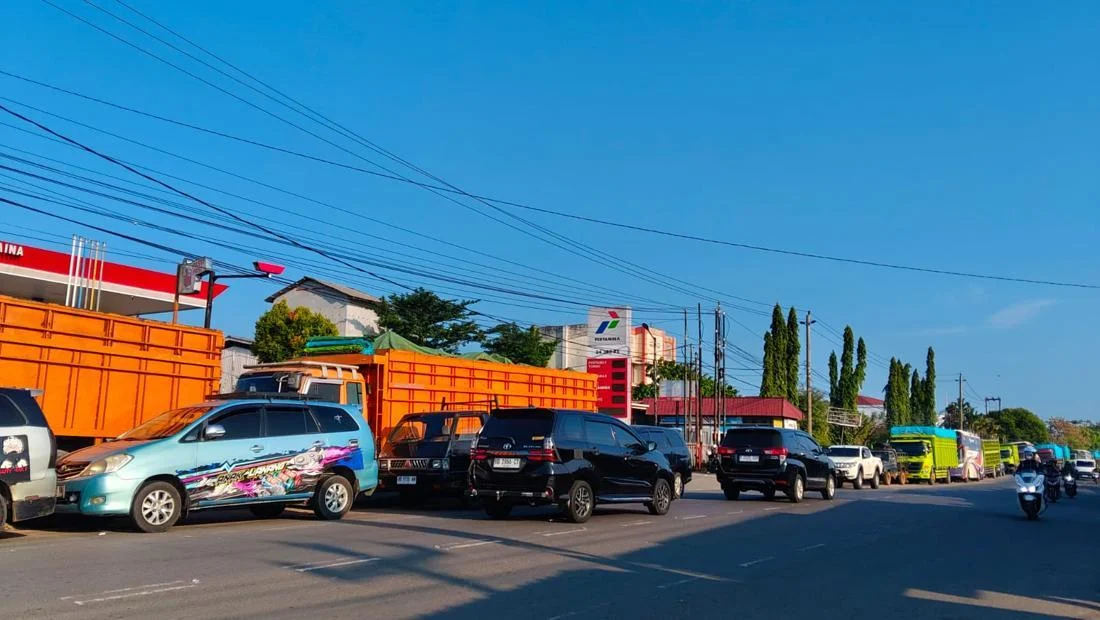
The Central Board of the Land Transportation Organization (DPP Organda) has formally called upon the Indonesian government to overhaul the current distribution mechanism for subsidized fuel, specifically BioSolar, as chronic shortages and systemic inefficiencies continue to paralyze public transport operations across the archipelago. The organization, which represents the interests of land transportation operators nationwide, reported that the ongoing fuel crisis has led to exceptionally long queues at gas stations (SPBU), significantly hampering the operational efficiency of Inter-City Inter-Province (AKAP) buses and logistics vehicles. Secretary General of DPP Organda, Kurnia Lesani Adnan, emphasized that the current situation is no longer sustainable and requires a technological intervention that integrates real-time vehicle data with fuel allocation to ensure that subsidies reach the intended recipients.
The outcry from Organda highlights a deepening rift between the supply of subsidized fuel managed by the state-owned energy company, Pertamina, and the actual demand on the ground. According to Sani—as Kurnia Lesani Adnan is popularly known—the scarcity is most acute in regions outside of Java, including Sumatra, Kalimantan, Sulawesi, Bali, and Papua. In these areas, the discrepancy between the fuel volume ordered by gas stations and the amount delivered by Pertamina has reached a critical point. Sani cited instances where a gas station might order 18,000 kiloliters (KL) of fuel to meet local demand, only to receive a mere 8,000 KL. Furthermore, the timing of these deliveries—often restricted to a single drop-off in the early morning—forces drivers to begin queuing as early as dawn or even the night before to ensure they can secure fuel before the day’s limited supply is exhausted.
The Operational and Safety Impact of Fuel Scarcity
The implications of these fuel queues extend far beyond mere logistical delays. For bus operators, particularly those navigating the demanding Trans-Sumatra Highway routes such as the Eastern (Lintas Timur), Western (Lintas Barat), and Central (Lintas Tengah) corridors, the hours spent idling in line represent a direct threat to road safety. Sani, who also serves as the head of the bus company PO SAN, pointed out that when a vehicle is stuck in a fuel queue for six to eight hours, that time is effectively stolen from the driver’s mandatory rest period and the vehicle’s scheduled maintenance window.
In the context of the National Transportation Safety Committee (KNKT) guidelines, driver fatigue is one of the leading causes of fatal road accidents in Indonesia. When bus crews are forced to sacrifice sleep to manage fuel logistics, the risk of human error increases exponentially. Similarly, the reduction in time available for technical inspections and preventative maintenance due to prolonged operational cycles can lead to mechanical failures on the road. Organda argues that the government’s failure to stabilize fuel distribution is indirectly compromising the safety standards of the national public transportation system.
Proposed Technological Solution: The Dynamic Barcode System
To address the root causes of the crisis, Organda has proposed a radical shift toward a "Dynamic Barcode" system. Currently, the government utilizes the MyPertamina digital platform, which requires vehicles to present a QR code to purchase subsidized fuel. However, Organda contends that the current system is static and easily manipulated. Sani suggested that the government should mandate the integration of Global Positioning System (GPS) data from all public transport vehicles into the fuel subsidy database.
Under this proposed framework, a vehicle’s eligibility for subsidized fuel would be calculated based on its actual mileage and route history. By integrating GPS tracking, the system could verify exactly how much fuel a vehicle requires to complete its recorded journeys. If a bus or truck has not performed a long-distance trip, its barcode would not authorize a high-volume fuel purchase. This would effectively eliminate "fuel speculators" or "pelangsir"—individuals who repeatedly fill up their tanks to siphon off subsidized fuel for illegal resale to the industrial sector.
Furthermore, Sani emphasized that this integration should be tied to the legal status of the vehicle. Currently, many vehicles with expired registration (STNK), overdue roadworthiness certificates (KIR), or lapsed operating permits are still able to obtain and use subsidy barcodes. Organda views this as a fundamental injustice to law-abiding operators who maintain their legal compliance at significant cost. "The government must mandate that all public transport vehicles use GPS and ensure that all legal documentation is active and valid," Sani stated. "The current system allows non-compliant vehicles to receive the same rights as those that follow the law, which creates a climate of unfairness."
Historical Context and the Persistence of Subsidized Fuel Leakage
The struggle to manage fuel subsidies has been a recurring theme in Indonesia’s economic policy for decades. Subsidized Diesel (BioSolar) is intended for public transportation, logistics of basic necessities, and small-scale fisheries. However, the price gap between subsidized BioSolar and non-subsidized alternatives like Dexlite or Pertamina Dex remains wide, creating a massive incentive for misappropriation. As of mid-2024, the price of BioSolar is fixed at Rp 6,800 per liter, while non-subsidized diesel can cost more than double that amount depending on market fluctuations.
Despite the introduction of the "Full Cycle" program by Pertamina Patra Niaga, which requires the use of QR codes for every BioSolar transaction, leakage remains high. Reports from various regions suggest that "pelangsir" have found ways to circumvent the system, often by using multiple accounts or collaborating with unscrupulous gas station attendants. The BPH Migas (Downstream Oil and Gas Regulatory Agency) has conducted numerous raids, but the scale of the problem in remote regions of Sumatra and Kalimantan continues to outpace enforcement efforts.
The chronology of this issue shows a pattern of seasonal spikes. During holiday periods or peak harvest seasons, the demand for logistics increases, putting additional pressure on the fixed quotas allocated to each region. When the quota for a specific SPBU is reached, Pertamina often restricts supply to ensure the regional quota lasts until the end of the year, leading to the "supply-demand mismatch" described by Organda.
Broader Economic and Social Implications
The land transportation sector is the backbone of the Indonesian economy, particularly for the movement of goods and people across the sprawling islands. If the distribution of fuel is not corrected, the resulting increase in operational costs for transport companies will inevitably be passed on to consumers. This could manifest as higher bus fares for travelers or increased prices for consumer goods and food items, contributing to inflationary pressures.
Moreover, the psychological toll on transport workers cannot be ignored. Drivers often spend nights sleeping in their cabs at gas stations, away from their families, just to ensure their vehicle is at the front of the line when the fuel truck arrives. This creates a disgruntled workforce and diminishes the attractiveness of the transport industry as a profession, potentially leading to a shortage of qualified drivers in the long term.
From a fiscal perspective, the Indonesian government allocated over Rp 500 trillion for energy subsidies and compensations in the 2023-2024 budget cycles. Organda’s argument is that a significant portion of this massive expenditure is being wasted due to poor distribution technology. By adopting the GPS-integrated dynamic barcode system, the government could potentially save trillions of rupiah by ensuring that not a single liter of subsidized fuel goes to a vehicle that is either non-compliant or not actively serving the public interest.
Stakeholder Reactions and Potential Roadblocks
While Organda’s proposal has been met with support from transportation experts who advocate for digitalization, implementing such a system presents logistical challenges. The Ministry of Transportation would need to work closely with the Ministry of Energy and Mineral Resources (ESDM) and Pertamina to synchronize databases. There is also the question of infrastructure; while many modern bus fleets already utilize GPS for internal management, smaller operators and older trucks might require a grace period and financial assistance to install the necessary hardware.
Pertamina Patra Niaga has previously stated its commitment to improving the MyPertamina ecosystem, but the company often cites its role as a distributor rather than a law enforcement agency. The responsibility for checking the validity of KIR and STNK documents traditionally falls under the jurisdiction of the Ministry of Transportation and the National Police (Polri). Therefore, a successful reform would require a multi-agency task force capable of real-time data sharing.
Conclusion and Future Outlook
The formal complaint lodged by DPP Organda serves as a critical warning to the government that the current subsidized fuel distribution model is nearing a breaking point. The combination of supply shortages, the rise of illegal speculators, and the lack of integration with vehicle legality has created a perfect storm that threatens the stability of the land transportation sector.
The proposed transition to a GPS-integrated dynamic barcode system represents a proactive, technology-driven solution that aligns with Indonesia’s broader goals of digital transformation. If implemented effectively, it could ensure that subsidies are distributed with surgical precision, protecting the state budget while simultaneously improving road safety and operational fairness. As the government prepares its economic roadmap for the coming years, the calls for fuel distribution reform from industry leaders like Kurnia Lesani Adnan are likely to grow louder, demanding a decisive response to ensure the wheels of the nation’s economy keep turning efficiently.