Bambang Pamungkas
The Islamic Revolutionary Guard Corps (IRGC) on Sunday, June 28, 2026, executed a coordinated missile and drone assault targeting American military installations in Kuwait and Bahrain, marking a significant escalation in the already volatile relationship between Tehran and Washington. This retaliatory operation, described by the IRGC as a direct response to recent United States military actions against Iran, involved a combined offensive utilizing both ballistic missiles and unmanned aerial vehicles (UAVs) against strategic U.S. assets in the Persian Gulf region. Initial reports from a U.S. official confirmed the attacks, stating that while facilities were targeted, there were no reported American casualties or significant damage, though the situation remains under active assessment and is described as "still developing."
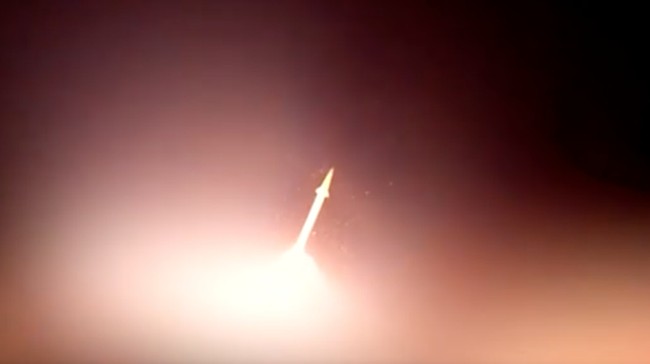
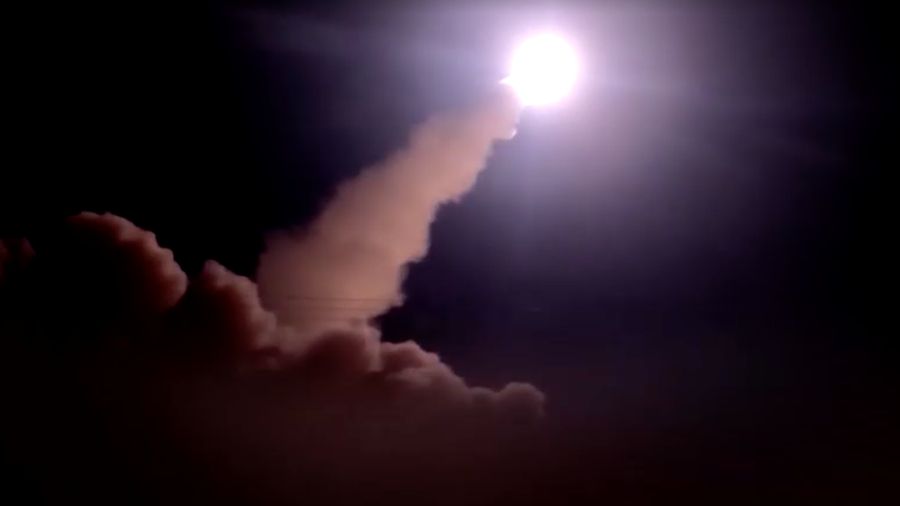
The precision strikes unfolded in the early hours of Sunday morning, with multiple projectiles and drones launched from Iranian territory. Images released by the IRGC through state media channels depicted what appeared to be ballistic missiles and drones in flight, underscoring the severity and coordinated nature of the assault. The primary targets were identified as military sites housing U.S. personnel and equipment in both Kuwait and Bahrain, two key Gulf allies hosting substantial American forces critical to regional security operations. The attacks immediately triggered alarm across the Middle East and prompted urgent diplomatic responses from affected nations.
The Retaliatory Strikes: A Coordinated Assault
The IRGC’s "Operation True Promise Two," a nomenclature consistent with past Iranian military exercises and retaliatory actions, commenced with a synchronized launch sequence. This operation utilized a sophisticated combination of medium-range ballistic missiles (MRBMs) and a swarm of advanced Shahed-series drones. Intelligence analysts suggest the ballistic missiles, potentially from Iran’s indigenously developed Fateh-110 or Qiam class, were aimed at larger, fixed installations due to their destructive power and range. Concurrently, a substantial number of drones were deployed, likely with the dual purpose of overwhelming air defense systems and potentially gathering post-strike intelligence on the effectiveness of the assault. This multi-layered and asymmetrical approach is characteristic of Iran’s evolving military doctrine, designed to maximize disruptive impact while attempting to mitigate the risk of direct, conventional military engagement from superior forces.
In Kuwait, local defense forces provided immediate confirmation of the incident, reporting the successful interception of at least two ballistic missiles. The Kuwaiti Ministry of Defense issued a statement affirming that its integrated air and missile defense systems, which largely comprise U.S.-supplied Patriot missile batteries, had effectively neutralized the incoming threats. Crucially, the statement confirmed no damage or casualties on Kuwaiti territory. The specific military installations targeted in Kuwait remain officially undisclosed by U.S. or Kuwaiti authorities. However, it is widely understood that major U.S. military assets in Kuwait are primarily concentrated at Camp Arifjan, a vital logistical hub for U.S. Central Command (CENTCOM), and Ali Al Salem Air Base, a key operational air base in the region. The successful interception by Kuwaiti forces, supported by allied intelligence and technology, highlights the robust defensive posture maintained by U.S. allies in the Gulf, though the sheer volume and coordinated nature of the Iranian attack continue to be a subject of intense concern for military planners.
A similar scenario unfolded in Bahrain, a strategically critical nation that hosts the U.S. Navy’s Fifth Fleet and Naval Support Activity Bahrain. These facilities are central to American naval power projection in the Middle East and are responsible for safeguarding vital maritime routes, including the highly sensitive Strait of Hormuz. U.S. officials, while confirming that American facilities in Bahrain were indeed targeted, reiterated that there were no reported U.S. personnel harmed and no major damage was sustained. The audacity of striking such a pivotal U.S. naval command underscores Iran’s willingness to directly challenge American military presence and its perceived dominance in the Gulf. The lack of major damage in Bahrain, consistent with reports from Kuwait, suggests effective air defense responses were in place. However, the full extent of Iranian capabilities tested in this operation, particularly in terms of penetration and targeting precision, remains under intense scrutiny by military strategists and defense analysts worldwide.
Chronology of Escalation: A Tense Buildup to Direct Confrontation
This latest volley of attacks did not emerge in a vacuum but was the culmination of a period of significantly heightened tensions and a specific series of provocations. The IRGC explicitly stated its actions were "in response to recent U.S. attacks against Iran." While specific details of these "recent attacks" were not immediately provided by Tehran, regional observers and intelligence reports indicate a series of events over the preceding weeks had severely frayed diplomatic efforts and pushed the adversaries closer to direct military confrontation.
According to widely circulated regional media reports and analyses from international think tanks, the "recent U.S. attacks" likely refer to a sequence of events that began approximately a week prior to the IRGC’s retaliatory strikes:
- June 20, 2026: Alleged U.S. precision airstrikes targeting IRGC-affiliated militia command and control centers located in eastern Syria and western Iraq. These strikes were reportedly executed in direct retaliation for a series of drone and rocket attacks on U.S. bases in Iraq and Syria, which Washington had unequivocally attributed to Iranian-backed proxy groups operating in those territories. The U.S. had declared these strikes were necessary to deter further attacks on its personnel and assets.
- June 23, 2026: A reported sophisticated cyberattack that significantly disrupted elements of Iran’s critical infrastructure, specifically targeting components of its oil and gas distribution network. While the U.S. Department of Defense and intelligence agencies did not officially claim responsibility for this cyber operation, Tehran’s national cyber defense agencies publicly blamed "foreign state actors" for the disruption, a thinly veiled accusation widely interpreted as pointing towards the United States and its regional allies. The attack caused widespread, albeit temporary, fuel shortages in several Iranian provinces.
- June 25, 2026: A highly publicized naval incident in the Strait of Hormuz. U.S. Navy vessels reportedly intercepted and subsequently seized an Iranian oil tanker. The tanker was accused by the U.S. of violating international sanctions, specifically those pertaining to Iranian oil exports. Iranian state media vehemently condemned this action as an act of "maritime piracy" and a clear violation of international law, with senior IRGC commanders publicly vowing a "decisive and proportionate response" to protect Iranian shipping interests.
These incidents, building upon years of proxy conflicts, economic sanctions, and periodic military confrontations in the Gulf, had already led to the breakdown of a fragile, undeclared ceasefire. This informal truce had been painstakingly brokered by several regional powers and international mediators in an effort to reduce tensions. The IRGC’s statement explicitly declared that the U.S. actions had "violated the ceasefire" and would "result in the total cessation of all diplomatic processes." This pronouncement suggests that any ongoing back-channel communications or nascent negotiations aimed at de-escalation, or even the potential revival of broader nuclear talks, have now been severely jeopardized, if not entirely abandoned by Tehran, indicating a hardening of its geopolitical stance.
IRGC’s Justification and Warning: A Red Line Crossed
In its official statement, disseminated through various state-controlled media outlets, the IRGC articulated a clear and unambiguous justification for its actions. It framed the missile and drone attacks as legitimate acts of self-defense and a proportional response to what it adamantly deemed American aggression and infringement upon Iranian sovereignty. "The aggression perpetrated by the arrogant powers against the sovereignty and integrity of the Islamic Republic will not go unanswered, nor will it be tolerated," the statement read, as reported by the semi-official Fars News Agency. "These retaliatory strikes demonstrate Iran’s unwavering resolve to protect its national interests, its territorial integrity, and its people from any form of foreign interference or military adventurism."
The most critical and alarming part of the IRGC’s declaration was its stark warning regarding the future of diplomatic engagement. By asserting that the U.S. actions had not only "violated the ceasefire" but would also lead to a "total cessation of all diplomatic processes," Tehran effectively signaled a dramatic shift towards a more confrontational posture. This implies that any existing channels for dialogue, whether direct or indirect, aimed at de-escalating the pervasive tensions, resolving regional disputes, or addressing the long-stalled negotiations surrounding the Joint Comprehensive Plan of Action (JCPOA), are now, from Iran’s perspective, effectively closed. Such a declaration poses an immense challenge to international efforts to manage the ongoing crisis, raising profound fears that military options may increasingly supersede diplomatic solutions in resolving the deep-seated grievances between the two nations.
Official Responses: Regional Alarm and Urgent International Calls
The immediate aftermath of the IRGC’s attacks saw a flurry of diplomatic activity and urgent official pronouncements from the directly affected nations and the broader international community, reflecting widespread alarm.
Kuwait: Following the successful interception of the incoming ballistic missiles, the Kuwaiti Ministry of Defense issued a commendatory statement praising the exceptional readiness and effectiveness of its air defense forces. "Our armed forces demonstrated exemplary vigilance and capability in safeguarding our airspace and national security, successfully neutralizing the threat without incident," the statement read. Concurrently, the Kuwaiti government initiated urgent consultations with its U.S. partners and regional allies, emphasizing the critical need for immediate de-escalation and the unequivocal protection of its national sovereignty and territorial integrity. Kuwait’s proven interception capabilities are a testament to years of strategic investment in advanced defense systems, largely procured from the United States, underscoring the deep and indispensable military cooperation between the two nations in maintaining regional security.
Bahrain: The Kingdom of Bahrain, recognizing the severe gravity of the situation and its direct implications for regional stability, immediately urged the United Nations Security Council (UNSC) to convene an emergency session. In a strongly worded statement released by the Bahraini Foreign Ministry, the government called for "holding Iran accountable for its aggressive actions that blatantly threaten regional and international peace and security and undermine the principles of international law." This direct appeal to the UNSC signifies Bahrain’s clear intent to elevate the issue to the highest international diplomatic forum, seeking collective action and condemnation against what it perceives as Iran’s increasingly destabilizing activities. Bahrain’s resolute stance reflects its inherent vulnerability as a small island nation hosting significant U.S. military assets, making it a potential flashpoint in any broader regional conflict.

United States: A senior U.S. defense official, who requested anonymity due to the sensitive and evolving nature of ongoing military operations and intelligence assessments, confirmed the attacks on U.S. facilities in both Kuwait and Bahrain. "We can confirm that U.S. military sites were targeted by missile and drone fire originating from Iranian territory," the official stated to Reuters. "Thankfully, there have been no reported U.S. casualties or significant damage to our critical infrastructure. Our integrated air defense systems, operating in close coordination with our regional partners, proved effective in mitigating the threat." The official added, "The situation remains dynamic, and we are meticulously assessing the full scope of the attack and carefully coordinating our response options with our steadfast allies." This measured and cautious initial response, while confirming the attacks, deliberately avoided immediate vows of retaliation, indicating a strategic effort to avoid further uncontrolled escalation in the immediate hours following the assault. U.S. Central Command (CENTCOM) later released a brief public statement reiterating the official’s key points and emphatically reaffirming the U.S. commitment to the security of its regional partners.
International Community: The United Nations Secretary-General, António Guterres, issued a statement expressing "grave concern" over the dangerous escalation of tensions in the Persian Gulf. He unequivocally called on all parties to "exercise maximum restraint, adhere strictly to international law, and de-escalate tensions immediately through dialogue." Guterres emphasized the paramount importance of upholding international law and urged a swift return to diplomatic dialogue to prevent a wider, potentially catastrophic conflict that could have devastating and far-reaching consequences for the entire region and beyond. Several key European nations, deeply invested in maintaining stability in the Persian Gulf due to global energy interests and keen on preserving any remnants of the Joint Comprehensive Plan of Action (JCPOA), also issued coordinated statements condemning the attacks and reiterating their urgent calls for restraint and a peaceful resolution.
Strategic Context: The Enduring Significance of US Military Presence in the Gulf
The U.S. military presence in Kuwait and Bahrain represents an indispensable cornerstone of its strategic posture and security architecture in the broader Middle East. These strategically located bases serve multiple critical functions that underpin regional stability and protect vital global interests:
- Deterrence: They act as a formidable deterrent against overt aggression from both state and non-state actors, most notably Iran and its extensive network of proxy militias. The sheer presence of U.S. forces signals a commitment to defending allies and interests.
- Force Projection: These bases provide essential logistical and operational platforms, enabling the rapid deployment, sustainment, and projection of U.S. forces for a wide array of contingencies across the expansive CENTCOM area of responsibility, from counter-terrorism operations to crisis response.
- Regional Security Partnerships: They facilitate crucial joint training exercises, intelligence sharing, and combined operations with Gulf Cooperation Council (GCC) partners, significantly enhancing collective security capabilities and interoperability against common threats.
- Maritime Security: Naval Support Activity Bahrain is the headquarters for the U.S. Navy’s Fifth Fleet, which plays a critical role in ensuring freedom of navigation and maritime security in vital international waterways. These include the Strait of Hormuz, through which a significant portion of the world’s oil transits, as well as the Bab el-Mandeb Strait and the Suez Canal.
The direct targeting of these pivotal U.S. military sites by Iran constitutes a profound and brazen challenge to this established strategic architecture. It serves as a direct test of U.S. resolve, its deterrence capabilities, and the strength of its alliances in a region perpetually on edge. While the confirmed lack of significant damage or casualties is a momentary relief, the symbolic and operational impact of such a direct strike on core American interests cannot be overstated. It will undoubtedly force a comprehensive re-evaluation of existing defensive strategies and potentially influence future rules of engagement in an increasingly complex and rapidly changing operational environment.
Iran’s Evolving Missile and Drone Capabilities: A Growing Asymmetric Threat

The IRGC’s demonstrated ability to launch a coordinated missile and drone attack underscores the significant advancements Iran has made in its indigenous military industrial complex. Over the past decade, despite enduring severe international sanctions and arms embargoes, Iran has consistently prioritized the development of robust asymmetric warfare capabilities, with a particular focus on its ballistic missile and unmanned aerial vehicle (UAV) programs.
- Ballistic Missiles: Iran possesses arguably the largest and most diverse missile arsenal in the Middle East, comprising short, medium, and potentially intermediate-range ballistic missiles capable of striking targets across the entire region. The Fateh-110, Qiam, and Emad series are particularly noteworthy for their enhanced accuracy, maneuverability, and ability to carry various warheads. The use of solid-propellant missiles like the Fateh-110 allows for quicker setup and launch times, making them harder to detect and preempt.
- Unmanned Aerial Vehicles (UAVs): Iran has invested heavily in sophisticated drone technology, developing a wide array of UAVs for diverse roles including reconnaissance, surveillance, electronic warfare, and precision attack. The Shahed-136 "kamikaze" drone, famously utilized in other regional conflicts and by proxy forces, exemplifies Iran’s capability for long-range, saturating attacks. The strategic deployment of drone swarms in conjunction with ballistic missiles is a tactical innovation designed to overwhelm and confuse sophisticated air defense systems, thereby creating windows of opportunity for ballistic missiles to penetrate.
This latest attack serves as a stark and undeniable reminder of Iran’s growing capacity to project military power beyond its borders, posing a credible and increasingly sophisticated threat to regional stability and vital U.S. interests. The increasing sophistication and accuracy of these systems, coupled with Iran’s demonstrated willingness to employ them in direct retaliation, represent a complex and evolving challenge for regional security and global stability.
Broader Implications for Regional Stability and Global Energy Markets
The IRGC’s missile and drone attack carries profound and potentially destabilizing implications for the already precarious security landscape of the Middle East, with repercussions extending globally.
- Risk of Wider Conflict: The most immediate and alarming concern is the heightened potential for a full-scale military confrontation. Iran’s direct targeting of U.S. military assets, even in the absence of major casualties, constitutes an act of war