Lusiana Hamidun
Green light therapy is rapidly emerging as a significant player in the wellness and skincare landscape, often overshadowed by its more established counterpart, red light therapy. While red light has earned its reputation as a gold standard for its anti-aging properties, collagen stimulation, and anti-inflammatory effects, green light therapy is quietly carving out its niche, offering a distinct set of benefits for skin clarity, pigment regulation, and even overall well-being. This exploration delves into the science, applications, and potential of this often-underdiscussed therapy, examining why it deserves a prominent place in modern wellness routines.
For years, the allure of red light therapy has dominated discussions around light-based treatments. Devices like LED masks, panels, and even blankets have become ubiquitous, praised for their ability to soothe inflammation, encourage hair growth, and boost collagen production over time. This widespread adoption is not without merit, as the scientific literature supporting red light therapy’s regenerative capabilities continues to grow. However, as the wellness industry evolves, attention is shifting to other wavelengths within the visible light spectrum, with green light therapy emerging as a compelling alternative and complementary treatment.
Dermatologists are increasingly highlighting the unique advantages of green light. Dr. Shereen Teymour, a prominent dermatologist, notes that while red light therapy is primarily associated with collagen stimulation and anti-aging, "green light therapy is gaining attention for its potential in helping to regulate excess pigment production and improve overall skin clarity." Beyond its dermatological applications, emerging research suggests that green light therapy may also play a crucial role in supporting holistic health and well-being, addressing conditions that extend beyond the cosmetic.
The integration of green light therapy into daily routines is proving to be more accessible than many might assume. In fact, many of the popular LED masks already in use likely incorporate this versatile wavelength. This article aims to demystify this “underrated” therapy by providing expert insights into its mechanisms, diverse benefits, and the compelling reasons why it warrants consideration for inclusion in your daily wellness regimen.
Understanding Green Light Therapy: The Science Behind the Glow
Green light therapy operates within the realm of photobiomodulation, a therapeutic approach that utilizes light energy to stimulate cellular processes. Specifically, green light therapy employs visible light within the green spectrum, typically at wavelengths ranging from 520 to 560 nanometers, with most devices operating within the 525 to 540 nanometer range. Dr. Teymour explains that, akin to other LED therapies, this method delivers light energy to the skin without generating excessive heat or causing tissue damage. The primary mechanism by which green light therapy benefits the skin involves targeting and mitigating issues related to pigmentation. It is particularly effective in addressing hyperpigmentation, age spots, rosacea, redness, uneven skin tone, and the appearance of visible capillaries.
At a cellular level, green light plays a vital role in supporting mitochondrial function. Mitochondria are the powerhouses of our cells, and by enhancing their activity, green light effectively provides an energy boost to cells. This increased energy facilitates accelerated tissue repair and concurrently reduces inflammation. Tara Adashev, an advanced practice registered nurse at Neinstein Plastic Surgery, elaborates on this cellular advantage: "At the cellular level, green light supports mitochondrial function, essentially giving cells an energy boost to speed up tissue repair while reducing inflammation."
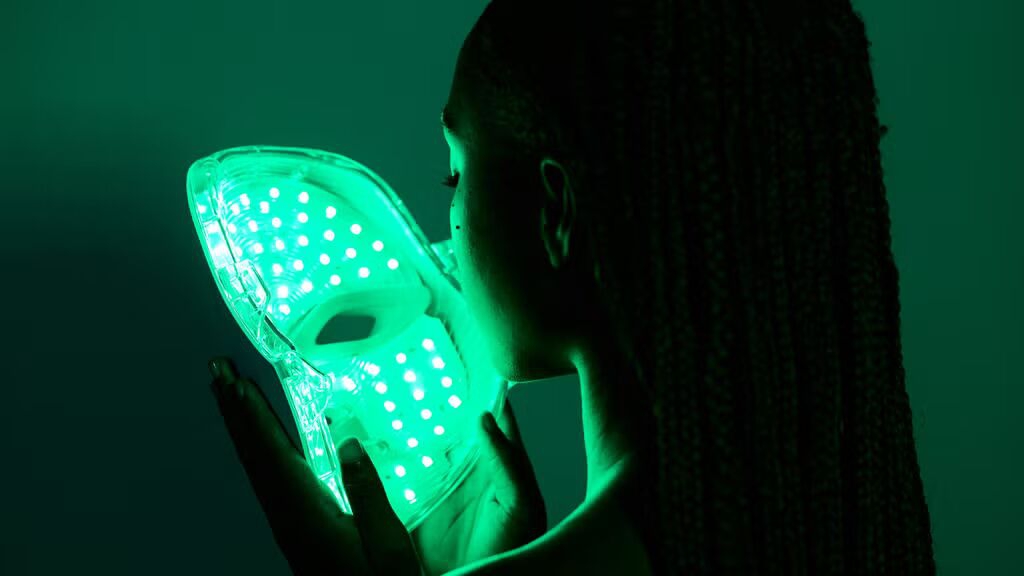
The therapeutic potential of green light therapy, however, extends beyond superficial skin concerns. A growing body of research indicates promising results for individuals suffering from migraines, fibromyalgia, and chronic pain conditions. Furthermore, green light exhibits a gentler impact on melatonin production compared to blue light. When used appropriately, this characteristic can aid in regulating the sleep-wake cycle, thereby promoting more optimal rest quality.
The Multifaceted Benefits of Green Light Therapy
The advantages of green light therapy are not confined to the surface of the skin. Consistent application of this therapy holds the potential to deliver a wide array of benefits for the entire body, addressing both aesthetic concerns and broader health issues.
Enhancing Skin Health and Clarity
Numerous studies suggest that green light therapy can significantly reduce the appearance of hyperpigmentation, diffuse redness, and uneven skin tone. Its mechanism of action involves targeting melanocytes, the cells responsible for producing melanin. By influencing these cells, green light therapy can help to fade dark spots and other forms of discoloration. Additionally, it can help to lower levels of cytokines, which are key mediators of inflammation. This anti-inflammatory effect makes green light therapy particularly beneficial for calming conditions such as eczema, rosacea, and reducing the visibility of superficial capillaries.
Dermatologists generally view green light therapy as a complementary treatment that supports overall skin quality and radiance, rather than a singular corrective solution promising dramatic, overnight transformations. Dr. Teymour observes, "Patients using green light therapy often report that their skin appears brighter, calmer, and more even over time. However, it’s important to understand that the scientific evidence is not as robust as for red light therapy, and results can vary among individuals."
Alleviating Headaches and Migraines
Research indicates that green light therapy holds potential in reducing the frequency of migraines and chronic headaches. A notable study conducted at the University of Arizona found that consistent exposure to green light therapy "significantly reduced the frequency and intensity of headaches, with many chronic patients experiencing a reduction in headache days by 50 percent or more," according to Dr. Sherly Soleiman.
Crucially, participants in this study were also able to decrease their reliance on pain medication. However, these benefits were not immediate. Based on the study’s findings, the positive effects of green light therapy began to manifest after approximately 10 weeks of daily use.
While these findings are promising, it is important to acknowledge that they are primarily based on small-scale studies. Dr. Soleiman emphasizes that green light therapy should not be considered a primary treatment but rather an adjunct to existing migraine management plans. She strongly advises consultation with a physician or neurologist before initiating green light therapy.

Managing Chronic Pain
The application of green light therapy in managing chronic pain conditions, including fibromyalgia and neuropathic pain, has shown promising results, although larger-scale clinical trials are still needed to solidify these findings. The therapy is believed to alleviate pain by promoting the body’s natural production of pain-relieving substances while also mitigating the anxiety that often accompanies chronic pain.
Improving Sleep Quality
A number of academic studies have explored the impact of green light on melatonin production, the hormone crucial for regulating sleep cycles. "What is known so far is that daytime exposure to green light has the potential to support the regulation of a healthy circadian rhythm," explains Dr. Soleiman. "However, because green light wavelengths can suppress melatonin production, its use in the evening could be counterproductive. Therefore, the timing of use is a critical factor."
She further notes that scientific literature generally recommends daily sessions lasting one to two hours. The light should be viewed indirectly in a dimly lit room, rather than being stared at directly. Noticeable improvements are typically observed after about eight to ten weeks of consistent daily use.
Distinguishing Green Light Therapy from Red Light Therapy
The fundamental difference between green and red light therapy, according to experts, lies in their respective wavelengths and their biological targets. Dr. Teymour elaborates, "Red light therapy has significantly stronger scientific evidence supporting its efficacy in collagen stimulation, wound healing, inflammation reduction, and overall skin rejuvenation. Moreover, red light is capable of penetrating deeper into the skin layers."
In contrast, green light operates on a more superficial level. Its primary research focus has been on addressing surface-level skin concerns, such as pigmentation and uneven skin tone. "If red light is most associated with anti-aging benefits, then green light is more closely linked to improving skin appearance and enhancing complexion clarity," she states.
Tara Adashev adds that when used in conjunction, these two therapies can be highly complementary, offering more comprehensive results than either treatment might achieve independently, especially given that skin concerns rarely occur in isolation. Green light therapy also tends to be gentler, making it more flexible and better tolerated by individuals with sensitive skin.
The accessibility of green light therapy is further enhanced by the fact that many of the leading LED devices on the market now integrate multiple light wavelengths into a single unit, allowing users to leverage the benefits of both red and green light simultaneously.
Recommended Usage Frequency for Green Light Therapy
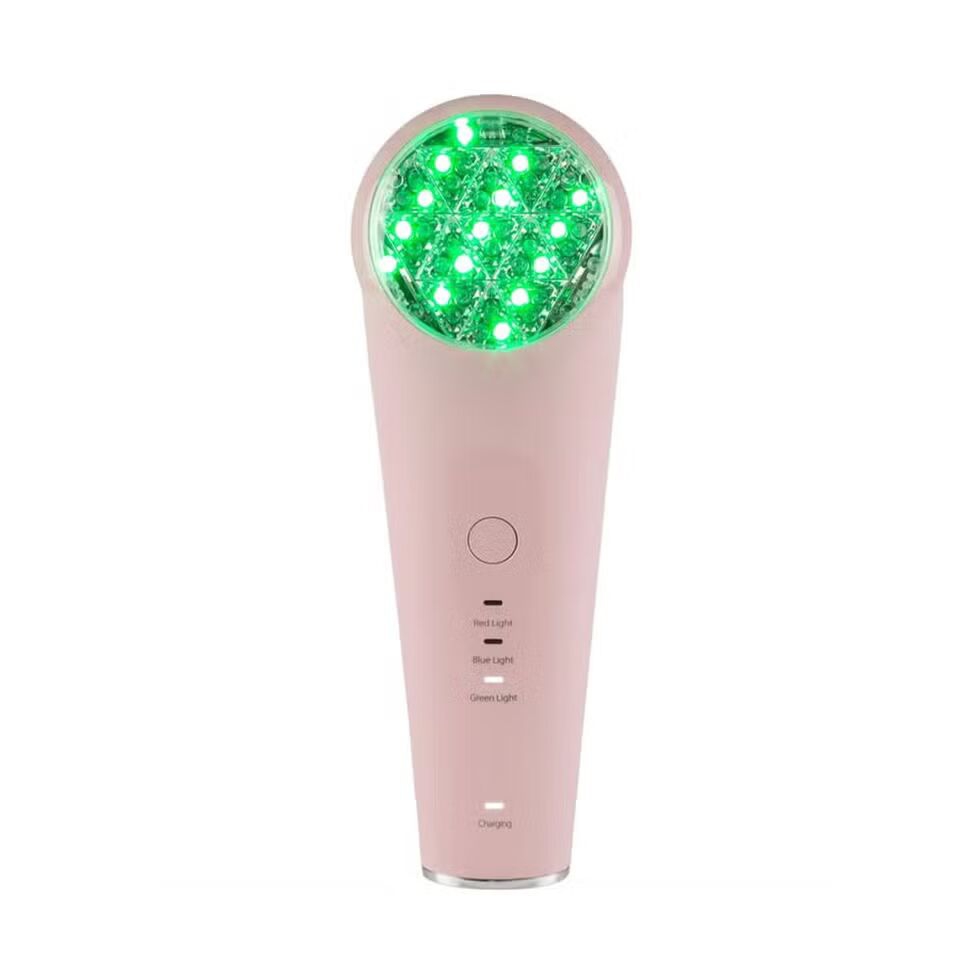
For at-home green light therapy devices, most manufacturers recommend usage three to five times per week, with sessions lasting approximately 10 to 20 minutes, depending on the specific device. Generally, optimal results begin to become apparent after four to six weeks of consistent application.
"As with most wellness protocols, green light therapy yields optimal outcomes through consistent commitment rather than sporadic use," advises Tara Adashev. This underscores the importance of establishing a regular routine to harness the full potential of the therapy.
Potential Side Effects of Green Light Therapy
Green light therapy is widely considered safe and well-tolerated by the majority of individuals. Side effects are relatively rare, but if they do occur, they are typically limited to temporary mild redness or irritation, according to Dr. Teymour.
She also cautions that green light therapy is not recommended for individuals with photosensitivity disorders or those taking medications that increase light sensitivity. "Those with a history of migraines triggered by light exposure should also consult with their doctor before starting therapy, as individual responses to light can vary," she adds. This proactive approach ensures that the therapy is used safely and effectively, minimizing any potential risks.
The growing body of evidence and expert endorsements for green light therapy suggest that this treatment is more than just a fleeting trend. Its ability to address a range of skin concerns, from pigmentation to redness, coupled with its potential to alleviate chronic pain and improve sleep, positions it as a valuable addition to the modern wellness toolkit. As research continues to unfold, green light therapy is poised to become an increasingly recognized and utilized modality for holistic health and aesthetic improvement.