Tata Titiana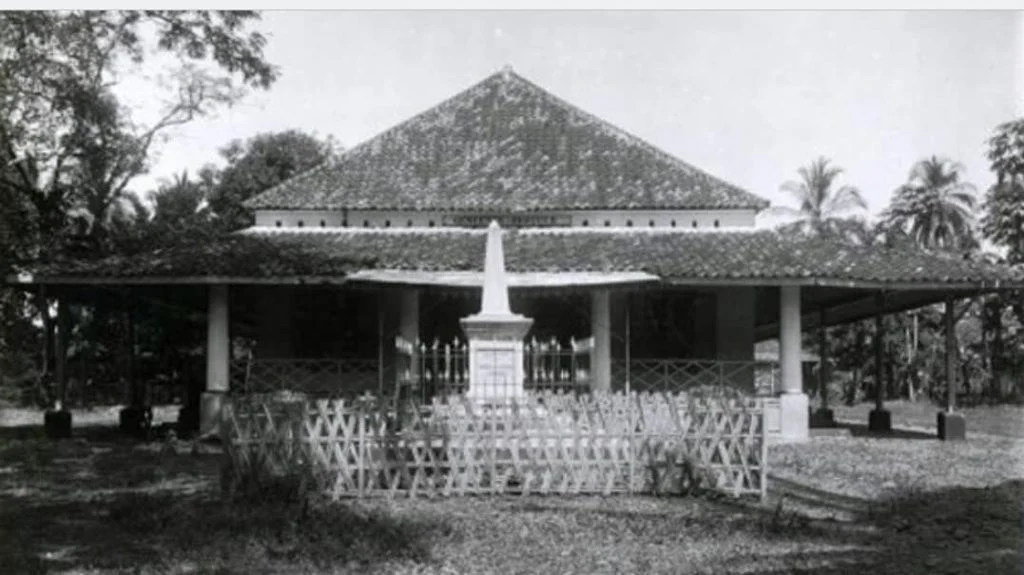
Depok, a city in West Java, Indonesia, renowned today as a bustling municipality, holds a remarkably uncelebrated history as a sovereign state, complete with its own elected president, long before Indonesia achieved its independence. Established as a city-level administrative region on April 27, 1999, Depok’s journey to its current status is a fascinating narrative of private ownership, emancipation, and self-governance. Prior to its formal incorporation, Depok existed as a district within the Bogor Regency. However, its roots delve much deeper, tracing back to the late 17th century when a wealthy Dutch merchant, Cornelis Chastelein, acquired a vast tract of land measuring 12.44 square kilometers.
The Genesis of a Private Estate
The acquisition of this land by Cornelis Chastelein in the late 17th century was not a typical colonial land grab. He purchased the Depok land for a sum equivalent to approximately 2.4 million Dutch guilders at the time. Crucially, this territory was designated as a particuliere land (private estate), meaning it was outside the direct administrative control of the Dutch East Indies government. This unique status laid the foundation for an independent administrative structure within the Dutch colonial framework. By the 18th century, Depok had developed into an administrative region with its own gemeente bestuur, or civil government, with Chastelein himself serving as its inaugural ruler and founder.
When Chastelein first acquired the land, it was largely undeveloped wilderness. He embarked on a significant project of clearing the dense forests to establish arable land, a monumental task undertaken with the labor of his enslaved people, who hailed from diverse ethnic backgrounds across the archipelago. The extent of Chastelein’s proprietary domain was remarkably expansive, encompassing not only the present-day Depok area but also stretching as far as Pasar Minggu in South Jakarta and Gambir in Central Jakarta. The initial inhabitants of this vast private estate were precisely these enslaved individuals, who would later become the founding citizens of a self-governing entity.
From Enslavement to Emancipation: The Foundation of a Nation
Cornelis Chastelein was a devout Catholic, a faith that seemingly instilled in him a profound sense of benevolence towards his enslaved workforce. In a will executed on June 28, 1714, shortly before his death, Chastelein bequeathed his entire estate—comprising land, housing, livestock, and agricultural tools—to his enslaved people. More significantly, he granted them their freedom upon his passing. Anticipating potential disputes and power struggles over the inheritance and governance of the newly freed populace, Chastelein appointed Jarong van Bali to lead and manage the community.

Following Jarong van Bali’s eventual death, the formerly enslaved individuals, now free but wary of future conflicts, collectively decided to establish a democratic system for leadership. This led to the implementation of a rotational presidency, with a new leader, or "president," elected every three years. This innovative governance model, conceptualized by a Batavia-based lawyer, was officially implemented in 1913. The administrative structure was relatively lean, with no provision for a vice president. The president was to be assisted by a secretary in carrying out their duties.
The Era of the Depok Presidents: A Sovereign Experiment
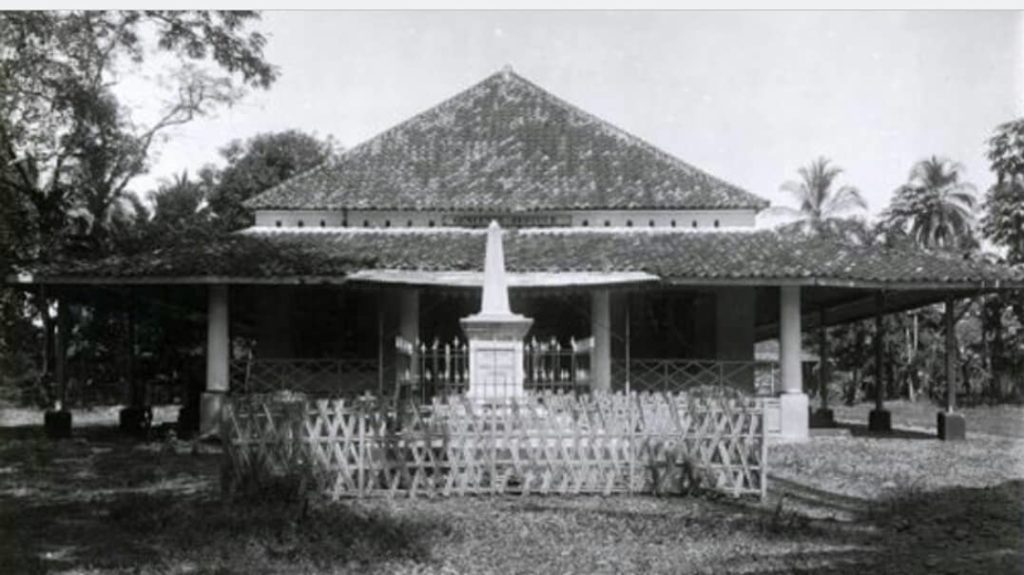
The year 1913 marked a pivotal moment with the establishment of the Het Gemeente Bestuur van Het Particuliere Land Depok, or the Civil Administration of the Private Land of Depok. This marked the formal beginning of Depok’s existence as a self-governing entity, with its leaders elected democratically by its citizens. The administrative heart of this nascent nation was located at Kilometer 0, a point famously marked by the Depok Monument (Tugu Depok). In close proximity stood the government building, which today serves as the Harapan Hospital. The presidential term was set at three years, ensuring a regular cycle of leadership transitions.
The first president of Depok was Gerrit Jonathans, who assumed office in 1913. He was succeeded by three other presidents who led the nation through various phases of its existence. Martinus Laurens served in 1921, followed by Leonardus Leander in 1930. The final president was Johannes Matjis Jonathans, who led Depok in 1952. Despite the existence of a presidential system and elected leaders, detailed historical records or comprehensive accounts of the specific achievements or challenges faced during each presidency remain scarce, a common challenge when documenting the histories of lesser-known, albeit significant, historical entities.
Timeline of Governance in Depok:
- Late 17th Century: Cornelis Chastelein acquires the Depok land as a private estate (particuliere land).
- 18th Century: Depok functions as an administrative region with its own civil government (gemeente bestuur).
- June 28, 1714: Chastelein’s will is executed, granting freedom and property to his enslaved people upon his death. Jarong van Bali is appointed to lead the freed community.
- Post-Jarong van Bali: The freed community establishes a democratic system for electing a president every three years.
- 1913: The Het Gemeente Bestuur van Het Particuliere Land Depok is officially established, and Gerrit Jonathans becomes the first president.
- 1921: Martinus Laurens assumes the presidency.
- 1930: Leonardus Leander becomes president.
- 1952: Johannes Matjis Jonathans serves as the final president.
- 1952: Depok is formally handed over to the Indonesian government by President Johannes Matjis Jonathans.
- April 27, 1999: Depok is officially established as a municipality (kotamadya) in West Java.
The Transition to Indonesian Governance
The unique status of Depok as a private estate with its own governing structure continued until 1952. In that year, the last president, Matijs Jonathans, officially transferred the entirety of the private land and its governance to the newly formed Indonesian government through a formal deed of surrender. This act marked the end of Depok’s era as a sovereign entity and its integration into the national administrative framework of Indonesia.
From the perspective of its establishment as a municipality, Depok is indeed a relatively young city, celebrating just over two decades of its current administrative status. However, when considering its history as a distinct entity that predates Indonesia’s independence, its legacy stretches back over three centuries. This remarkable history underscores the fact that Depok, in its own unique way, experienced a form of self-determination and "independence" long before the nation of Indonesia was formally recognized on the world stage.
Implications and Broader Context
The story of Depok offers a fascinating microcosm of the complex historical tapestry of colonial Indonesia. It highlights how private enterprise and individual will could, under specific circumstances, create entities that operated outside the direct purview of colonial administration, even developing their own forms of governance. Chastelein’s act of emancipation and his foresight in establishing a system for his former slaves to govern themselves is a noteworthy aspect, particularly within the context of widespread enslavement during that era.
The existence of a democratically elected president and a civil administration in Depok from 1913 to 1952 is a compelling piece of Indonesian history that often gets overlooked. It raises questions about the diversity of governance models that existed within the archipelago during the colonial period and the various pathways to self-determination that communities pursued.
The handover of Depok to the Indonesian government in 1952 was a significant event, signifying the consolidation of national sovereignty and the integration of all territories into the unified Indonesian state. While Depok has since evolved into a major urban center, its past as a self-governing "nation" serves as a potent reminder of its rich and multifaceted history, a history that deserves wider recognition and study. The legacy of Cornelis Chastelein, the Dutch merchant who inadvertently laid the groundwork for a sovereign state through his will, continues to shape the historical narrative of this prominent Indonesian city. The transition from a private estate to an independent administrative entity, and finally to a modern municipality, showcases a remarkable evolution, underscoring the enduring impact of individual decisions on the trajectory of historical development.