Hadi Wijaya
The decision to opt for a childfree lifestyle, defined as a voluntary choice not to have children, has emerged as a significant and often polarizing topic of discussion within the Indonesian social landscape. Nuzulia Rahma Tristinarum, a prominent family psychologist and counselor, notes that the motivations behind this life-altering decision are multifaceted, ranging from deeply rooted psychological triggers to external socioeconomic pressures. According to Tristinarum, often referred to as Lia, these motivations can be conscious or reside within the subconscious, frequently stemming from formative experiences that shape an individual’s perception of parenthood and responsibility. As the discourse surrounding reproductive autonomy grows, understanding the psychological underpinnings of why individuals choose to remain childfree becomes essential for a comprehensive view of modern demographic shifts.
The Role of Childhood Trauma and Attachment
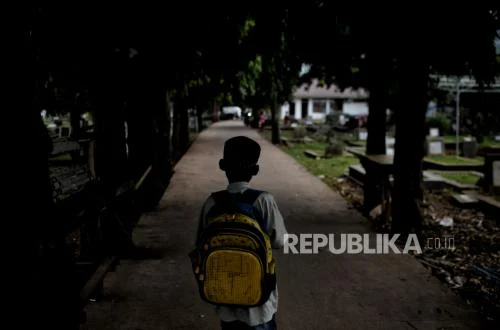
One of the most profound drivers of the childfree decision is the presence of unresolved childhood trauma. Lia highlights that early life experiences significantly dictate how an individual views the concept of a family unit. In many clinical cases, individuals who choose not to have children have histories of parental neglect or abuse. For instance, a child who was frequently left with abusive caregivers while their parents were absent may develop a defensive psychological mechanism. If a caregiver was physically or verbally aggressive, the child might internalize a belief that parenthood is synonymous with suffering or a lack of protection.
This internal narrative often manifests as a desire to break the cycle of pain. Lia explains that such individuals may conclude that it is more responsible to abstain from having children than to risk bringing a life into the world only to "waste" it or fail in providing adequate care. This perspective is rooted in a sense of moral responsibility toward the potential child’s well-being. For these individuals, the decision is not one of selfishness, but rather a protective measure against the perceived inevitability of repeating their own traumatic history. The psychological weight of "heart wounds," anger, and lingering trauma acts as a barrier, making the prospect of child-rearing feel like an insurmountable emotional burden.
The Economic Reality and the Sandwich Generation
Beyond psychological trauma, the decision to remain childfree is increasingly tied to economic stability and the structural realities of modern life. Lia points out that many Indonesians find themselves in the "sandwich generation"—a demographic of adults who are simultaneously supporting their aging parents and their own households. For these individuals, the financial and emotional toll of being a primary provider for their elders leaves little room for the additional costs associated with raising a child.
In Indonesia, the rising cost of education, healthcare, and basic necessities has made the "many children, many fortunes" (banyak anak, banyak rezeki) proverb feel outdated for many. Financial readiness is a major concern for both men and women. Lia observes that men, in particular, often cite the heavy burden of being the sole economic provider as a reason for preferring a childfree marriage. The fear of being unable to meet the high standards of modern parenting—which now emphasizes quality of life, extracurricular enrichment, and long-term financial security—leads many to decide that a childless life is the more pragmatic path.
Readiness for Responsibility and Personal Values
The shift in societal values has also played a pivotal role. Traditionally, marriage was viewed as a vehicle for procreation. However, contemporary perspectives are shifting toward marriage as a partnership for companionship and personal growth. Lia suggests that some individuals choose marriage for the intimacy and legal security it provides but are honest about their lack of readiness for the lifelong responsibility of parenting.
These individuals may wish to enjoy a committed relationship without the stressors of child-rearing, choosing instead to focus on their careers, hobbies, or personal development. This choice is often influenced by a shift in personal values where individual autonomy is prioritized over traditional communal expectations. Furthermore, the influence of one’s social environment—peers, media, and digital communities—can reinforce these values, making the childfree path feel like a valid and supported lifestyle choice rather than a social anomaly.
Debunking the Aesthetic and Biological Myths
A controversial aspect of the childfree debate is the claim that abstaining from parenthood is a "fountain of youth." Some proponents of the lifestyle suggest that the absence of the physical and emotional stress of pregnancy and child-rearing results in a more youthful appearance. However, Lia provides a fact-based rebuttal to this notion. She emphasizes that "staying young" or maintaining a certain physical appearance is the result of a complex interplay of factors, including genetics, hormonal balance, and lifestyle choices such as diet and exercise.
While the stress of parenting can certainly impact one’s health, it is scientifically inaccurate to claim that being childfree is a primary driver of longevity or aesthetic youthfulness. Many parents maintain high levels of fitness and vitality, while childfree individuals may still face health challenges. By debunking this myth, Lia encourages a more grounded discussion that focuses on mental health and life satisfaction rather than superficial physical benefits.
Global Trends and the Indonesian Context
The childfree phenomenon is not unique to Indonesia; it reflects a broader global trend. In countries like South Korea, Japan, and many parts of Western Europe, fertility rates have dropped to historic lows as more couples choose to remain childless. According to data from the World Bank and the United Nations, global fertility rates have halved since the 1960s. The reasons cited globally mirror those identified by Lia: economic precariousness, the pursuit of higher education, and a desire for personal freedom.
In Indonesia, the discourse gained significant momentum in early 2023, sparked by high-profile social media influencers who publicly declared their childfree status. This sparked a nationwide conversation that forced a confrontation between traditional religious and cultural values—which generally encourage large families—and modern individualistic ideals. The "trend" aspect mentioned by Lia suggests that as more people speak openly about their choice, others with similar underlying values or traumatic backgrounds feel empowered to make the same decision.
Societal Responses and Demographic Implications
The rise of the childfree movement in Indonesia has met with varied responses. Traditionalists and religious leaders often express concern that a declining birth rate could lead to a "demographic time bomb," similar to what is currently being experienced in East Asia, where an aging population puts immense strain on the economy and social welfare systems. Conversely, advocates for reproductive rights argue that the decision to have children should be a matter of individual choice and that forcing parenthood on those who are unprepared leads to poor outcomes for both parents and children.
From a sociological perspective, the childfree choice highlights a growing gap between the expectations of the state and the realities of the individual. If the state desires a higher birth rate to maintain a "demographic bonus," it must address the underlying causes Lia identified: economic instability, the burden of the sandwich generation, and the lack of support systems for working parents. Without structural changes that make parenting more sustainable, the psychological and economic barriers will likely continue to drive the childfree trend.
Analysis of Long-term Impacts
The implications of an increasing number of people choosing to be childfree are profound. Psychologically, it indicates a generation that is more introspective and aware of its limitations. By acknowledging that they are not ready or willing to be parents, individuals are arguably preventing the creation of new cycles of neglect or resentment. Lia’s analysis suggests that a childfree decision made out of self-awareness can be a healthy act of boundary-setting.
However, on a macro level, the trend poses challenges for future labor markets and the sustainability of pension funds. As the population ages, the ratio of workers to retirees will shift, potentially leading to economic stagnation. Policymakers may need to consider new models for social security that do not rely solely on a growing youth population.
Furthermore, the "childfree trend" may lead to a redefinition of the family unit in Indonesia. We may see an increase in "chosen families" or community-based support networks that do not rely on biological ties. This shift requires a broader societal acceptance of diverse life paths and a reduction in the stigma often attached to those who do not follow the traditional trajectory of parenthood.
Conclusion: A Multi-Dimensional Decision
Nuzulia Rahma Tristinarum’s insights provide a vital framework for understanding the childfree phenomenon through a lens of empathy and psychological science. Whether driven by the echoes of past trauma, the cold reality of economic constraints, or a simple lack of desire for the responsibilities of parenthood, the decision is rarely made lightly.
As Indonesia continues to modernize, the tension between traditional family values and individual autonomy will likely persist. Recognizing that the childfree choice is often a response to deep-seated personal and structural issues allows for a more nuanced public discourse. Rather than viewing the trend as a mere "fad" or an act of rebellion, it should be seen as a reflection of the evolving complexities of life in the 21st century, where the definition of a "responsible" and "fulfilling" life is being continuously rewritten.