Nila Kartika Wati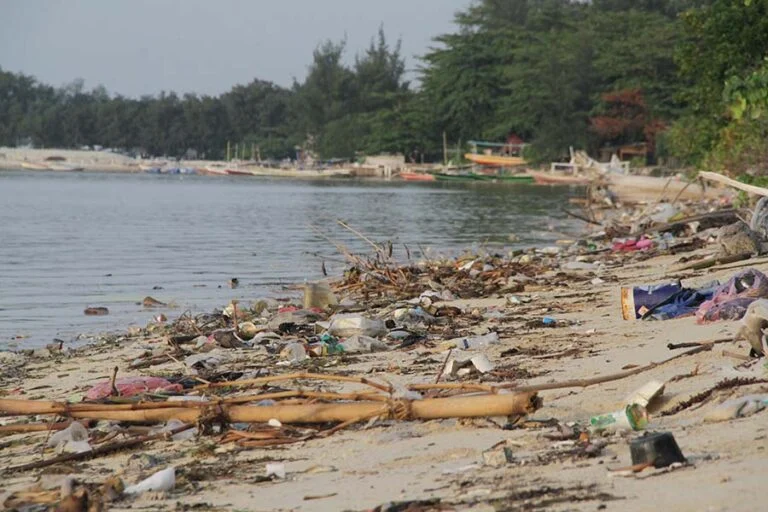
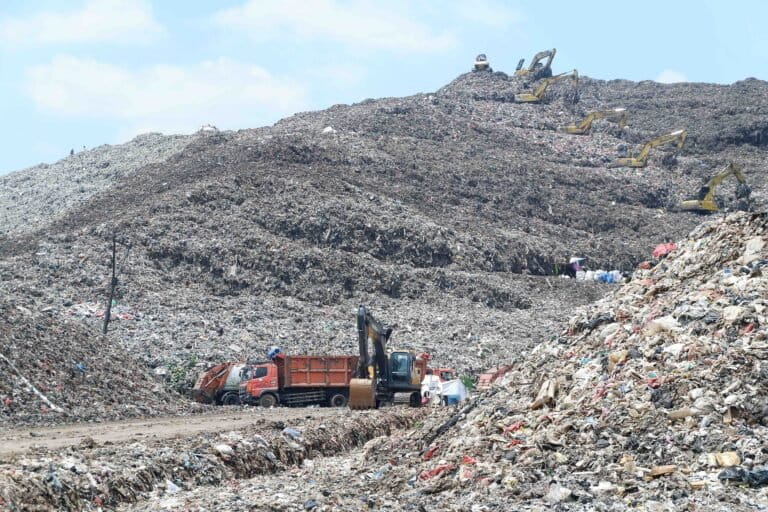
The waste management crisis in Jakarta has evolved far beyond a mere sanitation issue, transforming into a multifaceted emergency involving environmental degradation, public health risks, and deep-seated social injustices. By 2025, the daily volume of waste transported from the Indonesian capital to the Bantar Gebang Integrated Waste Treatment Site (TPST) reached a staggering average of 7,354 tons. Over the course of that year alone, the total accumulation of waste funneled into the facility amounted to 2.68 million tons. This relentless influx has pushed the site to its physical limits, resulting in repeated landfill landslides that have, in the most tragic instances, claimed human lives. The ramifications of this mismanagement extend well beyond the borders of the landfill; they are felt in the clogged drainage systems, contaminated rivers, chronic flooding, and deteriorating air quality that plague the metropolitan area.
For residents of North Jakarta and the coastal fringes, the situation is particularly dire. The geographical vulnerability of these areas, characterized by their proximity to river mouths and the sea, makes them susceptible to worsening tidal floods (rob). In densely populated settlements along riverbanks, residents frequently face the arrival of "waste deluges" carried downstream from higher elevations. This phenomenon highlights a critical gap in the "collect-transport-dump" model that has long defined Jakarta’s waste strategy. Data from the Jakarta Environmental Agency in 2025 indicates that approximately 60% of the city’s waste originates from households. Despite this, public understanding of waste management remains largely limited to the disposal of refuse, with many viewing waste as a valueless byproduct rather than a potential economic resource.
The Technical and Economic Hurdles of Waste-to-Energy
In recent years, the Jakarta provincial government has explored Waste-to-Energy (WtE) technologies as a primary solution to the landfill crisis. The conceptual appeal of WtE lies in its ability to incinerate waste to produce thermal energy, measured by its calorific value. However, research conducted by the School of Environmental Science at the University of Indonesia reveals a significant technical hurdle: the calorific value of Jakarta’s waste is below the necessary standards for efficient energy production. This is primarily because more than 50% of the city’s waste is organic.
The high moisture content of organic waste necessitates an intensive and costly drying process before incineration can occur. Without effective sorting at the source, the operational costs of WtE facilities skyrocket while the energy output remains suboptimal. Consequently, source-based segregation—separating organic from inorganic waste at the household level—emerges as the most sustainable and cost-effective solution. This approach not only reduces the burden on landfills and processing facilities but also preserves the value of recyclable materials, fostering a circular economy.
The PHINLA Program: A Community-Based Intervention
To address these systemic issues, the PHINLA program was launched in 2024 as a multi-country waste management initiative. Supported by the German Government (BMZ) and implemented by Divers Clean Action in partnership with Wahana Visi Indonesia (WVI), the program aims to improve livelihoods through community-based waste management and policy advocacy. In Jakarta, the program has been implemented across four sub-districts in North Jakarta, two in East Jakarta, and six islands within the Thousand Islands (Kepulauan Seribu) Regency.
The core philosophy of PHINLA is to empower households to manage their waste independently. By encouraging residents to sort their refuse, the program enables them to deposit recyclable materials into waste banks, where they are converted into monetary savings. This initiative is further bolstered by a collaboration with the Association for Savings and Loans for Child Welfare (Aska). Through this partnership, parents are encouraged to save their waste bank earnings in micro-cooperatives specifically designated for their children’s future needs, such as education and healthcare.
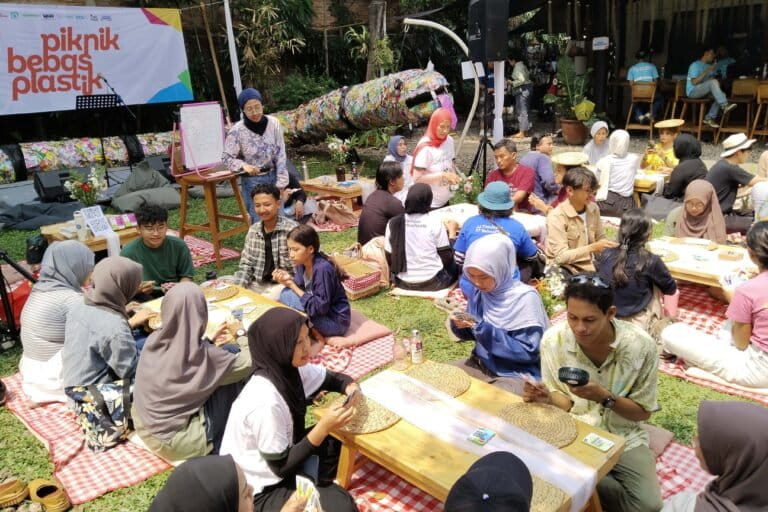
The program’s methodology relies heavily on the Civil Voice Action (CVA) approach. This forum serves as a platform for citizens to engage in dialogue, helping them understand their local environmental conditions and empowering them to advocate for better services. The initiative involves a broad spectrum of stakeholders, including 24 active waste banks, village cadres, "Jumantik" (mosquito nest monitors), the Environmental Agency, and local government officials. Together, these groups have developed joint action plans to enhance waste processing services at the grassroots level.
Strengthening the Infrastructure of Waste Banks
As of 2026, the PHINLA program has reported significant progress, with 2,600 active members across 24 waste banks consistently practicing waste segregation. The program has successfully educated more than 10,000 families on the importance of the circular economy. Beyond education, PHINLA provides tangible physical support to bridge the infrastructure gap. This includes the provision of waste carts, baskets, scales, ledgers for members, sacks, and other essential tools for waste collection and management.
However, the CVA forums have also highlighted persistent structural challenges that hinder the full realization of these programs. Participants identified four crucial areas requiring urgent attention:
- Quality of Education: While socialization efforts exist, there is a profound need for more consistent and high-quality training to shift public behavior long-term.
- Facility Availability: Many regions still lack the basic infrastructure necessary to support community-led waste management.
- Land and Space Constraints: Existing waste banks often struggle to operate optimally due to a lack of dedicated land or permanent buildings.
- Operational Funding: Minimal budget allocations for operational costs limit the ability of communities to conduct large-scale education, collection, and processing activities.
Policy Recommendations and the Path to Sustainability
For Jakarta to overcome its waste crisis, the provincial government must establish a Minimum Service Standard for community-based household waste management. This requires a shift from viewing waste management as a purely environmental task to a cross-sectoral priority. Collaboration between the Environmental Agency and the Health Agency is essential to educate the public on the link between waste and disease prevention, thereby driving behavioral change.
Furthermore, infrastructure solutions must be tailored to the specific needs of each region. In the Thousand Islands, for instance, where household segregation is already showing promise, there is an urgent need for specialized vessels to transport sorted waste to processing hubs. On the mainland, the integration of waste management into the Development Planning Deliberation (Musrenbang) process is vital. By prioritizing waste management at the village and sub-district levels, local governments can ensure that technical capacity building and facility procurement are adequately funded.
The government’s commitment to building a scheduled and sorted waste transportation system is perhaps the most critical factor in maintaining public participation. If citizens go through the effort of sorting their waste only for it to be mixed together again during collection, the incentive to participate vanishes. A reliable, segregated collection system would validate the community’s efforts and solidify the transition toward a circular economy.
The Right to a Healthy Environment for Future Generations
At its heart, the struggle for better waste management is a struggle for the rights of children. Living in a clean and healthy environment is a prerequisite for proper physical and cognitive development. Children raised in areas free from the stench of unmanaged refuse and the dangers of contaminated water are better positioned to maximize their potential and contribute to society.
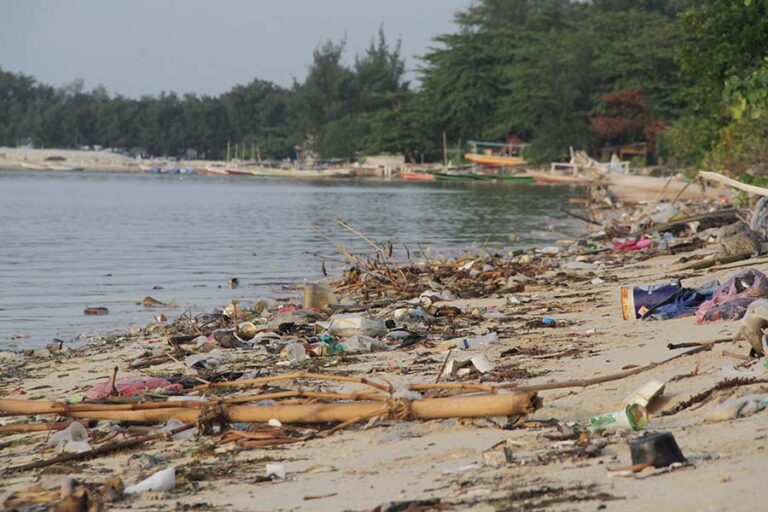
The environmental conditions currently seen in areas like Bantar Gebang or the polluted shores of Pari Island are not inevitable. They are the result of decades of systemic neglect and a "dump-and-forget" mentality. Reversing this trend requires a unified commitment from the government, non-governmental organizations, the private sector, and the citizenry. As demonstrated by the PHINLA program and the efforts of Wahana Visi Indonesia, community-led initiatives can provide a blueprint for success, but they must be supported by robust policy frameworks and infrastructure.
The future of Jakarta depends on whether it can successfully transition from a city that is buried by its own consumption to one that manages its resources with foresight and equity. By focusing on source-based segregation and empowering local communities, Jakarta can mitigate the health risks, environmental damage, and social injustices that have long defined its waste landscape, ensuring a cleaner and more resilient city for the generations to come.