Tyo Susilo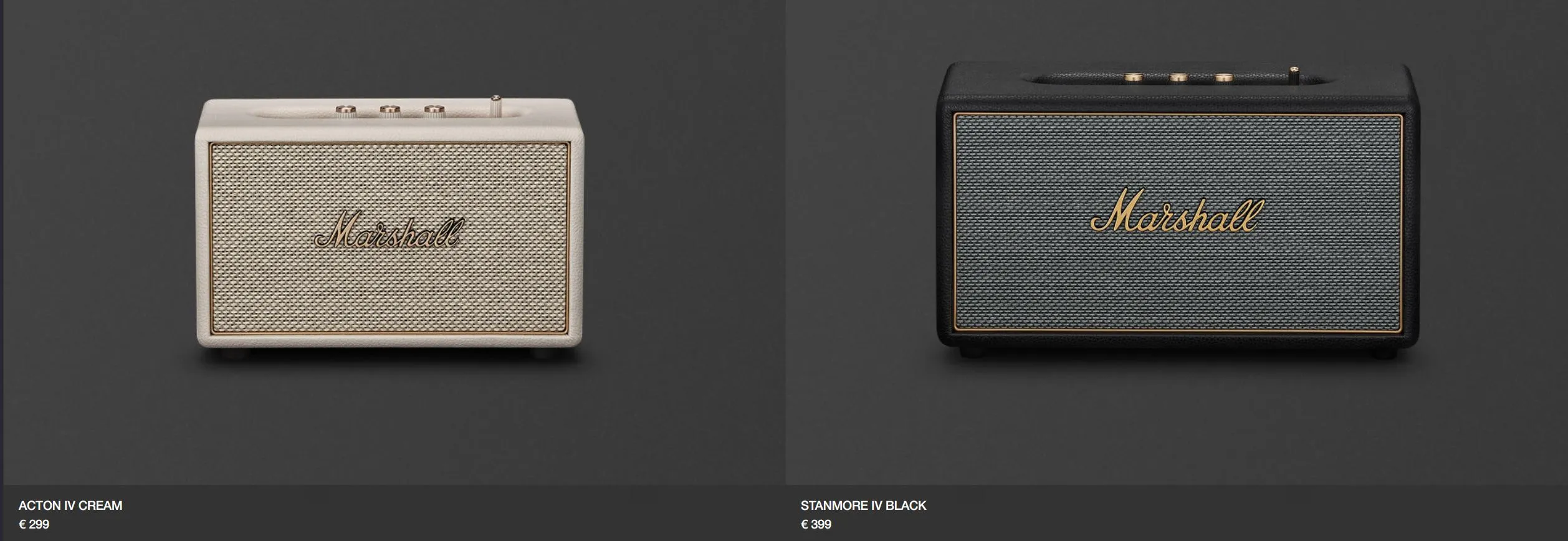
After a four-year hiatus, Marshall has officially launched the next generation of its beloved Acton and Stanmore speaker lines, the Acton IV and Stanmore IV. These new models arrive with significant upgrades across audio performance, connectivity, and design, all while remarkably maintaining the same price point as their predecessors. This strategic release signals Marshall’s continued commitment to delivering its signature sound and aesthetic to audiophiles and design enthusiasts alike, building upon a legacy that spans decades.
A Sonic Evolution: Precision Engineering for Immersive Soundscapes
Marshall claims to have fundamentally re-engineered the sonic capabilities of both the Acton IV and Stanmore IV. The brand’s engineers have meticulously redesigned the tweeters and waveguide systems. This refinement is intended to produce a more expansive and uniform soundstage, ensuring that listeners experience a richer, more enveloping audio environment. The objective is to fill any room with a balanced and detailed sound, whether for casual listening, immersive movie experiences, or focused audio appreciation.
Further enhancing the acoustic performance, the bass port design has also undergone significant upgrades. Marshall asserts that this optimization will result in deeper, cleaner bass reproduction. This is a critical improvement for many listeners who seek a powerful low-end presence that complements the clarity of mid and high frequencies. The pursuit of such a well-rounded sound profile underscores Marshall’s dedication to delivering a high-fidelity audio experience that lives up to its iconic brand reputation.
Design Heritage Meets Modern Functionality: Enduring Aesthetics, Enhanced Usability
While the audio enhancements are substantial, the new Acton IV and Stanmore IV retain the instantly recognizable Marshall aesthetic. The classic brass control panel on the top remains a central design element, a nod to the brand’s rich heritage in audio amplification. However, these modern iterations introduce a more contemporary media control interface, streamlining user interaction.
A practical design consideration addressed in this generation is cable management. A new cable pathway has been incorporated at the base of the speakers, facilitating a tidier placement, particularly when positioned close to walls. This thoughtful detail aims to improve the overall aesthetic integration of the speakers within a living space.
Marshall’s commitment to sustainability is also evident in the new models. The brand has prioritized the use of FSC-certified wood in their construction. Furthermore, key components such as the grille, knobs, and speaker feet have been designed for easier replacement. This modular approach not only enhances the product’s longevity but also simplifies maintenance and repair, aligning with a more circular economy ethos in consumer electronics.
Expanding Horizons: Enhanced Connectivity for the Modern Audiophile
One of the most significant additions to the Acton IV and Stanmore IV is the direct connectivity to turntables via RCA and AUX ports. This feature was notably absent in the previous Acton III and Stanmore III models, and its reintroduction is a strong signal that Marshall is listening to consumer demand for versatile, retro-inspired audio setups. This direct connection allows vinyl enthusiasts to seamlessly integrate their turntables into their Marshall audio systems, preserving the authentic analog sound.

The new speakers also incorporate Adaptive Loudness technology. This intelligent feature dynamically adjusts the equalization of the sound at lower volumes, ensuring that the bass remains robust and present even when the overall listening level is reduced. This is particularly beneficial for late-night listening sessions or when the speakers are not being pushed to their maximum output.
In terms of wireless connectivity, both models are equipped with Bluetooth 5.3, offering a stable and efficient wireless connection. The inclusion of LDAC codec support is a significant upgrade for audiophiles, enabling high-resolution audio streaming from compatible devices. This ensures that wireless audio quality is not compromised, delivering a listening experience that is as close to wired as possible.
Adding to the advanced connectivity suite is the support for Auracast. This innovative technology allows multiple Marshall speakers to be linked together simultaneously, creating a synchronized audio experience across a larger area. This is ideal for parties, larger gatherings, or simply for extending the immersive sound throughout a home.
Hardware Specifications: Power and Precision Across the Lineup
Under the hood, the Stanmore IV is equipped with a 5-inch woofer, while the Acton IV features a slightly smaller 4-inch woofer. Both models are complemented by two 0.75-inch tweeters, all driven by efficient Class D amplifiers. This configuration is designed to deliver a powerful yet precise audio output, catering to different room sizes and listening preferences.
The Acton IV is priced at USD 330 (approximately Rp5.9 million), and the Stanmore IV at USD 430 (approximately Rp7.7 million). These prices remain consistent with the previous generation, making these upgraded speakers an even more compelling value proposition in the premium home audio market.
Available in classic black or a sophisticated cream finish, the Acton IV and Stanmore IV are poised to continue their reign as iconic pieces of audio hardware, blending timeless design with cutting-edge technology.
Background and Context: A Legacy of Sound and Style
Marshall Amplification, a name synonymous with rock and roll heritage, has successfully translated its iconic amplifier aesthetic into a line of popular home audio products. The Acton and Stanmore series, in particular, have garnered a dedicated following for their distinctive vintage look, robust build quality, and impressive sound performance. The release of new generations, such as the Acton IV and Stanmore IV, is a significant event for both the brand and its consumers, representing an evolution of a product line that has already achieved considerable success.
The four-year gap between the III and IV generations suggests a period of focused research and development, aimed at incorporating the latest audio technologies and addressing consumer feedback. This extended development cycle often leads to more substantial improvements, as seen in the comprehensive upgrades to the audio components, connectivity features, and design elements of the new models.

The continued emphasis on maintaining price parity with previous generations, despite the significant enhancements, is a strategic move by Marshall. In a competitive market, this approach offers consumers greater perceived value, encouraging upgrades and attracting new customers who may have previously considered the price point a barrier. This demonstrates a commitment to accessible luxury within the audio segment.
Analysis of Implications: Reinforcing Market Position and Consumer Trust
The launch of the Acton IV and Stanmore IV solidifies Marshall’s position as a leader in the lifestyle audio segment. By offering substantial improvements in sound quality and connectivity, such as LDAC and Auracast support, Marshall is catering to the evolving demands of modern consumers who seek both premium audio performance and advanced wireless capabilities. The reintroduction of RCA input for turntables is a particularly astute move, tapping into the resurgence of vinyl and appealing to a demographic that values both vintage charm and contemporary convenience.
The focus on sustainable materials and repairability also aligns with growing consumer consciousness regarding environmental impact. This commitment can enhance brand loyalty and differentiate Marshall from competitors who may not be prioritizing these aspects. By making components easier to replace, Marshall is not only promoting longevity but also fostering a sense of long-term value for its customers.
The decision to retain the original pricing strategy is a bold and consumer-friendly choice. It suggests that Marshall has achieved significant efficiencies in its manufacturing processes or has strategically absorbed some of the increased production costs to maintain market competitiveness. This can lead to increased sales volume and market share, as consumers perceive a tangible upgrade without a financial penalty.
Broader Impact: Influencing Trends in Home Audio Design and Functionality
The success of Marshall’s approach – blending iconic design with technological innovation and a commitment to value – has undoubtedly influenced other brands in the home audio space. The trend towards retro-inspired aesthetics, coupled with advanced features like high-resolution wireless audio and multi-room connectivity, is likely to continue. Marshall’s latest offerings set a high benchmark for what consumers can expect from premium lifestyle speakers, pushing the industry forward in terms of both form and function.
The emphasis on user-replaceable parts and sustainable materials could also encourage a broader shift towards more environmentally conscious product design across the consumer electronics industry. As consumers become more aware of the lifecycle of their products, brands that proactively address these concerns are likely to gain a competitive advantage.
In conclusion, the Marshall Acton IV and Stanmore IV represent a significant evolution for the iconic brand. They are not merely incremental updates but thoughtfully engineered products that enhance sound, connectivity, and sustainability, all while respecting their heritage and maintaining accessible pricing. This release underscores Marshall’s enduring appeal and its ability to adapt to the ever-changing landscape of consumer audio preferences.