Eko Sulistyo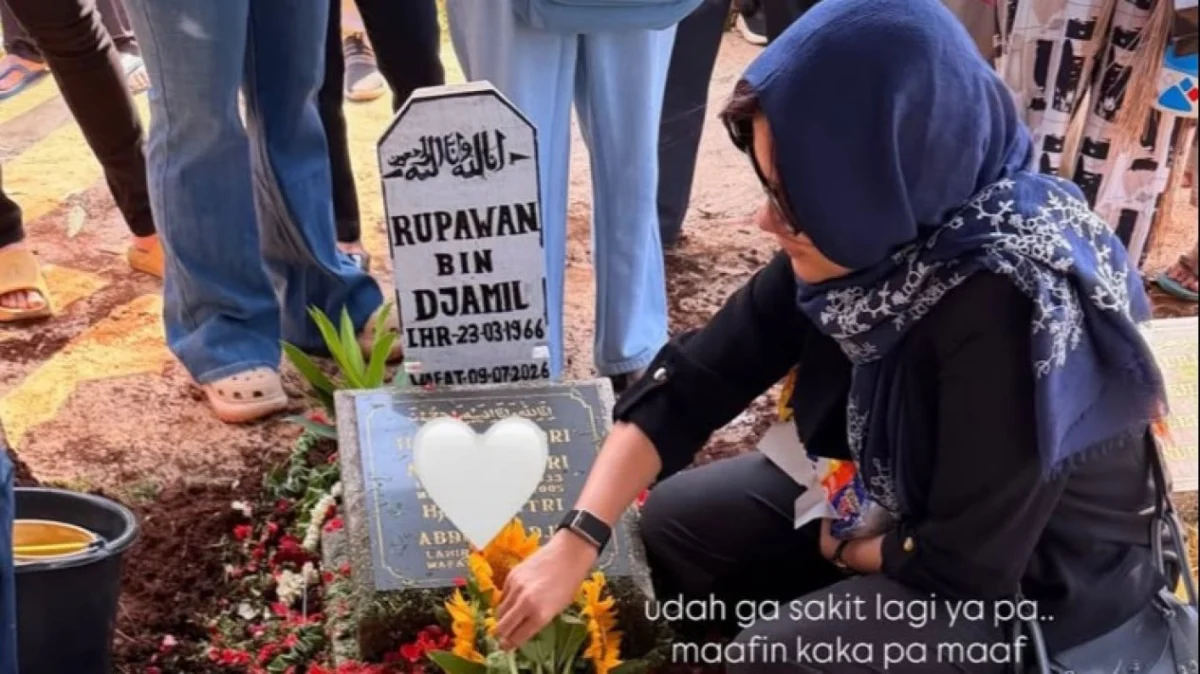
The Indonesian entertainment industry is in a state of mourning following the news that Rupawan Djamil, the father of renowned actress and presenter Audi Marissa, passed away on Thursday, July 9, 2026. The news of his departure was confirmed through a series of poignant social media updates shared by Audi Marissa, which detailed the family’s loss and the subsequent funeral proceedings. Mr. Djamil, who was 60 years old at the time of his death, was a central figure in the actress’s life, and his passing has triggered a wave of condolences from colleagues, fans, and the general public across Indonesia.
The loss marks a somber moment for Audi Marissa, a prominent figure in the country’s television and film sectors. Known for her private but deeply rooted family values, the actress utilized her digital platforms to communicate the news to her millions of followers, providing a glimpse into the grieving process of a family that has long been under the public spotlight.
Chronology of Events and Funeral Proceedings
The timeline of the event began on the evening of Thursday, July 9, 2026, when reports first surfaced regarding the health of Rupawan Djamil. While the family had maintained a level of privacy regarding his medical condition, it was later revealed through Audi’s social media that he had been battling an illness for some time. The official announcement of his passing was shared shortly after, stating that Rupawan Djamil bin Djamil Badri had returned to the Almighty at the age of 60.
On the morning of Friday, July 10, 2026, the family gathered at the funeral home to pay their final respects before the body was prepared for burial. The atmosphere was described as deeply emotional, with family members and close friends in attendance. The funeral procession took place later that morning, moving toward the TPU Layur (Layur Public Cemetery) in East Jakarta.
By 12:02 WIB on Friday, the burial rites were completed. Audi Marissa shared images of the burial plot, adorned with fresh flowers and a traditional wooden headstone, signifying the finality of the earthly journey for her father. The speed and solemnity of the proceedings followed traditional Indonesian customs, emphasizing a swift return to the earth accompanied by communal prayers.
A Daughter’s Tribute: The Emotional Impact of Loss
Audi Marissa’s public expression of grief was characterized by its simplicity and raw emotion. In her initial Instagram post, she shared a photograph of the funeral announcement with a one-word caption: “Paa..” The brevity of the message resonated with many, illustrating the profound shock and void left by the patriarch’s passing.
Following the burial at TPU Layur, Audi posted a second update that offered more insight into the family’s recent struggles. She wrote, “Udah ga sakit lagi ya pa.. maafin kaka pa maaf” (You aren’t in pain anymore, Pa.. please forgive me, Pa, forgive me). This statement suggests that Rupawan Djamil had been suffering from a prolonged medical condition, providing context to the family’s sense of relief that his suffering had ended, balanced against the inevitable guilt and sorrow that accompanies the loss of a parent.
The phrase "maafin kaka" (forgive me) holds significant cultural weight in Indonesia. It reflects the traditional values of bakti (filial piety), where children often seek forgiveness from their parents for any perceived shortcomings in their care or conduct. This public display of vulnerability highlighted the human side of a celebrity often seen in high-energy roles on screen, bridging the gap between the star and her audience through the universal experience of grief.
The Life and Career Context of Audi Marissa
To understand the impact of this loss, it is essential to look at the career and public standing of Audi Marissa. Born Audi Marissa Perdana, she has been a staple of Indonesian television for over a decade. Her journey began in the modeling industry before she transitioned into acting, where she found immense success in Sinetrons (Indonesian soap operas) and FTVs (Television Movies).
Her breakthrough roles in titles like Diam-Diam Suka and Magic Hour established her as a versatile actress capable of handling both comedic and dramatic narratives. Beyond acting, Audi’s charismatic personality led her to a successful career as a television presenter, hosting various variety shows and music programs. Throughout her rise to fame, she has often been noted for her professionalism and her ability to maintain a positive public image.
In 2020, Audi married fellow actor Anthony Xie. The couple’s relationship has been a subject of significant public interest, particularly their journey into parenthood with the birth of their son, Anzel Maverick Xie. Throughout these life milestones, the support of her parents, including Rupawan Djamil, was often cited as a foundational element of her stability.
Industry Reactions and Public Support
The news of Rupawan Djamil’s passing prompted an immediate response from the Indonesian entertainment community. High-profile celebrities, including fellow actors, directors, and producers, took to social media to offer their condolences. The comments sections of Audi’s posts were filled with messages of support, emphasizing the tight-knit nature of the industry during times of personal tragedy.
Fans also played a significant role in the digital wake. As a public figure with a massive following, Audi’s grief became a shared experience for many who had followed her career since her teenage years. The outpouring of "Innalillahi wainna ilaihi rojiun" (Surely we belong to Allah and to Him we shall return) and various prayers for the deceased reflected the religious and cultural solidarity prevalent in Indonesian society.
While official statements from talent agencies were brief, the collective reaction highlighted Audi’s reputation as a well-liked and respected individual within the industry. The presence of colleagues at the funeral home further underscored the professional and personal bonds she has cultivated over her years in the limelight.
Broader Implications: Grief and Social Media in the Digital Age
The manner in which Audi Marissa communicated her father’s passing reflects a broader trend in how public figures navigate private tragedies in the age of social media. For celebrities, these platforms serve as both a news outlet and a space for emotional catharsis. By sharing the funeral announcement and her personal thoughts, Audi maintained control over the narrative of her family’s loss, preventing the spread of misinformation or intrusive speculation by tabloid media.
This transparency, however, comes with the challenge of grieving in the public eye. The psychological impact of receiving thousands of messages while processing a primary loss is a phenomenon unique to the modern era. Analysts of digital culture suggest that for many celebrities, the "digital tribute" is a way to honor the deceased while acknowledging the community of fans who feel a parasocial connection to the family.
Furthermore, the focus on her father’s release from pain ("Udah ga sakit lagi") brings attention to the importance of palliative care and the emotional toll on family caregivers. While the specific nature of Mr. Djamil’s illness was not disclosed, the sentiment shared by Audi is one that many families facing chronic illness can relate to, making her experience a touchpoint for broader conversations about health and mortality.
The Cultural Significance of Mourning in Indonesia
The burial at TPU Layur and the subsequent religious observances are indicative of the deep-seated cultural traditions surrounding death in Indonesia. Regardless of the deceased’s social standing, the emphasis remains on community support, prayer, and a respectful return to nature. TPU Layur, located in the Pulogadung area of East Jakarta, is a well-known public cemetery that serves as the final resting place for many residents of the capital, symbolizing the egalitarian nature of the final rites.
In the coming days, it is expected that the family will hold traditional prayer gatherings (Tahlilan), a common practice in Indonesia to pray for the soul of the departed. These gatherings serve as a support system for the bereaved, ensuring that they are not alone in the immediate aftermath of their loss.
Conclusion and Legacy
The passing of Rupawan Djamil is a significant personal milestone for Audi Marissa, marking the transition into a life without a primary paternal figure. As she balances the demands of her career and her responsibilities as a mother, the strength of her family unit—supported by her husband Anthony Xie—will likely be her primary focus.
The entertainment industry continues to offer its tributes, recognizing that behind every public persona is a family history that shapes their art and character. For Audi Marissa, the legacy of her father lives on through her work and the values she continues to demonstrate in the public sphere. As the family moves through the period of mourning, the public remains respectful of their privacy, honoring the memory of a man who, while not a performer himself, was instrumental in supporting one of Indonesia’s most beloved talents.
The story of Rupawan Djamil’s passing is a reminder of the fragility of life and the enduring strength of the bond between a father and his daughter. As Audi Marissa returns to her professional duties in the future, she does so with the memory of her father and the collective prayers of a nation that has stood by her during this difficult time.