Nila Kartika Wati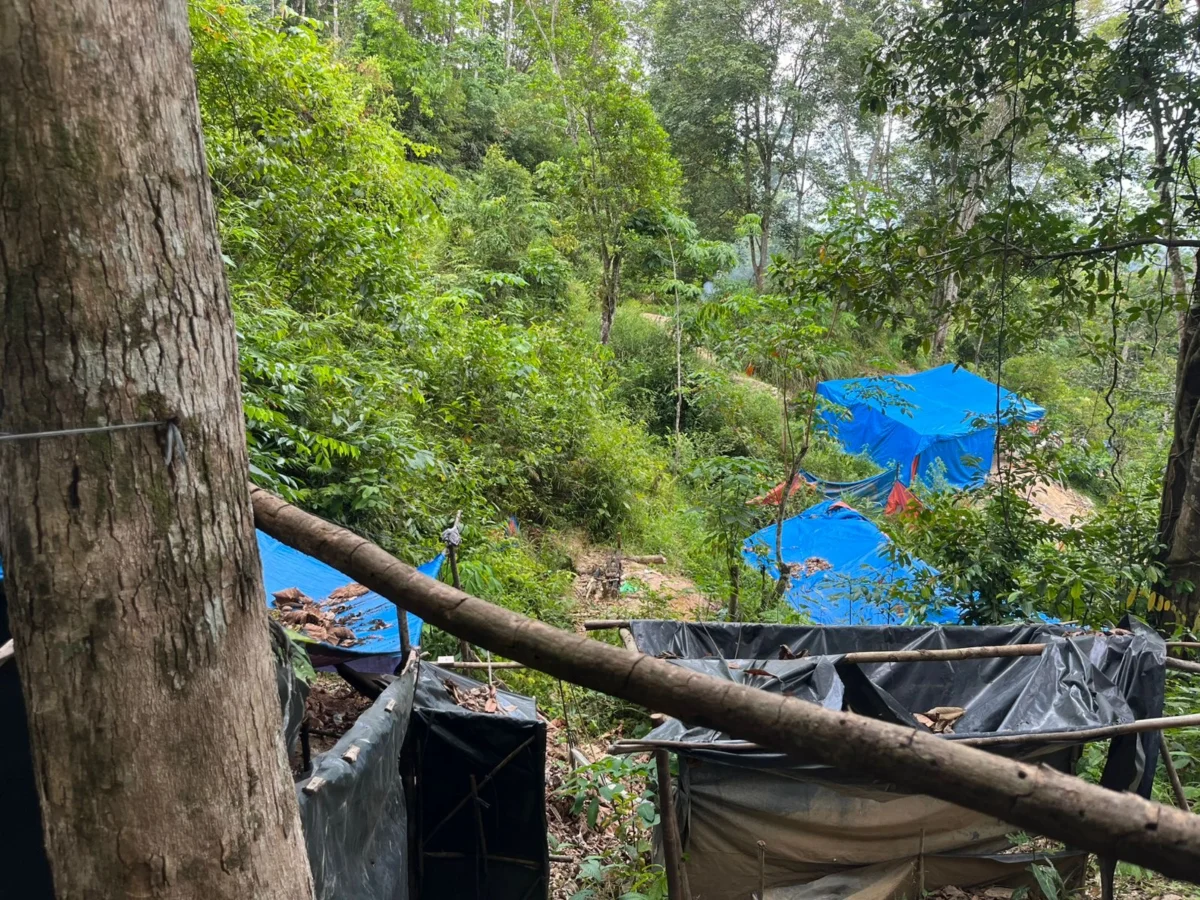
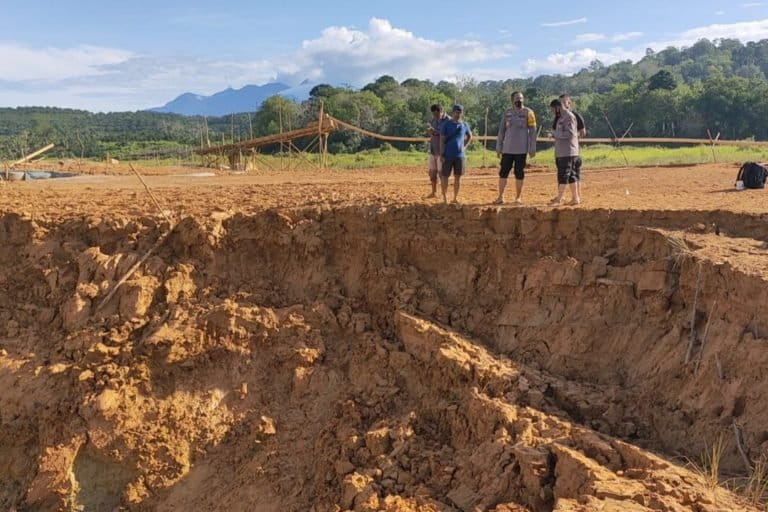
The Mandailing Natal Regency in North Sumatra has once again become the site of a tragic industrial disaster as a landslide at an illegal gold mining operation buried nine workers on Saturday, July 4, 2026. The incident, which occurred in the Kotanopan District, has resulted in at least two confirmed fatalities, identified as Erlin Nasution, a resident of Tarlola Village, and Zulparman, from Aek Guo Village. As search and rescue operations continue for the remaining workers, the disaster highlights a persistent and deadly cycle of unregulated mining, environmental degradation, and economic desperation that plagues the region.
The tragedy struck just twenty-four hours after a high-profile integrated operation was conducted by a joint task force comprising the North Sumatra Environment and Forestry Service, the Industry and Trade Service, and the Energy and Mineral Resources (ESDM) Service. Despite the presence of provincial authorities and the seizure of heavy machinery just a day prior, mining activities appeared to have resumed almost immediately, leading to the fatal collapse of the unstable hillside.
Immediate Response and Criminal Investigation
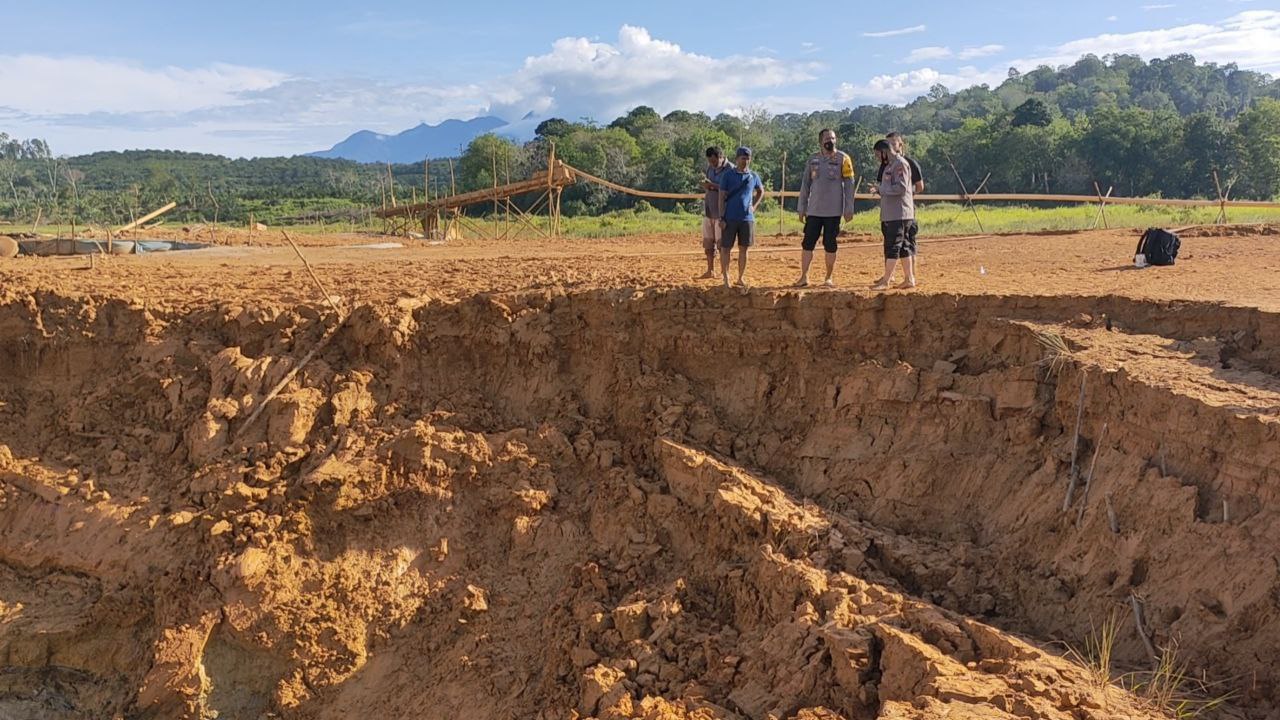
Following the landslide, the Mandailing Natal Police (Polres Madina) dispatched a specialized investigation team to the site. AKP Tri Boy Alvin Siahaan, Head of the Criminal Investigation Unit, confirmed that the area has been cordoned off with police lines to preserve the scene for forensic analysis. While the primary focus remains the evacuation and recovery of victims, the police are simultaneously building a criminal case against the operators and financiers behind the illegal site.
"We are currently gathering comprehensive chronological data and have already questioned several witnesses," AKP Siahaan stated. He emphasized that the investigation will not be limited to the workplace accident itself but will delve into the broader network of "actors" involved in the Unlicensed Mining (PETI) operations. This includes identifying the "pemodal" or wealthy backers who provide the capital for heavy machinery and logistics while remaining insulated from the physical risks faced by the laborers.
The recovery effort is reportedly fraught with difficulty. Rescue teams must navigate treacherous terrain where the soil remains highly saturated and unstable. "The evacuation process is being handled with extreme caution because the ground conditions at the location have not yet stabilized," Siahaan added. The two deceased victims have been transported to a local hospital for post-mortem examinations before being returned to their families.
A Recurring Cycle of Death and Disaster
This latest incident is far from an isolated event. Data compiled by "For Madina," a local research and advocacy group, suggests that Mandailing Natal has become a "killing field" for illegal miners. Azura Borotan, a researcher for the organization, noted that between January 2025 and July 2026, more than a dozen individuals have lost their lives in similar mining accidents across the regency.
The chronology of recent disasters paints a grim picture of the risks involved:
- January 2025: Two miners killed in a collapse at the Huta Bargot mountains.
- May 2025: Three workers buried alive in the Batang Natal district.
- January 2026: One fatality recorded at a site near the Batang Gadis River.
- March 2026: Two miners died in Simanguntong, Batang Natal.
According to Borotan, the districts of Batang Natal and Kotanopan are particularly hazardous due to their location on the "Sunda Arc," a geologically active volcanic belt. This region is characterized by young, hydrothermal deposits that are rich in gold but structurally weak. The rock formations frequently undergo "argillic alteration," a process where geothermal fluids turn hard rock into soft, slippery clay minerals like kaolin.
"These clay minerals are inherently unstable," Borotan explained. "They expand when wet and become incredibly slick when dry. When you combine this geological instability with manual mining techniques that lack proper shoring or structural support, the slopes become ticking time bombs. Gravity, heavy rainfall, or even the vibrations from ‘dompeng’ (diesel engines used in mining) are enough to trigger a massive collapse."
The Ecological Price of Illegal Gold
Beyond the immediate loss of human life, the proliferation of illegal gold mining is wreaking havoc on the North Sumatran ecosystem. The use of mercury in the gold extraction process has reached "massive" proportions, according to environmentalists. Mercury is used to create an amalgam with gold, which is then heated to leave behind the pure metal. During this process, toxic vapors are released into the air, and liquid mercury is often dumped directly into the soil and water systems.
The Batang Gadis River, a vital water source for thousands of residents, is facing a crisis of contamination. "The damage is not just local; it is systemic," Borotan warned. "We are seeing the destruction of forest cover, the alteration of river morphologies, and a level of chemical pollution that will take decades to remediate. This is no longer just an environmental issue; it is a public health emergency."
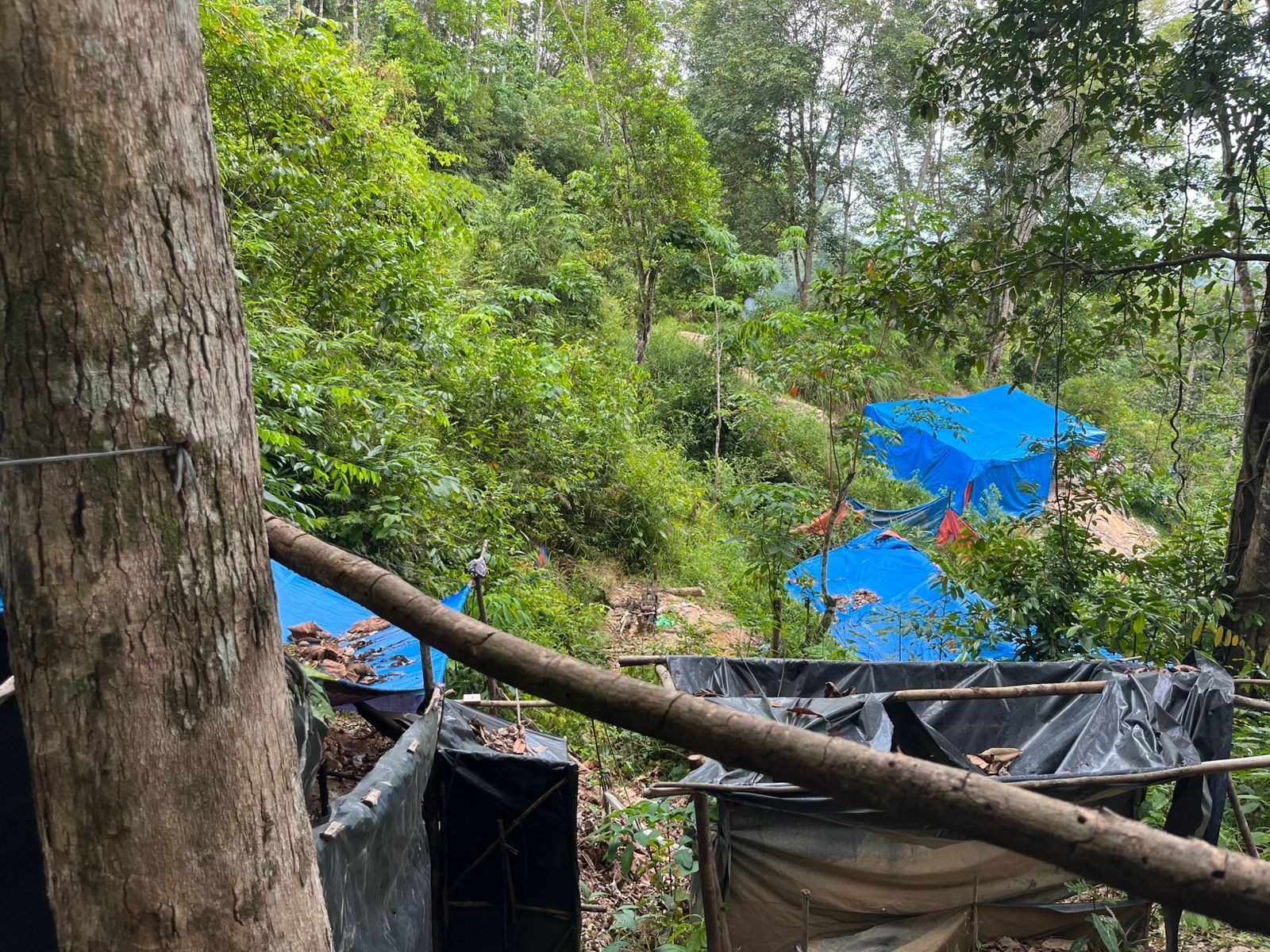
For Madina has called on the government to initiate a massive soil remediation project. This would involve moving mercury-laden tailings to hazardous waste (B3) disposal sites and re-engineering the landscape to flatten dangerous cliffs and fill in abandoned pits. However, the sheer scale of the damage and the remote nature of the sites make such efforts prohibitively expensive and logistically challenging.
Socio-Economic Drivers and the "Shortcut" to Survival
The persistence of illegal mining in Mandailing Natal is deeply rooted in the region’s socio-economic landscape. Despite the known risks, many local residents view mining as the only viable path to a living wage. In an area where formal employment is scarce and agricultural cycles are long and vulnerable to market fluctuations, the lure of "quick gold" is powerful.
"For many families who lack access to capital, illegal mining is seen as a shortcut to survival," Borotan said. "If you plant crops, you wait months for a harvest that might not pay well. In the mines, you might find enough gold in one day to feed your family for a month. Without providing a realistic economic alternative, raids and law enforcement will only have a temporary effect."
To break this cycle, For Madina has proposed a three-pillar strategy for economic transition:
- Agrotourism Development: Leveraging the natural beauty of Mandailing Natal, including its waterfalls and world-renowned coffee plantations, to create a sustainable tourism economy.
- Vocational Training: Providing the younger generation with skills in non-mining sectors, such as food processing, construction services, and traditional handicrafts.
- MSME Support: Improving access to micro-credit and business mentoring for former miners who wish to start sustainable enterprises.
Government Intervention and the Push for Legalization
The North Sumatra provincial government has expressed frustration over the "cat-and-mouse" games played by mining operators. Heri Wahyudi Marpaung, Head of the North Sumatra Environment and Forestry Service, revealed that the raid conducted just before the landslide was a direct response to public outcries and social media reports of massive environmental destruction in Kotanopan.
During that raid, authorities identified two individuals, GD and PW, as the primary owners of the illegal operation. The task force seized excavators and other heavy equipment, but the quick resumption of work—and the subsequent tragedy—suggests that the operators are willing to gamble with lives to protect their profits.
In response to the crisis, Saipullah Nasution, the Regent of Mandailing Natal, has proposed a middle-ground solution: the formalization of "People’s Mining Areas" (Wilayah Pertambangan Rakyat or WPR). The local government has identified 34 potential sites that could be legally managed by the community under strict environmental and safety regulations.
"Our commitment is to ensure that mining activities can be conducted in an environmentally friendly manner that does not destroy our forests or poison our water," Nasution stated. He noted that the Regency has already applied for exploration permits from the Ministry of Energy and Mineral Resources in Jakarta. "By legalizing and regulating these sites, we can provide technical guidance to miners, prevent the use of mercury, and ensure that the wealth generated from our land contributes to the regional budget and the welfare of all citizens."
Currently, of the seven existing traditional mining zones in the region, six are reportedly in a state of "severe damage" due to a lack of oversight. The Huta Bargot area is cited as a prime example of an ecological dead zone created by unregulated extraction.
Conclusion: A Crisis of Humanity and Governance
The fatal landslide in Kotanopan serves as a stark reminder that the "gold fever" in Mandailing Natal is a symptom of a much larger failure. The combination of precarious geology, environmental negligence, and economic desperation has created a humanitarian crisis that cannot be solved through police raids alone.
While the provincial government’s task force continues to play "cat-and-mouse" with illegal operators, the death toll continues to rise. The proposed transition to a regulated "People’s Mining" system offers a glimmer of hope, but its success depends on the government’s ability to provide genuine economic alternatives and the political will to hold powerful financiers accountable.
As the search for the missing workers continues under the unstable cliffs of Madina, the regional community is left to grapple with a painful truth: until the structural causes of illegal mining are addressed, the soil of Mandailing Natal will continue to claim the lives of those who dig into it for survival. The transition from a "shortcut" economy to a sustainable one is no longer just a policy recommendation; for the people of Madina, it is a matter of life and death.