Hadi Wijaya
The decision to remain childfree, a lifestyle choice characterized by the voluntary decision not to have children, has emerged as a significant point of discourse in contemporary social and psychological circles. While the concept is not new, its visibility has surged in recent years, prompted by shifting cultural values, economic pressures, and a growing emphasis on individual autonomy. Nuzulia Rahma Tristinarum, a prominent family psychologist and counselor, highlights that the motivations behind such a life-altering decision are often complex, rooted in both conscious deliberations and deeply embedded, unconscious psychological drivers. According to Tristinarum, the choice to opt out of parenthood is rarely a whim but is frequently the result of a confluence of personal history, environmental influences, and a pragmatic assessment of one’s capacity to meet the demands of child-rearing.
The Psychological Foundation of the Childfree Decision
A primary factor identified by psychologists in the decision to remain childfree is the influence of past experiences, particularly those occurring during formative years. Tristinarum, often referred to as Lia, explains that an individual’s upbringing can create a specific internal perception of parenthood that dictates their adult choices. In many cases, this manifests as a protective mechanism against repeating perceived failures of the previous generation.
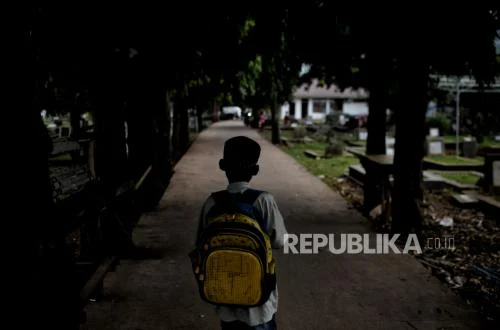
One of the most profound drivers is the presence of unresolved childhood trauma. Lia cites instances where children who suffered neglect or abuse at the hands of caregivers develop a protective cynicism toward the concept of family. For example, a child frequently left with abusive or indifferent caregivers may internalize the belief that bringing a child into the world is an act of irresponsibility if the parent cannot guarantee a safe and nurturing environment. In these instances, the decision to be childfree is framed as a moral or responsible choice—a way to ensure that no further suffering is inflicted upon a new generation. This "luka hati" or deep heart-wound, characterized by anger and trauma, often leads individuals to conclude that the cycle of neglect must end with them.
Socioeconomic Pressures and the "Sandwich Generation" Phenomenon
Beyond psychological trauma, the practicalities of modern economics play a pivotal role in the rise of the childfree movement. The financial burden of raising a child has increased exponentially in the 21st century, encompassing costs for healthcare, high-quality education, and general cost-of-living adjustments. For many, the math simply does not add up, leading to a pragmatic "economic unreadiness."
In many developing and middle-income nations, a specific demographic pressure known as the "Sandwich Generation" contributes significantly to this trend. This refers to adults who are simultaneously supporting their aging parents and perhaps younger siblings while trying to establish their own financial stability. Tristinarum notes that individuals who serve as the primary "tulang punggung" (backbone) or breadwinner for their extended families often feel they lack the surplus resources—both financial and emotional—to support a child of their own. For these individuals, the addition of a dependent represents a risk to the stability of the existing family unit they are already supporting. This is not limited to women; many men also cite the immense pressure of being the sole provider as a reason to forgo fatherhood, fearing they cannot meet the traditional expectations of economic provision in an increasingly volatile market.
Shifting Cultural Values and Environmental Influences
The decision to remain childfree is also deeply intertwined with evolving societal values. In previous decades, marriage and procreation were viewed as inseparable milestones of adulthood. However, modern perspectives emphasize self-actualization, career development, and personal freedom.
Environmental and social influences also play a role. As the conversation around overpopulation, climate change, and resource scarcity intensifies, some individuals adopt a childfree lifestyle as part of a broader commitment to environmental sustainability. Furthermore, the "value" of a child in the household has shifted from an economic asset (as seen in agrarian societies) to a significant emotional and financial investment. When individuals find that their personal values—such as a desire for travel, professional excellence, or intellectual pursuit—clash with the time-intensive demands of parenting, they may choose the former to maintain their quality of life.
The Role of Trends and Digital Connectivity
The rise of social media has facilitated the creation of "echo chambers" where the childfree lifestyle is not only normalized but celebrated. Tristinarum acknowledges that "ikut-ikutan tren" or following a trend, is a factor for some. As public figures and influencers openly discuss their choice to remain childfree, it provides a template for others who may have felt the same way but lacked the vocabulary or social permission to express it.
This digital visibility has turned a private decision into a public movement. When individuals see others with similar values and experiences thriving without children, it validates their own inclinations. However, Lia cautions that while trends can provide support, the decision should ideally be based on deep self-reflection rather than social imitation, as the long-term implications of the choice are permanent.
Misconceptions Regarding Physical Appearance and Aging
A common narrative surrounding the childfree choice, particularly for women, is the desire to maintain physical appearance or "awet muda" (staying youthful). Some proponents of the lifestyle suggest that the absence of the physical and emotional stress of pregnancy and child-rearing results in a more youthful appearance.
However, Tristinarum provides a nuanced correction to this perspective. While parenting is undoubtedly taxing, she asserts that youthfulness and physical health are governed by a complex array of factors including genetics, hormonal balance, and lifestyle choices such as diet and exercise. "It is not entirely accurate to say that being childfree is the cause of staying youthful," she notes, emphasizing that stress management and self-care are available to parents and non-parents alike. The correlation often cited in popular media may be more related to the increased "me-time" and financial resources childfree individuals can allocate toward wellness, rather than the biological act of avoiding childbirth itself.
Comparative Data and Global Demographic Context
The trends observed by practitioners like Tristinarum are reflected in global demographic data. According to the World Bank and various national statistics agencies, birth rates in many parts of the world have fallen below the replacement level of 2.1 children per woman.
- East Asia: Countries like South Korea and Japan are experiencing record-low birth rates, driven by high living costs, demanding work cultures, and a shift in gender roles. In South Korea, the total fertility rate dropped to 0.78 in 2022, the lowest in the world.
- The West: In the United States, a 2021 Pew Research Center survey found that 44% of non-parents aged 18 to 49 said it was "not too likely" or "not at all likely" that they would have children someday, an increase from 37% in 2018.
- Southeast Asia: Even in traditionally pro-natalist societies like Indonesia, the conversation is shifting. While the national fertility rate remains higher than in East Asia, urban centers are seeing a delay in marriage and a decrease in desired family size.
These statistics suggest that the motivations identified by Tristinarum—economic readiness, trauma, and shifting values—are part of a global phenomenon that transcends cultural boundaries.
Broader Implications and Societal Impact
The increasing prevalence of the childfree choice carries significant implications for the future of society. From an economic standpoint, a shrinking younger population leads to a smaller workforce, which can stagnate GDP growth and strain social security systems designed for a younger, expanding demographic. This "demographic time bomb" is a primary concern for policymakers who are now introducing incentives for childbirth, such as subsidies and extended parental leave, though these measures have seen mixed success.
From a psychological and social perspective, the childfree movement challenges the traditional definition of "family." It encourages a society where the value of an individual is not strictly tied to their reproductive capacity. However, it also necessitates the development of new social support networks. As childfree individuals age, they will likely rely on professional care services and community-based support rather than the traditional multi-generational family structure.
Conclusion: A Multi-Faceted Personal Choice
The insights provided by Nuzulia Rahma Tristinarum underscore that the choice to be childfree is a multi-dimensional issue. It is a intersection of deep-seated psychological history, current economic realities, and evolving cultural norms. Whether driven by a desire to break a cycle of trauma, a pragmatic assessment of financial limits, or a pursuit of personal autonomy, the decision reflects a significant shift in how individuals navigate the complexities of the modern world.
As society continues to evolve, the discourse surrounding the childfree lifestyle is likely to move away from judgment and toward a more profound understanding of the diverse ways in which people find fulfillment and meaning. For psychologists and counselors, the focus remains on helping individuals make choices that align with their mental well-being and life values, ensuring that whether one chooses to have children or not, the decision is made with clarity, responsibility, and peace of mind.