Azin Asro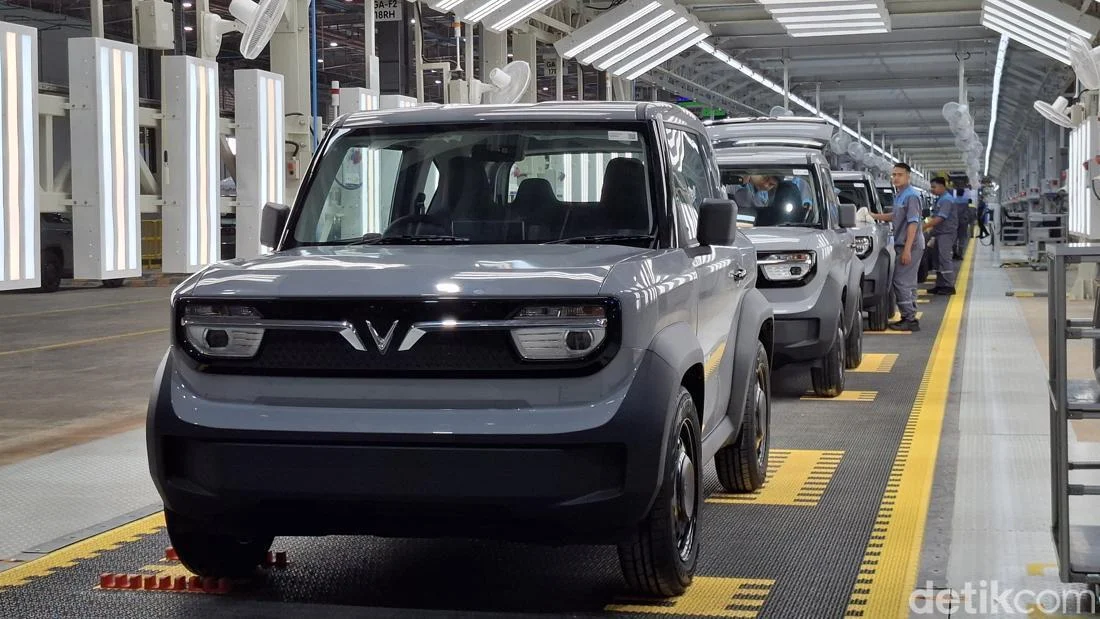
The landscape of the Indonesian automotive industry is undergoing a seismic shift as VinFast, the Vietnamese electric vehicle (EV) pioneer, introduces a comprehensive operational model that extends far beyond the traditional manufacturer-consumer relationship. Since its inception in 2017, VinFast has evolved from a national symbol of Vietnamese industrial ambition into a dominant force within the Association of Southeast Asian Nations (ASEAN) automotive sector. In Indonesia, the company is not merely selling cars; it is deploying a holistic ecosystem that integrates charging infrastructure, battery swapping technology, EV-based transportation fleets, and cross-subsidiary synergies under its parent conglomerate, Vingroup. This strategic depth is designed to address the primary barriers to EV adoption in Southeast Asia: high upfront costs, range anxiety, and the lack of reliable charging infrastructure.
Kariyanto Hardjosoemarto, CEO of VinFast Indonesia, emphasizes that the brand’s rapid ascent is rooted in a philosophy of consistency and persistence. According to Hardjosoemarto, the commitment demonstrated by Vingroup has allowed VinFast to become the leading EV brand in Vietnam in a remarkably short timeframe. He notes that the key to replicating this success in the Indonesian market lies in building consumer trust through a solid, tangible ecosystem. By preparing the entire value chain—from the vehicle itself to the electricity that powers it and the services that maintain it—VinFast aims to eliminate the hesitations typically associated with transitioning from internal combustion engines to electric propulsion.
The Strategic Foundation of the VinFast Ecosystem
The "Vingroup Synergy" is the cornerstone of VinFast’s market entry strategy. Unlike many competitors who rely on third-party providers for infrastructure or fleet management, VinFast leverages the internal resources of its parent company to create a closed-loop environment. In Vietnam, Vingroup’s influence spans real estate, hospitality, and technology, providing a ready-made landscape for EV integration. In Indonesia, this translates to a coordinated rollout where vehicle sales are synchronized with the deployment of the V-Green charging network and the Green SM (GSM) electric taxi service.
Industry analysts observe that VinFast’s approach is uniquely suited for the Indonesian market, where consumers are traditionally brand-loyal and risk-averse regarding new technologies. By offering a "total solution," VinFast positions itself as a long-term partner in the country’s green transition rather than a transient importer. This strategy aligns with the Indonesian government’s "Making Indonesia 4.0" roadmap, which identifies the EV industry as a priority sector for achieving net-zero emissions by 2060 and becoming a global hub for battery production.
A Comprehensive Product Portfolio for the Indonesian Masses
VinFast’s entry into the Indonesian four-wheel market is characterized by a multi-segment approach, targeting everything from entry-level buyers to the burgeoning middle class. The current lineup includes the VF 3, VF e34, VF 5, VF 6, VF 7, and the VF MPV 7. Each of these models is strategically positioned to compete with established Japanese and Chinese incumbents.
The VF 5 and VF e34 have been the vanguard of this expansion. The VF 5, an A-segment electric SUV, is designed for urban maneuverability and efficiency, making it an ideal choice for Jakarta’s congested streets. Meanwhile, the VF e34 offers more space and advanced smart features, appealing to tech-savvy families. The upcoming VF 3, a compact and rugged "mini-SUV," is expected to disrupt the market by offering an accessible price point for first-time EV owners.
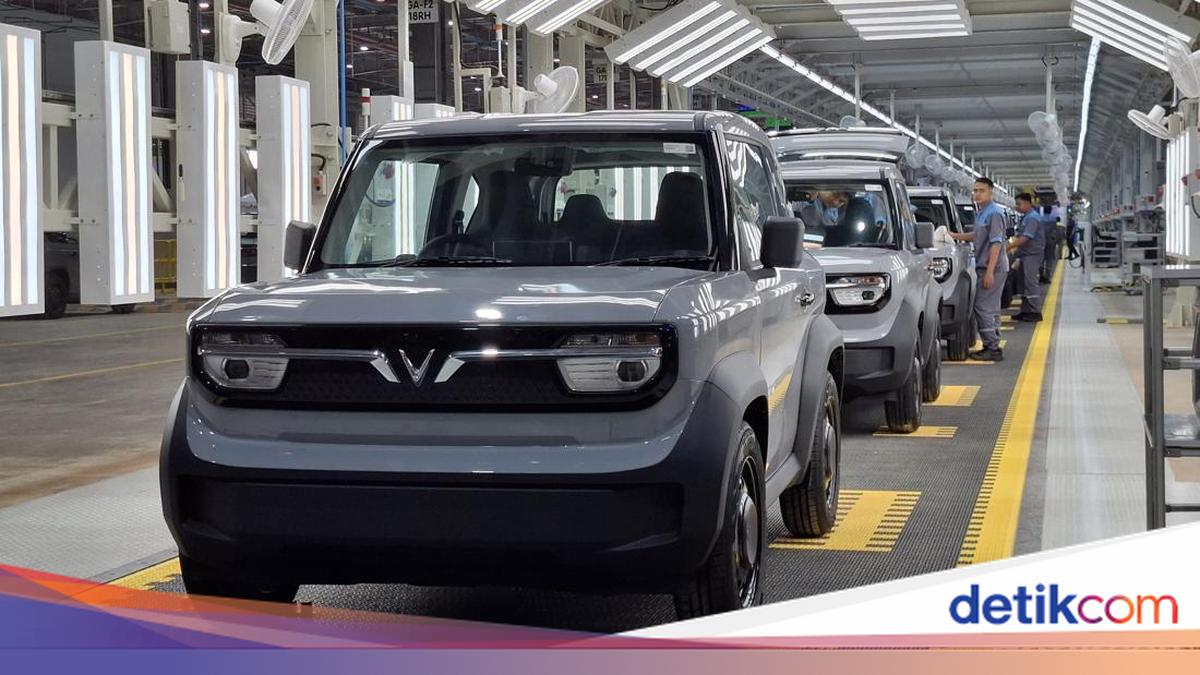
Beyond passenger cars, VinFast is aggressively pursuing the two-wheel segment, which remains the dominant mode of transport in Indonesia. On Saturday, July 18, the company is set to introduce three electric motorcycle models: the VinFast EVO, VinFast Feliz II, and the VinFast Viper. These products are designed to meet the diverse needs of Indonesian riders, ranging from economical daily commuting to high-performance urban travel. By entering the motorcycle market, VinFast is tapping into a massive demographic that is increasingly looking for alternatives to rising fuel costs.
Innovative Battery Subscription and Swapping Models
One of the most significant innovations VinFast has brought to Indonesia is the battery subscription (rental) model. High battery costs typically account for 30% to 40% of an EV’s total price, often putting these vehicles out of reach for average consumers. By decoupling the battery cost from the vehicle purchase price, VinFast significantly lowers the initial investment required by the buyer.
Under this scheme, customers pay a monthly fee to "rent" the battery. This model provides two primary benefits: it reduces the upfront purchase price to a level comparable with gasoline vehicles, and it transfers the risk of battery degradation from the consumer to the manufacturer. If a battery’s capacity falls below a certain threshold (usually 70%), VinFast replaces it at no additional cost to the user.
For the two-wheel segment, VinFast is implementing a battery-swapping system. This technology allows riders to exchange a depleted battery for a fully charged one at designated stations in a matter of minutes, effectively mimicking the speed of a traditional petrol station visit. This removes the "charging time" hurdle that often deters delivery riders and heavy-duty commuters from switching to electric motorcycles.
V-Green: Expanding the Infrastructure Backbone
The success of any EV brand is inextricably linked to the availability of charging stations. To this end, VinFast has established V-Green, a dedicated charging infrastructure company. Although the brand’s electric motorcycles are still in the early stages of market penetration, V-Green facilities are already being deployed across strategic locations.
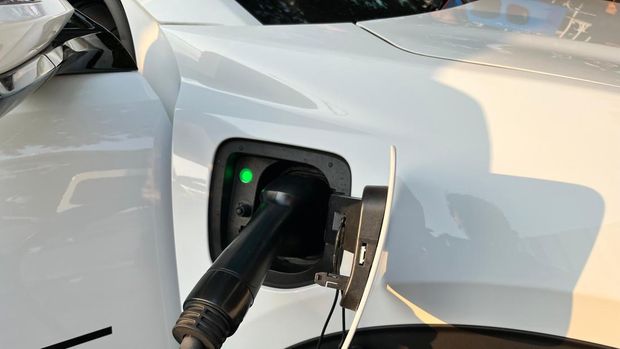
Currently, there are approximately 2,900 V-Green charging points (SPKLU) planned or operational across Indonesia, with a heavy focus on the densely populated regions of Java and Bali. VinFast is committed to a continuous expansion of this network, ensuring that drivers can find a charging point in shopping malls, residential complexes, and along major highways. The V-Green network is designed to be versatile, supporting both the high-speed DC charging required by four-wheelers and the swapping stations needed for two-wheelers.
Green SM: The Role of Electric Public Transportation
To further solidify its presence and demonstrate the reliability of its technology, VinFast has introduced Green SM (Green Smart Mobility) to Indonesia. As a provider of electric taxi services, Green SM serves as a live showroom for VinFast products. By deploying hundreds of VF e34 and VF 5 units as public transport vehicles, the company allows thousands of potential customers to experience the comfort, silence, and performance of an EV firsthand.
This ride-hailing and taxi fleet strategy serves multiple purposes. First, it generates immediate revenue and high-mileage data that can be used to improve vehicle durability. Second, it provides high visibility for the brand in urban centers. Third, it contributes directly to the Indonesian government’s goals of decarbonizing public transportation. Green SM operates its own charging depots, ensuring that the fleet remains operational without straining the public charging infrastructure during peak hours.
Chronology of Expansion and Economic Commitment
VinFast’s journey in Indonesia has moved at a rapid pace. After making its formal debut at the Indonesia International Motor Show (IIMS) 2024, the company quickly moved from showcasing prototypes to establishing a corporate headquarters and a growing dealer network.
In a significant show of commitment to the local economy, VinFast has announced an investment of approximately $1.2 billion in Indonesia. A substantial portion of this capital is earmarked for the construction of a manufacturing plant in Subang, West Java. This facility is expected to have a production capacity of 50,000 units per year and will serve as a production hub for Right-Hand Drive (RHD) vehicles, catering not only to the Indonesian market but also to other RHD markets such as Australia, Thailand, and Malaysia.
The establishment of a local factory is a strategic move to comply with the Indonesian government’s Domestic Component Level (TKDN) requirements. By sourcing parts locally and creating jobs for Indonesian workers, VinFast becomes eligible for various tax incentives and subsidies, further enhancing its price competitiveness.
Broader Impact and Industry Implications
The aggressive entry of VinFast into Indonesia has sent ripples through the regional automotive industry. Established players are now being forced to accelerate their own EV roadmaps to compete with VinFast’s aggressive pricing and infrastructure-first approach.
From a socio-economic perspective, the arrival of a comprehensive EV ecosystem is expected to accelerate the development of a local supply chain for batteries and electric components. As VinFast scales its operations, it will likely foster a new generation of skilled labor in the green technology sector. Furthermore, the focus on the entry-level segment ensures that the benefits of electric mobility—such as lower operating costs and reduced tailpipe emissions—are accessible to a broader segment of the population, rather than being restricted to the luxury market.
VinFast’s strategy in Indonesia serves as a blueprint for how emerging brands can challenge established market leaders. By focusing on the "pain points" of the consumer—price, charging, and reliability—and addressing them through a vertically integrated ecosystem, VinFast is positioning itself not just as a car manufacturer, but as a primary architect of Indonesia’s future mobility landscape. As the V-Green network expands and the Subang factory nears completion, the "Vietnamese Tiger" is well-positioned to become a household name in Southeast Asia’s largest economy.