Azin Asro
The recent volcanic activity and subsequent eruption of Mount Anak Krakatau in the Sunda Strait have blanketed numerous surrounding regions in a fine layer of abrasive volcanic ash, triggering heightened concerns among motorists and fleet operators regarding vehicle health and operational longevity. While passenger cars are frequently the focus of public advisory campaigns during natural disasters, commercial vehicles—the backbone of logistics, supply chains, and public distribution networks—face unique and severe vulnerabilities when operating in ash-laden environments. Recognizing these critical risks, PT Isuzu Astra Motor Indonesia (IAMI), one of the country’s leading commercial vehicle manufacturers, has issued a comprehensive technical advisory emphasizing the urgent need for rigorous post-exposure inspections, with a primary focus on engine air intake systems, filtration mechanisms, and exterior glass preservation.
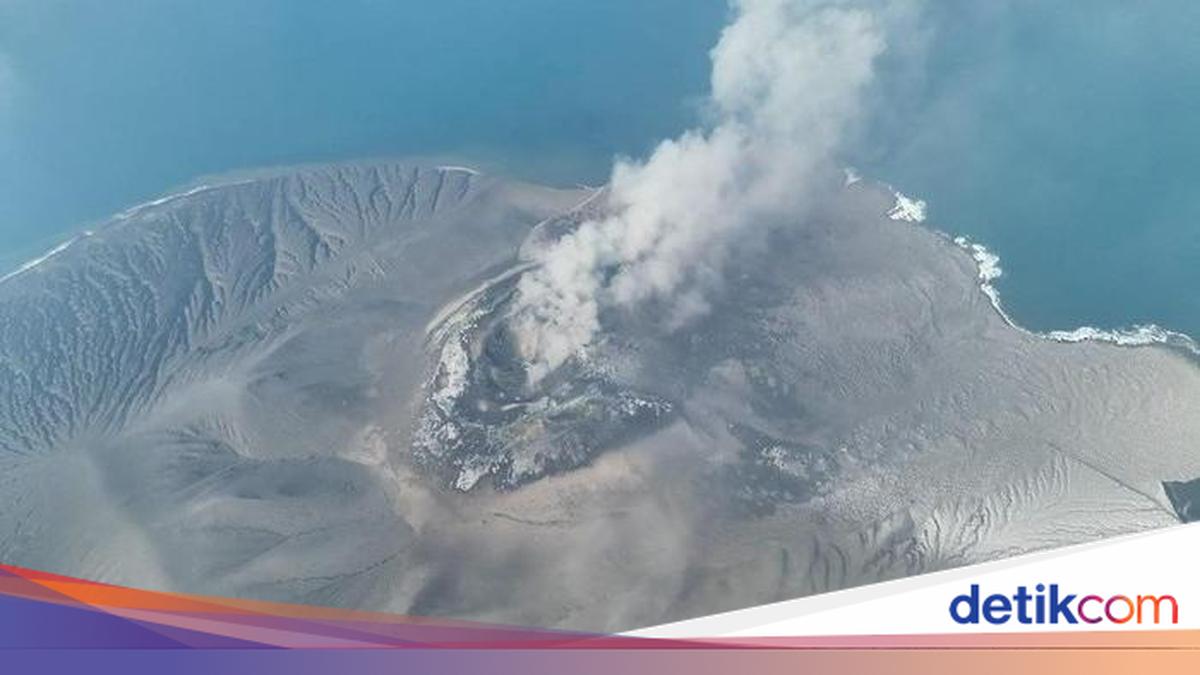
The eruption of Mount Anak Krakatau, located in the Sunda Strait between the islands of Java and Sumatra, represents a continuation of the complex geological volatility characterizing the Sunda Arc. Historically renowned for the cataclysmic 1883 eruption of its predecessor, Krakatoa, Mount Anak Krakatau (meaning "Child of Krakatoa") emerged from the caldera in 1927 and has remained intermittently active. In recent years, episodic seismic shifts and underwater flank collapses have triggered sudden explosive events, sending plumes of ash, tephra, and gas thousands of meters into the atmosphere. Prevailing winds frequently disperse these microscopic, jagged silicate particles across coastal settlements and major commercial transport corridors in Banten and Lampung, creating immediate hazards not only for human respiratory health but also for mechanical combustion engines operating within the fallout zones.
Commercial vehicles, due to their high daily mileage, heavy payload capacities, and continuous operational schedules, are particularly susceptible to the insidious nature of volcanic ash. Unlike ordinary road dust, which primarily consists of organic matter and weathered soil particles, volcanic ash is composed of pulverized rock, minerals, and volcanic glass. These particles are exceptionally hard, angular, and chemically abrasive. When drawn into a vehicle’s intake system, volcanic ash poses a multi-layered threat to internal combustion engines, particularly modern diesel powerplants equipped with complex forced-induction systems and stringent emission controls.
The primary point of vulnerability during a volcanic ash event is the air filtration system. As vehicles traverse ash-affected roadways, massive volumes of air are drawn into the engine bay to facilitate fuel combustion. The microscopic, jagged nature of volcanic ash allows these particles to rapidly clog the pores of standard air filters. Anjar Rosjadi, Business Solution Director at PT Isuzu Astra Motor Indonesia (IAMI), highlighted the severity of this issue within the commercial transport sector.
"In conditions involving volcanic ash rainfall such as the current situation, commercial vehicle operators need to pay extra attention to vehicle conditions, especially parts related to the engine air intake system," stated Rosjadi. He further elaborated that the ultra-fine particle size of volcanic ash accelerates the saturation and blockage of air filters far quicker than standard environmental dust, potentially choking the engine of the necessary airflow required for optimal combustion. Consequently, IAMI strongly urges fleet operators and independent drivers, often referred to as Isuzu Partners, to institute mandatory inspection protocols immediately following any transit through ash-impacted territories.
Beyond the immediate air filter element, the integrity of the entire air intake conduit—including connecting pipes, flexible hoses, and clamps—demands meticulous scrutiny. The increased resistance caused by a clogged filter places abnormal vacuum stress on upstream and downstream components. Furthermore, any microscopic breach, loose hose clamp, or degraded rubber seal along the intake pathway can allow abrasive ash particles to bypass the filtration barrier entirely. If un-filtered ash enters the combustion chamber, it acts like liquid sandpaper on cylinder walls, piston rings, and valve guides, leading to catastrophic internal engine wear, loss of compression, and permanent mechanical failure.
The stakes are exceptionally high for vehicles equipped with turbochargers, a standard feature across modern commercial fleets designed to maximize power output and fuel efficiency. Turbochargers operate at extremely high rotational speeds—often exceeding 100,000 revolutions per minute—and rely on precise clearances between the compressor turbine and its housing. The introduction of abrasive volcanic ash particles into the turbocharger assembly can cause severe pitting on the compressor blades, imbalance the turbine shaft, and induce rapid bearing failure. Maintaining absolute airtight integrity in all intake piping and ensuring the absolute efficiency of the air filter is, therefore, not merely a matter of routine maintenance, but a critical safeguard for the engine’s forced-induction architecture.
Compounding the mechanical risks are the external operational hazards associated with driver visibility. Volcanic ash settling on windshields and side windows presents a deceptive hazard. Operators accustomed to dealing with standard mud or rain instinctively reach for the windshield wipers and washer fluid at the first sign of obscured vision. However, applying dry wipers or rubbing a cloth across an ash-covered glass surface unleashes the full abrasive potential of the silicate particles. The volcanic glass acts as an abrasive compound, leaving deep, permanent scratches across the glass surface, severely compromising optical clarity and permanently damaging wiper blades.
To mitigate this risk, automotive engineers and safety experts recommend a strict protocol for exterior cleaning. Drivers must refrain from dry wiping or activating wipers on ash-covered glass. Instead, the surface must be thoroughly flushed using a continuous stream of low-pressure water to gently float and wash away the dense accumulation of abrasive particles without friction. Once all loose grit has been cleared away, standard automotive soap and clean water can be applied to remove any remaining chemical residue or fine film. Maintaining clear visibility is paramount for commercial truck and bus drivers navigating congested logistics routes, particularly under overcast skies and reduced ambient light conditions frequently accompanying volcanic eruptions.
The economic implications of neglecting post-eruption maintenance can be profound for commercial enterprises. In the logistics and supply chain sector, vehicle downtime translates directly to financial losses, delayed shipments, and contractual penalties. Fleet operators running tight schedules across the Java-Sumatra logistics corridor cannot afford unexpected mechanical breakdowns caused by preventable ash ingestion. Routine preventive maintenance, proactive filter replacements, and timely inspections serve as essential risk-management strategies that safeguard capital investments and ensure business continuity during natural crises.
To support commercial operators navigating these challenging conditions, automotive manufacturers and service networks have mobilized resources to provide on-site and localized assistance. Isuzu, for instance, has leveraged its extensive service infrastructure to offer specialized post-exposure evaluations. Operators who have traversed heavily impacted zones are advised to utilize authorized service centers or specialized mobile repair units.
"In addition to conducting self-checks, we strongly recommend that commercial vehicle operators schedule a thorough examination at Isuzu service networks if their vehicles have been exposed to significant amounts of volcanic ash or operated intensively in affected areas," Rosjadi advised. To facilitate this, the company deploys its signature Bengkel Isuzu Berjalan (BIB)—the Traveling Isuzu Workshop—designed to bring professional maintenance, diagnostic, and repair services directly to customer depots or operational sites. This mobility ensures that fleet managers can maintain strict adherence to maintenance schedules without pulling vital transport assets away from active delivery routes. Furthermore, digital integration through applications such as MyIsuzuID allows fleet managers to seamlessly locate authorized service outlets, access technical guidance, and book emergency or routine maintenance slots in real-time.
As geological activity in the Sunda Strait remains a dynamic variable, the resilience of regional commerce depends heavily on the preparedness and adaptability of transport operators. The Anak Krakatau eruption serves as a stark reminder of nature’s unpredictable impact on modern industrial infrastructure. By adhering to rigorous inspection protocols, prioritizing air intake and filtration integrity, practicing safe glass-cleaning procedures, and leveraging professional service networks, commercial vehicle operators can successfully navigate environmental hazards, protect their mechanical assets, and maintain the vital flow of goods across the nation.