Tyo Susilo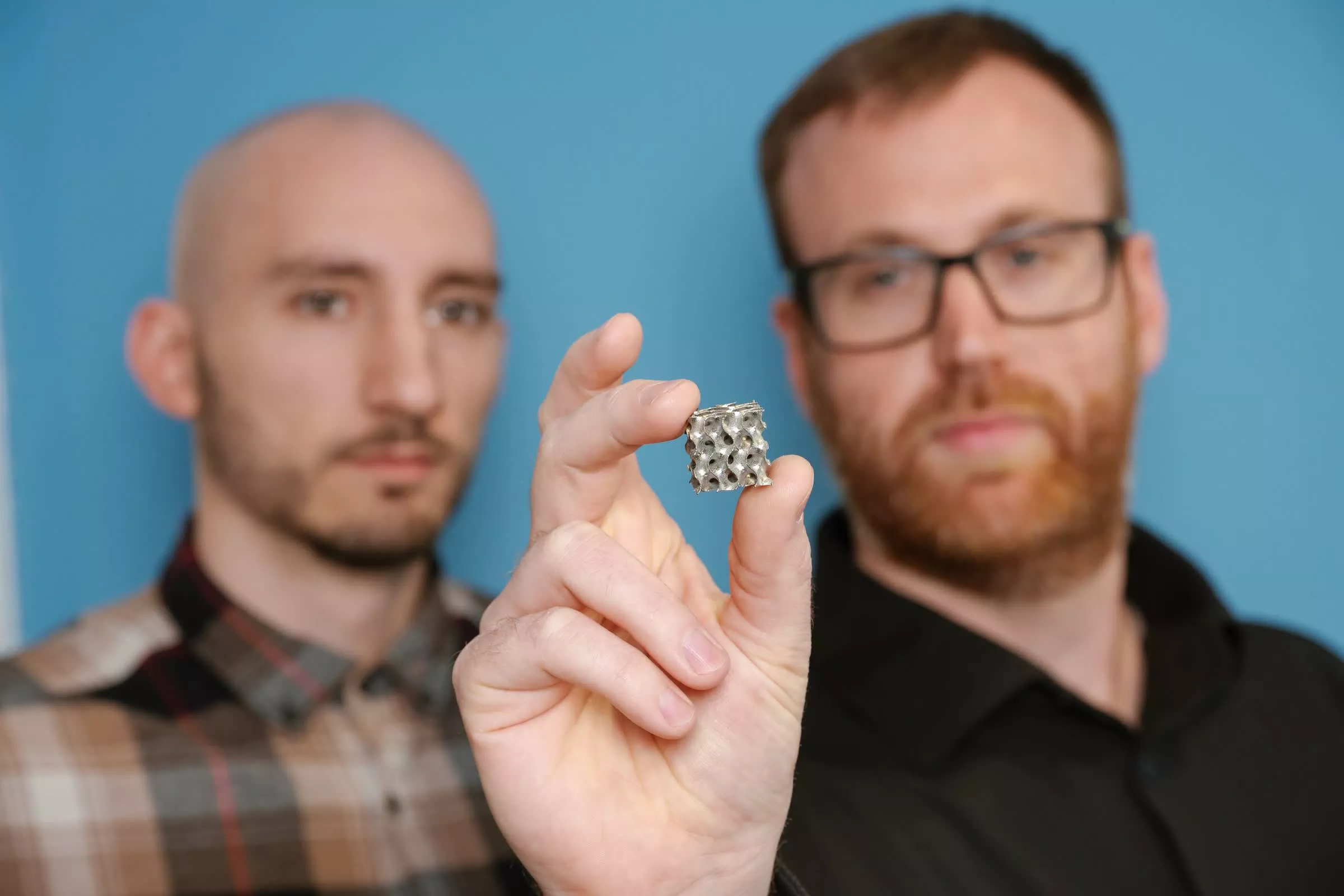
A wave of innovation is sweeping across Europe, with researchers and startups actively developing and testing a new generation of solid-state air conditioning (AC) systems that completely eliminate the need for traditional refrigerants like Freon. These groundbreaking technologies leverage a diverse array of physical principles, including the properties of metals, semiconductors, magnetic fields, and materials that respond to pressure, to achieve cooling without harmful environmental side effects. While the potential is immense, most of these advanced systems are currently in their nascent stages of development and undergoing rigorous testing.
The Imperative for a Greener Cool: Addressing Refrigerant Concerns
The impetus behind this significant shift is the well-documented environmental impact of conventional AC refrigerants. Many of these substances, particularly hydrofluorocarbons (HFCs) and other fluorinated gases, possess a high global warming potential (GWP). When leaks occur, these gases can trap heat in the atmosphere thousands of times more effectively than carbon dioxide, contributing significantly to climate change. Recognizing this escalating threat, the European Union has taken decisive action, initiating a phasedown of these harmful gases starting in 2024. This regulatory push, coupled with a growing global awareness of environmental sustainability, has accelerated the search for viable alternatives.
Traditional air conditioning systems rely on a thermodynamic cycle that involves the evaporation and condensation of a refrigerant. This phase change process absorbs heat from the indoor environment and releases it outdoors. However, the reliance on chemical compounds that can escape into the atmosphere has become a critical vulnerability. The development of solid-state cooling technologies offers a paradigm shift, aiming to achieve similar cooling effects through physical phenomena rather than chemical reactions.
Unpacking Solid-State Cooling: Diverse Scientific Principles at Play
The core concept behind solid-state cooling is the manipulation of material properties to induce temperature changes. Unlike conventional ACs that depend on a refrigerant changing from liquid to gas, solid-state systems utilize effects where a solid material’s temperature is altered by external stimuli such as mechanical stress, electrical current, or magnetic fields. This direct conversion of energy into a temperature differential offers the promise of greater energy efficiency and a significantly reduced environmental footprint.
Several distinct solid-state cooling mechanisms are being explored:
-
Elastocaloric Cooling: This method leverages the "elastocaloric effect," where a material experiences a temperature change when it undergoes mechanical stretching and releasing. Researchers at Saarland University in Germany, for instance, are pioneering a system that utilizes a specific nickel-titanium alloy. When this alloy is stretched and then allowed to return to its original shape, it exhibits a cooling effect. Early experimental results from this research have indicated the capability to reduce room temperatures by approximately 5-10 degrees Celsius. This approach holds particular promise due to its potential for high cooling power and relatively simple operational principles, although challenges remain in material fatigue and efficient heat transfer.
-
Electrocaloric Cooling: This technique involves materials that change temperature when subjected to an electric field. By applying and removing an electric field, heat can be effectively moved. While still in early development, electrocaloric materials are being investigated for their potential in compact and highly efficient cooling devices. The main hurdle lies in developing materials that exhibit a significant electrocaloric effect at room temperature and can withstand the required electrical stresses over extended periods.
-
Magnetocaloric Cooling: This approach utilizes the "magnetocaloric effect," where certain materials heat up when exposed to a magnetic field and cool down when the field is removed. Prototypes utilizing magnetocaloric materials are being tested for their effectiveness. This technology has the advantage of being potentially very efficient, and the materials used are generally environmentally benign. However, the need for strong magnetic fields can present engineering challenges and cost considerations for widespread adoption.
-
Barocaloric Cooling: Similar to elastocaloric cooling, barocaloric cooling involves materials that change temperature in response to pressure. This method utilizes materials that exhibit significant temperature changes when subjected to hydrostatic pressure. Research in this area is exploring various materials, aiming to optimize their pressure-temperature response for practical cooling applications.
Beyond these primary mechanisms, other novel approaches are also being investigated, including thermoelectric cooling, which uses the Peltier effect to create a temperature difference across a junction of two dissimilar materials, and thermionic cooling, which utilizes electron emission from a heated surface.
A Timeline of Innovation: From Lab Bench to Real-World Trials
The development of solid-state cooling technologies is not a sudden phenomenon but rather an evolution of scientific understanding and technological advancement. Research into the fundamental principles of these effects has been ongoing for decades. However, recent breakthroughs in material science, coupled with the urgent need for sustainable cooling solutions, have catalyzed intensified efforts.
-
Early 2000s – Present: Academic research into elastocaloric, electrocaloric, and magnetocaloric effects gains momentum. Laboratories across Europe and North America begin exploring the theoretical and experimental feasibility of these phenomena for cooling applications.
-
Mid-2010s: The increasing global concern over HFCs and stricter environmental regulations, particularly in the EU, create a stronger market pull for alternative cooling technologies. Startups begin to emerge, focusing on commercializing promising solid-state cooling concepts.
-
Late 2010s – Early 2020s: Significant progress is made in material development, improving the efficiency and durability of solid-state cooling materials. Prototype devices are developed and tested in controlled laboratory environments.
-
2024 – Present: European researchers and companies ramp up real-world testing. This includes pilot installations of solid-state AC systems in various settings, such as residential apartments and commercial supermarkets. The Saarland University research on elastocaloric cooling is a prime example of this phase. The EU’s phasedown of refrigerants officially begins, further underscoring the timeliness of these developments.
Real-World Prototypes and Promising Early Results
The transition from laboratory experiments to practical applications is a critical step, and several European initiatives are demonstrating this progress. As mentioned, Saarland University’s work with nickel-titanium alloys is yielding promising results, showing a tangible temperature reduction. This suggests that elastocaloric cooling could be a viable candidate for residential and commercial applications.
Beyond academic research, industrial players are also actively involved. One prototype solid-state air conditioning system based on semiconductor technology has already been installed in a residential apartment for evaluation. This real-world deployment allows researchers to gather invaluable data on performance, energy consumption, and user experience under actual living conditions. Furthermore, a magnetic-field-based solid-state cooling system is slated for testing within a German supermarket chain. This application in a commercial setting, which often has significant cooling demands for refrigeration and climate control, would be a major milestone if successful.
These pilot projects are crucial for validating the technology’s efficacy, identifying potential engineering challenges, and gathering feedback for further refinement. The data collected from these trials will be instrumental in determining the scalability and commercial viability of these emerging AC solutions.
Broader Implications: A Paradigm Shift for a Warming Planet
The successful development and widespread adoption of solid-state air conditioning technologies could herald a significant paradigm shift in how we manage indoor temperatures, with far-reaching implications:
-
Environmental Protection: The most immediate and profound impact would be the drastic reduction, and eventual elimination, of harmful refrigerant emissions contributing to climate change and ozone depletion. This aligns directly with global efforts to combat global warming and meet climate targets.
-
Energy Efficiency: Many solid-state cooling technologies have the potential to be more energy-efficient than conventional AC systems. This could lead to substantial reductions in electricity consumption for cooling, easing the strain on power grids and lowering energy bills for consumers and businesses. For example, if magnetocaloric systems can achieve high coefficients of performance (COP), they could significantly outperform current vapor-compression systems.
-
Economic Opportunities: The development and manufacturing of solid-state AC units will create new economic opportunities and foster innovation within the green technology sector. Europe is positioning itself as a leader in this nascent industry, potentially securing a competitive advantage in the global market.
-
Enhanced Comfort and Health: By providing effective and sustainable cooling, these technologies can improve indoor comfort, productivity, and overall public health, particularly in regions increasingly affected by extreme heat events. The recent heatwaves experienced across Europe underscore the growing urgency for reliable and accessible cooling solutions.
-
Technological Diversification: The multi-faceted nature of solid-state cooling means that different technologies may be best suited for different applications. This diversification allows for tailored solutions, from compact personal coolers to large-scale industrial refrigeration.

Challenges and the Road Ahead
Despite the immense promise, the path to widespread adoption of solid-state ACs is not without its hurdles.
-
Cost of Production: Currently, the materials and manufacturing processes for some solid-state cooling technologies can be more expensive than those for conventional ACs. Economies of scale and further research into cost-effective materials will be crucial.
-
Performance and Scalability: While laboratory results are encouraging, scaling these technologies to meet the cooling demands of large buildings and diverse climates requires significant engineering advancements. Optimizing heat transfer mechanisms and ensuring consistent performance across various operating conditions are key challenges.
-
Durability and Lifespan: The long-term durability and lifespan of solid-state cooling components under continuous operation need to be thoroughly tested and proven. Material fatigue and degradation are critical factors to address.
-
Integration into Existing Infrastructure: Retrofitting existing buildings with new AC systems can be complex and costly. The design of solid-state AC units will need to consider ease of installation and integration with existing HVAC infrastructure.
-
Consumer Acceptance: Educating consumers about the benefits and reliability of these new technologies will be essential for market penetration. Building trust and demonstrating tangible advantages over familiar conventional systems will be paramount.
Looking Towards a Cooler Future
The ongoing research and development of solid-state air conditioning technologies in Europe represent a critical step towards a more sustainable future. As the world grapples with the escalating impacts of climate change and the imperative to reduce greenhouse gas emissions, these refrigerant-free cooling solutions offer a beacon of hope. While significant challenges remain, the commitment of researchers, startups, and governmental bodies to advancing these innovations suggests that a cooler, greener future for climate control is not just a possibility, but an increasingly tangible reality. The question is no longer if, but when, these advanced technologies will move from the testing grounds to becoming the standard for keeping our world comfortable and environmentally responsible.