Eko Sulistyo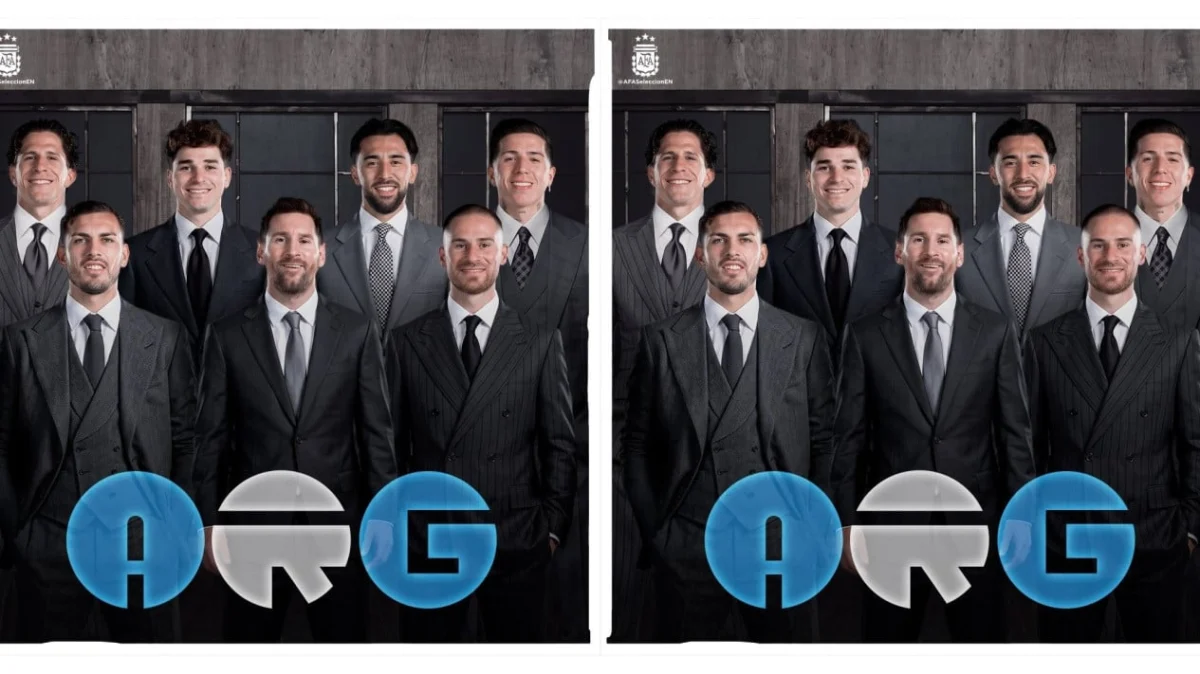
The 2026 FIFA World Cup has reached its spectacular conclusion, but the conversation surrounding the final match has extended far beyond the boundaries of the pitch. While the sporting world focused on the quest for football’s most prestigious trophy, a unique intersection of global pop culture and international sports captured the attention of millions online. The halftime show, featuring the world-renowned South Korean boy band BTS, was intended to be the entertainment centerpiece of the tournament. However, an unexpected social media campaign by the Argentine Football Association (AFA) involving a direct visual homage to the group’s latest artistic work has sparked a massive global debate, highlighting the evolving landscape of digital sports marketing and fan engagement.
As the final match of the first-ever 48-team World Cup unfolded across North America, the halftime show provided a moment of high-octane celebration. BTS, returning to the global stage after their highly publicized collective hiatus and completion of mandatory military service, delivered a vibrant performance of their record-breaking hit, "Dynamite." The performance was characterized by a colorful, high-energy production that utilized the massive scale of the stadium, reinforcing the group’s status as a premier global act. For many, the performance was a full-circle moment, following member Jungkook’s solo appearance at the 2022 World Cup opening ceremony in Qatar. Yet, the music was only half of the story.
Hours before the final whistle and the halftime festivities, the official social media accounts of the Argentina National Team—the defending champions entering the 2026 tournament—released a series of promotional images that immediately went viral. The primary image featured a lineup of Argentina’s most prominent stars: Lionel Messi, Alejandro Garnacho, Enzo Fernández, Nahuel Molina, Leandro Paredes, Alexis Mac Allister, and Guido Rodríguez. The players were depicted wearing elegant, high-fashion vests, with the legendary Lionel Messi positioned at the center of the formation.
The aesthetic of the post was not a coincidence. Fans and digital analysts quickly identified that the composition, color palette, and background of the photograph were an almost exact replica of the cover art for BTS’s recently released album, "Arirang." The "Arirang" album, which blends traditional Korean motifs with contemporary pop sensibilities, had already become a cultural phenomenon prior to the World Cup. The Argentina National Team’s version replaced the stylized "Arirang" logo with a bold "ARG" emblem, maintaining the original design’s typography and layout.
The caption accompanying the post further solidified the connection. It read, "This is an international stage, make this moment unforgettable," a direct quote from the lyrics of "Hooligan," another track from BTS’s new era. According to reports from various international outlets, including the Vietnamese publication Laodong, the post was intended to capitalize on the massive overlap between football fans and the BTS global fan base, known as ARMY.
The Chronology of a Cultural Collision
The timeline of this event began long before the final match. FIFA’s decision to enlist BTS for the 2026 halftime show was seen as a strategic move to secure viewership among Gen Z and millennial demographics. BTS’s involvement was officially confirmed in early 2026, coinciding with the announcement of their "Arirang" world tour.
As the tournament progressed through the group stages and knockout rounds in June and July, the AFA’s digital marketing team began experimenting with more pop-culture-centric content. Argentina, led by an aging but still dominant Messi and a new generation of talent like Garnacho and Fernández, remained the focal point of the tournament’s narrative. On July 20, 2026, the day of the final, the "Arirang-inspired" post was uploaded to Instagram and X (formerly Twitter). Within minutes, the post garnered millions of likes, but it also triggered a wave of polarization.
By the time BTS took the stage for the halftime show at 1:04 PM WIB, the social media storm had already peaked. The performance of "Dynamite" served as a sonic backdrop to a digital debate regarding artistic homage versus brand appropriation. While the players on the pitch remained focused on the game, the digital administrators of the AFA found themselves at the center of a global conversation about the boundaries of official team branding.
Detailed Breakdown of the Visual Homage
The comparison between the BTS "Arirang" cover and the Argentina "ARG" photo reveals a meticulous attention to detail by the AFA’s creative team.
- Composition: The seven-player lineup mirrored the seven-member structure of BTS. The positioning of the players—with Messi in the center (analogous to the "center" role in K-pop groups)—was a clear nod to the group’s hierarchy and visual balance.
- Wardrobe: The players’ transition from athletic kits to elegant vests mirrored the "sophisticated-traditional" aesthetic promoted in the "Arirang" concept photos.
- Color Grading: The use of muted earth tones and specific lighting filters was identical to the artistic direction of BTS’s visual director for the 2026 era.
- Typography: The "ARG" logo used the same font weight and kerning as the "Arirang" title, ensuring that the visual association was unmistakable even to a casual observer.
Public and Official Reactions
The reaction to the AFA’s creative choice was split into two distinct camps. On one side, a significant portion of the ARMY expressed pride and excitement. These fans viewed the tribute as a testament to BTS’s unparalleled global influence, noting that even the world’s most successful football team felt the need to reference their work. Many fans expressed a desire to see a physical meeting between the players and the group members, suggesting that such a collaboration would be the ultimate "crossover" event in modern entertainment.
Conversely, a vocal segment of the fan base and some intellectual property observers raised concerns. This group argued that the AFA’s use of BTS’s specific album concept was an overstep that bordered on the unauthorized use of a carefully crafted artistic identity. Some critics on social media called for the AFA to delete the post, arguing that a national football team should maintain its own distinct branding rather than "chasing clout" through K-pop references.
From the perspective of sports marketing analysts, the move was seen as a masterstroke of modern communication. Experts suggest that the AFA is currently leading the way in "fandom-based marketing." By tapping into the ARMY—one of the most organized and digitally active fan bases in the world—Argentina ensured that its brand remained relevant to millions of people who might not otherwise follow football closely. This strategy aligns with the broader trend of major sports organizations, such as the NBA and various European football clubs, hiring "cultural leads" to bridge the gap between sports and lifestyle entertainment.
Implications for the Future of Global Entertainment
The events of July 20, 2026, signal a broader shift in how international events are managed. The 2026 FIFA World Cup has demonstrated that the "spectacle" is no longer just about what happens during the 90 minutes of play. It is a 24-hour digital experience where music, fashion, and sports are inextricably linked.
The AFA’s decision to quote the song "Hooligan" is particularly symbolic. The song itself deals with themes of global unity and the intensity of passion, whether in a concert hall or a stadium. By using these lyrics, the AFA sought to equate the passion of Argentine football fans with the devotion of BTS fans, suggesting a shared emotional language between the two worlds.
Furthermore, this incident highlights the power of South Korean cultural exports. "Hallyu" (the Korean Wave) has reached a point where its visual and lyrical language is used as a shorthand for "global excellence" by organizations as prestigious as a defending World Cup champion. The fact that the AFA chose an album titled "Arirang"—a name synonymous with Korean identity—to represent their own national pride indicates a deep level of cultural integration.
Conclusion
As the 2026 FIFA World Cup concludes, the "Arirang-ARG" controversy will likely be remembered as a defining moment in the history of sports social media. It represents the blurring of lines between different forms of global stardom. Whether viewed as a creative tribute or a calculated marketing ploy, the impact is undeniable. BTS’s colorful performance of "Dynamite" and Argentina’s "ARG" campaign have together set a new precedent for how the world’s biggest sporting events will be marketed and consumed in the years to come.
The integration of BTS into the fabric of the World Cup final proves that in the modern era, the "international stage" is wide enough for both the greatest athletes and the greatest artists to stand together, creating moments that are, as the lyrics suggest, truly unforgettable. As the teams return home and the stadiums are cleared, the digital footprint of this cultural collision remains, serving as a blueprint for the future of globalized entertainment and brand synergy.