Lusiana Hamidun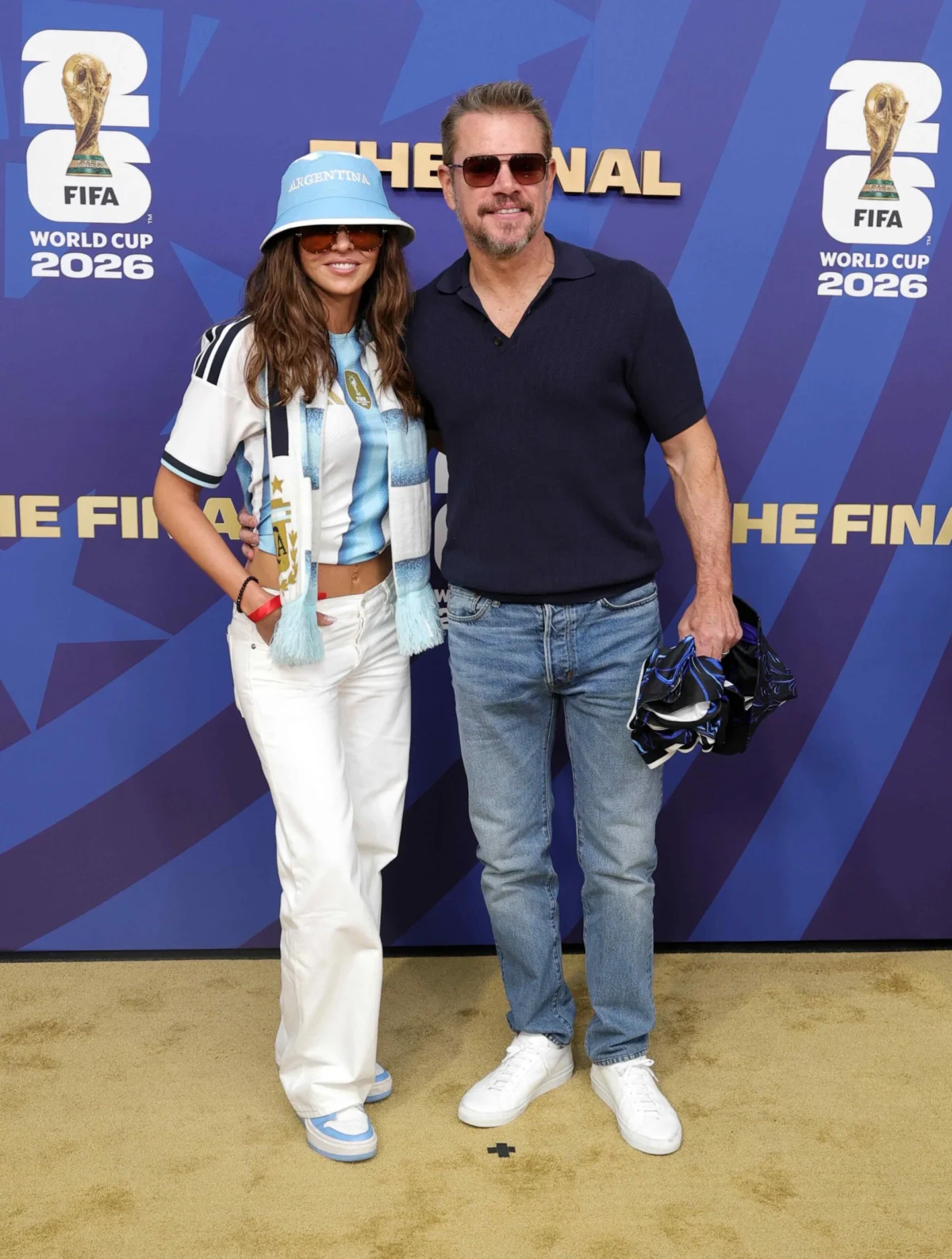
The culmination of a month-long global sporting spectacle arrived with electrifying anticipation as Spain and Argentina locked horns in the FIFA World Cup 2026 final, vying for the coveted golden trophy. The MetLife Stadium, temporarily rebranded as the New York New Jersey Stadium for this monumental occasion, served as the hallowed ground in East Rutherford, New Jersey, hosting an array of global luminaries alongside devoted fans from both nations. The air crackled with excitement, not just for the fiercely contested match, but also for the unprecedented convergence of entertainment and sports, a testament to the World Cup’s enduring appeal.
This year’s tournament had already distinguished itself by introducing a groundbreaking halftime show, meticulously curated by Coldplay’s Chris Martin, featuring a star-studded lineup of global icons including Madonna, Justin Bieber, Shakira, and BTS. This ambitious performance was not merely for entertainment; it served a vital purpose, bolstering the FIFA Global Citizen Education Fund. This crucial initiative aims to expand educational access and football opportunities for children worldwide, underscoring the tournament’s commitment to social impact beyond the pitch. The presence of these musical titans, alongside the footballing elite, amplified the already immense global attention on the event.
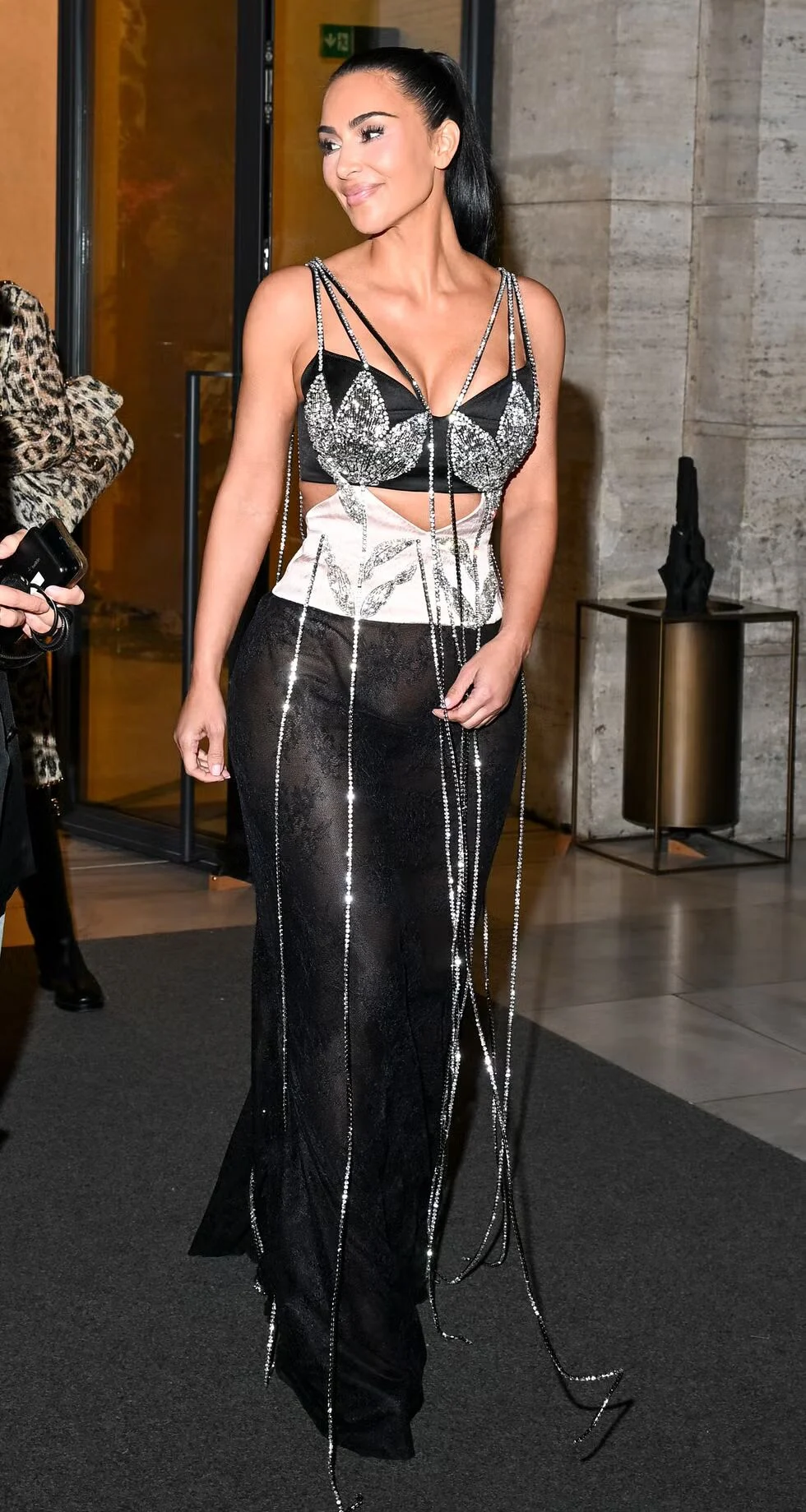
The presence of A-list celebrities at World Cup finals is hardly new, but the 2026 edition seemed to draw an even more dazzling constellation of stars. These high-profile attendees, whether die-hard football enthusiasts or captivated by the tournament’s infectious energy, added an extra layer of glamour to an already prestigious event. Their appearances underscored the World Cup’s status as a truly global phenomenon, transcending geographical and cultural boundaries to unite people under the banner of sport and entertainment.

A Gallery of Global Icons at the Final
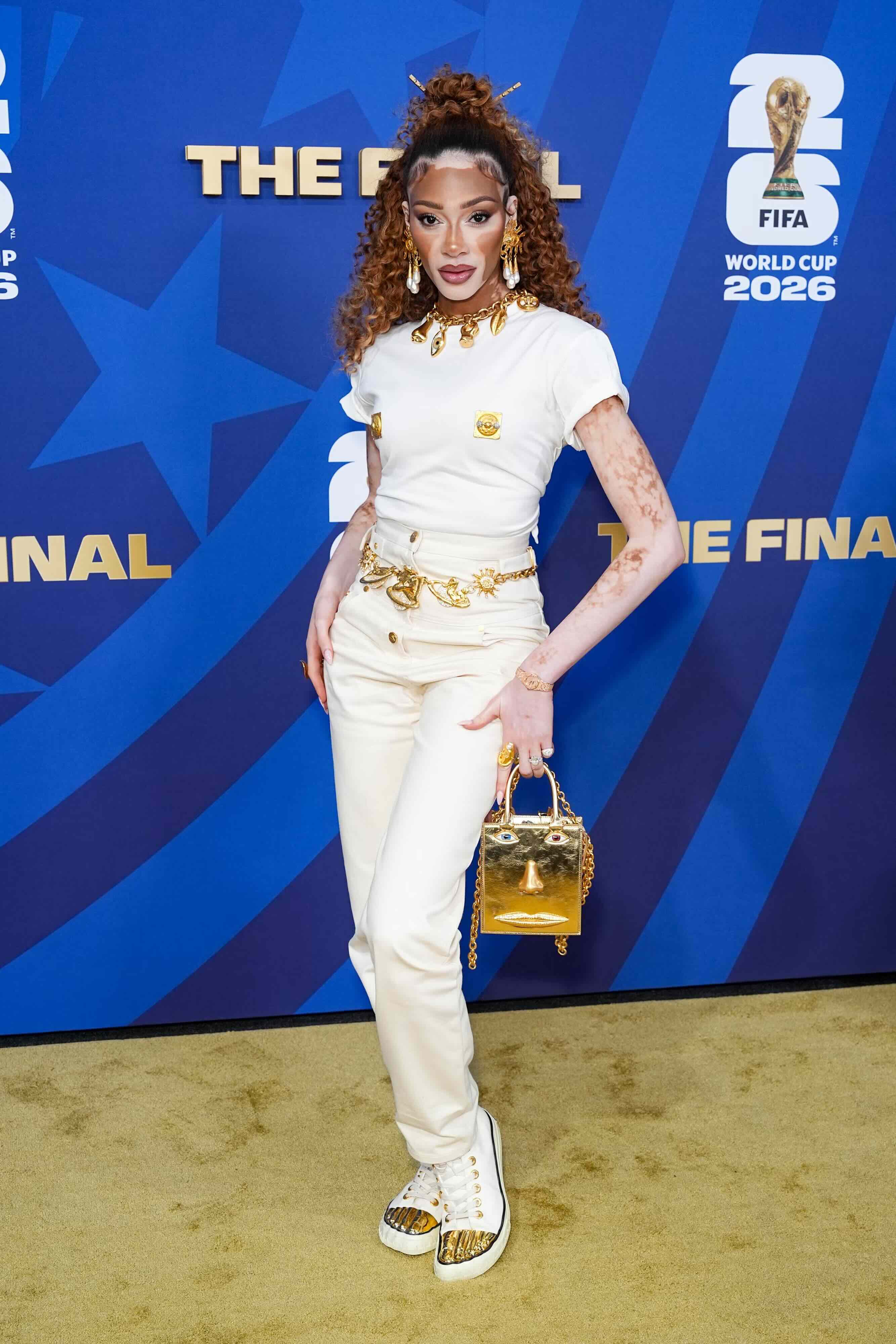
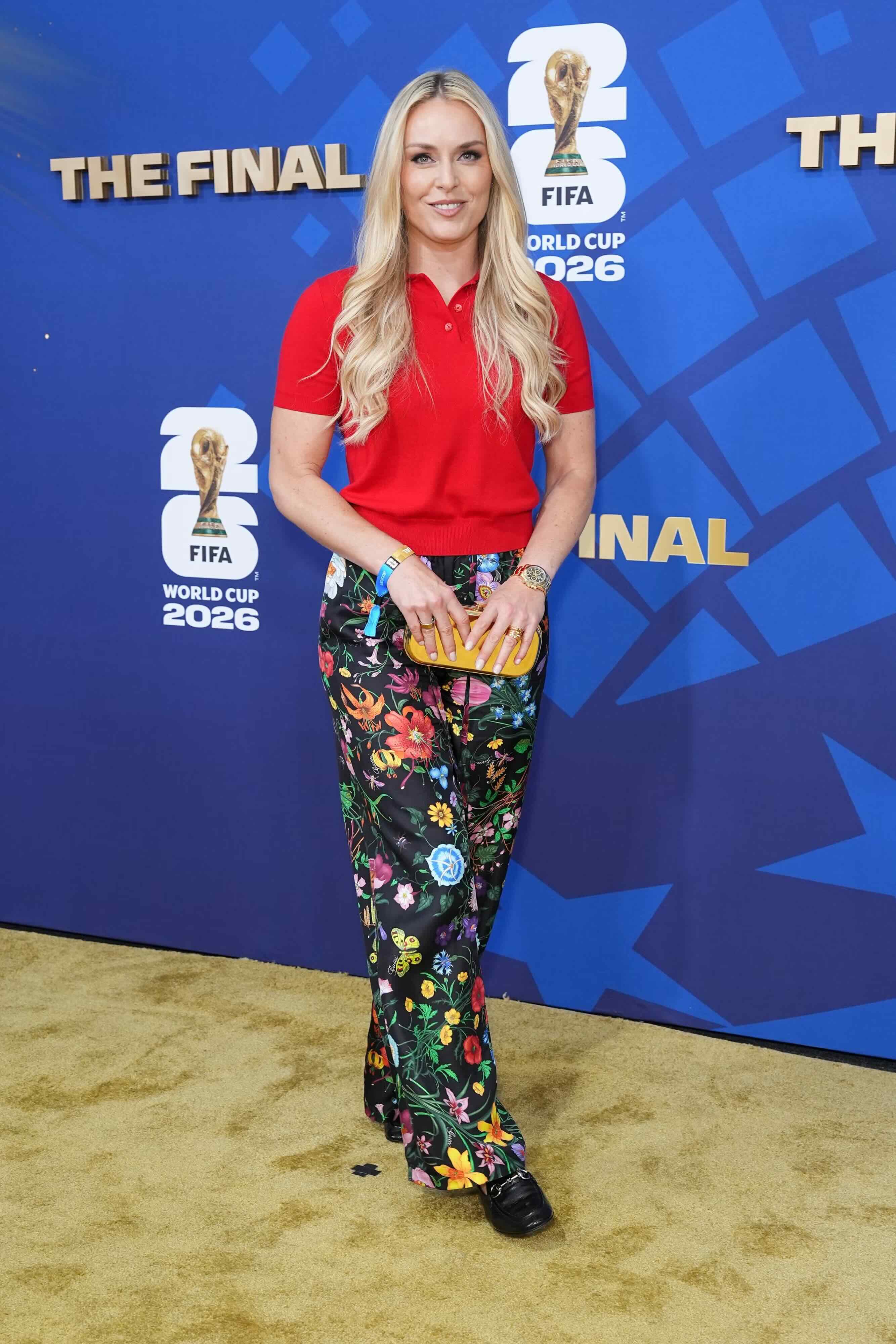
The stadium’s premium suites and spectator stands were a visual feast, populated by a who’s who of international fame. Early arrivals included model Winnie Harlow, actress Julia Garner, and Olympic skiing champion Lindsey Vonn, who graced the pre-match red carpet, setting a stylish tone for the evening. Long-time supporters of the sport and frequent World Cup attendees, such as the iconic duo David and Victoria Beckham, were also spotted, their presence a familiar fixture at football’s pinnacle event. The young Hollywood heartthrob Timothée Chalamet, whose appearance at previous World Cup matches had already generated significant buzz, was also a highly anticipated guest, further cementing the event’s status as a major cultural happening.
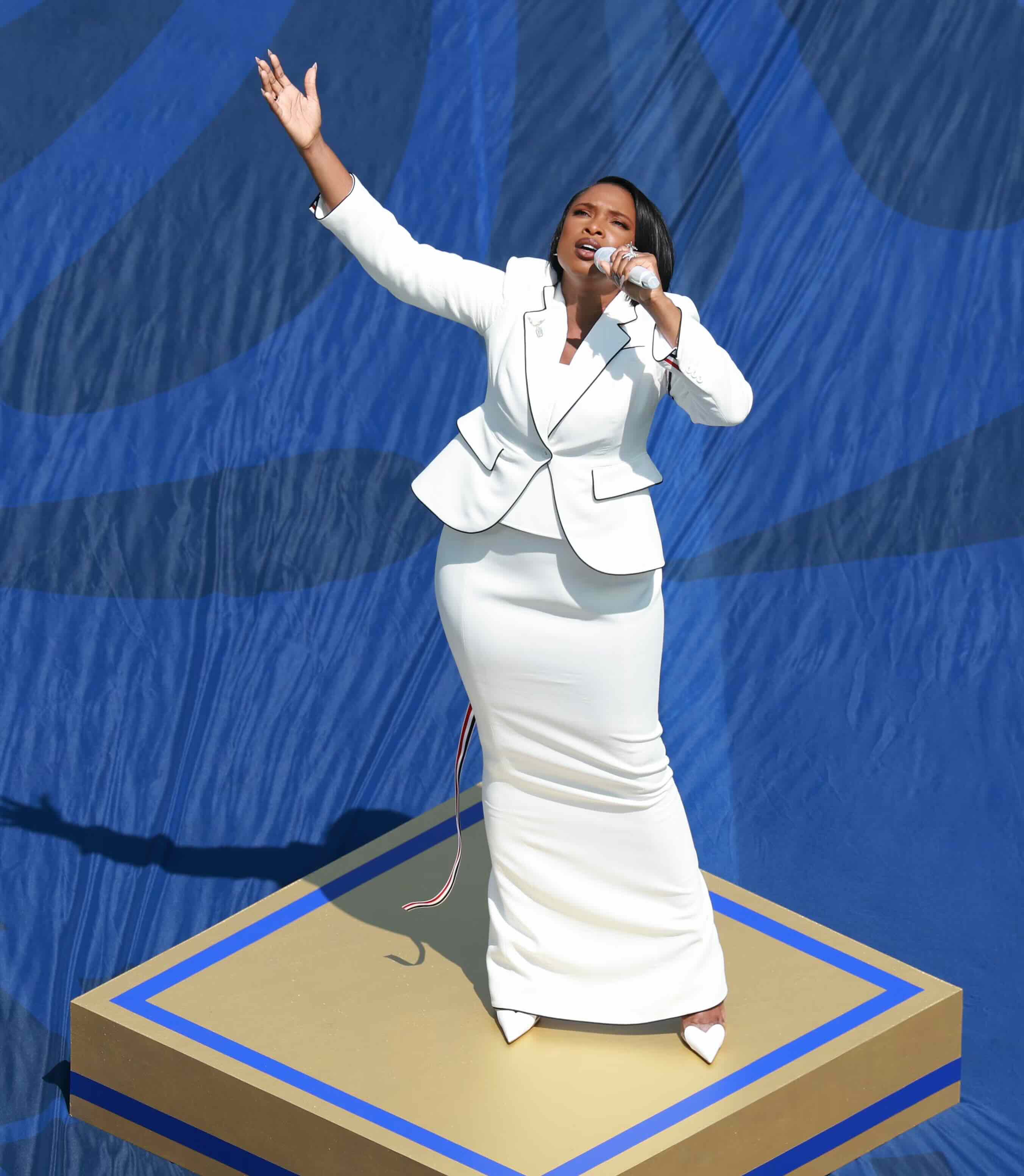
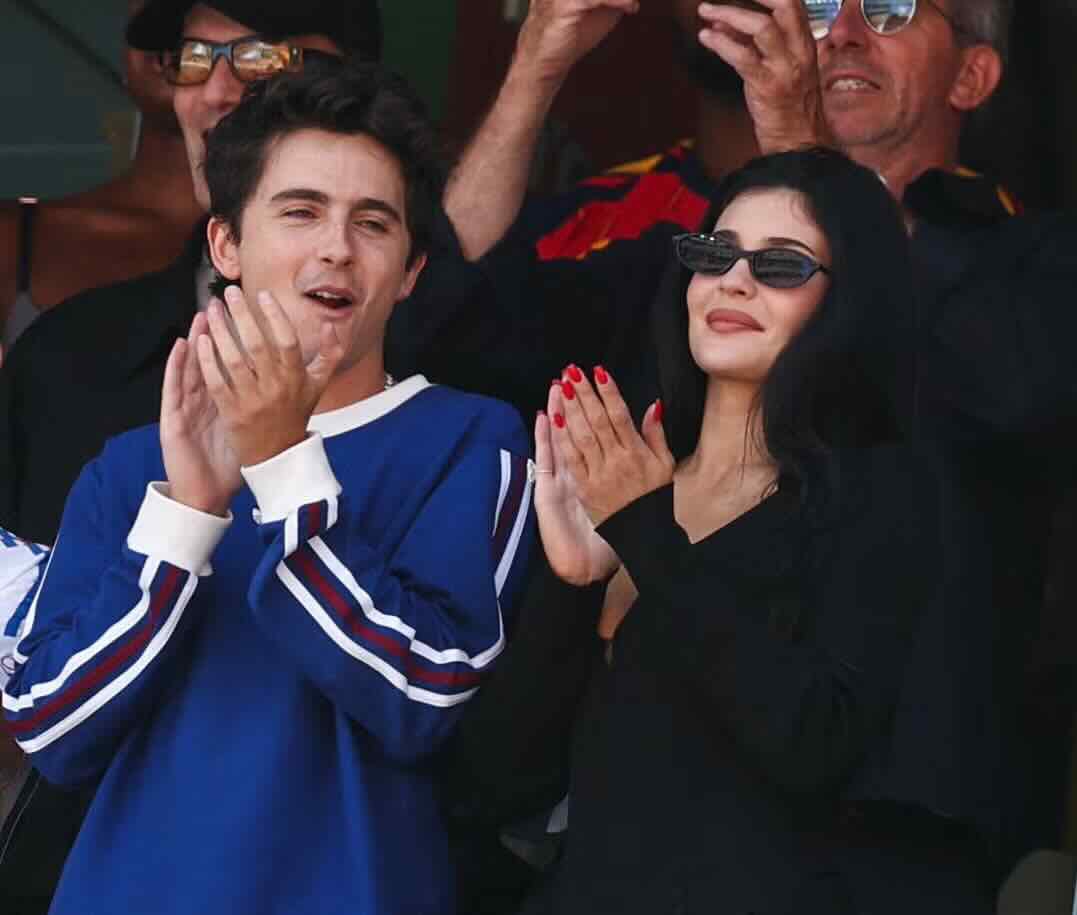
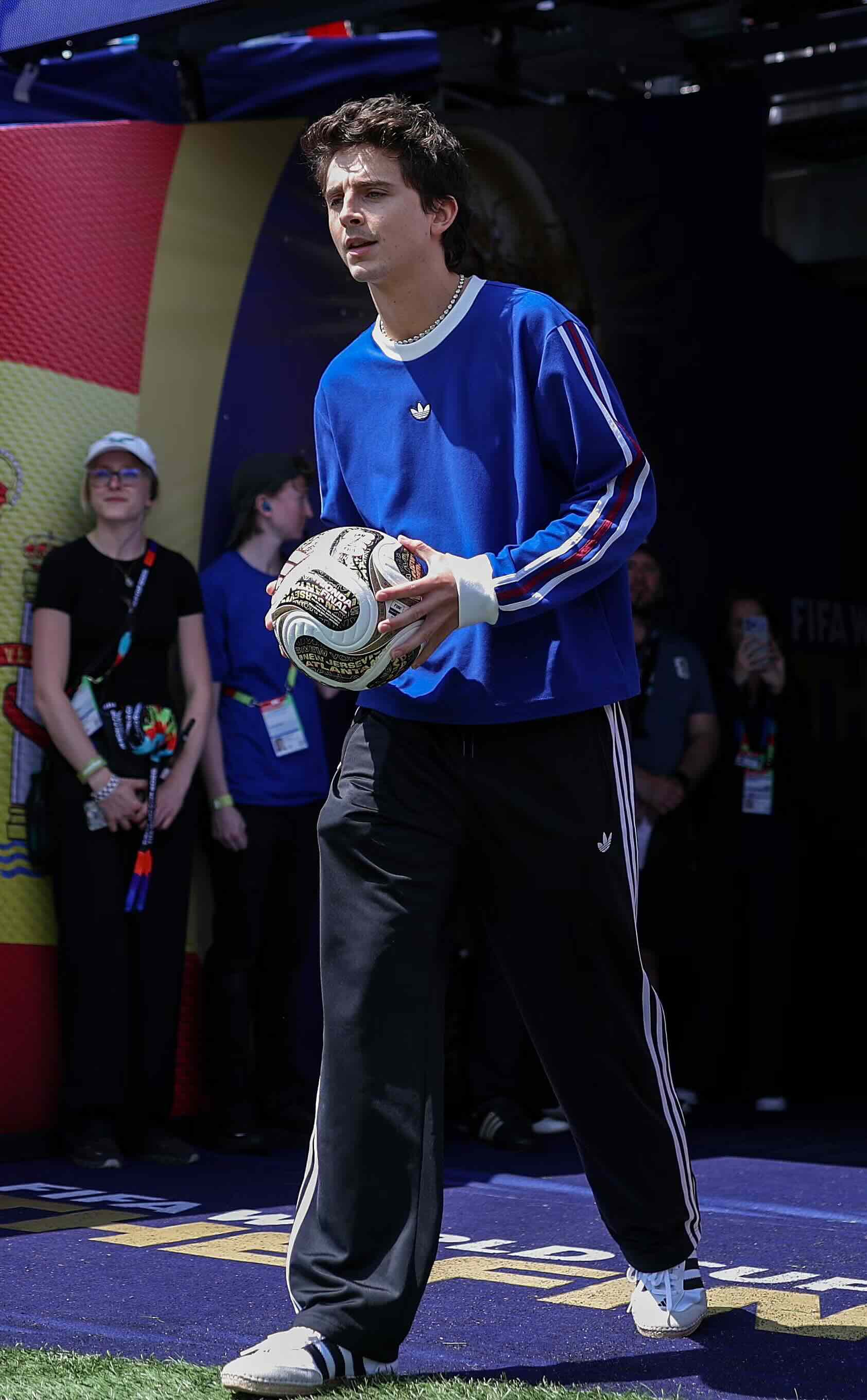
The visual evidence confirmed the presence of many of these celebrated figures. Timothée Chalamet was notably photographed, sometimes alongside rumored girlfriend Kylie Jenner, showcasing a blend of youth culture and athletic fervor. His solo appearances also highlighted his personal engagement with the sport. The Beckham family, David and Victoria, exuded their signature style, a testament to their enduring influence in both fashion and sports. Jennifer Hudson, the Grammy and Oscar-winning powerhouse, added her vocal talent and star power to the proceedings, her presence signifying the broad appeal of the World Cup.
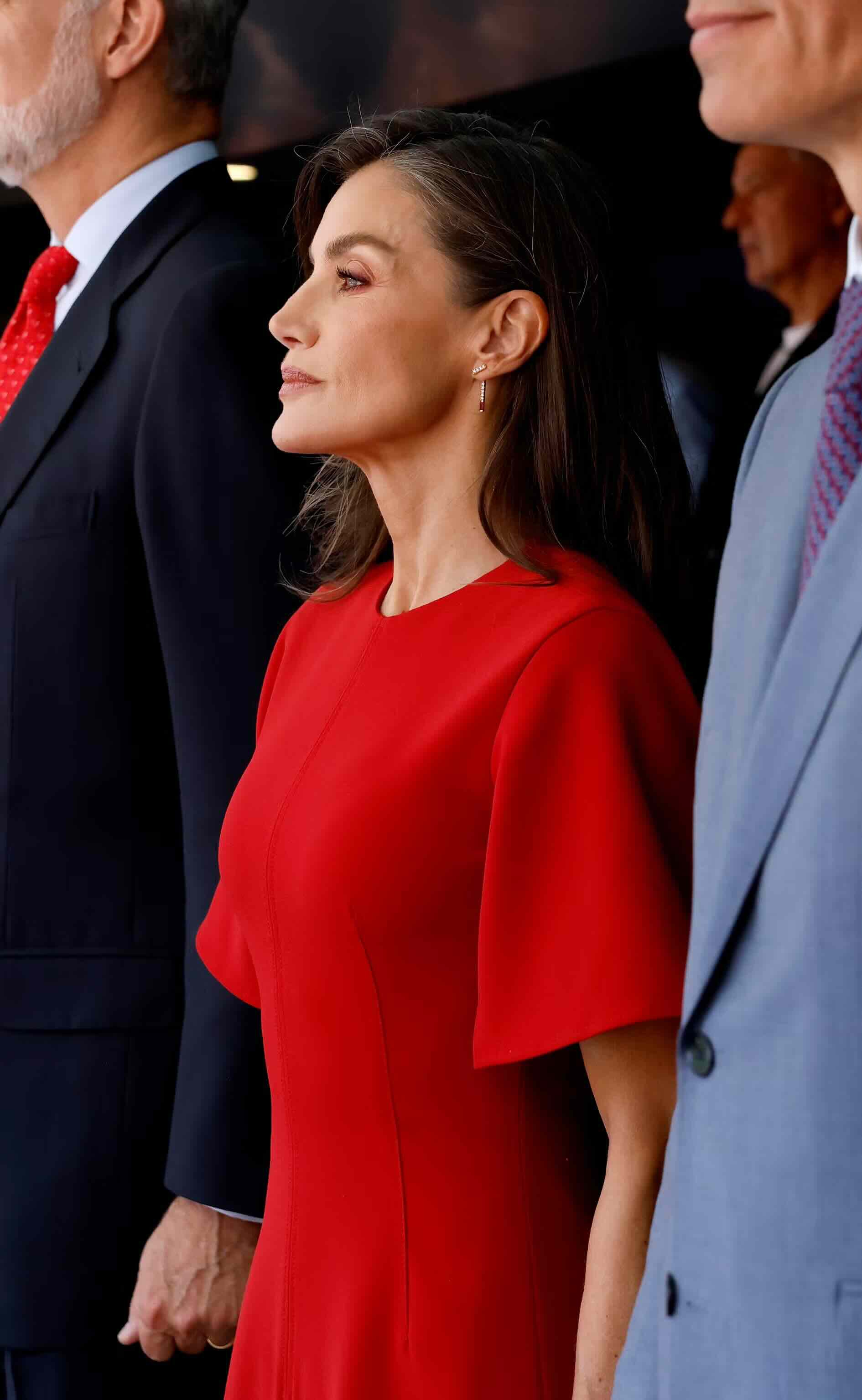
Royalty was also in attendance, with Queen Letizia of Spain, a passionate advocate for her nation’s football team, lending an air of regal support to the Spanish contingent. This royal endorsement underscored the deep national pride invested in the team’s performance. Hollywood heavyweights also made their mark. Matt Damon, accompanied by his wife Luciana Barroso, demonstrated their appreciation for the global game. The veteran actor Richard Gere, alongside his wife Alejandra Silva, added a touch of timeless Hollywood glamour to the event, their presence a reminder of the enduring allure of the World Cup.
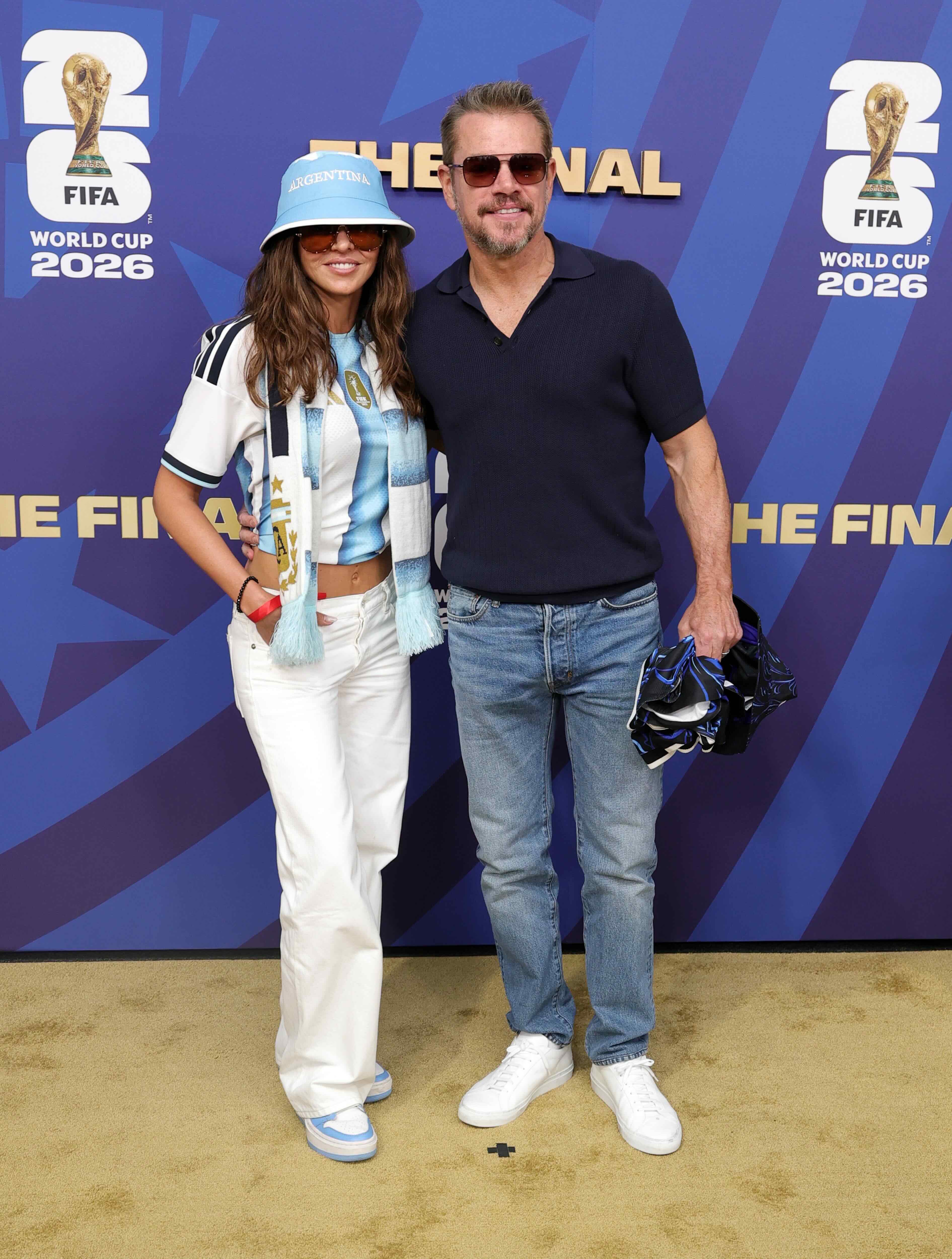
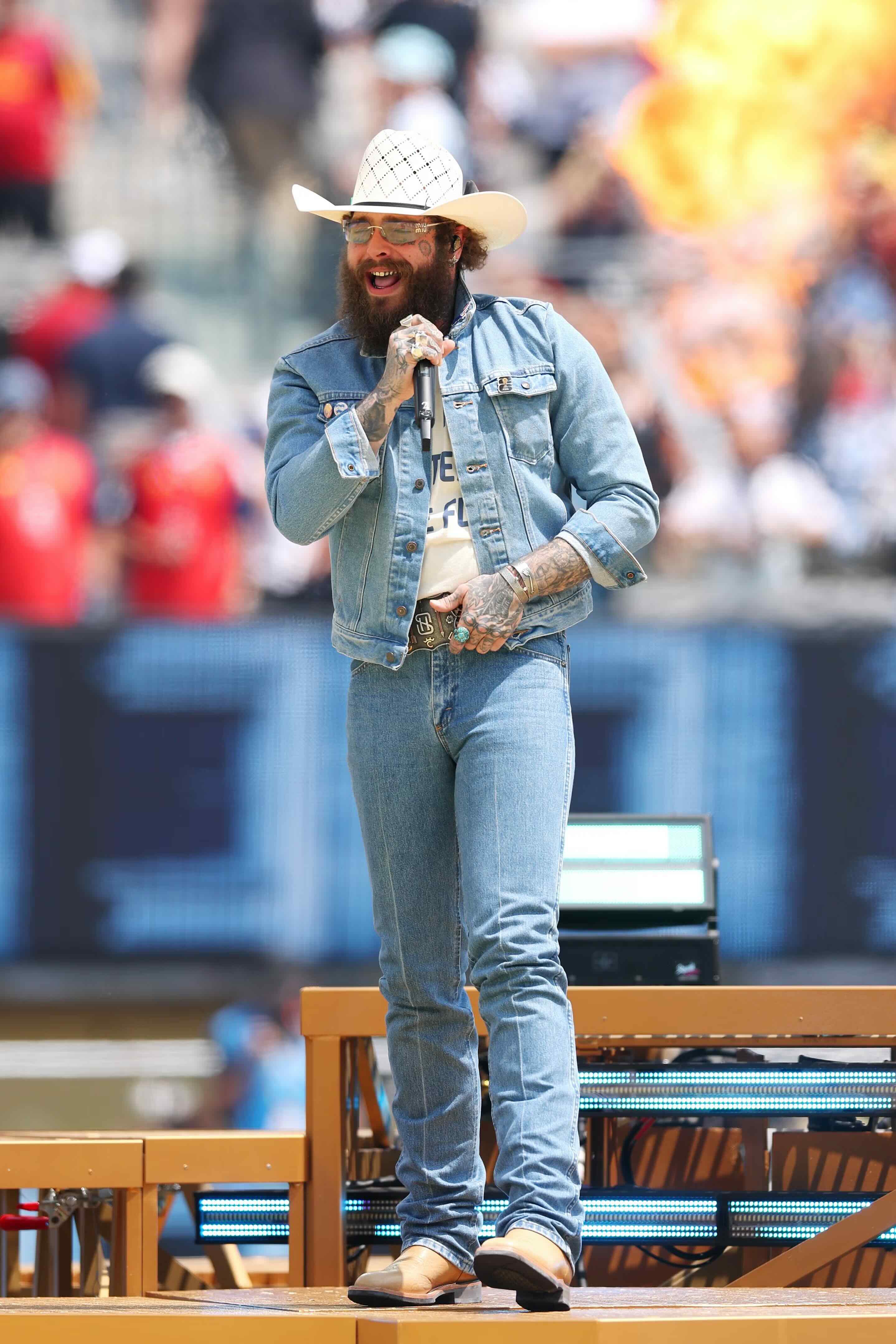
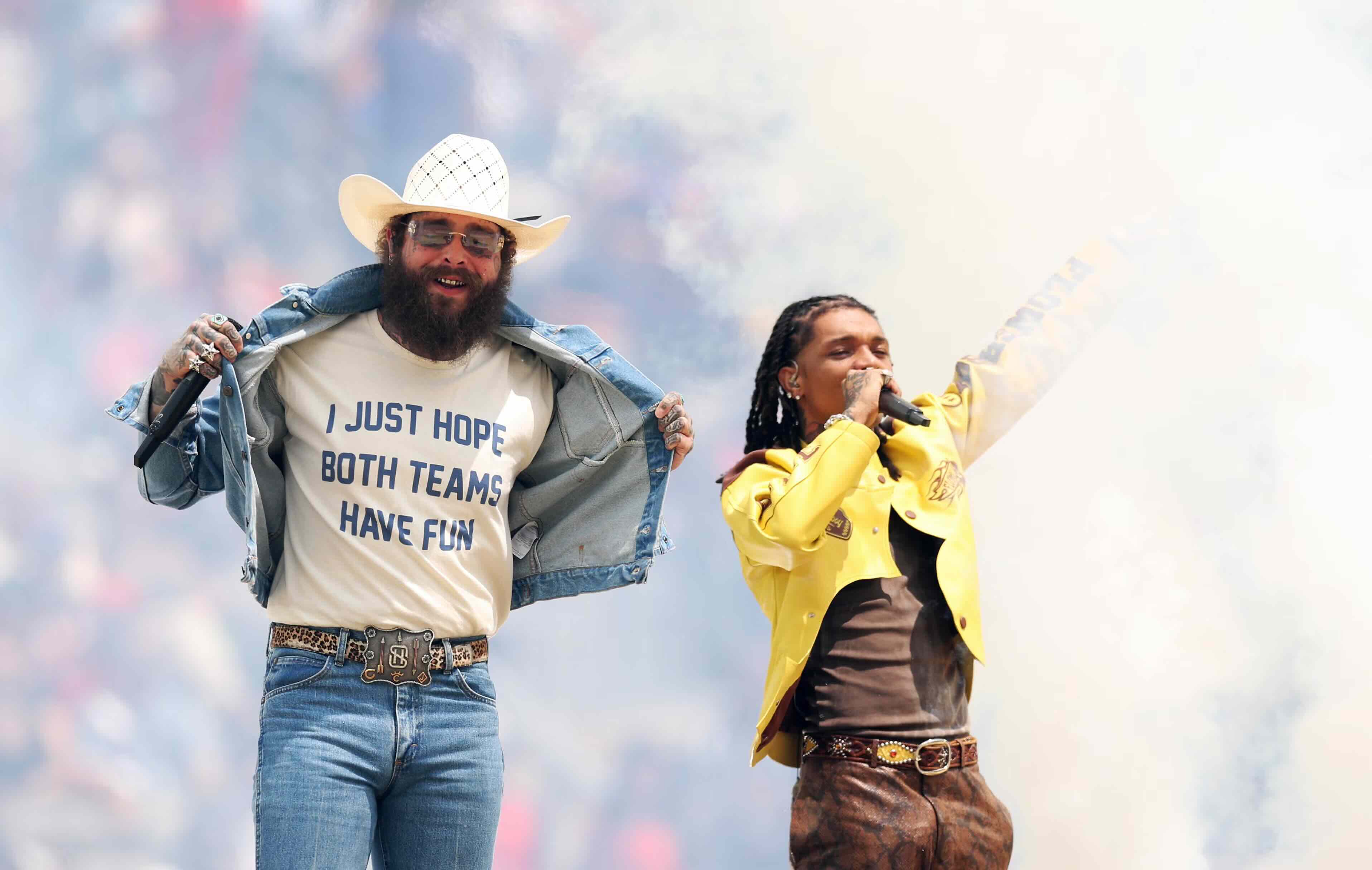
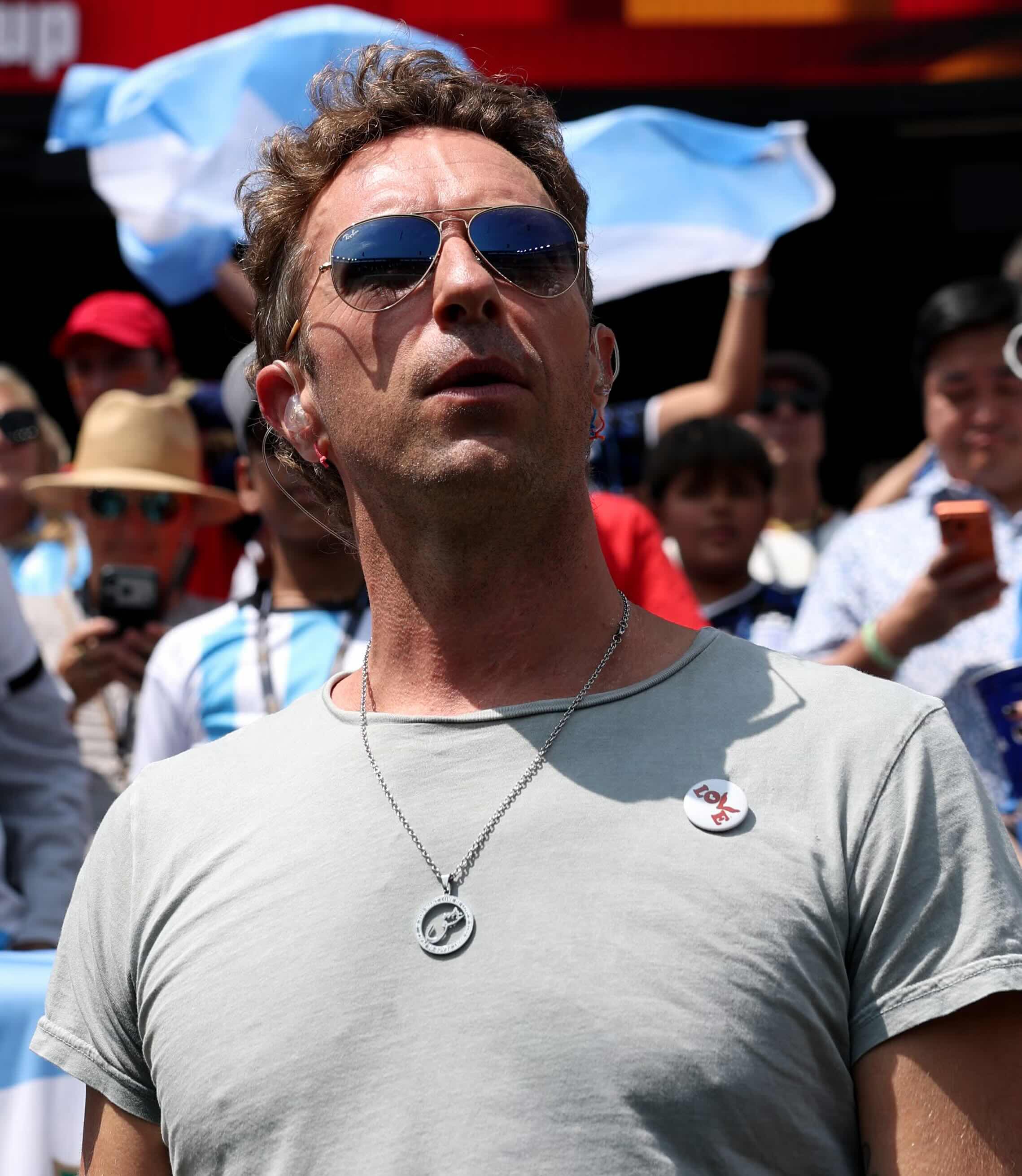
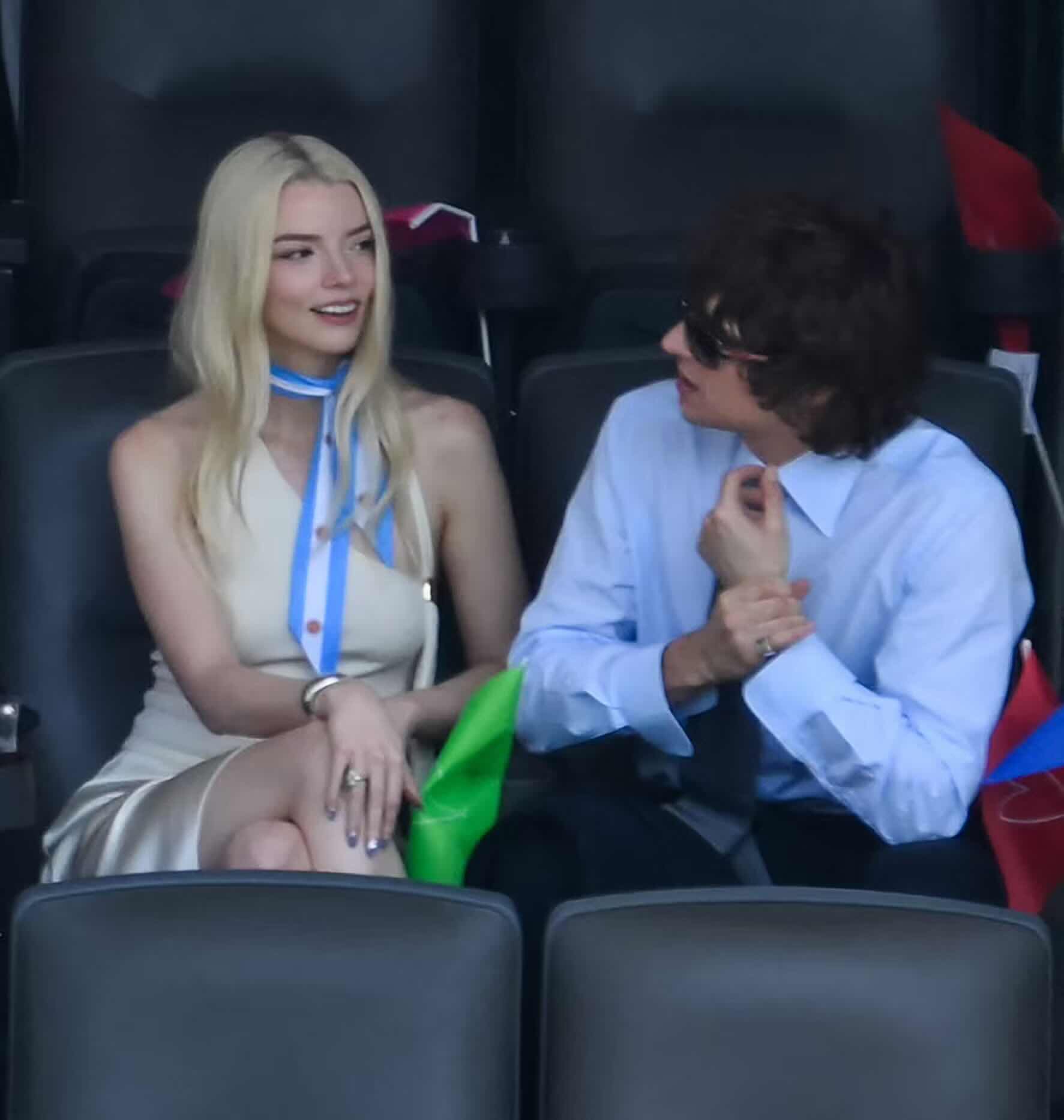
The music industry was exceptionally well-represented. Pop sensation Tate McRae brought her youthful energy to the stadium, reflecting the younger demographic captivated by the tournament. Post Malone, the multi-platinum artist, was a prominent figure, not only attending but also engaging with the atmosphere, even being pictured with fellow artist Swae Lee, hinting at a possible collaboration or shared passion for the game. The mastermind behind the halftime show, Chris Martin of Coldplay, was naturally present, overseeing the monumental entertainment spectacle. Anya Taylor-Joy, the critically acclaimed actress, was seen enjoying the match with her musician partner Malcolm McRae, a picture of Hollywood chic amidst the sporting drama.
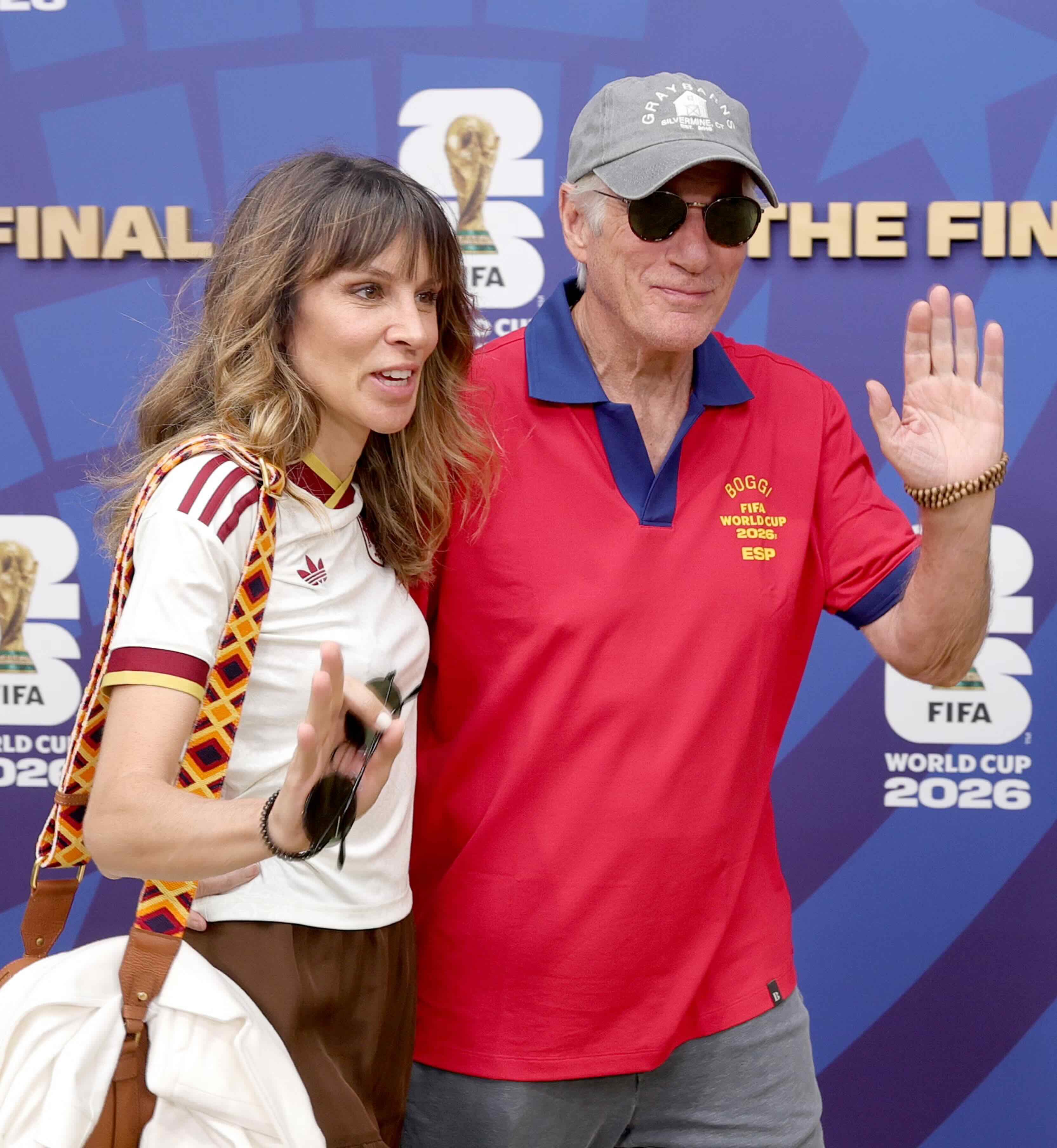
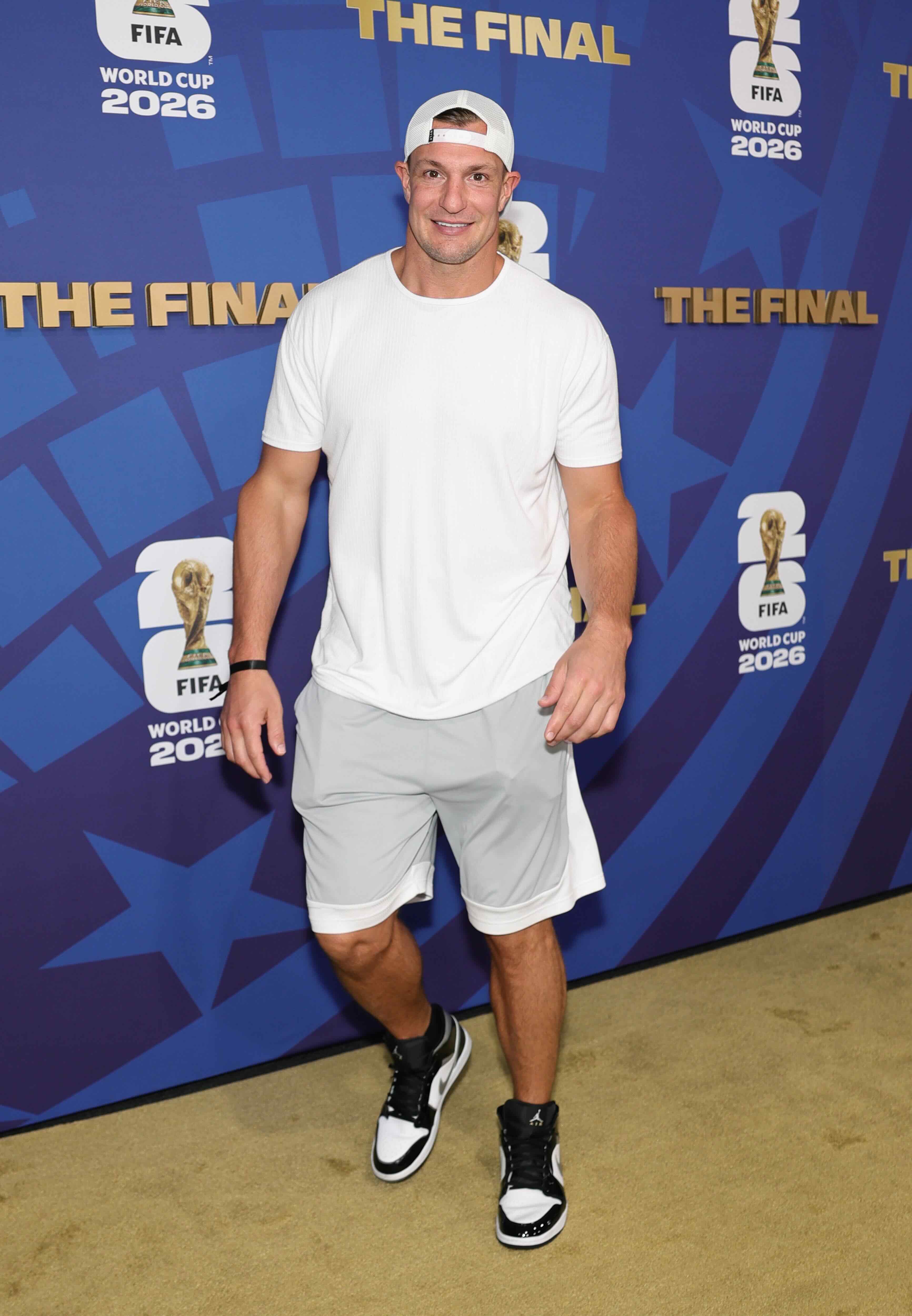
The world of professional sports, beyond football, was also present in force. Former NFL star Rob Gronkowski, known for his larger-than-life personality, added his considerable presence to the stands. Olympic gold medalist Lindsey Vonn, a celebrated figure in winter sports, showcased her versatility by attending this summer spectacle. Basketball stars also made their presence felt. Karl-Anthony Towns, a prominent NBA player, was seen taking in the action, his height making him easily identifiable among the crowd. Fellow NBA star Jalen Brunson, alongside his partner Ali Marks, also joined the throng of celebrities, highlighting the cross-sport appeal of the World Cup.

The entertainment industry’s reach extended to legendary figures. Mick Jagger, the enduring frontman of The Rolling Stones, brought his rock and roll swagger to the stadium, proving that his energy is as timeless as his music. Television personality Gayle King was also among the notable attendees, representing the media’s keen interest in the event. Hollywood icon Tom Cruise, known for his daring stunts and global appeal, was present, his attendance further elevating the star power of the final. Finally, a triumvirate of music stars, Nicole Scherzinger, Robbie Williams, and Laura Pausini, were seen together, their collective fame adding to the star-studded atmosphere, a testament to the World Cup’s universal draw.
The Global Phenomenon of the FIFA World Cup
The FIFA World Cup, held every four years, is more than just a football tournament; it is a global cultural event that captures the imagination of billions. Since its inception in 1930, it has grown exponentially in scale, prestige, and economic impact. The 2026 edition, co-hosted by the United States, Canada, and Mexico, marked a significant expansion, featuring an unprecedented 48 teams, a move designed to increase global inclusivity and provide more nations with the opportunity to compete on the world’s biggest stage. This expansion inevitably led to a longer tournament, spanning from June 11 to July 19, 2026, culminating in the grand finale at MetLife Stadium.
The choice of MetLife Stadium, a state-of-the-art venue with a capacity exceeding 82,000, for the final underscored the logistical and organizational prowess required to host such an event. The temporary name change to New York New Jersey Stadium was a symbolic nod to the bi-state region’s embrace of the tournament. The economic implications of hosting the World Cup are substantial, with host cities and nations experiencing boosts in tourism, employment, and infrastructure development. The 2026 World Cup was projected to be the most financially successful in history, driven by increased viewership, expanded sponsorship opportunities, and a larger number of participating teams.
The tournament’s narrative is often shaped by unexpected upsets, heroic performances, and compelling storylines that resonate far beyond the sport itself. The journey of Spain and Argentina to the final was a testament to their consistent excellence throughout the competition. Spain, known for its intricate passing game and technical prowess, had navigated a challenging path, showcasing resilience and strategic depth. Argentina, led by its talismanic figures, had demonstrated passion, flair, and a never-say-die attitude that endeared them to fans worldwide. The contrast in their playing styles promised a tactical battle of epic proportions.
The Halftime Show: A Unifying Force
The inclusion of a Super Bowl-caliber halftime show was a bold and innovative step by FIFA, aimed at enhancing the entertainment value and broadening the appeal of the final match. Chris Martin, a global music icon known for his philanthropic endeavors and stadium-filling performances, was an inspired choice to curate this segment. His collaboration with global superstars like Madonna, Justin Bieber, Shakira, and BTS ensured a performance that transcended musical genres and appealed to a vast, diverse audience.
The decision to link the halftime show to the FIFA Global Citizen Education Fund was particularly significant. It highlighted a growing trend of major sporting and entertainment events incorporating social responsibility into their programming. By leveraging the immense platform of the World Cup final, the initiative aimed to raise awareness and funds for educational opportunities for underprivileged children, a cause that resonates globally. This synergy between entertainment, sport, and social impact is likely to become a blueprint for future large-scale events, demonstrating that entertainment can be a powerful tool for positive change.
Broader Implications and Analysis
The convergence of world-class football, A-list celebrities, and a groundbreaking musical performance at the FIFA World Cup 2026 final signifies a further blurring of lines between traditional entertainment sectors and the world of sports. This phenomenon is driven by several factors: the immense global reach of both football and celebrity culture, the increasing demand for immersive entertainment experiences, and the strategic alignment of brands and organizations seeking to connect with vast and diverse audiences.

The presence of figures like Timothée Chalamet and Kylie Jenner, for instance, taps into a younger demographic that may not be as deeply invested in the intricacies of football but is drawn to the cultural cachet of the event. Similarly, the involvement of music legends like Madonna and BTS ensures that the World Cup final becomes a multi-faceted cultural moment, celebrated not just for its sporting drama but also for its entertainment value. This integration has the potential to attract new fans to the sport and elevate the World Cup’s status as a premier global entertainment property.
Furthermore, the successful integration of a socially conscious element, such as the Global Citizen Education Fund, sets a precedent for future events. It demonstrates that large-scale spectacles can be leveraged to promote meaningful causes, thereby enhancing their societal relevance and legacy. The financial success of the 2026 World Cup, combined with its innovative entertainment and social impact strategies, will undoubtedly influence the planning and execution of major sporting events for years to come, solidifying its position as a benchmark for global sports entertainment. The enduring appeal of the FIFA World Cup lies not only in its ability to showcase athletic excellence but also in its capacity to unite the world through shared passion, excitement, and a collective celebration of human achievement.