Lina Irawan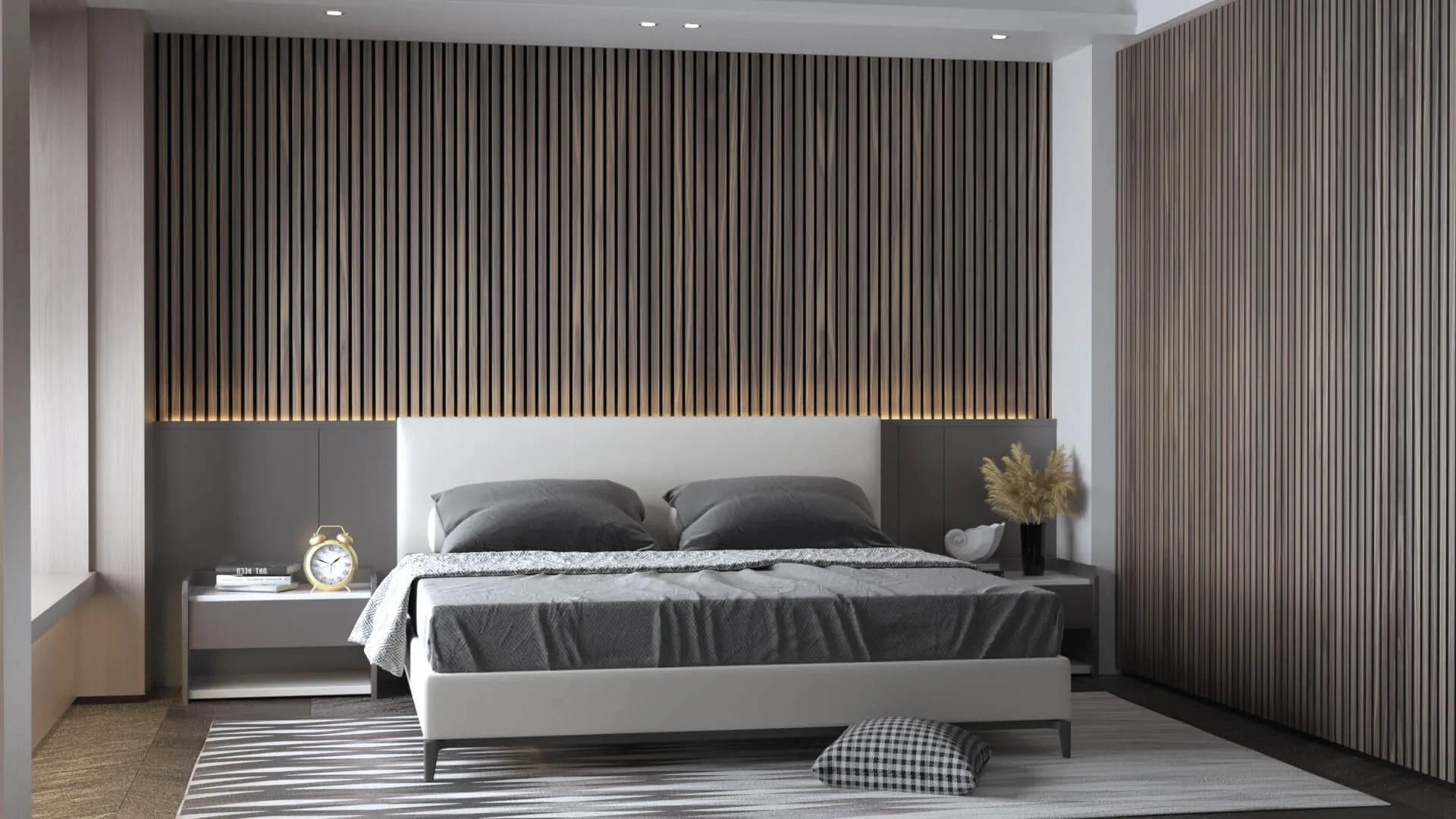
The allure of quick, affordable, and aesthetically pleasing bedroom renovations often leads homeowners to consider Polyvinyl Chloride (PVC) wall panels. While their instant visual appeal and rapid installation process may seem attractive, this seemingly convenient choice carries significant long-term risks for respiratory health and overall well-being. A bedroom is more than just a space; it is a sanctuary where the body undergoes cellular recovery and where individuals spend a significant portion of their lives, typically eight hours or more nightly, inhaling the ambient air. Evaluating interior materials, therefore, cannot merely hinge on metrics of "cheap and fast." From a medical standpoint and concerning established Indoor Air Quality (IAQ) parameters, encapsulating a sleeping environment with synthetic polymers represents a profound oversight with potentially severe health repercussions.
The Appeal Versus the Reality: Understanding PVC in Modern Interiors
Polyvinyl Chloride, commonly known as PVC, is one of the most widely produced synthetic plastic polymers globally. Its versatility, durability, and cost-effectiveness have led to its extensive use across various industries, including construction, where it features prominently in pipes, flooring, window frames, and siding. In recent years, PVC wall panels have gained traction in interior design, particularly for residential renovations. Their popularity stems from several perceived advantages: they are relatively inexpensive, quick to install using a dry-fit method without the need for cement, waterproof, easy to clean, and available in a vast array of designs that can instantly transform a room’s aesthetic. For many, they offer a seemingly ideal solution for quickly covering imperfect walls and achieving a modern, finished look. However, this immediate visual gratification often overshadows a critical understanding of fundamental building physics and the material’s interaction with the indoor environment, especially in a critical space like a bedroom.
Conventional building materials like brick, concrete, or traditional plaster possess inherent permeability, allowing walls to "breathe" and naturally regulate indoor humidity and air circulation. When an impermeable plastic sheet like PVC is affixed directly onto these surfaces, this natural mechanism is entirely disrupted. Instead of promoting a healthy living environment, this aesthetic manipulation creates an artificial ecosystem that can become profoundly toxic over time. This section will delve into seven critical medical and scientific reasons why PVC panels pose a significant danger to the health of your bedroom.
1. Meticulous Emissions of Carcinogenic Volatile Organic Compounds (VOCs)
One of the primary concerns associated with PVC wall panels is their continuous emission of Volatile Organic Compounds (VOCs). VOCs are organic chemicals that have a high vapor pressure at ordinary room temperature, meaning they readily evaporate into the ambient air. PVC itself, along with industrial adhesives like polyurethane often used in its installation, can persistently off-gas these compounds. Key VOCs associated with PVC include vinyl chloride monomer, a known human carcinogen classified by the International Agency for Research on Cancer (IARC), and various phthalates, which are plasticizers added to PVC to make it flexible. These phthalates are endocrine disruptors, capable of interfering with the body’s hormonal system.
The "outgassing" process, where these chemicals are released into the air, saturates the bedroom environment with microscopic chemical particles. Chronic inhalation of these compounds, particularly over the eight-plus hours spent sleeping, can lead to cellular damage and a range of adverse health effects, including respiratory irritation, headaches, nausea, and long-term risks such as cancer, reproductive issues, and developmental problems, particularly in children. The World Health Organization (WHO) and environmental agencies globally have established guidelines for indoor air pollutants, consistently highlighting VOCs as major contributors to poor IAQ and "sick building syndrome," a condition where occupants experience acute health and comfort effects that appear to be linked to time spent in a building.
2. An Ideal Incubator for Deadly Fungal Spores

Traditional walls constructed from brick, concrete, or plaster are inherently permeable; they allow for the natural exchange of moisture and air. This "breathability" is crucial for maintaining a healthy indoor environment. However, when these permeable surfaces are sealed completely with an impermeable PVC plastic sheet, the wall’s natural moisture regulation is entirely halted. Any moisture present within the wall structure or seeping in from external sources becomes trapped, with no pathway for evaporation.
This trapped moisture, combined with the darkness and often stagnant air behind the panels, creates a microscopic habitat perfectly suited for the proliferation of toxic black mold, specifically Stachybotrys chartarum. This insidious fungus produces mycotoxins that, when airborne, can be inhaled and pose severe risks to lung health. Exposure to Stachybotrys chartarum mycotoxins has been linked to severe respiratory issues, chronic fatigue syndrome, neurological symptoms, skin irritation, and immunosuppression. Children and individuals with compromised immune systems are particularly vulnerable. The lack of ventilation and the constant dampness behind PVC panels transform what should be a healthy wall into a hazardous incubator for dangerous pathogens.
3. Inducing Room Asphyxia and Depleted Natural Oxygen Levels
Installing PVC panels can be likened to sealing your bedroom within a giant, airtight plastic bag. This act completely arrests the natural humidity equilibrium and micro-ventilation inherent to the building structure. The walls, deprived of their natural ability to "breathe," experience a form of "asphyxia" or respiratory failure. This results in a significant disruption of micro-air circulation within the room, leading to stagnant, stuffy air and a noticeable decline in the quality of oxygen available for respiration during sleep.
The consequences of this indoor air stagnation extend beyond mere discomfort. Elevated levels of carbon dioxide (CO2) can accumulate, and the natural replenishment of oxygen is inhibited. This state of "room asphyxia" can manifest as feelings of fatigue, difficulty concentrating, and a general sense of malaise upon waking. Over time, it can contribute to a reduction in restorative sleep quality, exacerbating existing respiratory conditions and potentially leading to new ones. The subtle yet constant deprivation of fresh, naturally circulated air undermines the fundamental purpose of a bedroom as a space for healing and rejuvenation.
4. Air Intoxication Leading to Persistent Morning Headaches
Do you frequently wake up with a pounding headache or a dry, irritated throat? These symptoms could be direct indicators of indoor air intoxication, a common outcome in environments enclosed by PVC panels. The distinctive chemical scent, often described as a "phthalate odor," emanating from PVC materials and their associated adhesives, becomes trapped within the enclosed space. In rooms with air conditioning (AC), this chemically laden air is continuously circulated and recirculated, intensifying exposure. Counterintuitively, the cooling effect of AC can sometimes worsen the problem by reducing air exchange with the outside and trapping pollutants more effectively within the confined space.
This constant exposure to airborne chemicals, particularly while the body is in a state of rest, can lead to acute symptoms of chemical sensitivity. Beyond headaches and throat irritation, individuals may experience nausea, dizziness, and a general feeling of being unwell. This is a clear sign that the body’s respiratory system and overall physiology are reacting negatively to the toxic burden in the air. These symptoms are consistent with what is often termed "building-related illness," highlighting the direct link between the built environment and occupant health.
5. Disruption of Deep Sleep Phases Due to Acoustic Impact

Beyond chemical and biological hazards, PVC panels also negatively impact neurological health through their acoustic properties. The hard, non-porous surface of polymer PVC is highly reflective of sound waves, rather than absorbent. This aggressive reflection creates an auditory phenomenon known as "flutter echo," characterized by sharp, piercing echoes that can be particularly jarring. In a bedroom, where tranquility is paramount for restorative sleep, this reduction in acoustic quality can have significant consequences.
The constant barrage of reflected sound, even at low levels, can induce sensory stress on the brain. This subtle but persistent auditory disturbance significantly interferes with the body’s ability to achieve and maintain critical sleep phases, particularly deep sleep (NREM stages 3 and 4) and REM sleep. Chronic disruption of these phases can lead to a host of neurological issues, including impaired cognitive function, memory problems, mood disturbances, a weakened immune system, and an increased risk of chronic diseases such. A truly healthy bedroom environment must foster both clean air and a serene acoustic landscape conducive to profound rest.
6. Exacerbation of Asthma and Respiratory Allergies
For vulnerable populations such as infants, toddlers, and individuals with a clinical history of asthma or severe respiratory allergies, PVC panels represent a direct and potent threat. The combination of micro-dust accumulation, mold spores that can seep through panel joints, and the continuous emission of chemical gases (VOCs, phthalates) creates a highly allergenic and irritating environment. These elements collectively act as powerful triggers, capable of provoking constant asthma attacks or acute respiratory allergic reactions.
The confined nature of a bedroom with PVC panels means that these triggers are inescapable for prolonged periods. This chronic exposure can lead to persistent inflammation of the airways, increased mucus production, and heightened bronchial reactivity. Over time, this can cause irreversible lung damage in severe cases and significantly diminish the quality of life for those afflicted. Public health data consistently points to indoor air pollutants as a major contributing factor to the rising prevalence of childhood asthma and other respiratory ailments, underscoring the critical need for safe material selection in homes.
7. Accelerated Release of Additional Chemical Compounds Due to Thermal Radiation
The stability of PVC is also compromised by thermal factors, which are often overlooked in residential settings. If a bedroom features windows that receive direct sunlight, the PVC panels will be regularly exposed to UV radiation and heat. PVC, as a plastic, possesses a relatively high coefficient of thermal expansion. This means it expands significantly when heated and contracts when cooled. When subjected to repeated cycles of extreme heat from sunlight and subsequent cooling from air conditioning, the structural integrity of the polymer slowly degrades.
This thermal degradation accelerates the "leaching" and "off-gassing" of various chemical components, including plasticizers like phthalates, into the ambient air. Even minute temperature fluctuations can increase the rate of chemical release, but prolonged exposure to direct sunlight significantly intensifies this process. In extreme and prolonged heat, there is even a theoretical risk of forming more harmful byproducts, although this is more relevant in industrial settings. Furthermore, this degradation contributes to the shedding of microplastic particles, which can also become airborne and ingested, adding another layer of environmental and health concern. The dynamic thermal environment of a bedroom thus transforms PVC from a seemingly inert material into an active source of toxic emissions.
Expert Insights and Broader Implications

Medical professionals, building scientists, and environmental health organizations consistently issue warnings against the pervasive use of synthetic, non-breathable materials in critical living spaces such as bedrooms. They emphasize the proven link between poor Indoor Air Quality and a spectrum of adverse health outcomes. Organizations focused on environmental health advocate for stringent regulations and transparent labeling of building materials, particularly those containing VOCs and phthalates, to protect consumers. The World Health Organization (WHO) unequivocally stresses the vital role of healthy indoor environments in preventing respiratory diseases, promoting mental well-being, and fostering overall public health.
The implications of widespread PVC panel usage in residential bedrooms extend beyond individual health. They contribute to a broader public health challenge, silently exacerbating conditions like asthma, allergies, and chemical sensitivities, particularly affecting vulnerable populations such as children and the elderly. This hidden crisis carries significant economic burdens, including increased healthcare costs and reduced productivity due to illness. Furthermore, the lifecycle of PVC, from its chlorine-intensive production to its problematic disposal (often leading to toxic emissions upon incineration), raises substantial environmental concerns, making the material’s impact far-reaching. The current regulatory landscape often lags behind scientific understanding and consumer awareness regarding the health impacts of novel building materials, highlighting a critical gap that needs addressing.
The Medical Consensus: Prioritizing Breathable Materials for Health
From both a medical and architectural health perspective, it is strongly recommended to eliminate the use of pure PVC panels in primary bedrooms and children’s rooms. The aesthetic appeal and immediate cost savings are demonstrably outweighed by the profound, long-term health risks they introduce into the most vital space for rest and recovery.
Instead, prioritize conventional materials that are inherently "breathable" and medically proven to be safe. Excellent alternatives include:
- Precision Plaster with Certified Zero-VOC Emulsion Paints: Traditional plaster allows walls to breathe, facilitating natural moisture exchange. When coated with paints certified as Zero-VOC (Volatile Organic Compounds), such as those bearing GreenGuard or EcoLabel certifications, it ensures no harmful chemicals are off-gassed into the air. This combination offers durability, aesthetic flexibility, and optimal air quality.
- Non-Woven Wallpaper: Unlike traditional vinyl wallpapers, non-woven options are typically made from natural or synthetic fibers that allow walls to breathe. They often require less adhesive and are generally free of PVC and phthalates, providing a healthier alternative for decorative wall finishes.
- Natural Wood Paneling: When sourced sustainably and finished with low-VOC sealants or natural oils, wood panels can offer warmth, natural beauty, and a relatively healthy surface. Proper installation is key to prevent moisture trapping.
- Gypsum Board (Drywall) with Low-VOC Paint: A standard, widely available, and safe option when painted with certified low or zero-VOC products.
- Lime Plaster: A traditional material known for its high breathability, natural antifungal properties, and ability to regulate indoor humidity.
- Cork Panels: A natural, renewable, and biodegradable material that offers excellent acoustic properties, insulation, and is free from toxic chemicals.
While the installation process for these healthier alternatives may require more time and potentially a slightly higher initial investment, it is an invaluable investment in creating a home environment free from carcinogenic toxins, promoting healthy oxygen circulation, and ensuring genuinely restorative sleep for all occupants. The bedroom should remain a sanctuary of health and tranquility, not a silent contributor to chronic illness.