
 Lina Irawan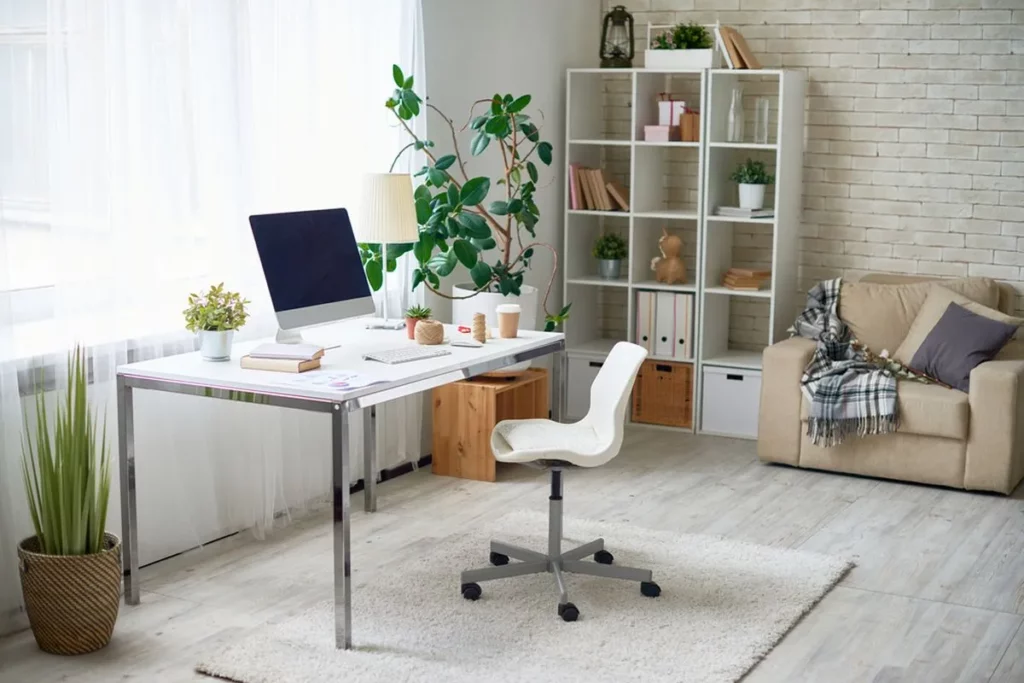
The global health crisis of a few years ago irrevocably reshaped the professional landscape, demonstrating with undeniable clarity that remote work can be as productive, if not more so, than traditional office environments. As we look towards 2026, this paradigm shift has solidified, not merely as a temporary adaptation but as a fundamental component of the modern workforce. This enduring trend has spurred significant innovation in the design of home workspaces, moving beyond makeshift setups to sophisticated, integrated solutions. The primary focus for home office design in 2026 transcends mere aesthetics, placing paramount importance on ergonomics, productivity enhancement, and a profound connection with nature. According to leading interior design practitioners and industry analysts, an optimally designed home office must seamlessly integrate abundant natural lighting, meticulously chosen ergonomic furniture, and a layout specifically engineered to foster comfort, focus, and overall well-being.
The Enduring Shift: Remote Work as a Strategic Imperative
The initial forced transition to remote work in the early 2020s served as an unprecedented global experiment. What began as a necessity quickly revealed profound advantages, including increased employee satisfaction, reduced operational costs for businesses, and a broader talent pool unconstrained by geographical limitations. Data from various market research firms consistently indicates that a significant percentage of the global workforce, even as traditional offices reopen, expresses a strong preference for hybrid or fully remote working models. Projections for 2026 suggest that remote and hybrid work will continue to constitute a substantial portion of employment structures, with some estimates indicating that over 30% of the workforce in developed economies will regularly work from home. This sustained demand has propelled the home office from a peripheral consideration to a central element of residential design, influencing architectural planning and interior furnishing trends.
This evolution signifies a maturity in how both individuals and organizations perceive remote work. Initial setups, often improvised on dining tables or spare corners, proved unsustainable for long-term productivity and physical health. The market has responded with a surge of specialized products and design philosophies aimed at creating dedicated, high-performance workspaces within the home. The design dialogue for 2026 is less about if people will work from home, but how their homes can be optimized to support this new professional reality.
Prioritizing Health and Ergonomics: The Foundation of a Productive Workspace

At the heart of 2026 home office design is an unwavering commitment to health and ergonomics. Prolonged periods of sitting and improper posture have been linked to a host of health issues, including musculoskeletal disorders, chronic back and neck pain, and digital eye strain. A well-designed ergonomic workspace is no longer a luxury but a critical investment in an individual’s long-term health and sustained productivity. Interior practitioners emphasize several core ergonomic principles:
- Ergonomic Seating: The cornerstone of any comfortable workspace. Chairs must offer adjustable lumbar support, armrests, seat height, and tilt mechanisms to maintain the spine’s natural curve and support proper posture. Investing in a high-quality ergonomic chair is considered non-negotiable by experts.
- Adjustable Desks: Sit-stand desks have become increasingly popular, allowing users to alternate between sitting and standing throughout the day. This dynamic approach significantly reduces the risks associated with sedentary behavior, improves circulation, and can boost energy levels. For those with space constraints, compact or wall-mounted adjustable desks offer viable solutions.
- Monitor Positioning: The top of the monitor should be at eye level, approximately an arm’s length away. This prevents neck strain and promotes optimal visual comfort. Monitor arms, which allow for easy adjustment of height and distance, are highly recommended.
- Keyboard and Mouse Ergonomics: Keyboards should be positioned to keep wrists straight and relaxed, ideally with a slight negative tilt. Ergonomic mice reduce strain on the wrist and hand. Wrist rests can provide additional support but should not impede natural movement.
- Foot Support: For individuals whose feet do not rest flat on the floor when seated, a footrest is essential to maintain proper leg circulation and alleviate pressure on the lower back.
- Optimal Layout: The overall layout should facilitate natural movement, ensuring frequently used items are within easy reach to minimize stretching and twisting. Ample legroom beneath the desk is also crucial.
"The shift isn’t just about comfort; it’s about preventive health," states a representative from DesignInterior.ID. "We’re seeing clients understand that a well-designed workspace directly impacts their physical well-being and, by extension, their capacity to perform at their best."
Strategic Space Planning: Crafting Work Zones in Diverse Environments
The reality of modern living often means that dedicated, expansive home offices are a luxury not everyone possesses. This challenge has driven innovation in strategic space planning, transforming overlooked corners and underutilized areas into functional, inspiring workspaces. For individuals residing in apartments or smaller homes, maximizing every square inch is paramount. Design experts highlight creative solutions:
- Corner Nooks: An often-neglected space, a corner can be transformed with a custom-built or carefully selected desk that fits snugly. Adding floating shelves above can provide vertical storage without overwhelming the space.
- Closet Conversions: A surprisingly effective solution, especially for those needing a clear distinction between work and life. Removing closet doors and installing a desk, shelving, and task lighting creates a "cloffice" that can be neatly closed off at the end of the workday.
- Wall-Mounted Desks: Ideal for extremely small spaces, these desks can fold down when needed and fold up to free up floor space. Some designs integrate shelving or whiteboards.
- Mezzanine Levels or Lofts: For homes with higher ceilings, a compact mezzanine can be constructed to house a dedicated office, providing a sense of separation and elevation from the main living areas. This solution offers a genuine "room within a room" feel.
- Under-Stair Areas: Similar to corner nooks, the space under a staircase can be ingeniously fitted with a custom desk and storage, utilizing an otherwise dead zone.
- Modular Room Dividers: In open-plan living, movable screens, shelving units, or even acoustic panels can define a temporary work zone without permanent structural changes, offering both visual and auditory separation.
The emphasis for 2026 is on adaptability and seamless integration. Furniture that serves multiple purposes, such as a console table that doubles as a desk or a storage ottoman that provides extra seating, is highly valued.
Aesthetic Trends: Personalization Meets Professionalism

The home office of 2026 is far from a sterile, corporate environment; it is a reflection of the individual, blending personal style with professional functionality. Based on extensive studies by design firms, several distinct aesthetic trends are popular:
-
Biophilic and Nature-Inspired: This increasingly dominant trend leverages natural materials like sustainably sourced wood, stone, and woven fibers. Large windows are celebrated for natural light and views of greenery. Indoor plants, living walls, and natural soundscapes (e.g., small water features or nature sounds played through smart speakers) create a calming, stress-reducing atmosphere. Earth-toned color palettes, from forest greens to warm beiges, complete the look. Diffusers with essential oils like citrus for focus or lavender for relaxation are common additions.
-
Modern Minimalist: Defined by clean lines, uncluttered surfaces, and a muted color palette (whites, grays, blacks, and subtle pastels). Furniture is sleek and functional, often featuring integrated storage to maintain visual simplicity. Materials like metal, glass, and light-toned wood are common. This style appeals to those who seek a tranquil, distraction-free environment, promoting clear thought and concentration. Smart home technology is often subtly integrated.
-
Artistic & Expressive: For creatives, designers, and those who thrive on inspiration, this style embraces vibrant colors, unique artworks, and eclectic furnishings. Walls might feature a gallery of personal art, motivational posters, or a large whiteboard for brainstorming. Colorful ergonomic chairs, statement lighting fixtures, and open shelving displaying creative tools or collectibles add personality. The key is to create an energetic yet organized space that fuels imagination.
-
Classic Elegant: Evoking timeless sophistication, this style features rich, dark wood furniture, often solid and substantial, paired with leather upholstery. Deep, luxurious colors like navy, forest green, or burgundy might accent neutral walls. Brass or bronze hardware, traditional desk lamps with fabric shades, and Persian rugs add warmth and a sense of refined luxury. This style often doubles as a personal library or reading nook.
-
Multifunctional Adaptive: Tailored for compact living, this approach prioritizes flexible furniture that can adapt to various needs. Foldable desks, convertible sofa beds, modular storage units, and chairs that can be easily tucked away are hallmarks. Vertical storage solutions, such as wall-mounted shelves or pegboards, are essential for organization without consuming precious floor space. The design ensures the space can fluidly transition between work, leisure, and other household activities.

-
Industrial Chic: Characterized by raw materials like exposed brick, concrete, unpolished metals (steel, iron), and reclaimed wood. The aesthetic is often rugged yet refined, with visible structural elements and utilitarian lighting fixtures. While robust, comfort is integrated through ergonomic seating and the strategic use of plants or soft textiles to soften the edges. Grays, blacks, and deep earth tones form the primary color scheme.
-
Resort & Relaxation: Inspired by spa-like serenity, this style prioritizes comfort and tranquility. Soft, muted pastel color palettes, plush ergonomic chairs, and luxurious textures like soft rugs and throws create a soothing atmosphere. Ambient lighting, aromatherapy diffusers, and perhaps a small indoor water feature contribute to a sense of calm. A vision board or discreet whiteboard can be incorporated for goal setting without disrupting the peaceful aesthetic.
The Psychology of Light and Color: Enhancing Focus and Well-being
Research consistently demonstrates that environmental factors, particularly lighting and color, profoundly influence mood, energy levels, and cognitive function. For 2026, these elements are meticulously integrated into home office design:
- Natural Lighting (Daylight Harvesting): Maximizing natural light is a top priority. Desks are ideally positioned near windows, allowing for direct exposure to daylight, which helps regulate circadian rhythms, reduces eye strain, and boosts mood. However, direct glare must be managed using sheer curtains, smart blinds, or light-filtering shades that diffuse harsh sunlight while maintaining brightness.
- Artificial Lighting: A layered lighting scheme is crucial.
- Ambient Lighting: General room illumination, often from ceiling fixtures, provides overall brightness.
- Task Lighting: A dedicated desk lamp is essential for focused work, reducing shadows and providing direct illumination where needed, preventing eye fatigue. Modern task lights often feature adjustable brightness and color temperature.
- Accent Lighting: Used to highlight architectural features or artwork, adding depth and character to the space.
- Color Psychology:
- Neutrals (White, Cream, Light Gray): Create a sense of spaciousness, cleanliness, and calm, serving as an excellent backdrop for other elements.
- Blues and Greens: Known for their calming and stress-reducing properties, promoting focus and concentration. Light shades can make a room feel expansive.
- Yellows and Oranges (as accents): Can stimulate creativity, energy, and optimism. Used sparingly, they can add a vibrant touch without being overwhelming.
- Earth Tones: Promote a grounded, natural feel, enhancing the biophilic connection.
For individuals working late hours, smart lighting systems that allow for dynamic adjustment of color temperature—from cool, energizing white during the day to warm, relaxing amber in the evening—are becoming standard, helping to support natural sleep patterns.
Intelligent Storage and Multifunctional Furnishings

An organized workspace is a productive workspace. In 2026, sophisticated storage solutions are paramount, particularly in smaller homes. The emphasis is on verticality and discreet organization:
- Vertical Storage: Wall-mounted shelving, tall cabinets, pegboards for hanging tools and supplies, and modular storage systems maximize vertical space, keeping the desk surface clear.
- Integrated Storage: Desks with built-in drawers, file cabinets, or hidden compartments are highly sought after, offering seamless organization.
- Cable Management: A critical, often overlooked aspect. Integrated cable trays, desk grommets, and decorative cable covers ensure a tidy, hazard-free environment, which is crucial in a tech-heavy setup.
- Security: For households with children or shared living arrangements, lockable drawers or cabinets are essential for safeguarding sensitive documents and valuable equipment.
- Multifunctional Furniture: Beyond foldable desks, this includes storage ottomans that double as seating, chairs with integrated storage, and modular units that can be reconfigured as needs change. A sofa bed in a guest room can easily convert to a lounge area during work breaks.
Seamless Technology Integration: The Smart Home Office
The home office of 2026 is inherently smart and connected. Technology is not merely present but seamlessly integrated to enhance efficiency and collaboration:
- Robust Connectivity: High-speed internet, reliable Wi-Fi extenders, and, where possible, wired Ethernet connections are fundamental for uninterrupted workflow.
- Ergonomic Peripherals: Wireless keyboards, mice, and trackpads reduce cable clutter. High-resolution monitors, often dual-screen setups, improve productivity.
- Video Conferencing Hubs: Dedicated webcams with excellent resolution, high-quality microphones (often built into monitors or stand-alone), and optimized lighting for video calls are standard. Acoustic panels or sound-absorbing materials can improve audio quality and privacy.
- Smart Devices: Voice-activated assistants (e.g., Google Assistant, Amazon Alexa) can control lighting, adjust temperature, play ambient music, or set reminders, minimizing distractions from manual adjustments. Smart plugs allow control over non-smart devices.
- Charging Stations: Integrated wireless charging pads in desks or discreet charging hubs keep devices powered without unsightly cables.
- Digital Organization: Cloud-based storage and task management software are complemented by physical organization, reducing the need for extensive paper filing.
Cultivating a Productive Work-from-Home Culture: Beyond Design
While design provides the framework, maintaining productivity and well-being in a home office also relies on establishing effective habits and boundaries:
- Establish a Routine: Mimic a traditional workday by starting and ending at consistent times. This helps create a mental separation between work and personal life.
- Set Clear Boundaries: Communicate work hours to family members and ensure they respect your dedicated workspace. When the workday ends, physically or mentally "close" the office to prevent work creep.
- Take Regular Breaks: Step away from the screen every hour or two. Incorporate short walks, stretching, or mindful pauses to prevent fatigue and boost concentration.
- Stay Connected: Actively engage with colleagues through virtual platforms to maintain team cohesion and prevent feelings of isolation.
- Personalize Your Space: Add elements that bring joy or inspiration—a favorite plant, a piece of art, or personal photos—to make the space truly yours.
- Maintain Organization: Regularly declutter and organize your workspace to minimize distractions and improve efficiency.
- Invest in Well-being: Integrate elements like an air purifier, a comfortable blanket, or a resistance band for quick exercises into your office environment.
Industry Perspectives and Future Outlook

The sustained trend of remote and hybrid work has profound implications for various industries. Furniture manufacturers are heavily investing in modular, ergonomic, and tech-integrated solutions. Real estate developers are increasingly incorporating dedicated, well-designed office nooks or flex rooms into new residential constructions. Smart home technology companies are seeing increased demand for solutions that enhance productivity and well-being in home environments.
Market analysts predict continued growth in the home office segment, driven by evolving work models and a greater appreciation for work-life integration. DesignInterior.ID, along with other industry leaders, anticipates ongoing innovation in sustainable materials, adaptive furniture, and AI-powered smart home features that anticipate and respond to user needs. The future of work is undoubtedly flexible, and the future of home design is adapting to meet this reality with sophisticated, human-centric solutions.
The design of the home office in 2026 offers a wealth of options tailored to diverse lifestyles and professional demands. The core tenets remain a harmonious blend of advanced ergonomics, abundant natural light, and thoughtful personal touches. Whether one gravitates towards a minimalist aesthetic, an industrial edge, or a tranquil resort-inspired sanctuary, the ultimate objective is clear: to cultivate a workspace that not only supports peak productivity but also nurtures overall well-being. With strategic planning and the right design choices, the home office can transcend its functional role to become a cherished sanctuary for creativity, innovation, and sustained professional excellence.








