Tyo Susilo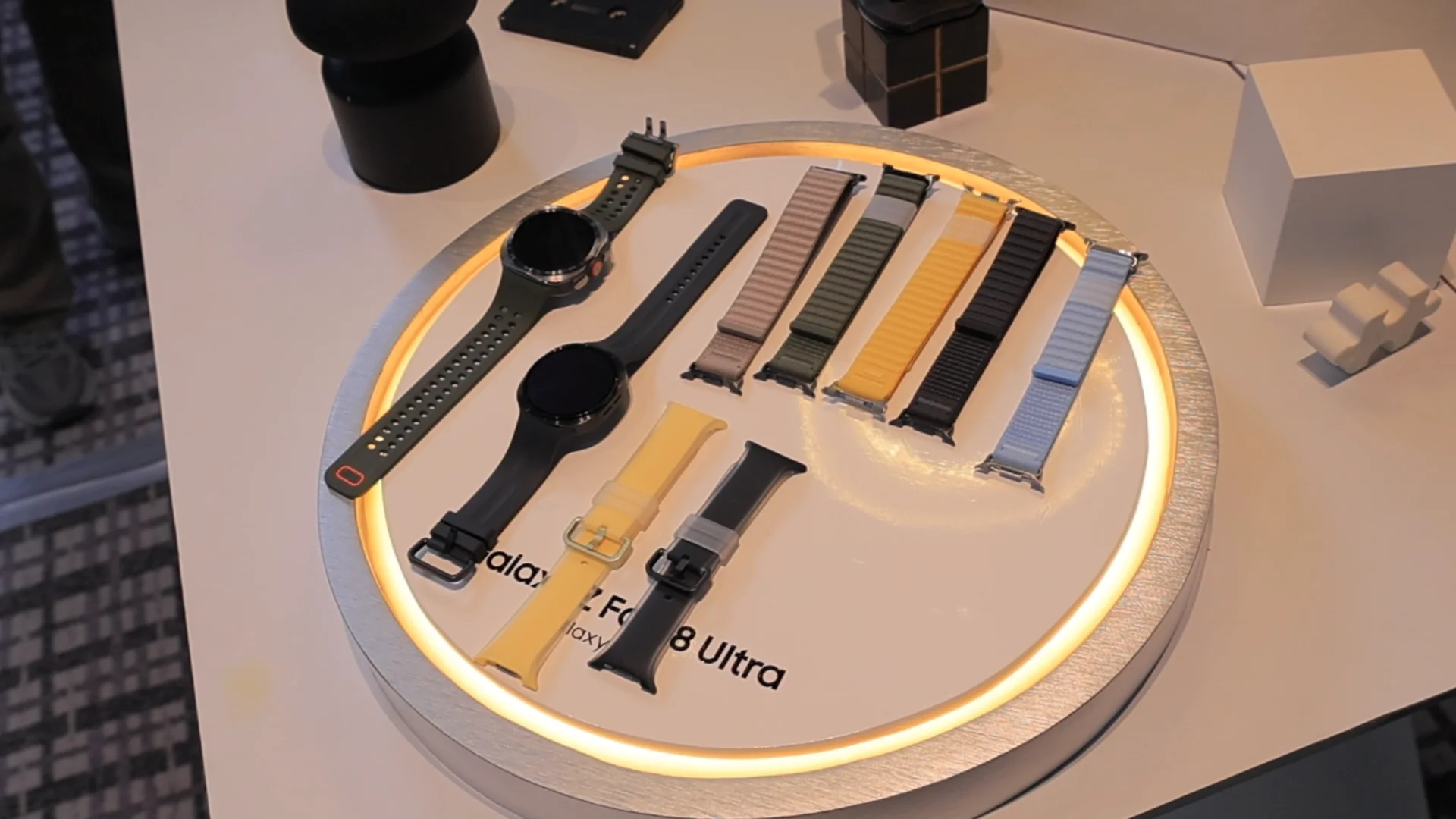
Samsung has officially unveiled its latest generation of smartwatches, the Galaxy Watch9 and Galaxy Watch Ultra2, at its highly anticipated Galaxy Unpacked event. This launch, concurrent with the introduction of three new foldable smartphones, marks a significant leap forward for Samsung’s wearable technology. Both new models boast substantial upgrades in performance, artificial intelligence capabilities, and health monitoring, notably becoming the first Samsung smartwatches to feature the cutting-edge Snapdragon Wear Elite platform.
The Galaxy Unpacked event, a cornerstone of Samsung’s annual product reveals, has historically set the stage for the company’s most innovative offerings. This year’s iteration, held this evening, underscored Samsung’s commitment to integrating advanced technology into everyday devices, with a particular focus on seamless user experiences and personalized health insights. The introduction of the Galaxy Watch9 and Galaxy Watch Ultra2 signals a strategic move to compete at the forefront of the rapidly evolving smartwatch market, emphasizing both user-friendly features for daily wear and robust capabilities for athletic and outdoor enthusiasts.
Enhanced Performance and AI Integration
At the heart of the performance boost for both the Galaxy Watch9 and Galaxy Watch Ultra2 lies the integration of the new Snapdragon Wear Elite platform. This chipset is designed to deliver superior processing power, improved energy efficiency, and enhanced AI capabilities directly on the device. This move away from previous chipsets signifies a commitment to leveraging the latest advancements in mobile processing for wearables, promising a more responsive and intelligent user experience.
A key highlight of this new platform is the seamless integration of Google Gemini, a powerful AI model, directly onto the wrist. This integration allows for advanced on-device AI functionalities, moving beyond simple voice commands to more sophisticated interactions. Users can now leverage "Raise to Talk" on the Galaxy Watch Ultra2 for hands-free access to Gemini, enabling them to check messages, manage schedules, and control music playback without direct screen interaction. This represents a significant step towards truly intelligent and intuitive wearable AI.
Galaxy Watch9: The Everyday Companion
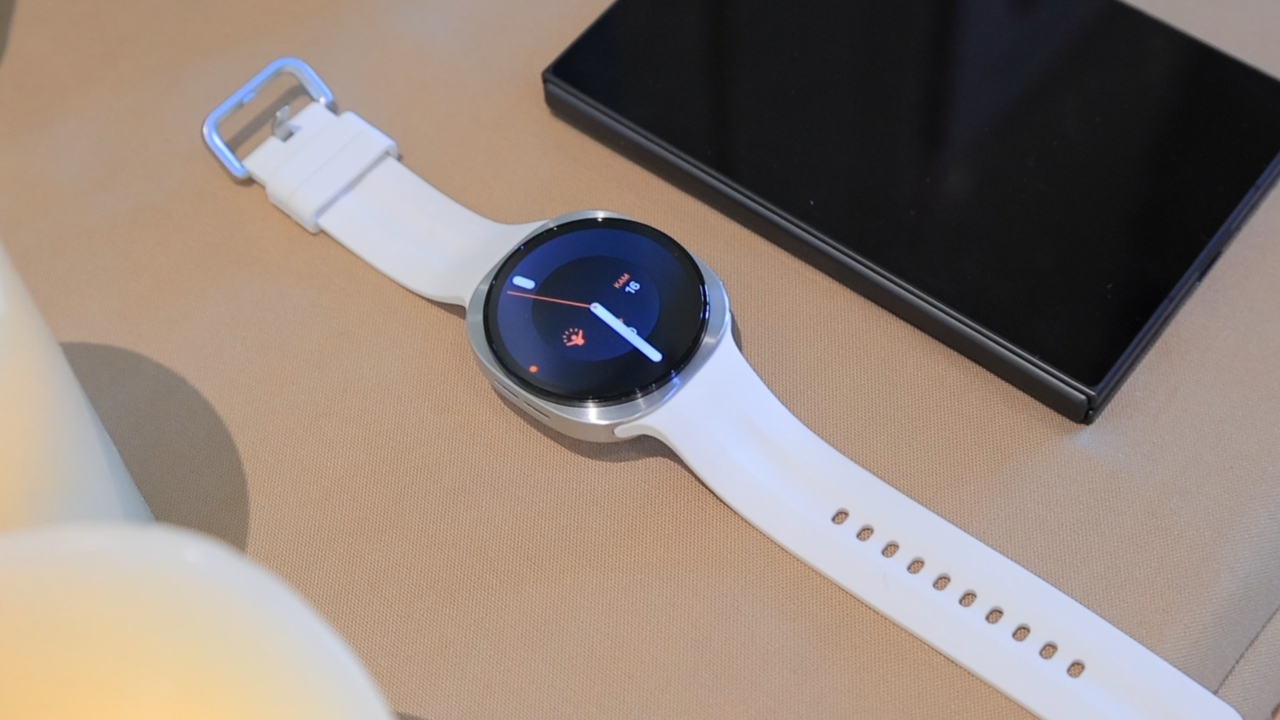
The Galaxy Watch9 is positioned as the ideal smartwatch for daily use, prioritizing a balance of performance, battery longevity, and comprehensive health tracking. This model features a 390 mAh battery, representing a notable increase of approximately 20% compared to its predecessor, the Galaxy Watch8 (40mm version). This enhanced battery capacity is crucial for users who rely on their smartwatches for extended periods, ensuring they can stay connected and monitor their health throughout the day without frequent charging.

Performance on the Galaxy Watch9 is significantly boosted by the Snapdragon Wear Elite. This translates to a more fluid user interface, faster app loading times, and overall snappier operation. The display has also received a substantial upgrade, capable of reaching an impressive brightness of 3,000 nits. This high brightness level ensures excellent readability even in direct sunlight, a critical factor for outdoor activities and for users who frequently use their watch in bright environments.
Innovative Health Monitoring Features
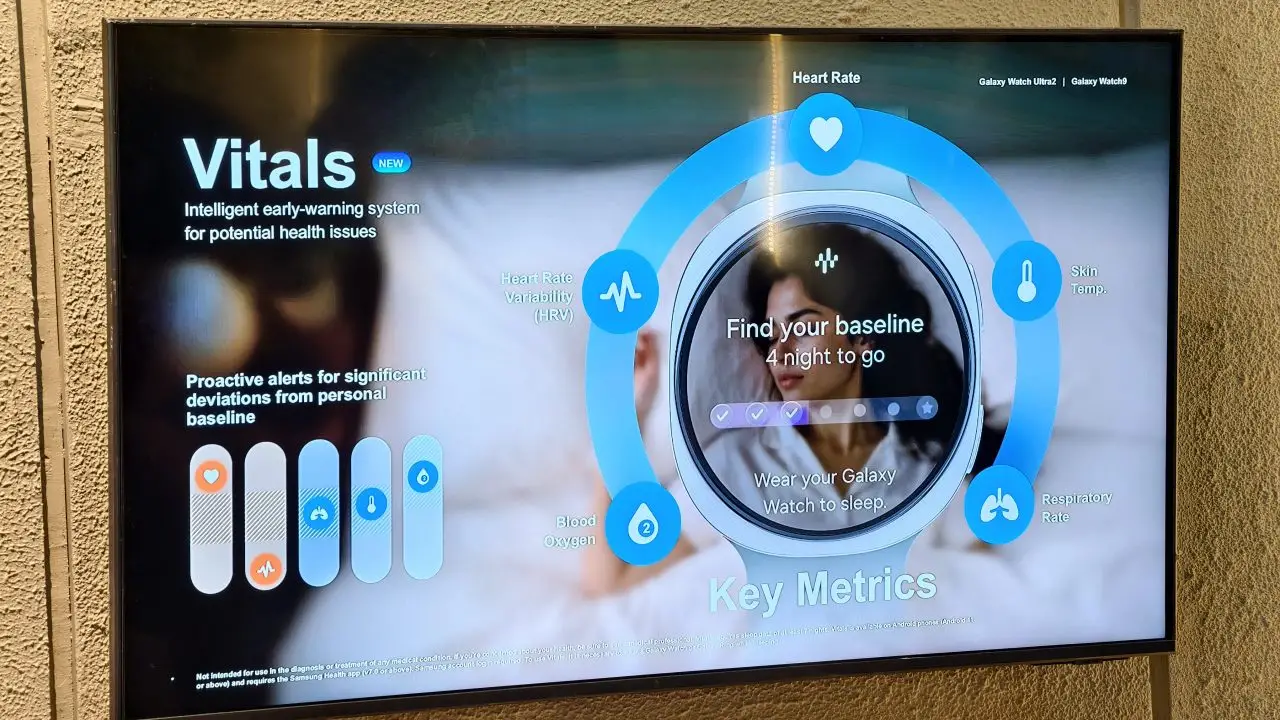
Samsung has introduced a suite of new health features designed to provide users with deeper insights into their well-being. A standout addition is the "Vitals" feature, functioning as an early warning system. Vitals intelligently learns a user’s personal health baseline during sleep, monitoring key indicators such as heart rate, Heart Rate Variability (HRV), blood oxygen levels, skin temperature, and respiration rate. If any significant deviations from the user’s normal patterns are detected, the smartwatch will issue a notification, empowering users to be proactive about their health.
Complementing Vitals is the "Daily Cardio Load" feature. This innovative tool analyzes workout intensity in real-time using heart rate data. It then provides personalized recommendations, advising users whether to increase their exercise intensity, maintain their current rhythm, or prioritize rest to optimize recovery. This data-driven approach to fitness coaching aims to help users achieve their goals more effectively while minimizing the risk of overtraining or injury.
Galaxy Watch Ultra2: Built for Extremes
For the more adventurous and performance-oriented users, Samsung introduces the Galaxy Watch Ultra2. This model builds upon the foundation of its predecessor with significant enhancements in design, display technology, and specialized athletic capabilities.
The display on the Galaxy Watch Ultra2 is a key area of improvement, boasting a 1.52-inch screen with an astonishing peak brightness of 5,000 nits. Samsung claims this makes it the brightest smartwatch display currently available. This extreme brightness is engineered to ensure that all information remains clearly visible, even under the harshest direct sunlight, a critical requirement for athletes and outdoor adventurers.
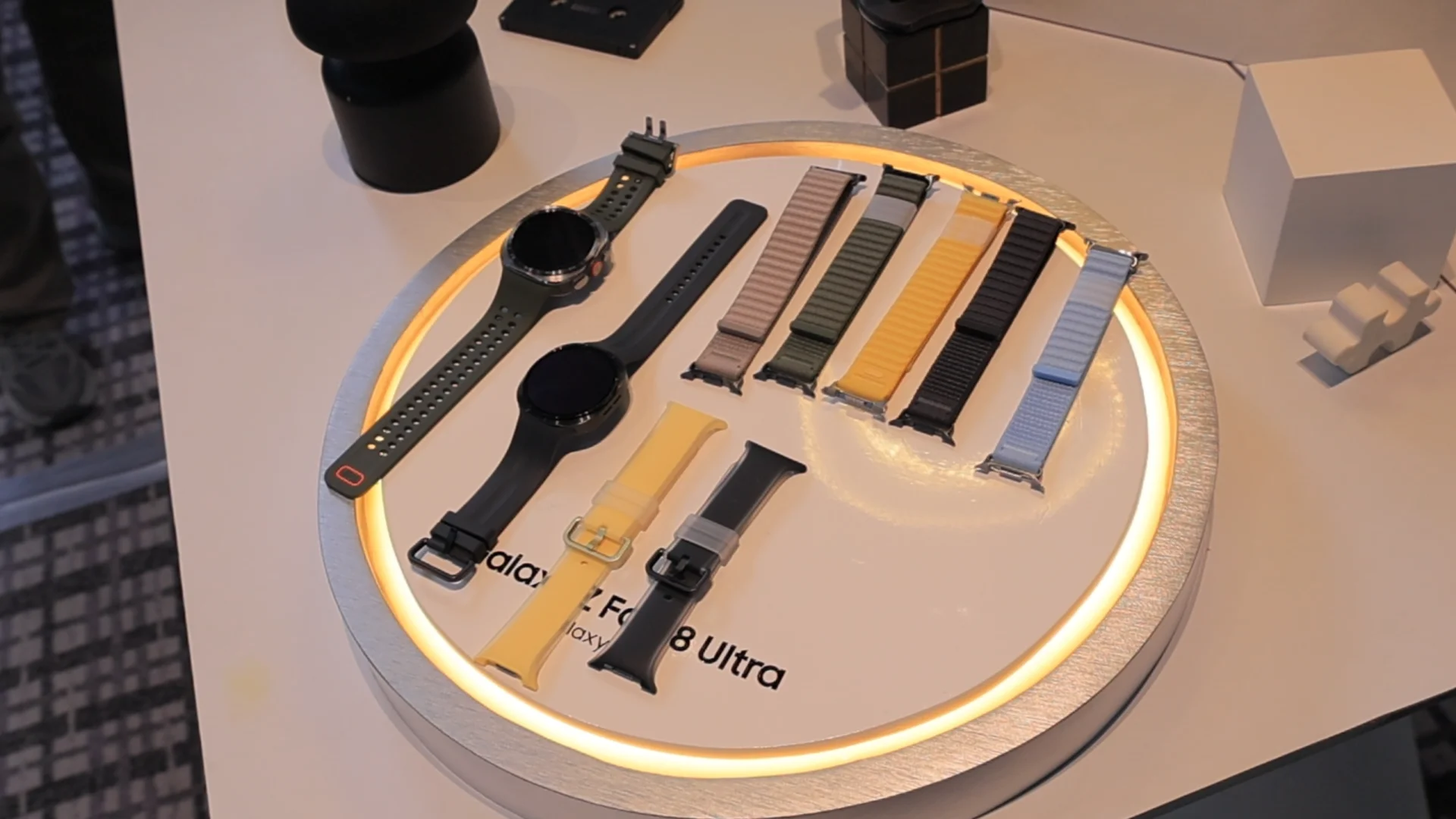
The design of the Galaxy Watch Ultra2 has also been refined. The casing is now 12% slimmer, reducing its thickness from 12.1 mm to 10.7 mm, while retaining the robust titanium construction that provides excellent impact resistance. Furthermore, Samsung has introduced a new strap design that is 26% lighter and noticeably softer than previous generations, enhancing comfort during prolonged wear and intense activities.
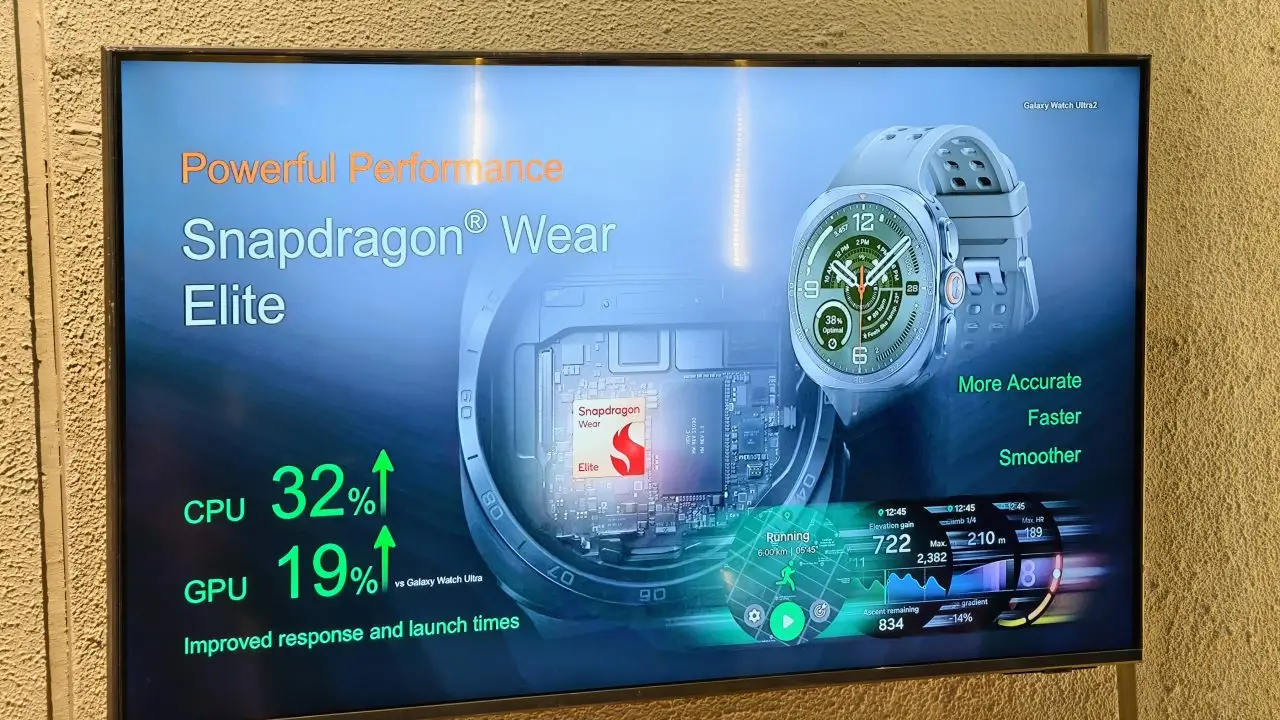
Under the hood, the Galaxy Watch Ultra2 also benefits from the Snapdragon Wear Elite platform. Samsung reports a significant performance uplift, with a 32% increase in CPU performance and a 19% improvement in GPU performance compared to the previous Galaxy Watch Ultra. These upgrades translate to a dramatically faster and smoother user experience, from navigating the interface to launching applications and processing complex features.
Advanced AI and Sports Features on Ultra2
The Galaxy Watch Ultra2 introduces the concept of "On-Wrist Intelligence," further enhancing the AI capabilities. The "Raise to Talk" feature, combined with Google Gemini, allows for effortless voice control of various functions. Users can ask questions, send messages, manage their calendar, or control their music playback, all through natural voice commands without needing to touch the device. This hands-free interaction is invaluable during workouts or when hands are occupied.
For trail runners and outdoor enthusiasts, the Galaxy Watch Ultra2 features a new "Trail Run" mode. This specialized sports mode offers advanced navigation capabilities, providing route information, elevation data, and estimated completion times. It also includes a "Nutrition Alert" feature, which offers hydration guidance based on estimated fluid loss during strenuous activity, helping users stay properly fueled and hydrated during long runs or hikes.
Pricing and Availability
Samsung has announced the pricing for its new smartwatch lineup in Indonesia. The Galaxy Watch9 will be available starting from IDR 5,999,000, positioning it as a premium yet accessible option for everyday users. The more rugged and feature-rich Galaxy Watch Ultra2 will be priced at IDR 10,499,000, reflecting its advanced materials, enhanced durability, and specialized functionalities for serious athletes and outdoor adventurers.
The introduction of these new smartwatches at Galaxy Unpacked underscores Samsung’s continued dominance in the consumer electronics space. By integrating cutting-edge AI, powerful new chipsets, and advanced health monitoring features, Samsung is not only elevating its own wearable offerings but also pushing the boundaries of what users can expect from their smartwatches. The focus on both everyday usability and specialized performance caters to a broad spectrum of consumers, ensuring that the Galaxy Watch9 and Galaxy Watch Ultra2 are poised to be significant players in the global smartwatch market. The strategic adoption of the Snapdragon Wear Elite platform signals a potential industry trend, as manufacturers increasingly seek to bring more powerful and intelligent processing capabilities to the wrist.