Chalifah Fatihah
The Federal Trade Commission (FTC) and the U.S. Department of State have issued stark warnings regarding a sophisticated and increasingly prevalent scam targeting international travelers: impersonation of law enforcement officers. This deceptive tactic, moving beyond the digital realm of phone scams, now sees criminals directly approaching tourists, posing as police or other legal authorities, and exploiting their vulnerability in unfamiliar environments. The modus operandi involves fabricating authority to extort money and valuables, posing a significant threat to the safety and security of global tourism.
Evolving Tactics of Deception
Philip Farina, founder and lead advisor at Risky Business Security and Safety Advisors, detailed the common strategies employed by these fraudulent officers. "The most frequent tactic used by fake police is to feign a document or passport check, or even a counterfeit currency inspection," Farina explained, as reported by Travel + Leisure. "This can happen anywhere, even just a few steps away from an actual airport or police station." The perpetrators leverage the natural deference and respect afforded to law enforcement to gain the trust of their victims, creating an illusion of legitimacy. Once a perceived opportunity arises, they swiftly abscond with the victim’s valuables. In some instances, these criminals have been known to use unmarked vehicles to flag down travelers on the road, subsequently robbing them of their belongings.
The sophistication of these scams lies in their ability to mimic real law enforcement procedures, often targeting tourists at critical moments, such as upon arrival at an airport or when they are navigating unfamiliar city streets. The psychological impact of being confronted by someone appearing to be an authority figure, especially in a foreign country, can be overwhelming, leading victims to comply out of fear or confusion rather than critical assessment.
Identifying the Imposters: Red Flags to Watch For
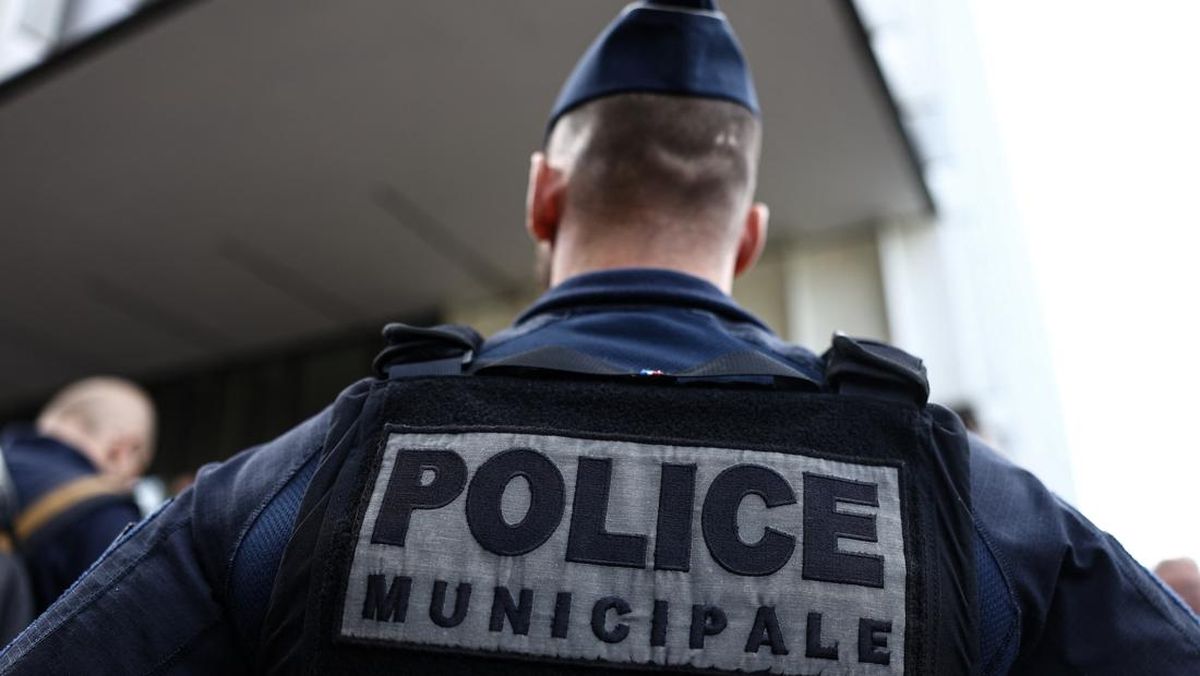
Distinguishing between genuine law enforcement officers and imposters requires a keen eye for detail and an awareness of subtle indicators. Farina highlighted several key signs travelers should be attentive to. The uniforms worn by fake officers often appear shabby, unkempt, or inconsistent with the official standards of local police departments. This can manifest as ill-fitting clothing, incorrect insignia, or a general lack of professional presentation.
Furthermore, the demeanor of these fraudsters can be a significant giveaway. They tend to exhibit signs of nervousness and paranoia, frequently glancing around as if anticipating the arrival of genuine police officers. This underlying anxiety stems from the constant fear of exposure and apprehension. The vehicles used by these criminals, if any, often lack official markings, stickers, or adequate police identification, further underscoring their illegitimacy.
Proactive Measures for Traveler Safety
To combat the growing threat of fake law enforcement scams, Farina emphasized the importance of proactive preparation for travelers. Before embarking on any international journey, it is crucial to conduct thorough research into the official appearance of law enforcement personnel and their vehicles in the destination country. This can be achieved through quick internet searches, utilizing official government travel advisories, and consulting resources from organizations like Interpol.
"If someone approaches you claiming to be an officer, do not hesitate to ask for their official identification card (ID card), or request the name and contact number of their superior officer on duty," Farina advised. This simple act of requesting identification can often deter scammers, as they are unlikely to possess legitimate credentials.
Building a Comprehensive Safety Strategy
Beyond immediate identification, a multi-faceted approach to personal safety is recommended for travelers venturing into areas known for heightened criminal activity.
Pre-Trip Preparations:
- Uniform and Vehicle Research: Familiarize yourself with the official police uniforms and marked vehicles of your destination country. Websites of national tourism boards or police departments often provide this information.
- Emergency Contact Information: Note down local emergency numbers (such as 112 in Europe, 911 in North America, or specific local equivalents) and the contact details for your country’s embassy or consulate.
- Local Crime Trends: Consult your hotel manager or accommodation staff about current local crime trends and specific areas to avoid. They are often valuable sources of up-to-date, on-the-ground information.
On-the-Ground Precautions:
- The "Decoy Wallet" Strategy: In high-risk areas, consider carrying a secondary wallet. This decoy should contain expired identification, unused membership cards, and a small amount of cash. This can be offered to potential assailants, minimizing the loss of valuable personal documents and larger sums of money.
- Prioritizing Safety Over Confrontation: If confronted by an armed individual demanding money, Farina’s advice is unequivocal: "Do not attempt to be a hero. Simply hand over the decoy wallet and immediately move to a well-lit, public area." The primary objective in such a situation is to ensure personal safety and avoid escalation.
The Broader Impact on Tourism
The rise of these elaborate scams has significant implications for the global tourism industry. Beyond the immediate financial and emotional distress inflicted upon victims, such incidents can erode traveler confidence and deter people from visiting certain destinations. Negative publicity surrounding crime and scams can have a ripple effect, impacting local economies that rely heavily on tourism revenue.
Governments and law enforcement agencies worldwide are increasingly recognizing the need for enhanced international cooperation and information sharing to combat these transnational criminal activities. Public awareness campaigns, coupled with robust on-the-ground safety measures, are crucial in mitigating the risks faced by tourists. The evolution of these scams, from simple pickpocketing to sophisticated impersonation schemes, underscores the dynamic nature of criminal enterprises and the constant need for vigilance from both travelers and authorities. The proactive approach advocated by security experts like Philip Farina offers a critical roadmap for navigating the complexities of modern travel safely.