Chalifah Fatihah
The Kingdom of Saudi Arabia, through its Ministry of Hajj and Umrah, has officially launched a groundbreaking multiple-entry Umrah visa, offering pilgrims unprecedented flexibility and accessibility to perform their spiritual journeys. This new visa, valid for one full year from the date of issuance, allows individuals to visit the Kingdom for Umrah multiple times without the need to reapply for a new visa for each pilgrimage. This strategic move signals a significant shift in Saudi Arabia’s approach to religious tourism, aiming to streamline the process and encourage more frequent visits to the holy sites.
The announcement, made by the Ministry of Hajj and Umrah, heralds a new era for millions of Muslims worldwide eager to fulfill their spiritual obligations. Previously, pilgrims often faced the administrative burden of obtaining individual visas for each trip, a process that could be time-consuming and costly. The introduction of the multiple-entry visa, with its extended validity, is expected to significantly alleviate these challenges, making Umrah more attainable and convenient for a broader segment of the global Muslim population.
Key Features of the New Multiple-Entry Umrah Visa
The newly introduced visa policy boasts several key features designed to enhance the pilgrim experience:
- One-Year Validity: The visa remains valid for 365 days from the date of its issuance, providing a substantial window for pilgrims to plan and undertake their journeys.
- Unlimited Entries: Holders of the multiple-entry visa can enter and exit the Kingdom of Saudi Arabia as many times as they wish within the visa’s validity period.
- Cumulative Stay Limit: While entries are unlimited, the total duration of stay within the Kingdom is capped at a maximum of 90 days, calculated cumulatively across all visits within the visa’s one-year validity. This ensures a balance between accessibility and management of visitor flows.
- Exclusion During Hajj Season: Crucially, the multiple-entry Umrah visa is not valid for entry into Saudi Arabia during the designated Hajj season. This measure is in place to prioritize the logistical and administrative needs of Hajj pilgrims, ensuring a smooth and organized pilgrimage for those undertaking the annual Hajj. Pilgrims holding an active multiple-entry visa will still be prohibited from entering for Umrah during this specific period.
- Package Alignment: The duration of any Umrah service package chosen by a pilgrim must not exceed the remaining available stay days on their visa. This stipulation ensures that the visa duration aligns with the planned pilgrimage duration.
Streamlining the Application Process
To obtain this new multiple-entry Umrah visa, aspiring pilgrims are required to book and purchase service packages exclusively from accredited and registered Umrah service providers listed on the official Nusuk platform. This mandatory step ensures that all Umrah journeys are officially sanctioned and adhere to Saudi Arabia’s regulatory framework. Each visit to the Kingdom for Umrah must be accompanied by an approved service package.
Furthermore, beyond securing the visa, pilgrims are mandated to obtain an Umrah Permit through the Nusuk application before their arrival in Saudi Arabia. The date specified on the Umrah Permit must correspond with the approved service package. This dual requirement – a valid visa and an Umrah Permit – is essential for a seamless entry and spiritual experience.
The Saudi government has emphasized that all existing travel requirements and entry regulations for Saudi Arabia remain in effect. Upon a pilgrim’s departure from the Kingdom, their visa will be automatically suspended. However, it will reactivate automatically for subsequent visits once all administrative and regulatory requirements are met. Unused stay days will be automatically preserved and can be utilized in future trips within the visa’s one-year validity period.
Background and Context
The introduction of the multiple-entry Umrah visa is part of Saudi Arabia’s broader Vision 2030 initiative, which aims to diversify the Kingdom’s economy and increase its appeal as a global tourism destination. Religious tourism, particularly Umrah, is a cornerstone of this vision, with the Kingdom seeking to host an increasing number of pilgrims annually.
In recent years, Saudi Arabia has made significant investments in its infrastructure and technological capabilities to enhance the pilgrimage experience. The development of platforms like Nusuk is a testament to this commitment, aiming to provide a digital gateway for pilgrims to manage their travel arrangements efficiently.
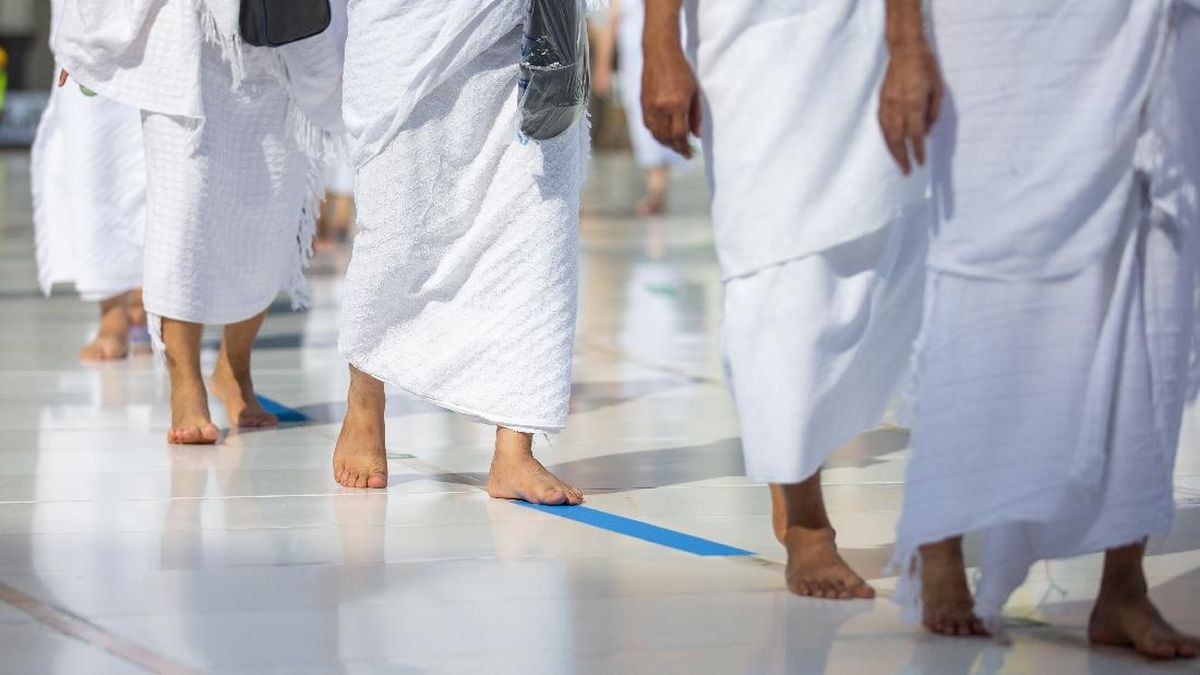
The COVID-19 pandemic had a profound impact on global travel, including religious pilgrimages. Saudi Arabia implemented stringent health and safety protocols to ensure the well-being of pilgrims. As the world gradually recovers from the pandemic, the Kingdom is strategically re-opening and enhancing its tourism offerings, with religious tourism taking center stage. The multiple-entry visa can be seen as a response to the pent-up demand and a desire to facilitate smoother travel for pilgrims who may have faced disruptions in recent years.
Timeline and Evolution of Umrah Regulations
The history of Umrah regulations in Saudi Arabia has seen a continuous evolution aimed at improving the pilgrim experience and managing the influx of millions of visitors.
- Early Regulations: Historically, visa processes were more manual and country-specific, often requiring direct applications through embassies or consulates.
- Introduction of Online Portals: The advent of digital platforms has been a significant step. Early online visa application systems began to emerge, offering more convenience.
- Focus on Service Packages: In more recent years, there has been a greater emphasis on pilgrims booking Umrah packages through authorized agencies, ensuring a more structured and regulated experience.
- Nusuk Platform Integration: The launch and widespread adoption of the Nusuk platform represent a major leap forward, consolidating various aspects of pilgrimage planning, including visa applications (for some nationalities), Umrah permits, and booking of services, into a single digital ecosystem.
- The Multiple-Entry Visa (2026): The current announcement of the one-year multiple-entry visa marks the latest significant reform, addressing the frequency and ease of travel for Umrah pilgrims.
This progression demonstrates Saudi Arabia’s commitment to adapting to the needs of pilgrims and leveraging technology to enhance the spiritual journey.
Supporting Data and Potential Impact
The potential impact of this new visa policy is substantial. Saudi Arabia aims to increase the number of Umrah pilgrims to 30 million annually by 2030. The multiple-entry visa is a critical enabler for achieving this ambitious target.
- Increased Pilgrim Numbers: By reducing the administrative barriers and costs associated with multiple visa applications, the new policy is expected to encourage more individuals to perform Umrah more frequently. This could benefit individuals who wish to visit more than once a year or those who may have been deterred by the previous visa process.
- Economic Boost: Religious tourism is a significant contributor to Saudi Arabia’s economy. An increase in pilgrim numbers translates to higher spending on accommodation, transportation, food, and other services, thereby boosting local economies and creating employment opportunities. The Saudi Ministry of Tourism has projected significant revenue growth from religious tourism as part of Vision 2030.
- Extended Stays and Deeper Engagement: While the total stay is capped, the ability to make multiple entries allows for more flexible travel plans. Pilgrims might opt for shorter, more frequent trips rather than a single extended stay, potentially allowing for a more immersive and less rushed experience.
- Global Reach: The simplified process can help reach Muslim communities worldwide, including those who might have faced logistical challenges in the past. This could particularly benefit Muslims in regions with less direct access to Saudi diplomatic missions.
Official Responses and Broader Implications
The Ministry of Hajj and Umrah has expressed optimism regarding the new visa policy. Officials have highlighted that this initiative is a direct response to pilgrims’ needs and a continuation of the Kingdom’s commitment to facilitating access to the holy sites. The move is seen as a testament to Saudi Arabia’s dedication to serving Islam and Muslims globally.
The broader implications of this policy extend beyond mere tourism. It signifies Saudi Arabia’s continued efforts to position itself as a central hub for Islamic affairs and a welcoming nation for Muslims worldwide. By making one of Islam’s significant spiritual journeys more accessible, the Kingdom reinforces its role in the global Muslim community.
Challenges and Considerations
While the new visa policy is largely seen as a positive development, authorities will need to carefully manage its implementation.
- Infrastructure Management: An increased and more fluid flow of pilgrims will necessitate continued investment in and efficient management of infrastructure in Makkah and Madinah, including transportation, accommodation, and public services.
- Crowd Control and Safety: Maintaining safety and order amidst a potentially larger and more dispersed group of pilgrims will remain paramount. The strict adherence to Umrah permit regulations and the exclusion during Hajj season are crucial in this regard.
- Digital Inclusion: Ensuring that all pilgrims, regardless of their technological literacy, can effectively navigate the Nusuk platform and its requirements will be important for equitable access.
In conclusion, the introduction of the one-year multiple-entry Umrah visa by Saudi Arabia is a transformative policy change that promises to significantly enhance the accessibility and convenience of performing Umrah. It aligns with the Kingdom’s ambitious Vision 2030 goals and reflects a deep commitment to serving the spiritual needs of Muslims worldwide, while also bolstering the nation’s burgeoning tourism sector.