Eko Sulistyo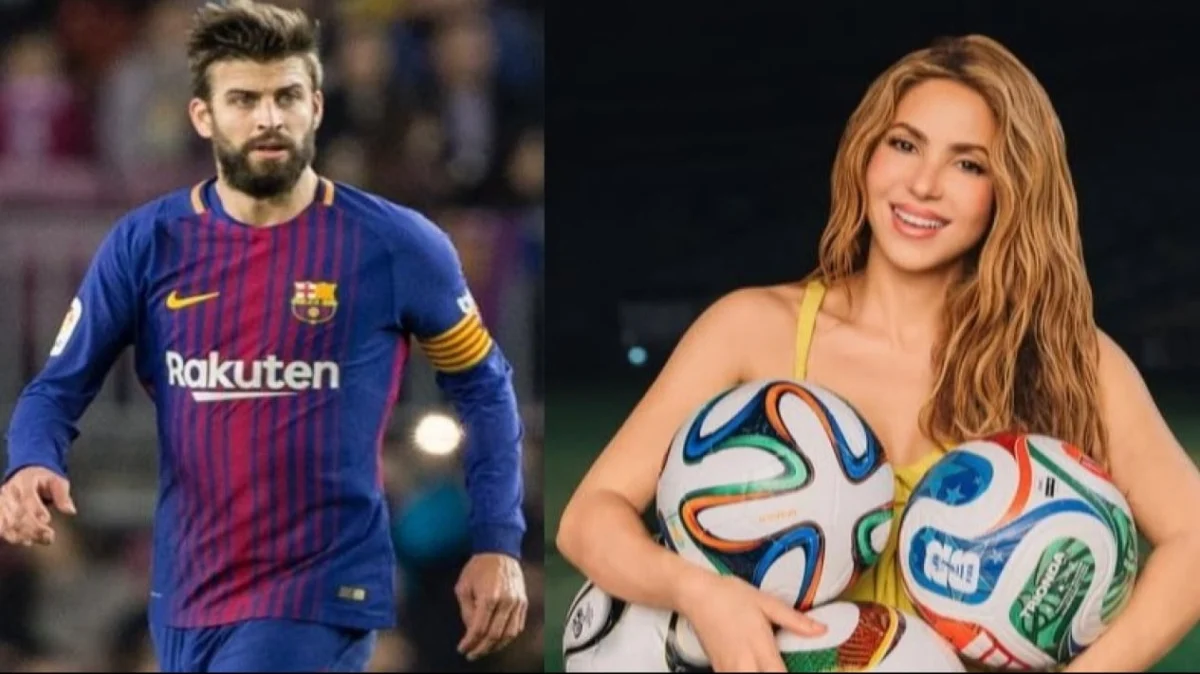
The global spotlight on the 2026 FIFA World Cup Final was not reserved solely for the athletes on the pitch; rather, it was the explosive return of Colombian pop icon Shakira to the world’s largest sporting stage that ignited a digital firestorm. As the "Hips Don’t Lie" singer delivered a career-defining performance during both the opening ceremony and a high-octane halftime show, the ripple effects were felt instantly across social media. However, while Shakira basked in universal acclaim, her former partner and retired Spanish football star Gerard Piqué found his digital platforms besieged by a wave of public scrutiny and historical grievances.
The July 2026 event, held in the sprawling MetLife Stadium in East Rutherford, New Jersey, served as the culmination of the first-ever 48-team World Cup hosted across North America. For Shakira, this marked her fourth major appearance at a FIFA World Cup, solidifying her unofficial title as the "Queen of the World Cup." Her setlist, which reportedly blended classic anthems like "Waka Waka (This Time for Africa)" with newer hits from her record-breaking album Las Mujeres Ya No Lloran, was praised for its technical precision and the artist’s enduring athleticism. Yet, as millions of viewers celebrated her triumph, a significant portion of the online audience turned their attention to the Instagram account of Gerard Piqué, whose presence at the stadium further fueled the fire.
The Social Media Surge and the "Karma" Narrative
Within minutes of Shakira’s first appearance on the stadium’s giant screens, Piqué’s most recent Instagram posts were inundated with thousands of comments. The nature of these interactions was overwhelmingly critical, reviving the controversial details of the couple’s 2022 separation. The narrative of "karma" became a dominant theme among netizens, many of whom suggested that Shakira’s continued global dominance and seemingly eternal youth were a direct contrast to the public perception of Piqué’s post-retirement life.
The comments section became a repository for lingering resentment regarding the alleged infidelity involving Clara Chia Marti, the woman with whom Piqué began a relationship shortly before the official end of his 11-year partnership with Shakira. Many users pointed to the irony of Piqué being present in the stadium—reportedly sitting in a VIP suite with their two sons, Milan and Sasha—while his former partner was being celebrated by the entire world. This proximity served as a catalyst for fans to re-examine the emotional fallout of their breakup, which was famously chronicled in Shakira’s "BZRP Music Sessions, Vol. 53."
A Timeline of the High-Profile Separation
To understand the intensity of the reaction in July 2026, one must look back at the timeline of the couple’s dissolution. Shakira and Piqué first met in 2010 during the filming of the "Waka Waka" music video for the South Africa World Cup. They quickly became one of the world’s most famous power couples, representing a bridge between the worlds of elite sport and global entertainment.
However, the foundation of their relationship crumbled in June 2022 when they released a joint statement announcing their separation. Shortly thereafter, reports surfaced alleging that Piqué had been unfaithful. The situation escalated into a media circus when Shakira relocated from Barcelona to Miami in 2023, seeking a fresh start for her children and her career. Since then, Shakira’s professional trajectory has seen a massive resurgence, characterized by sold-out world tours and multiple Latin Grammy wins. Conversely, while Piqué has found success with his innovative Kings League football project, his public image in the entertainment sphere has remained tethered to the controversy of his personal life.
Comparative Public Perception: Age and Vitality
One of the most striking aspects of the recent social media surge was the physical comparison between the two stars. Despite Shakira approaching the age of 50, her performance at the 2026 World Cup was noted for its high-impact choreography and vocal stamina. Fans were quick to contrast her "ageless" appearance with that of Piqué, who is ten years her junior.
Digital commentators noted that the 39-year-old former Barcelona defender appeared "aged by the stress of controversy," while Shakira was heralded as a symbol of resilience. This comparison, though subjective, highlights a broader trend in celebrity culture where the "revenge" or "rebirth" of a female star following a public betrayal becomes a powerful marketing and branding tool. The data supports this: Shakira’s Instagram following saw a surge of over two million new followers in the 24 hours following the final, while Piqué’s engagement metrics were dominated by negative sentiment.
The Dynamics of the World Cup Presence
Sources close to the event confirmed that Piqué’s attendance at the final was primarily to accompany Milan and Sasha, both of whom are known to be avid football fans. However, the logistics of having both parents in the same high-security environment—one on stage and one in the stands—created a palpable tension that was not lost on the media.
While there were no reports of a direct confrontation, the optics of the situation were analyzed by PR experts as a "branding nightmare" for Piqué. "When your former partner is performing for 1.5 billion people and you are the subject of the very songs she is singing, there is no place to hide," noted one digital media analyst. "The 2026 World Cup Final was a victory for FIFA and for Shakira, but for Piqué, it was a reminder that the public has a very long memory."
Broader Implications and Cultural Impact
The reaction to the 2026 World Cup performance underscores a shift in how the public consumes celebrity narratives. In the digital age, a sporting event is no longer just about the game; it is a multi-layered entertainment experience where personal histories and brand identities are constantly at play. The "Shakira vs. Piqué" saga has become a modern parable of female empowerment, where professional success is viewed as the ultimate vindication.
Furthermore, the data regarding streaming numbers immediately following the performance suggests a massive commercial "Shakira effect." Spotify reported a 400% increase in Shakira’s global streams in the two hours following the halftime show. This economic impact reinforces why FIFA continues to tap the Colombian singer for its most prestigious events, despite any personal controversies that may follow.
Analysis of the "Digital Siege"
The phenomenon of "swamping" a celebrity’s social media—often referred to as "brigading"—reflects the power of parasocial relationships. Fans of Shakira feel a personal stake in her journey, viewing her triumph as their own. For Piqué, this means that his digital footprint is likely to remain a battleground for years to come, particularly during milestones that highlight Shakira’s career.
From a journalistic perspective, the events of July 24, 2026, serve as a case study in the intersection of sports, music, and digital culture. While the Spanish and Argentine squads (or whoever the finalists were) fought for the trophy on the pitch, a different kind of battle was waged in the comments sections of Instagram. It was a battle of narratives, where the "Queen of the World Cup" emerged as the undisputed victor in the eyes of the global public.
As the 2026 World Cup concludes and the fans depart North America, the discourse surrounding Shakira and Piqué remains a testament to the enduring nature of their story. It is a reminder that in the world of high-profile celebrity, the final whistle never truly blows. Shakira’s performance was not just a musical set; it was a statement of survival and excellence that resonated far beyond the walls of the stadium, leaving her former partner to navigate the complex and often unforgiving landscape of public opinion.