Lusiana Hamidun
The fashion industry has officially descended upon the United States for the latest installment of New York Fashion Week (NYFW), an event that serves as the global barometer for the upcoming Spring/Summer 2027 season. Running from September 10 to September 15, the week is a meticulously orchestrated convergence of creative vision, commercial strategy, and cultural influence. As the inaugural leg of the "Big Four" fashion circuit—followed sequentially by London, Milan, and Paris—New York’s showcase remains the essential starting point for determining the silhouettes, textiles, and color palettes that will dominate the international retail market in the coming year.

The Evolution of the Official Calendar
Historically, the Council of Fashion Designers of America (CFDA) has served as the primary gatekeeper for the official NYFW schedule. However, the dynamics of the industry have shifted significantly in recent years. This season, a growing number of influential fashion houses—including industry stalwarts like Ralph Lauren and emerging voices such as Cult Gaia and Rachel Comey—have opted to host presentations outside the traditional constraints of the CFDA calendar.

This "pre-calendar" trend signifies a departure from rigid traditionalism, allowing brands to curate their own narrative and optimize the presence of global buyers and media. While the official schedule remains a vital structure, the increasing decentralization of the week indicates that the prestige of a brand often dictates its own timing. This expansion of the timeline, while logistically complex for attendees, offers a broader window for designers to capture the attention of an increasingly fragmented global audience.

Decentralization and Geographical Expansion
Beyond the expansion of the calendar, the geography of New York Fashion Week has also undergone a radical transformation. For decades, the event was centered around midtown Manhattan, specifically the tents at Bryant Park or Lincoln Center. Today, designers are prioritizing experiential storytelling, taking the show on the road to locations that reflect the soul of their collections.

This season, the footprint of NYFW extends well beyond the city limits. Collina Strada, known for its avant-garde and environmentally conscious aesthetic, chose the Storm King Art Center in New Windsor, New York, as its runway backdrop. The expansive, outdoor sculpture park provides a stark, natural contrast to the industrial garments, underscoring the collection’s themes of nature and sustainability. Simultaneously, the experimental fashion collective threeAsfour selected Mana Contemporary in Jersey City, New Jersey, for their presentation. By utilizing these unconventional spaces, designers are forcing the industry to re-evaluate the relationship between the garment, the environment, and the audience.

Emerging Talents and Strategic Leadership Shifts
The 2027 season is marked by a series of pivotal career milestones and strategic creative pivots. Perhaps the most notable shift involves designer Connor Ives. Having built a reputation as a rising star within the London Fashion Week ecosystem, Ives has made the strategic decision to debut his latest collection in his home country. This return to the U.S. market is a significant endorsement of New York’s growing influence in the global luxury sector.

Furthermore, the industry is closely monitoring the creative direction of legacy brands. Henry Zankov, who assumed the role of artistic director at Diane von Furstenberg in May, presented his inaugural collection to significant critical fanfare. The transition of leadership at such a storied house serves as a bellwether for the brand’s future direction, with analysts looking for a balance between DVF’s iconic heritage and a modern, refreshed perspective. These debuts and leadership transitions are critical to the vitality of the market, ensuring that New York remains a fertile ground for both heritage preservation and disruptive innovation.

The Economic Impact and Industry Landscape
New York Fashion Week is not merely an artistic showcase; it is a multi-million-dollar economic driver for the city. According to data from the New York City Economic Development Corporation, the week generates hundreds of millions in tax revenue and supports thousands of jobs across the hospitality, transportation, and retail sectors. The influx of international buyers, journalists, and influencers creates a surge in demand for luxury accommodations and fine dining, solidifying fashion as one of New York’s primary export industries.

However, the industry faces mounting pressure to address sustainability. The environmental impact of large-scale, high-production runway shows has led to calls for greater accountability. Brands are increasingly incorporating eco-friendly materials, reducing physical waste in set designs, and exploring digital-first presentations to minimize the carbon footprint associated with international travel. The 2027 cycle appears to be a turning point where luxury is no longer defined solely by exclusivity, but by ethical production standards and long-term environmental viability.

Celebrity Presence and the Front Row Economy
The "front row" has long been a strategic marketing tool, but in the era of social media, it has evolved into a powerhouse of digital reach. The presence of high-profile actors, musicians, and public figures at shows is now a critical component of a brand’s earned media value.

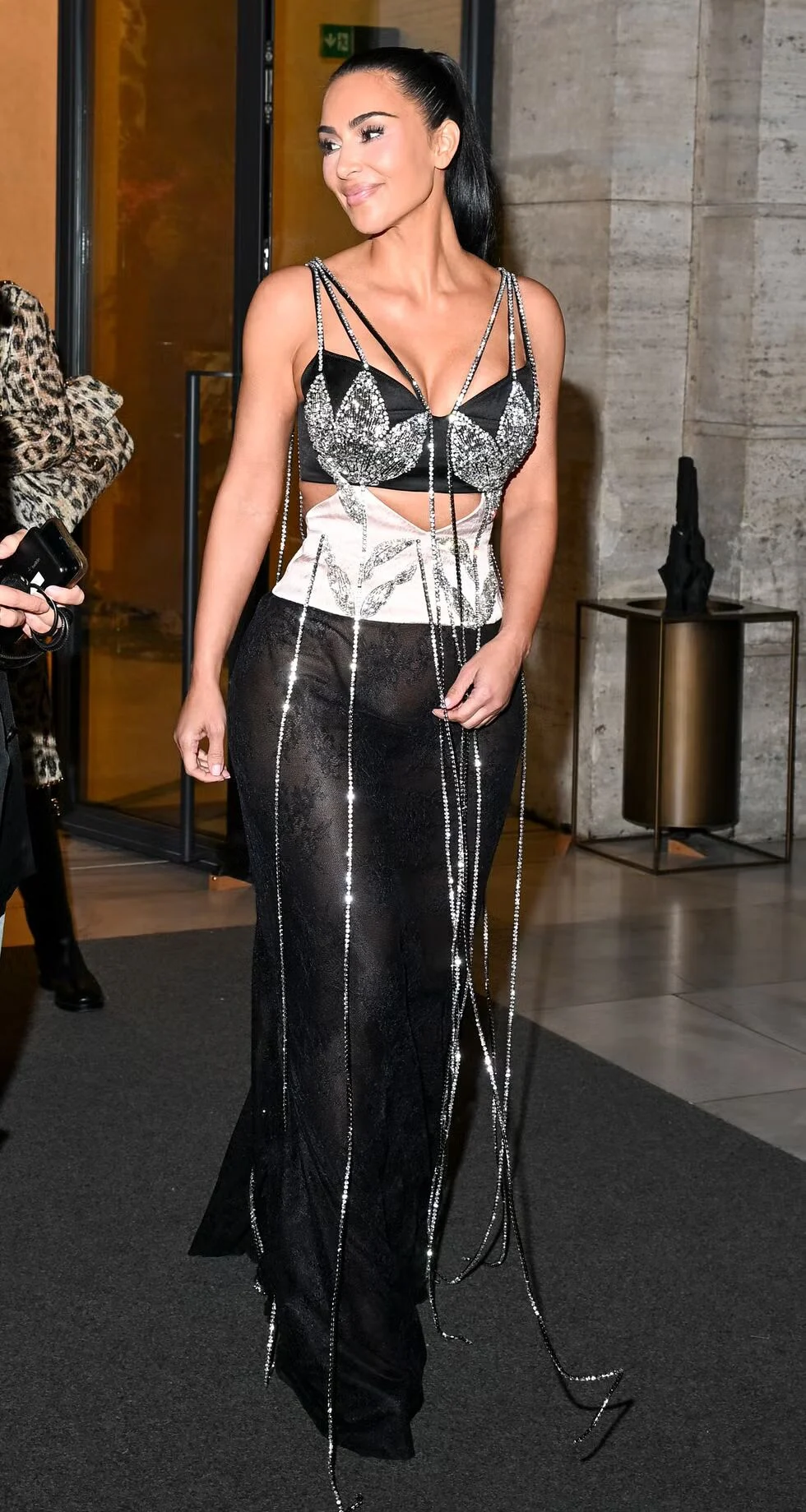
On the opening days of this season, the front rows were a testament to this strategy. Icons such as Anne Hathaway, Dua Lipa, and Elle Fanning were among the first to be spotted, their presence amplifying the reach of the collections across global platforms. At the Ralph Lauren show, the front row served as a masterclass in brand positioning, with appearances by Elizabeth Debicki, Viola Davis, Cynthia Erivo, Ariana DeBose, Meghann Fahy, Rachel Brosnahan, and Eiza González. These figures do not merely occupy seats; they act as brand ambassadors whose personal style aligns with the designer’s vision, creating an immediate and tangible connection with the target consumer.

The Coach runway featured a younger, trend-focused cohort, including Iris Law, Avantika Vandanapu, and Troye Sivan, signaling the brand’s commitment to capturing the Gen-Z demographic. Similarly, events such as the Bvlgari "Serpenti Infinito" celebration saw a high-profile convergence of global stars like Lisa, further blurring the lines between high jewelry and high fashion.

Chronology of Key Events and Observations
- The Pre-Calendar Launch: The week began with off-schedule presentations by Ralph Lauren, Cult Gaia, and Rachel Comey, setting a high bar for production quality.
- The Industrial Pivot: Presentations by threeAsfour in Jersey City highlighted the move toward unconventional, industrial-chic venues.
- The Heritage Reset: The debut of Henry Zankov for Diane von Furstenberg marked a critical turning point for the legendary house, emphasizing a new artistic direction for the 2027 spring season.
- The Sustainability Dialogue: Brands like Collina Strada emphasized the industry’s shift toward environmental stewardship through site selection and material sourcing.
- The Star-Studded Conclusion: As the week progresses, the influx of international celebrities continues to rise, with gala dinners and exclusive parties hosted by brands like Boucheron and Nordstrom providing a social glue that binds the business of fashion together.
Analysis of Future Trends
As we move toward the conclusion of the New York leg, several key trends have emerged from the runway. First, there is a clear move toward "functional luxury"—garments that prioritize wearability and versatility without sacrificing the high-end craftsmanship expected of luxury houses. Second, there is a visible resurgence of bold, expressive color, likely a reaction to the neutral palettes that dominated the previous two seasons. Finally, the integration of technology—both in the manufacturing of fabrics and the presentation of the shows—is more prevalent than ever.

From a business perspective, the strategy of "see-now-buy-now" continues to evolve. While high-fashion houses maintain their traditional lead-time model, there is increasing pressure from consumers to shorten the gap between the runway and the retail floor. The 2027 Spring/Summer season appears to be navigating this tension with increased agility.

Final Thoughts on the Season
The New York Fashion Week Spring/Summer 2027 cycle is a complex, multifaceted event that balances the demands of legacy commerce with the necessity of artistic evolution. The city remains a vibrant hub for the industry, successfully navigating the transition toward a more decentralized, sustainable, and celebrity-centric model. As the focus shifts toward the runways of London, Milan, and Paris, the influence of the New York presentations will remain a critical touchstone for the trajectory of the global fashion economy. Whether through the bold choices of designers, the strategic presence of global icons, or the innovative use of space, the events of this week have provided a clear, if diverse, vision of what the future of fashion holds. The industry has spoken, and the message is clear: the future is as much about where we go as what we wear.