Nila Kartika Wati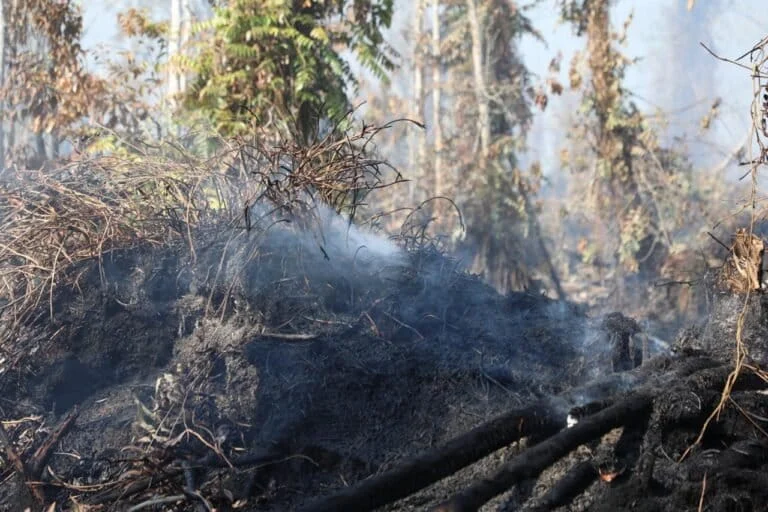
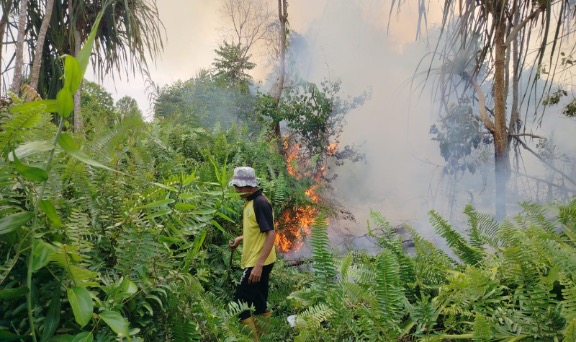
The persistent forest and peatland fires currently sweeping across Kalimantan and Sumatra have thrust millions of residents into a severe public health crisis. As thick, toxic haze envelops major urban centers, air quality has plummeted to hazardous levels, prompting widespread calls for urgent government intervention to protect vulnerable populations. The crisis, fueled by an intensified El Niño phenomenon, has turned the skies of West Kalimantan, Riau, and West Sumatra into a gray, suffocating blanket, reigniting a long-standing debate over land management, corporate accountability, and the state’s duty of care toward its citizens.
The Escalating Crisis in Urban Centers
In West Kalimantan, the situation in Pontianak and Kubu Raya has reached a critical threshold. For weeks, the haze has been so dense that authorities were forced to mandate remote learning for all schools. Data from IQAir consistently placed Pontianak in the "Hazardous" category throughout mid-September 2026. On September 12, the city recorded an AQI of 594 with PM2.5 concentrations reaching 372.7 µg/m³, levels significantly higher than the World Health Organization’s safety guidelines.
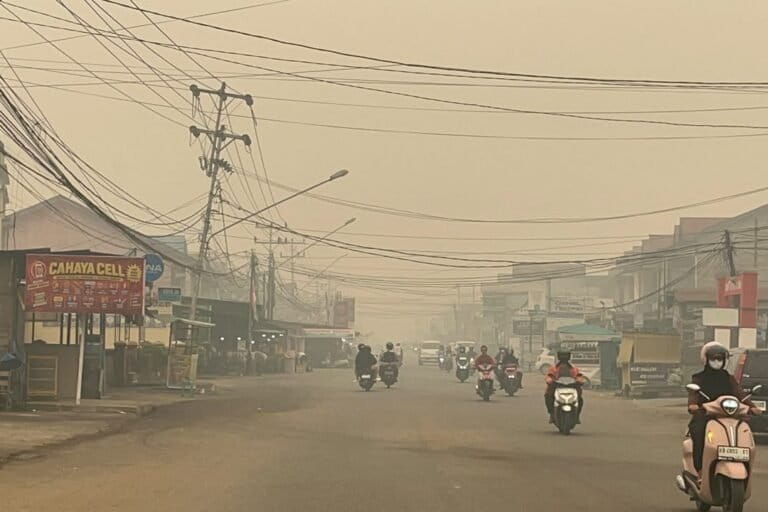
The impact on daily life is profound. Residents, such as those in Pontianak, report that even staying indoors offers little protection as fine particulate matter infiltrates homes through ventilation gaps. For families with children, the only defense has been the consistent use of masks, a grim reminder of the recurring nature of these environmental catastrophes.
In Riau, the provincial capital of Pekanbaru has experienced similar instability. The city government initiated temporary closures of schools from PAUD to middle school levels in early September, following a previous round of school closures in late August. Mayor Agung Nugroho, acting on reports from the Meteorology, Climatology, and Geophysics Agency (BMKG), underscored the rising incidence of Acute Respiratory Infections (ISPA). "Government policy cannot please everyone, but public health remains the non-negotiable priority," Nugroho stated in a public address.
West Sumatra: A Growing Concern
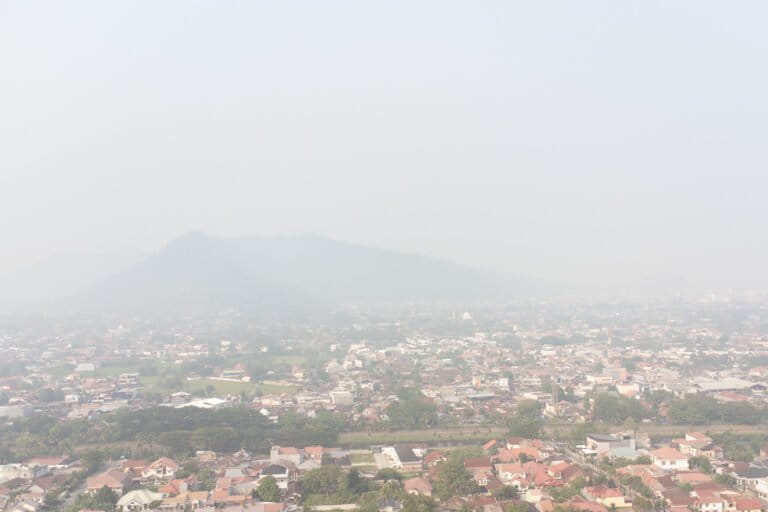
While conditions in West Sumatra are currently less severe than in the neighboring provinces of Kalimantan and Riau, the anxiety among the population is palpable. Reports from Padang indicate that children are increasingly presenting with respiratory ailments and secondary illnesses such as diarrhea. Despite the visible haze, the lack of a formal directive from the local government to close schools has left parents in a precarious position.
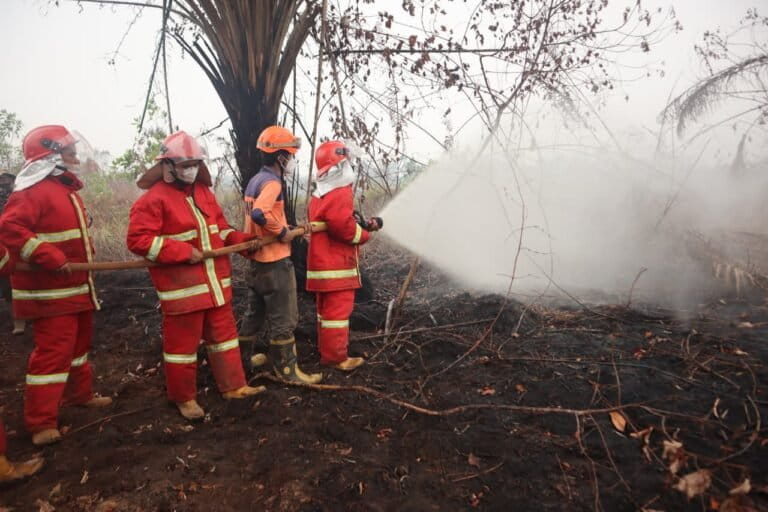
Local residents, drawing on traumatic memories of the 2015 haze crisis in Jambi, are demanding greater transparency. The consensus among citizens is clear: the government must abandon a reactive approach. Public health officials are being urged to implement active air quality monitoring and to communicate real-time health warnings to schools, community centers, and medical facilities.
The Disproportionate Burden on Vulnerable Groups
A coalition of environmental and human rights organizations, including Walhi West Sumatra, the Indonesian Legal Aid and Human Rights Association (PBHI), and the Institute for Research and Community Service (LP2M), has called for a shift in how the government handles the haze. They argue that the crisis is not merely an environmental one but a fundamental issue of social and gender inequality.
"The haze crisis disproportionately affects those with the least capacity to protect themselves," noted Tanty Herida, a researcher from LP2M. The coalition highlights that women, children, the elderly, pregnant individuals, and those living with disabilities face "layered burdens." For instance, women who act as the primary caregivers and heads of households face intensified pressure when schools close, often at the expense of their own employment and income. Furthermore, individuals in informal sectors, such as outdoor laborers and street vendors, find it impossible to follow "stay-at-home" advisories without suffering severe financial hardship.
The coalition’s demands are specific: communication of air quality data must be accessible to people with disabilities, and healthcare systems must be prepared for a surge in respiratory patients. They argue that work and school protocols must be tailored to consider the specific economic and health realities of the most vulnerable.
Satellite Analysis and the Question of Accountability
Legal Aid (LBH) Padang has utilized satellite imagery from NASA’s FIRMS system—specifically the MODIS and VIIRS sensors—to track the origins of the fires. Their analysis identified at least 293 hotspots in West Sumatra between August and September 2026, resulting in approximately 440.91 hectares of burned land.
Critically, the data suggests that a significant portion of these fires overlaps with industrial concessions. LBH Padang reports that over 152 hectares of the burned area are situated within palm oil plantation concessions, while roughly 20 hectares are within areas designated for timber utilization. Diki Rafiqi, Director of LBH Padang, insists that the government must move beyond simply noting "hotspots" and hold concession holders accountable for prevention and mitigation.
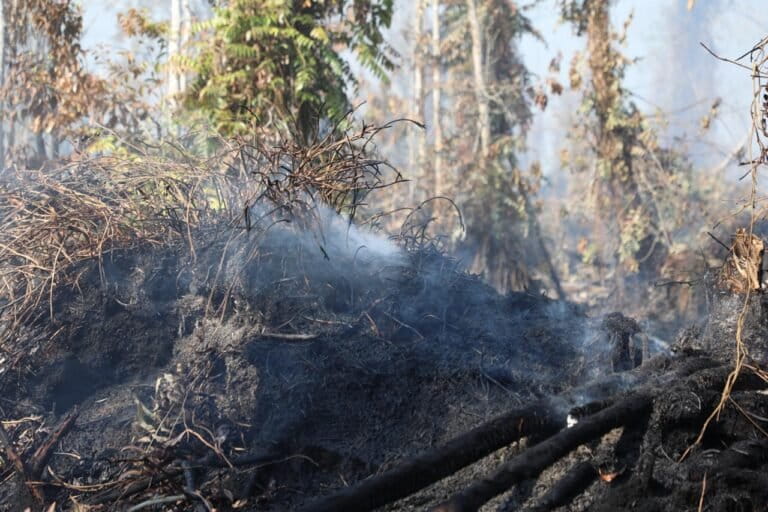
While the West Sumatra Department of Forestry maintains that some of the cited concessions have had their licenses revoked since January 2026, the ongoing fires within those boundaries suggest a failure in post-revocation oversight. The government is now under pressure to conduct thorough investigations into whether these fires were ignited intentionally to clear land, as has been a common illicit practice in the region for decades.
Presidential Intervention and the Riau Strategy
In late August, President Prabowo Subianto visited Riau to oversee a high-level coordination meeting. The reports presented to the President painted a picture of a massive, well-resourced response effort. As of late August, over 14,000 personnel—comprising ground task forces, military units, and specialized firefighting teams—were deployed. Efforts include weather modification technology, the use of water-bombing helicopters, and the construction of thousands of canals and deep wells to maintain soil moisture in peatland areas.
However, the response has been met with skepticism by civil society organizations. Jikalahari, a network focused on forest protection, criticized the presidential visit as a superficial exercise in gathering bureaucratic reports rather than engaging with the ground reality. Okto Yugo Setiyo, coordinator for Jikalahari, pointed out that 74% of the detected hotspots in Riau are located on peatlands, with nearly 20% within corporate concessions. "The President should have visited the burning corporate concessions to signal a zero-tolerance policy," Setiyo argued.
Broader Implications: Moving Beyond Firefighting
Experts from organizations like Greenpeace Indonesia and Auriga Nusantara emphasize that the current focus on immediate suppression—while necessary—is insufficient. "Firefighting is a short-term fix; it does not solve the structural problems of land governance, peatland degradation, and the lack of law enforcement," said Asep Komarudin of Greenpeace.
The reliance on military and police personnel to handle the fires, while effective in an emergency, risks overshadowing the underlying environmental and social issues. Analysts argue that the success of any forest fire strategy should not be measured by the number of personnel deployed or the volume of water dumped, but by the restoration of ecosystem health and the reduction of systemic fire risks.
As Indonesia enters the most critical phase of the dry season, the demand for a more holistic approach is growing louder. The state is being asked to transition from a cycle of annual crisis management to a proactive regime of sustainable land use, strict corporate accountability, and robust public health protection. Until then, the residents of Kalimantan and Sumatra remain in a state of suspended animation, waiting for the smoke to clear and for their right to clean air to be treated as a priority rather than a luxury.