Tyo Susilo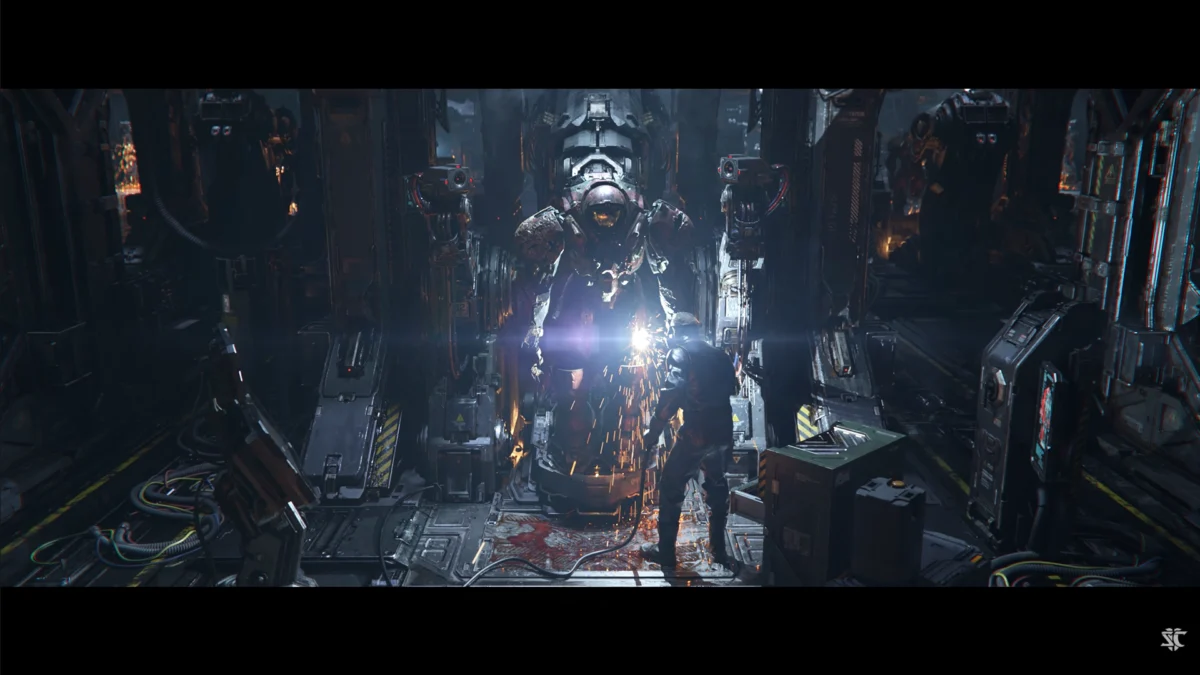
Blizzard Entertainment has officially confirmed the revival of one of the most celebrated intellectual properties in gaming history, announcing that the StarCraft franchise will return not as a traditional real-time strategy (RTS) title, but as an open-world shooter. The announcement, delivered via an introductory cinematic teaser at BlizzCon 2026, marks the end of nearly a decade of dormancy for the legendary sci-fi universe. Development of the ambitious project has been entrusted to Dan Hay, an industry veteran widely recognized for his leadership on Ubisoft’s major open-world franchise, Far Cry.
The unveiling shifts the trajectory of a series that defined the RTS genre for over two decades. While specific mechanical details, structural frameworks for the open world, and narrative protagonists remain under wraps, the early roadmap places the commercial release window in 2030. This announcement has immediately sparked intense discourse within the global gaming community, dividing long-time purists who champion the classic top-down tactical format and modern enthusiasts intrigued by the potential of exploring the Koprulu Sector from a first- or third-person perspective.
Background Context and the Long Hiatus of StarCraft
To understand the magnitude of Blizzard’s announcement, one must examine the profound legacy of the StarCraft franchise. Launched in 1998, the original StarCraft, alongside its seminal expansion Brood War, revolutionized the PC gaming landscape and laid the foundation for the modern esports ecosystem, particularly in South Korea where it achieved cultural phenomenon status. The release of StarCraft II: Wings of Liberty in 2010, followed by subsequent expansions Heart of the Swarm and Legacy of the Void, successfully modernized the formula but eventually concluded the primary narrative arcs of its iconic protagonists—Jim Raynor, Sarah Kerrigan, and Artanis.
Following the completion of StarCraft II’s post-launch support cycle around 2020, the franchise entered an extended period of inactivity. Blizzard shifted internal resources toward expanding other major pillars, such as World of Warcraft, Overwatch, Diablo, and Hearthstone. Despite occasional rumors of spin-offs—including canceled projects such as the tactical shooter codenamed "Ares"—no official mainline entries or significant franchise expansions materialized for nearly ten years. During this hiatus, the RTS genre itself experienced a broader market contraction, leading industry analysts to question whether Blizzard would ever risk capital on reviving a historical strategy property without modernizing its core gameplay loop to appeal to contemporary consumer habits.
Chronology of the BlizzCon 2026 Reveal and Leadership Assignment
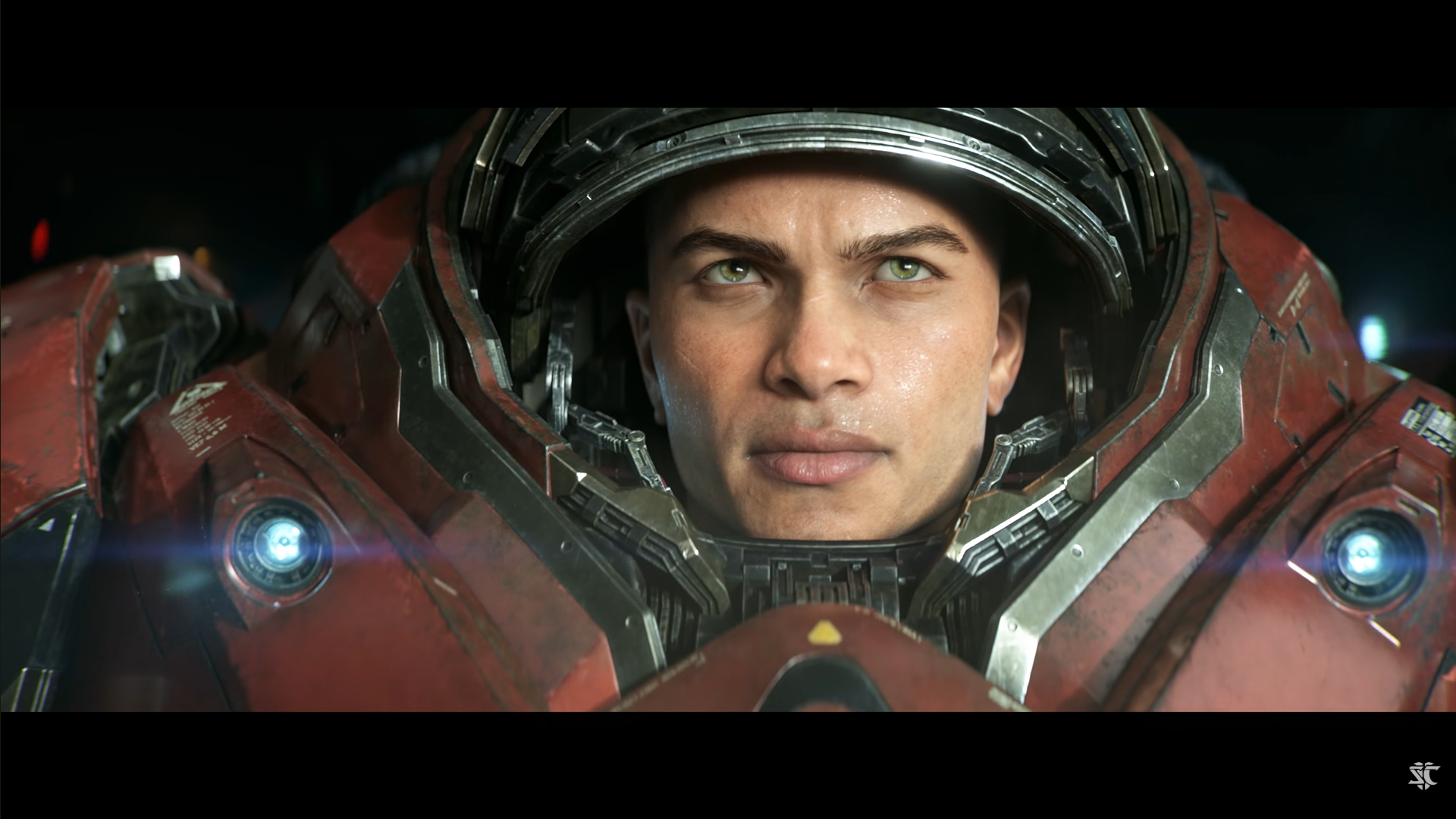
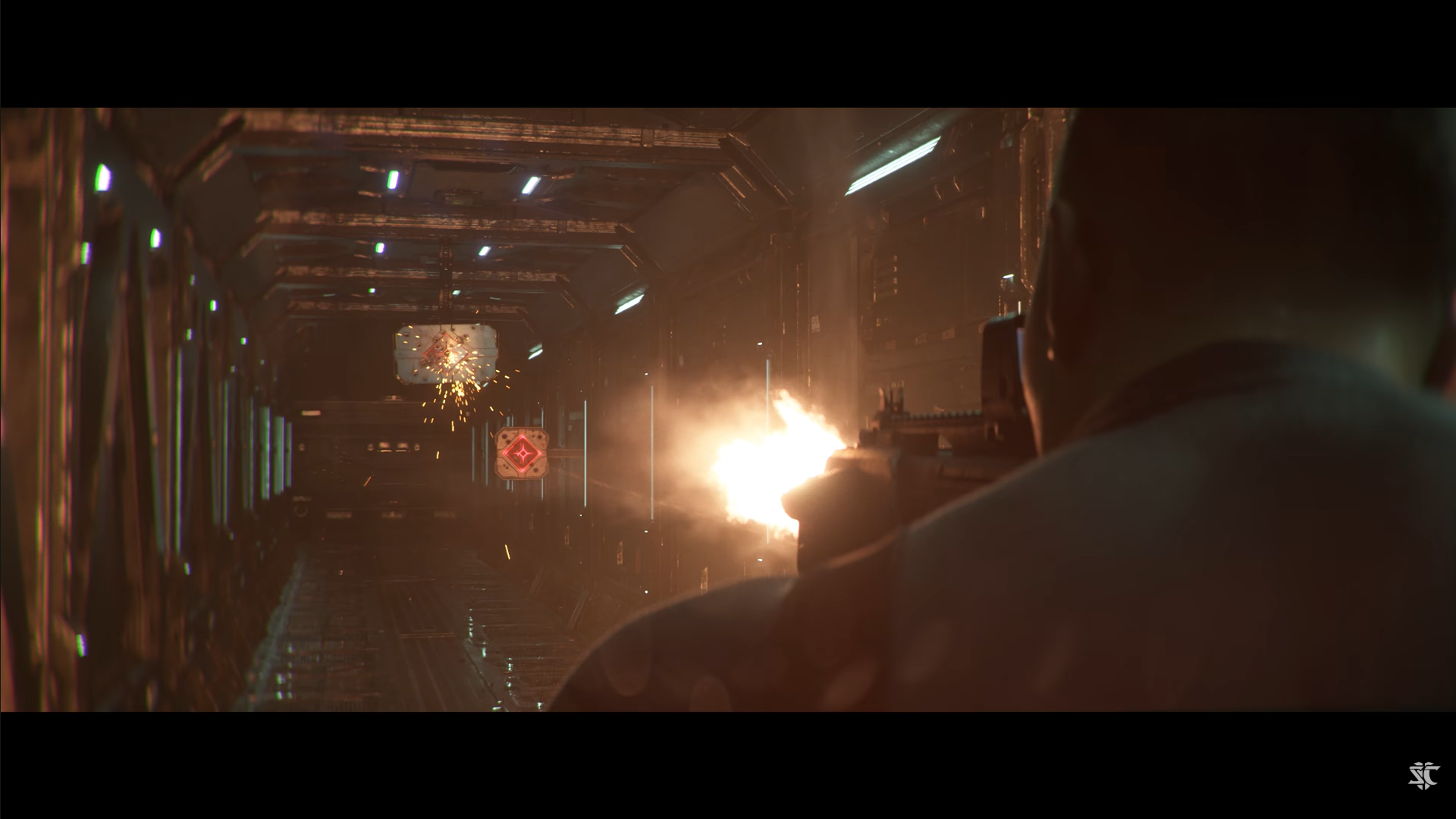
Speculation regarding a dormant StarCraft project intensified weeks prior to BlizzCon 2026, fueled by industry insider leaks and hints dropped by executive leadership following Microsoft’s acquisition of Activision Blizzard. The rumors culminated on the opening day of BlizzCon 2026, where Blizzard screened a premier cinematic trailer establishing a grittier, ground-level aesthetic within the universe.

Crucially, Blizzard confirmed that Dan Hay is spearheading the development team. Hay brings extensive experience in open-world design, having served as executive producer and creative director on multiple installments of the Far Cry series. His appointment signals a deliberate structural pivot for the franchise, aligning the legendary intellectual property with the design paradigms of modern immersive sandbox shooters. In subsequent interviews conducted during the convention, Hay expressed profound reverence for the source material, characterizing the opportunity to helm the project as a monumental career milestone while acknowledging the immense weight of fan expectations.
Strategic Implications of the Genre Shift
The transition from a top-down resource-management RTS to an open-world shooter represents one of the most significant pivots in corporate strategy for a major Blizzard franchise. Historically, Blizzard has maintained strict genre boundaries for its foundational IPs, occasionally branching into adjacent markets (such as Heroes of the Storm for MOBA or Hearthstone for collectible card games), but rarely altering the fundamental core mechanics of a flagship universe.
This structural evolution introduces several operational and creative challenges:
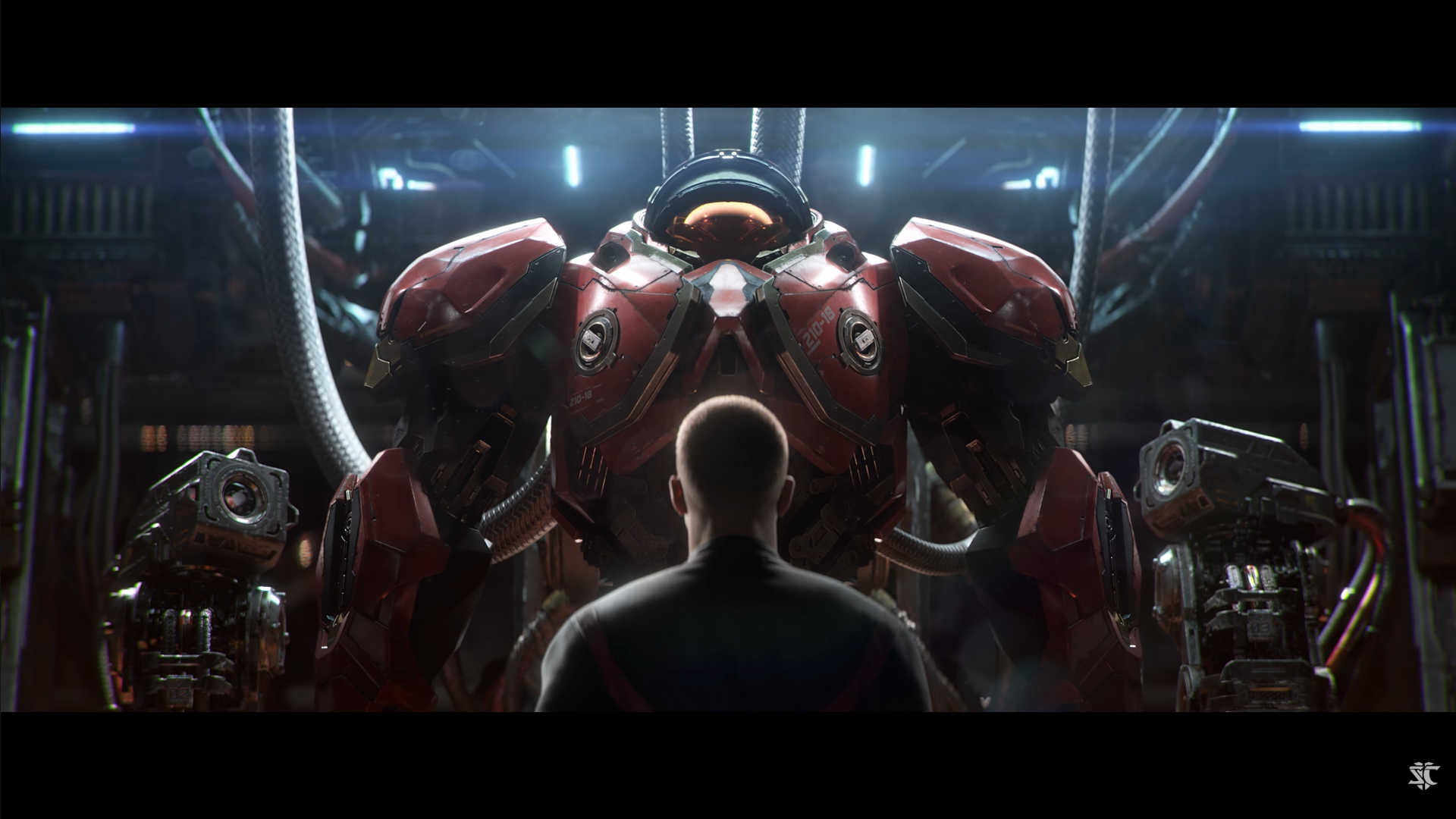
- Lore and Faction Translation: Translating the asymmetrical warfare of the Terran, Zerg, and Protoss factions into a cohesive shooter framework requires careful balancing. Developers must determine how iconic units—such as Siege Tanks, Zerglings, and Zealots—will function within a localized, ground-level gameplay perspective.
- Fan Expectations versus Innovation: Long-standing members of the StarCraft community have cultivated a deep attachment to the strategic micromanagement and macro-level storytelling of the RTS games. Introducing an open-world shooter risks alienating purists who view the genre change as a departure from the franchise’s identity.
- Long Development Horizon: With a targeted release window in 2030, the project faces a four-year public development cycle. This extended timeline allows Blizzard to gather iterative community feedback but also increases financial exposure and vulnerability to shifting industry trends.
Industry Analysis and Market Outlook
Financial analysts and gaming historians view the 2030 target date as an indicator of Blizzard’s deliberate, measured approach to rebuilding its reputation for narrative-driven AAA blockbusters. By setting expectations early, the publisher aims to mitigate the development turbulence that affected previous major releases.
Furthermore, the choice of an open-world shooter format reflects broader market realities. Open-world action games consistently rank among the highest-grossing segments of the global console and PC markets. By leveraging the rich, established lore of the Koprulu Sector—replete with corporate interstellar conflicts, alien invasions, and cybernetic enhancements—Blizzard possesses a ready-made narrative backdrop capable of supporting expansive exploratory gameplay loops.
However, questions remain regarding monetization strategies. Modern AAA open-world shooters frequently incorporate live-service frameworks, microtransactions, or seasonal content models to sustain ongoing development costs over a multi-year lifecycle. While Blizzard has not yet disclosed specifics regarding the game’s business model, the potential integration of live-service elements remains a point of scrutiny for consumers wary of contemporary industry monetization practices.
Conclusion and Future Outlook
As the dust settles on the BlizzCon 2026 announcements, the gaming industry enters a prolonged waiting period for concrete gameplay demonstrations. Dan Hay and his development team bear the responsibility of bridging the gap between a revered RTS legacy and the demands of modern open-world game design. Whether the 2030 release will successfully reintroduce StarCraft to a new generation of players while honoring its historical roots will remain one of the most closely watched narratives in interactive entertainment over the remainder of the decade.