Tyo Susilo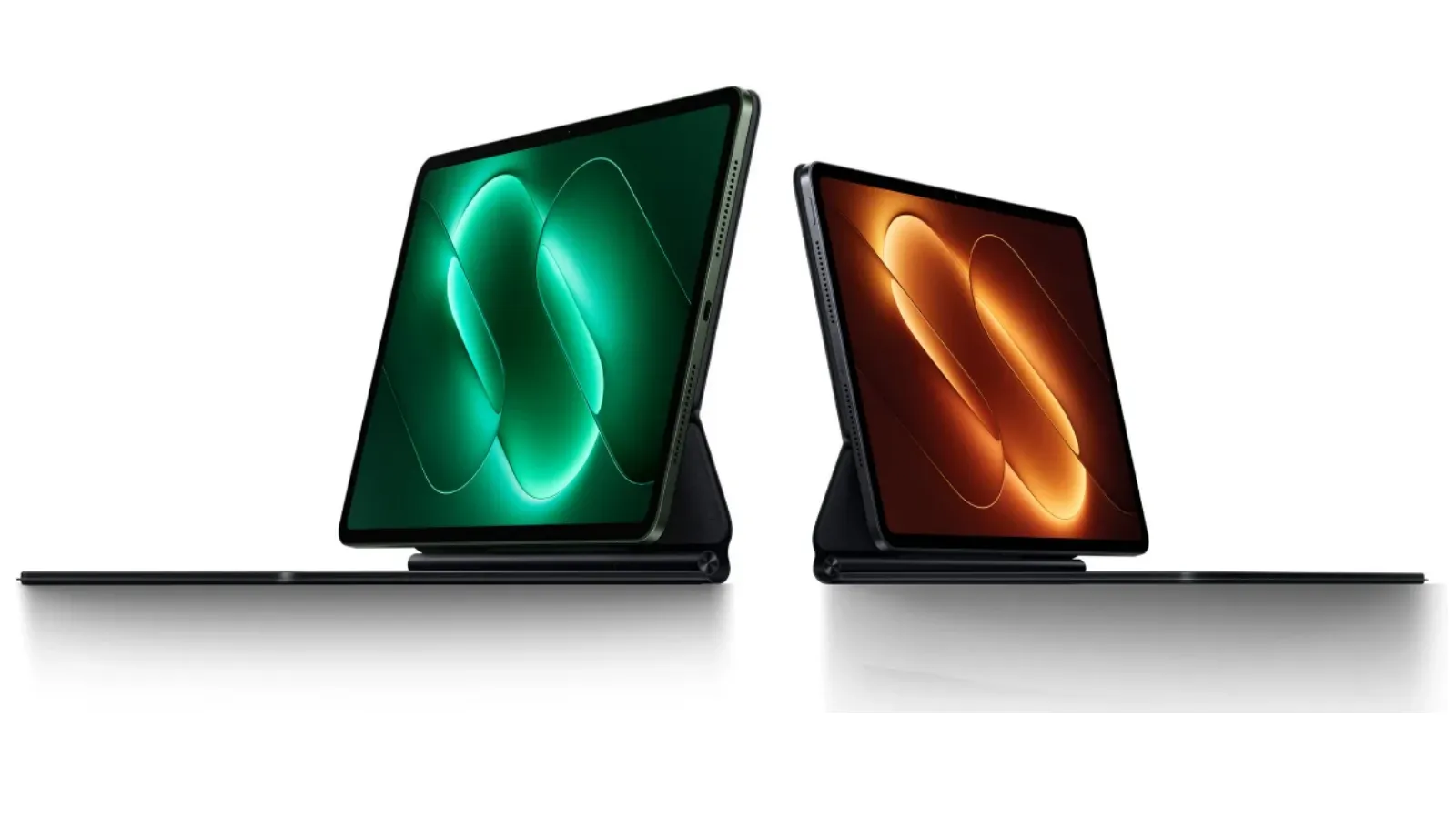
The global tablet market has received a significant update as Xiaomi officially expands its latest flagship lineup, introducing the standard Xiaomi Pad 9 and the higher-tier Xiaomi Pad 9 Pro. Following closely on the heels of the top-tier Xiaomi Pad 9 Pro Max—which debuted just a week prior powered by the proprietary Xring O3 processor—these two new additions shift back to Qualcomm’s industry-leading architecture. By incorporating robust chipsets, expansive high-refresh-rate displays, and refined productivity features, Xiaomi aims to capture a larger share of both the consumer entertainment and mobile workspace sectors.
The launch event, held in late September 2026, completes Xiaomi’s trifecta for its ninth-generation tablet ecosystem. While the Pad 9 Pro Max targets the absolute peak of mobile performance with in-house silicon, the Xiaomi Pad 9 and Pad 9 Pro are strategically positioned to cater to power users and mainstream consumers who prefer the familiarity and optimization of Qualcomm Snapdragon processors. Industry analysts have closely monitored this staggered release strategy, viewing it as a calculated move by Xiaomi to test the waters for proprietary chip adoption while maintaining a reliable foothold with Qualcomm-powered hardware.
Comprehensive Hardware Specifications of the Xiaomi Pad 9 Pro
Positioned just beneath the pinnacle of mobile computing, the Xiaomi Pad 9 Pro is engineered to handle heavy multitasking, graphic-intensive gaming, and professional productivity workflows. At its core lies the Qualcomm Snapdragon 8 Gen 5, a semi-flagship system-on-chip (SoC) that sits right below the elite tier. This processor is paired with up to 16GB of RAM and features UFS 4.1 storage options scaling up to 256GB, ensuring rapid data retrieval, swift application launching, and seamless background task management.

Powering this hardware is a robust 11,000mAh battery designed to endure extensive daily usage. To minimize downtime, the device supports 67W fast charging, allowing users to replenish the substantial battery capacity in a relatively short timeframe.
Visual fidelity is a major selling point for the Pro variant. The tablet boasts a 12.5-inch IPS display featuring an ultra-sharp resolution of 3200 x 2136 pixels and a fluid 144Hz refresh rate. The panel is designed for media consumption and creative work, offering a 12-bit color depth, broad DCI-P3 color gamut coverage, and comprehensive support for high dynamic range formats including HDR10, HDR Vivid, and Dolby Vision. Furthermore, with a peak brightness of 1,000 nits, the screen remains easily legible and vibrant even in brightly lit environments or under direct sunlight.
Imaging capabilities on tablets have traditionally been secondary, but the Xiaomi Pad 9 Pro elevates this standard with a 50-megapixel primary rear sensor. For video conferencing and self-portraits, the device incorporates a high-resolution 32-megapixel front-facing camera. Measuring a mere 5.8 millimeters in thickness and tipping the scales at 580 grams, the tablet balances a substantial screen real estate with a slim profile. It is available in three sophisticated colorways: Silver, Spruce Green, and Black. Pricing for the base configuration featuring 8GB of RAM and 128GB of internal storage starts at 3,799 yuan, translating to approximately $550 USD or roughly Rp9.9 million.
Detailed Breakdown of the Standard Xiaomi Pad 9
For users seeking a slightly more compact and accessible form factor without sacrificing core performance, the standard Xiaomi Pad 9 provides a compelling alternative. Under the hood, it is powered by the Qualcomm Snapdragon 8s Gen 4 processor, delivering high-tier processing capabilities optimized for efficiency and everyday computing tasks. The device is configured with up to 12GB of RAM and UFS 4.1 storage scaling up to 256GB.

The standard model features a slightly smaller 11.2-inch display, yet it maintains the same crisp 3.2K resolution (3200 x 2136) and smooth 144Hz refresh rate found on its larger sibling. It also retains robust color accuracy and HDR support, ensuring that media professionals and casual viewers alike enjoy an immersive visual experience. Energy demands are managed by a respectable 9,720mAh battery paired with 45W fast charging capabilities.
In terms of physical dimensions, the standard Xiaomi Pad 9 is noticeably lighter and thinner than the Pro model, weighing 485 grams and measuring 5.75 millimeters thick. The camera system is adjusted to meet everyday needs, utilizing a 13-megapixel rear main shooter and an 8-megapixel front-facing camera. To enhance utility, both the standard and Pro models offer full support for magnetic styluses and snap-on floating keyboards styled after traditional laptop docks, transforming the tablets into portable workstation replacements.
The color palette for the standard model expands to include an additional aesthetic option, offering Silver, Spruce Green, Black, and Ice Peach Pink. Market entry pricing for the base 8GB/128GB variant of the Xiaomi Pad 9 begins at 2,999 yuan, equivalent to roughly $430 USD or approximately Rp7.8 million.
Chronology and Ecosystem Integration
The rollout of the Xiaomi Pad 9 series reflects a methodical product lifecycle management strategy by the Chinese tech conglomerate. The sequence began with the high-profile unveiling of the Xiaomi Pad 9 Pro Max, which showcased Xiaomi’s growing ambitions in semiconductor development via the Xring O3 chip. By following up immediately with the Snapdragon-powered Pad 9 and Pad 9 Pro, Xiaomi ensured that consumers hesitant to adopt nascent proprietary architecture still had access to cutting-edge performance through trusted Qualcomm hardware.

This simultaneous expansion into productivity peripherals—such as magnetic styluses and floating keyboard accessories—underscores Xiaomi’s ongoing commitment to building a cohesive, cross-device ecosystem. The integration aligns with broader industry trends where tablets are no longer viewed merely as media consumption devices, but as primary productivity hubs capable of replacing traditional laptops for mobile professionals and students.
Market Implications and Regional Availability
The introduction of the Xiaomi Pad 9 and Pad 9 Pro intensifies competition within the global mid-to-high-tier Android tablet market, challenging established competitors from brands like Samsung, Lenovo, and Apple. By offering high-end specifications—such as 144Hz 3.2K displays and rapid charging—at aggressive price points, Xiaomi continues to pressure rivals on value-for-money metrics.
Regarding international distribution, tech enthusiasts and regional consumers are keenly awaiting official release dates outside of the Chinese domestic market. Speculation regarding Indonesian availability has already gained traction following regulatory filings. Telecommunication and certification tracking data reveals that the Xiaomi Pad 9 Pro has successfully passed local SDPPI (Postel) certification requirements, strongly indicating that an Indonesian launch is imminent. Meanwhile, status updates for the standard Xiaomi Pad 9 remain under observation, though historical precedent suggests a regional rollout typically follows shortly after the Pro variant clears domestic regulatory hurdles.
As Xiaomi continues to refine its hardware offerings and expand its ecosystem footprint, the Pad 9 series stands as a testament to the brand’s ability to diversify its silicon suppliers while delivering premium build quality, advanced display technology, and versatile productivity features to a global audience.