Nila Kartika Wati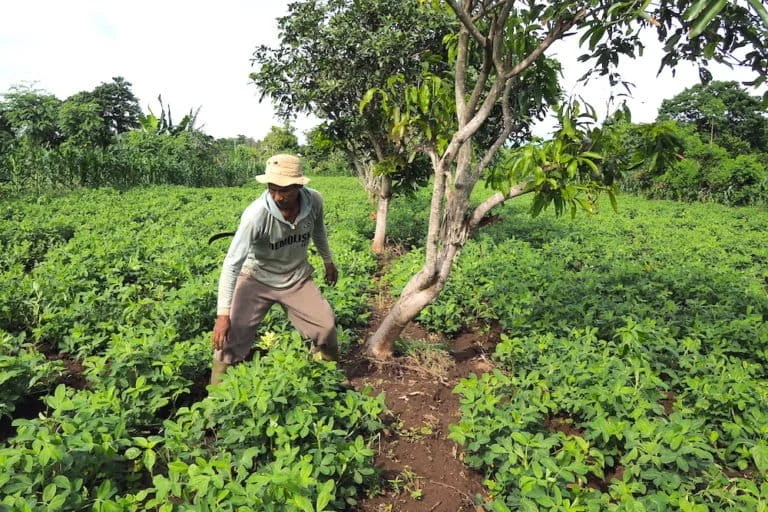
The Indonesian House of Representatives (DPR) has officially designated the Agrarian Reform Bill (RUURA) as a legislative initiative following a decisive plenary session held on September 8, 2026. This landmark development marks a potential turning point in the nation’s approach to land management, aiming to resolve long-standing structural inequalities, reduce land-based conflicts, and formalize the rights of vulnerable populations. With unanimous support from all political factions, the bill is now poised to enter the rigorous process of inter-ministerial deliberation and the finalization of the Inventory of Issues (DIM).
A Long-Awaited Legislative Milestone
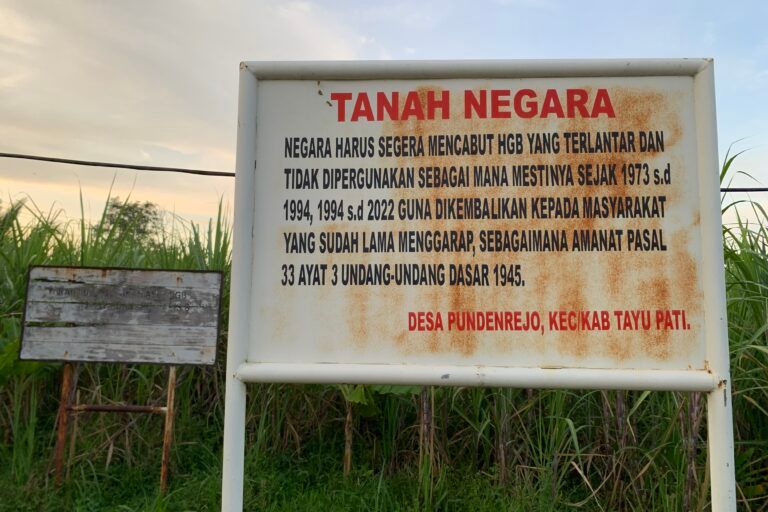
For decades, agrarian reform in Indonesia has been governed by a patchwork of presidential regulations and sector-specific decrees, most notably Presidential Regulation No. 62 of 2023. The absence of a dedicated primary law has frequently led to "ego-sectoral" clashes, where the Ministry of Agrarian Affairs and Spatial Planning (ATR/BPN) and the Ministry of Forestry often find their mandates overlapping, leaving local communities, indigenous groups, and smallholder farmers in a state of legal limbo.
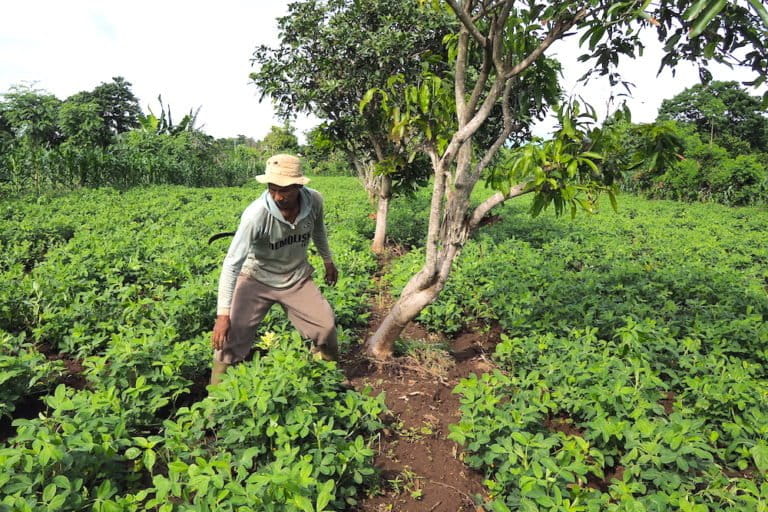
The urgency of this bill is underscored by grim statistics. According to government data presented during the legislative process, Indonesia currently faces a land Gini ratio of 0.47, indicating a high concentration of land ownership in the hands of a few. Furthermore, there are at least 1,296 active, unresolved agrarian conflicts across the archipelago, affecting approximately 4.18 million hectares of land and impacting the livelihoods of over 3.48 million people. The RUURA is designed to dismantle these barriers by providing a unified, legally binding framework that prioritizes the redistribution of land to those who need it most.
The Anatomy of the Proposed Law
The drafted bill comprises 70 articles organized across 16 chapters. At its core, the legislation defines agrarian reform not merely as a land certification project—which has been the focus of past administrations—but as a holistic process of reorganizing the ownership, use, and management of agrarian resources.
Key provisions include:
- Establishment of the National Agrarian Reform Agency (BRAN): A proposed non-structural agency that reports directly to the President. It is designed to hold the executive power to coordinate land reform across all sectors, settle conflicts, and oversee the redistribution of land.
- Clearer Definitions of Objects and Subjects: The bill identifies specific categories for redistribution, including abandoned lands, disputed lands involving state-owned enterprises (BUMN), transmigratory lands with historical issues, and former colonial-era concessions.
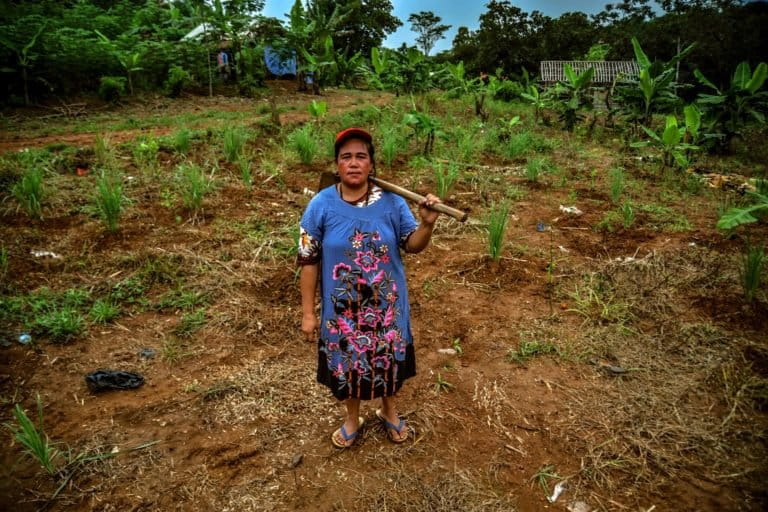
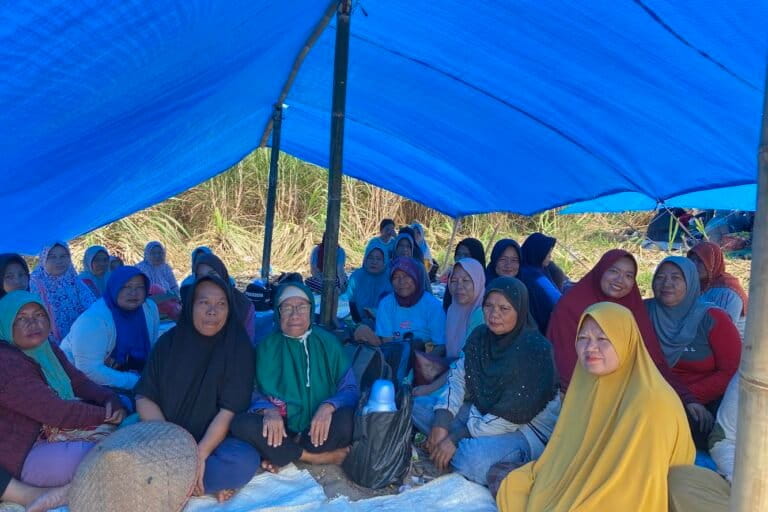
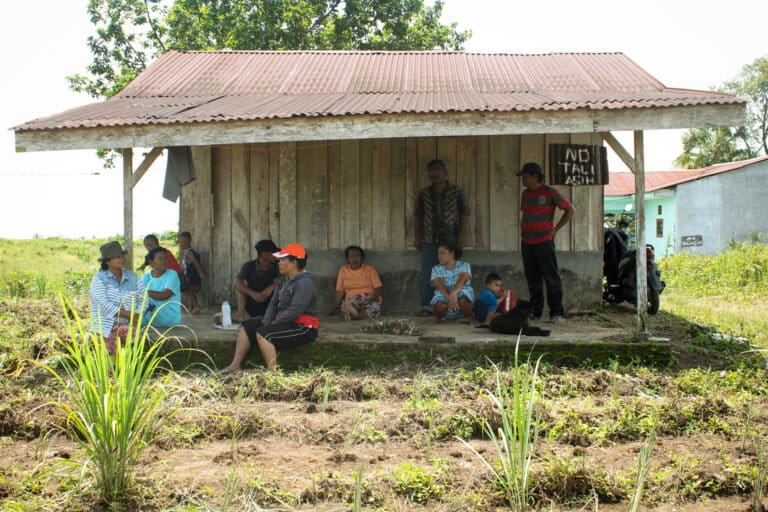
- Protection for Marginalized Groups: The legislation explicitly includes landless farmers, traditional fishermen, urban poor, and indigenous communities as the primary subjects for land distribution and legal asset protection.
- Sanctions and Enforcement: It introduces criminal and administrative penalties for land grabbing, the falsification of land data, and the illegal consolidation of redistributed land, aiming to prevent the re-concentration of land among elites.
The Debate Over Institutional Authority
While the consensus among political parties is strong, the specific implementation mechanisms—particularly the creation of BRAN—have sparked intense debate among civil society organizations and legal experts.
During the public hearing sessions held by the Legislative Body (Baleg) following the September 8 plenary, experts expressed concerns regarding the potential for institutional overlap. Iwan Nurdin, a senior expert at the Consortium for Agrarian Reform (KPA), warned that the division of labor between the new agency and the Ministry of ATR/BPN must be delineated with surgical precision. "We must ensure that the existence of BRAN does not paralyze the existing functions of the Ministry of ATR/BPN," Nurdin stated.
Furthermore, Guntoro Gugun Muhammad of the Urban Poor Consortium (UPC) raised critical concerns regarding the quasi-judicial powers granted to BRAN. The draft suggests that BRAN could issue final and binding decisions on agrarian conflicts. Gugun argued that this essentially tasks the agency with both executive and judicial roles, which could lead to constitutional friction. Instead, he proposed the creation of a specialized "Agrarian Court" within the judiciary to ensure that disputes are settled based on factual, historical, and social evidence rather than just rigid formal documentation.
The Conflict Between Formalism and Reality
A major challenge highlighted throughout the hearings is the "positivistic" nature of Indonesia’s current legal system. In many cases, farmers who have worked a piece of land for generations lose legal battles simply because they lack formal documentation. The proposed RUURA seeks to bridge this gap by allowing for alternative forms of evidence, such as oral testimony, historical land-use patterns, and community verification, to be used in legal proceedings.
However, this approach faces opposition from institutional stakeholders like the Indonesian Judges Association (IKAHI). Yanto, the head of the association, argued against a separate agrarian court, suggesting that the current court system is already equipped to handle such disputes if the procedures are streamlined. The core problem, according to IKAHI, is not a lack of courts, but the fragmentation of cases where one dispute involves multiple legal dimensions—civil, administrative, and criminal—simultaneously.
Government Perspective and Environmental Safeguards
The executive branch, represented by the Ministry of Forestry and the Ministry of ATR/BPN, has echoed the need for a comprehensive law but has emphasized the importance of maintaining ecological integrity. Rohmat Marzuki, Deputy Minister of Forestry, stressed that while the bill must address the rights of those living within or near forest areas, it must not become a vehicle for illegal deforestation or the erosion of conservation zones.
"We must distinguish clearly between forest areas that must be preserved and those that can be reclassified for settlement or agricultural use," Marzuki stated. The government’s stance is that any land redistribution within forest areas must be subject to rigorous verification of the history of occupation, ensuring that "flexibility" in proof does not translate to a blanket amnesty for illegal land clearing.
Looking Ahead: The Road to Enactment
The DPR’s Legislative Body is currently operating on an accelerated timeline. With the goal of passing the bill before the National Farmers’ Day on September 24, 2026, the legislative pace remains intense. Bob Hasan, Chair of the Baleg, has expressed optimism that the bill will remain on schedule, noting that the ongoing "sinkronisasi" (synchronization) of the DIM will be the next critical phase.
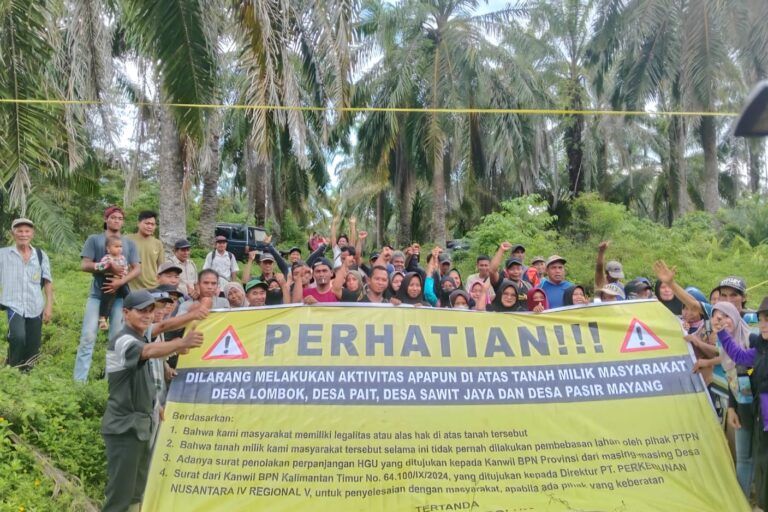
The implications of this bill are profound. If successfully enacted, it would provide the legal foundation to resolve deep-seated historical injustices, potentially reducing the number of land-based violent clashes that have plagued the country for decades. By creating a unified authority in BRAN and potentially establishing specialized judicial mechanisms, the government hopes to transition from a system of land management based on conflict and legal exclusion to one rooted in social justice and economic security.
However, the success of the RUURA will ultimately depend on the final text’s ability to navigate the competing interests of corporate, state, and community stakeholders. As the bill moves into the next phase of deliberation, the eyes of millions of farmers and indigenous people remain fixed on the DPR, waiting to see if this promise of "reforma agraria" will finally provide them with the security and dignity they have been fighting for for generations.
Chronology of Legislative Progress
- October 2025 – July 2026: Initial public consultations and drafting of the academic paper by the DPR’s Expert Body.
- August 27, 2026: The RUURA is officially registered in the National Legislation Program (Prolegnas).
- September 1, 2026: The Baleg conducts high-level work meetings with relevant ministries to align the draft with national policy.
- September 8, 2026: The bill is formally accepted as an initiative of the DPR during the plenary session, with all factions providing written support.
- September 9–10, 2026: Extensive Public Hearing Meetings (RDPU) are conducted with civil society, the Supreme Court, and legal experts to refine the content.
- Late September 2026 (Target): Expected completion of the bill before the National Farmers’ Day commemorations.
The path forward is complex, but the political momentum suggests that for the first time in Indonesian history, the legal framework for a comprehensive agrarian reform is closer to reality than ever before. The balancing act between protecting the rights of the marginalized and maintaining the integrity of national development will define the legacy of this legislation.