Nila Kartika Wati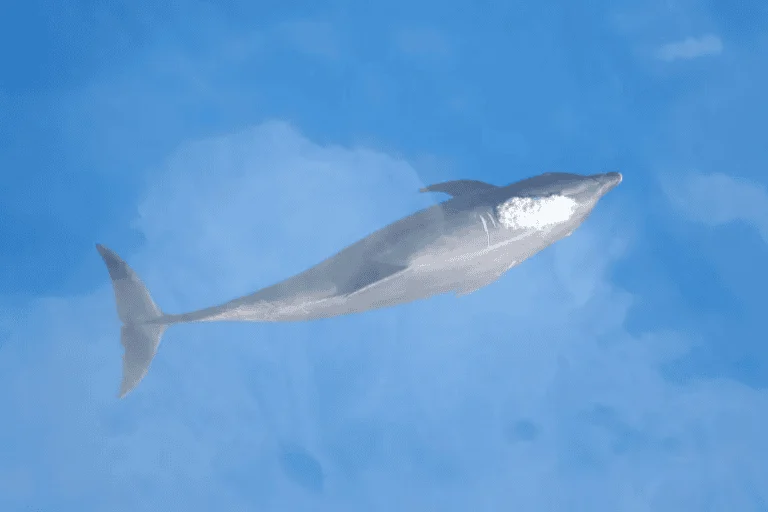
The presence of dolphins in the vast blue expanse of Indonesia’s territorial waters is far more than a picturesque spectacle for tourists; it is a critical biological indicator of ocean health. As apex predators and highly intelligent mammals, these creatures serve as the "sentinels of the sea." Their frequent surfacing in the archipelago’s strategic maritime corridors acts as a barometer for the availability of prey and the overall vitality of marine habitats. However, recent observations suggest a troubling trend: as these mammals become increasingly elusive, the marine ecosystems they inhabit are showing signs of systemic degradation. The loss of dolphins is not merely a tragedy of biodiversity; it is a harbinger of a looming ecological collapse that threatens the food security and economic stability of coastal communities throughout Indonesia.
The Strategic Importance of Indonesia’s Marine Corridor
Indonesia stands as a global hotspot for cetacean diversity, hosting 37 distinct species of marine mammals, 17 of which are various species of dolphins. This unique concentration is a result of the country’s geographical positioning, serving as the critical bridge between the Indian and Pacific Oceans. The Indonesian Throughflow—the movement of water masses between these two oceans—creates a high-productivity zone that supports complex food webs.
Key regions such as the Banda Sea, the Bali Strait, the Lombok Strait, and the Sawu Sea are not merely transit points; they are essential habitats and migratory highways for species such as the common bottlenose dolphin (Tursiops truncatus), spinner dolphins (Stenella longirostris), spotted dolphins (Stenella attenuata), and the elusive Risso’s dolphin (Grampus griseus). According to Dondy Arafat, a lecturer at the Department of Marine Science and Technology at IPB University, these animals are highly mobile, often traversing thousands of miles across oceanic boundaries. Their ability to migrate, however, is being compromised by the rapid fragmentation of their traditional routes, forcing them into unfamiliar and often dangerous territories.
An Escalating List of Anthropogenic Threats
The survival of dolphins in the Indonesian archipelago is currently challenged by a convergence of human-induced pressures. Perhaps the most immediate danger is "bycatch"—the incidental capture of dolphins in fishing gear intended for tuna or other pelagic fish. As industrial fishing intensity increases, the lack of effective mitigation measures, such as dolphin-safe gear or modified nets, has led to countless unnecessary fatalities.
Beyond the threat of fishing nets, dolphins face a multifaceted environmental crisis:
- Marine Debris and Plastic Pollution: Indonesia’s waters are heavily impacted by plastic waste, which leads to ingestion and entanglement, causing slow, agonizing deaths for marine mammals.
- Chemical and Acoustic Pollution: The rise of maritime shipping traffic has created an "acoustic smog." Since dolphins rely on echolocation to navigate, hunt, and socialize, the constant low-frequency noise from heavy vessels creates a sensory barrier that disrupts their communication and foraging efficiency.
- Habitat Degradation: The destruction of coastal ecosystems, particularly mangroves and seagrass beds, has depleted the primary production cycles that sustain the prey fish dolphins depend on.
- Unregulated Tourism: While dolphin-watching tours offer economic benefits, the lack of stringent operational standards often leads to boats chasing pods, causing extreme stress and disrupting breeding behaviors.
The Multiplier Effect of Climate Change
The climate crisis acts as a threat multiplier, exacerbating the stressors mentioned above. Rising sea surface temperatures are shifting the distribution of prey species, forcing dolphin populations to move into deeper, less familiar waters to find sustenance. This redistribution increases the energy expenditure required for survival, leaving individuals weaker and more susceptible to disease.
Scientific observations have linked these environmental shifts to an increase in dolphin stranding incidents across the Indonesian coast. When weakened or disoriented, dolphins are more likely to wash ashore, a phenomenon that has become increasingly frequent in recent years. The lack of standardized response protocols for these strandings often means that rescue efforts are sporadic and lack the scientific rigor required to prevent mortality.
The Data Void: A Barrier to Conservation
Despite the gravity of the situation, Indonesia faces a profound "data deficit." Mira Sekar, a prominent marine mammal expert from the Research Center for Biosystematics and Evolution at the National Research and Innovation Agency (BRIN), highlights the disparity in current research. "Most of our comprehensive population studies have been focused exclusively on the Irrawaddy dolphin, or Pesut Mahakam, found in inland waters," Sekar notes. "The open-ocean species remain largely uncounted and unstudied."
The lack of baseline data—such as population density, migratory routes, and genetic diversity—makes it nearly impossible to design effective conservation policies. This knowledge gap is primarily a result of the immense logistical and financial costs associated with open-ocean marine research. "Research is incredibly expensive," Sekar adds. "It requires dedicated vessel time, advanced sonar technology, and sustained funding. Without a significant shift in national priorities and financial allocation, our understanding of these species will remain superficial until it is too late."
Lack of Institutional Frameworks
Currently, Indonesia lacks a centralized, comprehensive master plan or a national rehabilitation network for cetaceans. While there are regulations governing maritime space, specific protections for dolphin corridors—or "blue corridors"—remain absent from the national legislative agenda.
This absence of policy leaves researchers, non-governmental organizations, and local communities without a legal mandate to intervene when populations are threatened. Effective protection requires a cross-sectoral collaboration between the Ministry of Marine Affairs and Fisheries (KKP), the Ministry of Environment and Forestry (KLHK), private shipping industries, artisanal fishing cooperatives, and local coastal tourism operators. A unified strategy must include the establishment of Marine Protected Areas (MPAs) that specifically restrict industrial activity along known migratory routes.
Chronology of Concern: A Growing Call for Action
- 2015–2018: Early studies on marine debris in the Indonesian archipelago begin to document plastic ingestion in various odontocetes (toothed whales).
- 2019–2020: Increased reports of stranding events in the Bali and Lombok straits spark public concern, though follow-up research is limited due to budget constraints.
- 2021: The launch of regional marine conservation initiatives emphasizes the need for protecting the Sawu Sea, yet enforcement of maritime traffic rules remains weak.
- 2023–2024: Academic discourse within the Indonesian marine science community intensifies, with experts like those at IPB and BRIN publicly advocating for a National Cetacean Conservation Action Plan.
The Ripple Effect: Why Humans Should Care
The decline of dolphins is an early warning system for the health of the entire ocean. Because they occupy the top of the food chain, dolphins regulate the population of smaller fish. A decrease in dolphin populations can lead to trophic cascades—unintended changes in the food web that can eventually lead to the collapse of commercial fish stocks.
For a nation as dependent on the sea as Indonesia, the degradation of the marine environment is a direct threat to food security. If the ecosystem can no longer support its apex predators, it will soon fail to support the smaller, commercially viable species that millions of Indonesians rely on for their daily protein and livelihoods.
Conclusion: Protecting the Guardians
Dolphins are the "benteng lautan"—the fortresses of the ocean. Protecting them is not a matter of romantic sentimentality but a strategic necessity for the preservation of marine resources. The path forward requires a transition from reactive, ad-hoc responses to a proactive, science-driven management system. This includes investing in deep-sea research, strictly enforcing anti-pollution laws, and implementing community-based monitoring programs that engage the fishermen who are most familiar with the waters.
As the international community watches, Indonesia stands at a crossroads. By prioritizing the conservation of its dolphin populations, the nation can safeguard the integrity of its marine ecosystems for generations to come. Failure to do so will not only result in the loss of these charismatic mammals but will likely precipitate an irreversible decline in the health and productivity of the seas that define the Indonesian identity. The silence left behind by vanishing dolphins will be the loudest indicator that the ocean’s capacity to sustain life is reaching its breaking point.