Tyo Susilo
The rapid advancement and widespread commercial adoption of generative artificial intelligence have ignited global debates concerning intellectual property rights, compelling legal systems worldwide to reevaluate traditional frameworks established decades ago. In Indonesia, the Directorate General of Intellectual Property (DGIP) under the Ministry of Law has taken a firm stance on the matter, clarifying that while AI technologies have revolutionized content creation across text, imagery, and audio, they cannot operate as legal authors under existing statutes.
Under Indonesian Law Number 28 of 2014 concerning Copyright, the legal definition of a "creator" is strictly confined to human beings. Consequently, any literary, artistic, or musical output generated autonomously by an AI model without substantive human intervention falls outside the scope of copyright protection. This foundational principle underscores a growing international consensus that artificial intelligence must be legally classified as a tool rather than a sovereign creator. Nevertheless, as generative models become increasingly integrated into professional workflows, the intersection of human creativity and machine assistance has introduced a complex gray area that policymakers are actively striving to regulate.

The Legal Landscape and the Requirement of Human Authorship
The fundamental question of whether machine-generated assets deserve copyright protection hinges on the degree of autonomy exercised by the system. When an algorithm produces a complete painting, novel, or musical composition independently based on a minimal prompt, Indonesian regulatory bodies rule out copyright eligibility. This position aligns with international precedents established by copyright offices in the United States, the European Union, and other major jurisdictions, which uniformly reject non-human authorship due to the absence of a personal intellectual creation.
However, the Ministry of Law recognizes that modern creators rarely rely on AI in a vacuum. When a human artist, writer, or designer utilizes artificial intelligence as an advanced instrument—much like a digital tablet, camera, or synthesizer—the resulting output may still qualify for legal protection. The crucial determinant is the presence of substantial intellectual contribution from a human author throughout the creative lifecycle.
Legal experts and intellectual property authorities emphasize that utilizing an AI generator does not automatically strip a work of its copyright status. Instead, evaluators must examine the depth of the human’s involvement. If the creator provides detailed, iterative prompting, performs meticulous manual corrections, weaves the AI-generated elements into a broader original narrative, and imbues the final product with a distinct personal perspective, the resulting work satisfies the statutory requirements for copyright registration.

Measuring Human Contribution: Criteria for Protection
To establish whether an AI-assisted creation meets the threshold for copyright protection under Indonesian jurisprudence, the Directorate General of Intellectual Property evaluates several distinct phases of the creative process. Simply typing a brief, generalized command into a text-to-image generator is universally deemed insufficient to claim authorship. Conversely, a multifaceted workflow incorporates several verifiable indicators of human intellectual effort:
- Intentional Prompt Engineering and Structuring: The creation of complex, highly specific prompts, sequential instructions, and iterative modifications that guide the AI toward a precise vision.
- Post-Processing and Manual Editing: Substantial physical or digital alterations made to the raw AI output, including retouching, color grading, structural rewriting, or compositional rearrangement.
- Curatorial Selection and Arrangement: The purposeful assembly of multiple AI-generated components into a cohesive compilation that reflects individual artistic choices.
- Integration into Original Works: The incorporation of machine-generated elements as minor components within a predominantly human-authored project, such as a film or a graphic novel.
These criteria ensure that copyright law continues to fulfill its primary objective: incentivizing human ingenuity, artistic expression, and cultural development by granting exclusive economic and moral rights to the individuals responsible for the conceptualization and realization of the work.
Legislative Developments and the Proposed Copyright Bill
Beyond the ownership status of AI-assisted outputs, the proliferation of generative models has triggered pressing concerns regarding the acquisition of training data. Major AI developers routinely ingest vast datasets containing copyrighted texts, photographs, and musical compositions scraped from the internet to train their neural networks. This practice has led to widespread controversies regarding unauthorized use, intellectual property theft, and the lack of fair compensation for original creators.
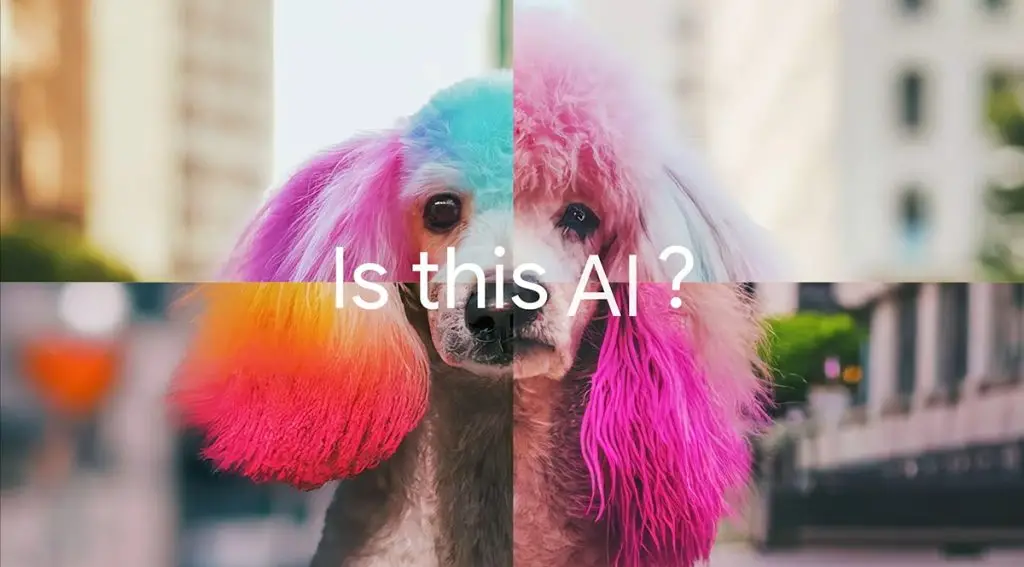
In response to these systemic challenges, the Indonesian government is currently formulating legislative updates through the ongoing drafting of a revised Copyright Bill (Rancangan Undang-Undang Hak Cipta or RUU HC). This comprehensive regulatory overhaul aims to address the multi-faceted disruptions introduced by machine learning technologies by establishing clear legal boundaries for data scraping, commercial model training, and content transparency.
According to preliminary disclosures from regulatory officials, the upcoming legislative framework is expected to introduce mandatory compliance measures for commercial AI deployments operating within Indonesian territory. Key provisions under discussion include:
- Mandatory Licensing and Compensation: Requiring AI developers to secure explicit permissions and negotiate compensation mechanisms with copyright holders whose works are utilized for commercial training datasets.
- Transparency and Disclosure Protocols: Enforcing strict labeling and watermarking requirements for synthetic media, deepfakes, and fully AI-generated commercial assets to protect consumers from misinformation and preserve market integrity.
- Clarified Liability Frameworks: Defining the legal responsibilities of software developers, corporate deployers, and end-users when AI systems inadvertently infringe upon existing registered copyrights or trademarks.
Economic and Industry Implications
The ongoing evolution of copyright policy carries profound implications for Indonesia’s burgeoning creative economy. The country’s digital artists, copywriters, musicians, and software developers navigate a dual reality: while generative tools offer unprecedented productivity gains and cost efficiencies, they simultaneously threaten traditional employment models and devalue human labor through market saturation.

By refusing to grant copyright to autonomous AI creations, regulatory authorities protect human creators from being economically displaced by automated content mills that can flood registries with zero-cost material. At the same time, by maintaining copyright eligibility for human-led, AI-assisted projects, the government encourages local industries to adopt modern technologies strategically rather than rejecting them outright.
Industry analysts suggest that local creative agencies and media enterprises must adapt their operational standards to align with emerging legal frameworks. Establishing clear internal documentation regarding the precise workflows used to create digital assets will become a standard prerequisite for securing intellectual property portfolios and successfully enforcing legal rights against infringement.
Outlook on the Future of Artificial Intelligence and Law
As artificial intelligence continues its trajectory toward higher levels of autonomy and multimodal sophistication, the boundaries separating human ingenuity from machine execution will inevitably face further pressure. Courts, lawmakers, and intellectual property offices worldwide will need to engage in continuous dialogue to harmonize disparate legal interpretations and foster a balanced ecosystem where technological innovation thrives alongside robust creator protections.

For Indonesian creators, the current legal consensus offers both clarity and a challenge. Artificial intelligence remains firmly anchored in the status of a tool, emphasizing that the intrinsic value of art, literature, and science resides in human consciousness, emotional depth, and intentional design. As the government finalizes its updated legislative agenda, stakeholders across the creative sectors are urged to remain informed, adapt their production methodologies, and prepare for a regulated digital marketplace designed to safeguard the future of human creativity.