
 Azin Asro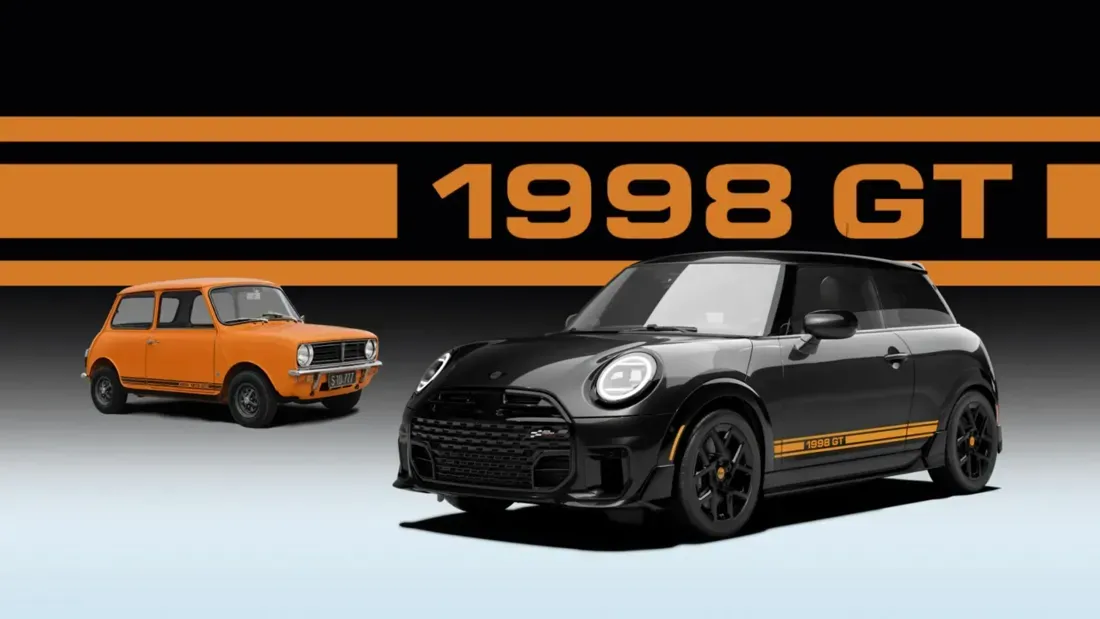
Jakarta — British iconic compact car manufacturer Mini, a subsidiary of the BMW Group, has officially expanded its exclusive lineup with the introduction of the new 1998 GT Edition. Designed to capture the aggressive visual presence of the brand’s high-performance John Cooper Works (JCW) division, the vehicle presents a striking road presence despite harboring standard powertrain specifications beneath its hood. Disclosed through automotive industry reports, the release marks a strategic addition to Mini’s growing portfolio of specialized visual packages tailored for enthusiasts who prioritize unique aesthetics over outright acceleration benchmarks.
The introduction of the 1998 GT Edition highlights Mini’s ongoing marketing strategy to diversify its offerings through limited-run production models. By blending heritage-inspired nomenclature with modern JCW-sourced hardware, the brand aims to capture niche segments of the automotive market. However, the vehicle’s technical makeup reveals a deliberate choice by engineers and product planners: to deliver a sporty driving dynamics package and aggressive styling without stepping into the territory of high-output performance flagships like the Cooper S or the full-fat Cooper JCW.
Decoding the Moniker: Heritage Meets Displacement
The nomenclature of the newly unveiled Mini 1998 GT Edition carries a dual significance that bridges the brand’s storied motorsport past with its current engineering framework. Contrary to popular assumptions that the numbers represent a historical timeline, the designation "1998" is a direct reference to the exact cubic capacity of the internal combustion engine housed within the vehicle, measuring precisely 1,998 cubic centimeters.
Simultaneously, the "GT" suffix serves as a respectful nod to the classic Mini 1275 GT, an iconic performance-oriented model originally introduced to the global market in 1969. The original 1275 GT played a pivotal role in cementing Mini’s reputation in touring car racing and rally events during the late 1960s and 1970s. By reviving the GT badge paired with the 1998 displacement figure, Mini’s product development team seeks to evoke a sense of nostalgia among legacy brand loyalists while introducing modern design interpretations to a contemporary audience.
Powertrain and Performance Profile: Grounded in the Cooper C Architecture
Beneath its aggressive exterior styling, the Mini 1998 GT Edition utilizes the mechanical foundation of the standard Cooper C. This engineering choice means the vehicle is powered by a 2.0-liter turbocharged four-cylinder engine, generating a maximum output of 161 horsepower (approximately 163 metric horsepower or PS). Power is transmitted exclusively to the front wheels via a seven-speed dual-clutch automatic transmission, ensuring smooth gear shifts and optimized fuel efficiency for daily commuting.
When evaluated against its stablemates, the 1998 GT Edition’s performance figures remain modest. The mid-tier Mini Cooper S commands a significantly higher output of 204 PS, while the range-topping Cooper JCW pushes performance boundaries further with an impressive 231 PS. Consequently, industry analysts note that despite carrying aggressive JCW styling cues and a GT badge, the 1998 GT Edition is explicitly not engineered to chase lap records or top-tier performance metrics. Instead, the vehicle positions itself as a grand touring-inspired appearance package that prioritizes visual distinction and everyday drivability over raw track capabilities.
Suspension, Braking, and Dynamic Upgrades
While the engine specifications remain identical to the base Cooper C, Mini has invested heavily in updating the vehicle’s chassis, handling dynamics, and stopping power to match the aggressive aesthetic promised by the exterior design. The JCW influence is most prominent in the vehicle’s suspension tuning, which features a stiffer, sportier setup designed to reduce body roll during cornering and enhance steering feedback on winding roads.
In addition to the recalibrated suspension architecture, the 1998 GT Edition benefits from an upgraded braking system. The enhanced hardware provides sharper pedal response and improved thermal management, offering greater confidence during spirited driving scenarios. These mechanical enhancements ensure that while the straight-line acceleration remains true to the Cooper C, the overall driving experience feels more planted, agile, and engaging than a standard showroom model.
Distinctive Exterior Styling and Interior Refinements
Aesthetically, the Mini 1998 GT Edition distinguishes itself immediately through a curated selection of exterior and interior appointments. The vehicle’s body is draped in a deep Midnight Black Metallic paint scheme, complemented by high-contrast orange exterior graphics that trace the lower body panels and hood lines. Prominent "1998 GT" exterior emblems are strategically placed to signify the vehicle’s limited-edition status.
To complete the aggressive stance, the exterior package includes a comprehensive JCW body kit featuring redesigned front and rear fascias, aerodynamic side skirts, and a set of 17-inch JCW Sprint Spoke alloy wheels finished in a complementary dark tone.
Inside the cabin, the transformation continues with bespoke touches designed to elevate the tactile and visual experience for the driver and passengers. Mini has outfitted the interior with heavily bolstered JCW sport seats upholstered in premium materials. The driver is greeted by a JCW-branded steering wheel equipped with standard heating functionality and aluminum paddle shifters for manual gear selection. Specialized "1998 GT" interior badges and door sill plates further reinforce the exclusivity of the cabin environment.
Pricing Structure and Market Positioning
For the North American market, the Mini 1998 GT Edition carries a starting manufacturer’s suggested retail price (MSRP) of $36,875, which translates to approximately IDR 650 million based on current exchange rates. This pricing strategy places the special edition in a unique bracket within Mini’s broader lineup.
To contextualize the pricing, the standard Mini Cooper S starts at a lower threshold of approximately Rp 578 million, making it a more accessible choice for buyers prioritizing pure horsepower. Conversely, the high-performance Cooper JCW commands a higher premium, starting at around Rp 686 million. The 1998 GT Edition thus occupies a middle ground, appealing specifically to consumers willing to pay a premium for limited-edition exclusivity and distinctive cosmetic enhancements rather than raw engine output.
Chronology and the "Icon Drops" Strategy
The unveiling of the 1998 GT Edition is part of a broader, highly calculated corporate strategy executed by Mini. The vehicle represents the sixth installment in an exclusive series of eight limited-run models collectively known as the "Icon Drops," scheduled for release throughout the 2026 calendar year.
This rollout strategy is designed to maintain sustained consumer interest and media engagement by periodically introducing highly individualized variants of core models. According to the production and logistics timeline released by Mini, manufacturing for the 1998 GT Edition is slated to commence mid-year, with the first wave of customer deliveries officially scheduled to begin in the autumn of 2026.
Broader Industry Implications and Market Analysis
Market analysts suggest that the introduction of models like the 1998 GT Edition reflects a broader automotive industry trend: the monetization of heritage and customization. As global manufacturers transition toward electrification and standardized modular platforms, internal combustion engine vehicles face growing pressure to justify their existence through emotional appeal, design storytelling, and exclusivity.
By leveraging its rich motorsport history and collaborating internally with the JCW division, Mini successfully transforms a standard-output powertrain into a desirable collector’s item. While purists may critique the disparity between the car’s aggressive GT styling and its standard Cooper C performance figures, the commercial success of previous Icon Drops indicates a strong, resilient demand among urban consumers and brand loyalists who value design differentiation above all else. As the automotive landscape continues to evolve, limited-edition appearance packages of this nature are expected to remain a vital tool for legacy brands seeking to sustain consumer engagement and protect profit margins on internal combustion platforms.








