Nila Kartika Wati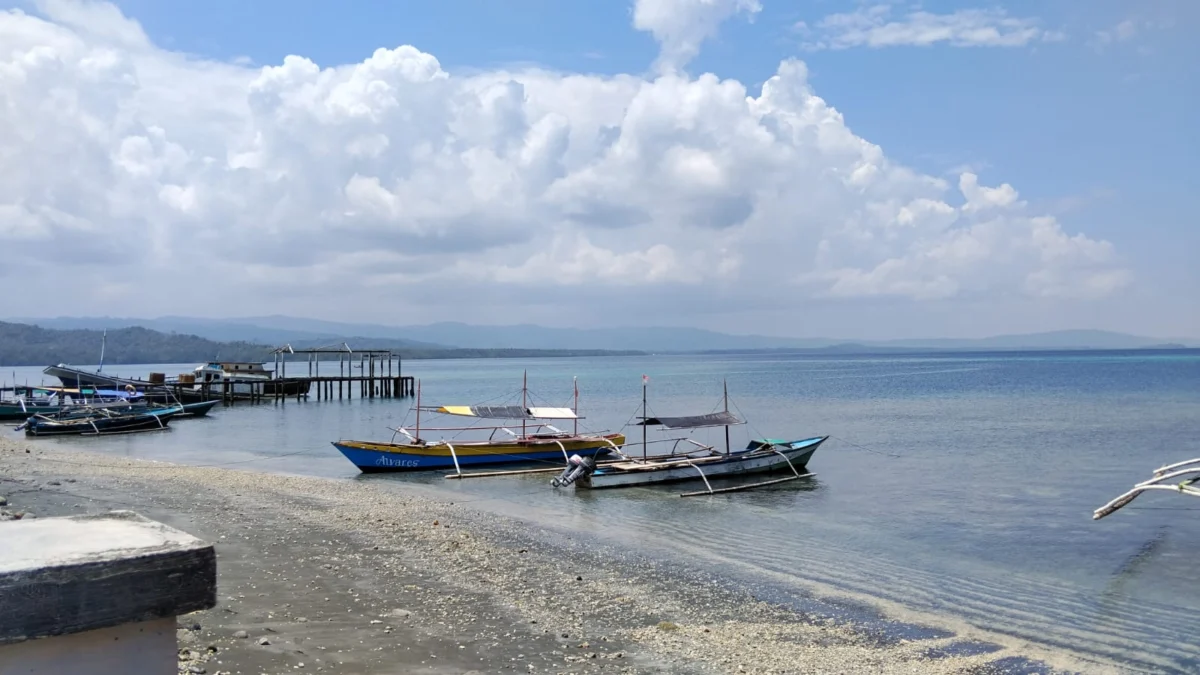
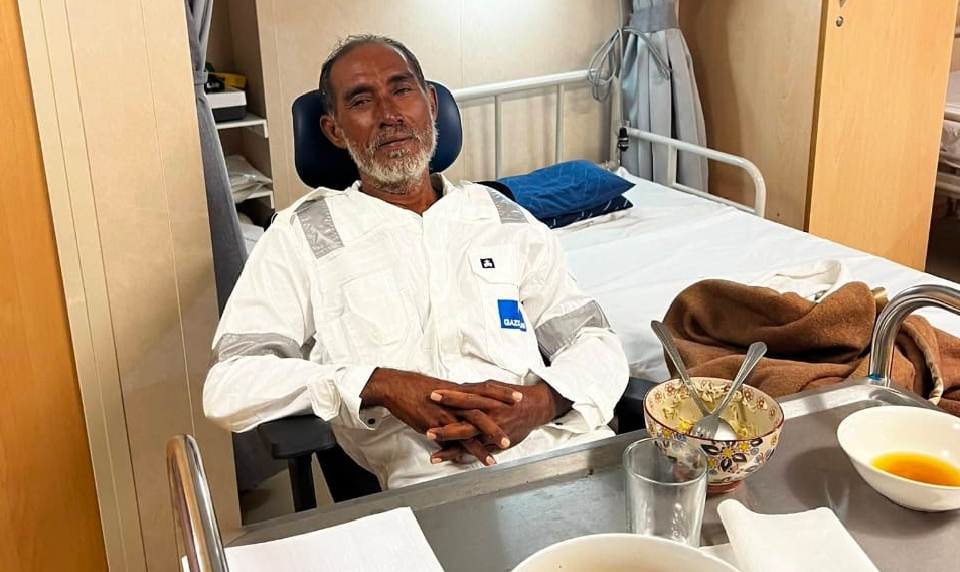
Esau Sidemo, a 57-year-old fisherman from Bido Village in the Batang Dua District of Ternate, North Maluku, describes his survival as nothing short of a miracle. After his outboard motor failed just thirty minutes into a routine fishing trip, a series of relentless currents pulled his small boat deep into the vast expanse of the Pacific Ocean. For 26 grueling days, Sidemo drifted through the open sea, an experience he characterizes as the most harrowing ordeal of his life. To endure, he resorted to desperate measures: consuming raw seabirds, scavenging fish that leapt into his vessel, harvesting floating rotten coconuts, and, ultimately, drinking his own urine to stave off lethal dehydration. His survival ended when a French-flagged cargo ship intercepted him, eventually transporting him to China before he could be repatriated to Indonesia.
Sidemo’s story is a harrowing testament to the precarious nature of life for artisanal fishers in an era of climate volatility. However, he is far from an isolated case. Across the Indonesian archipelago, the intersection of unpredictable weather, aging maritime infrastructure, and mounting industrial pressures is transforming the daily act of fishing into a high-stakes gamble with death.

A Chronology of Maritime Peril
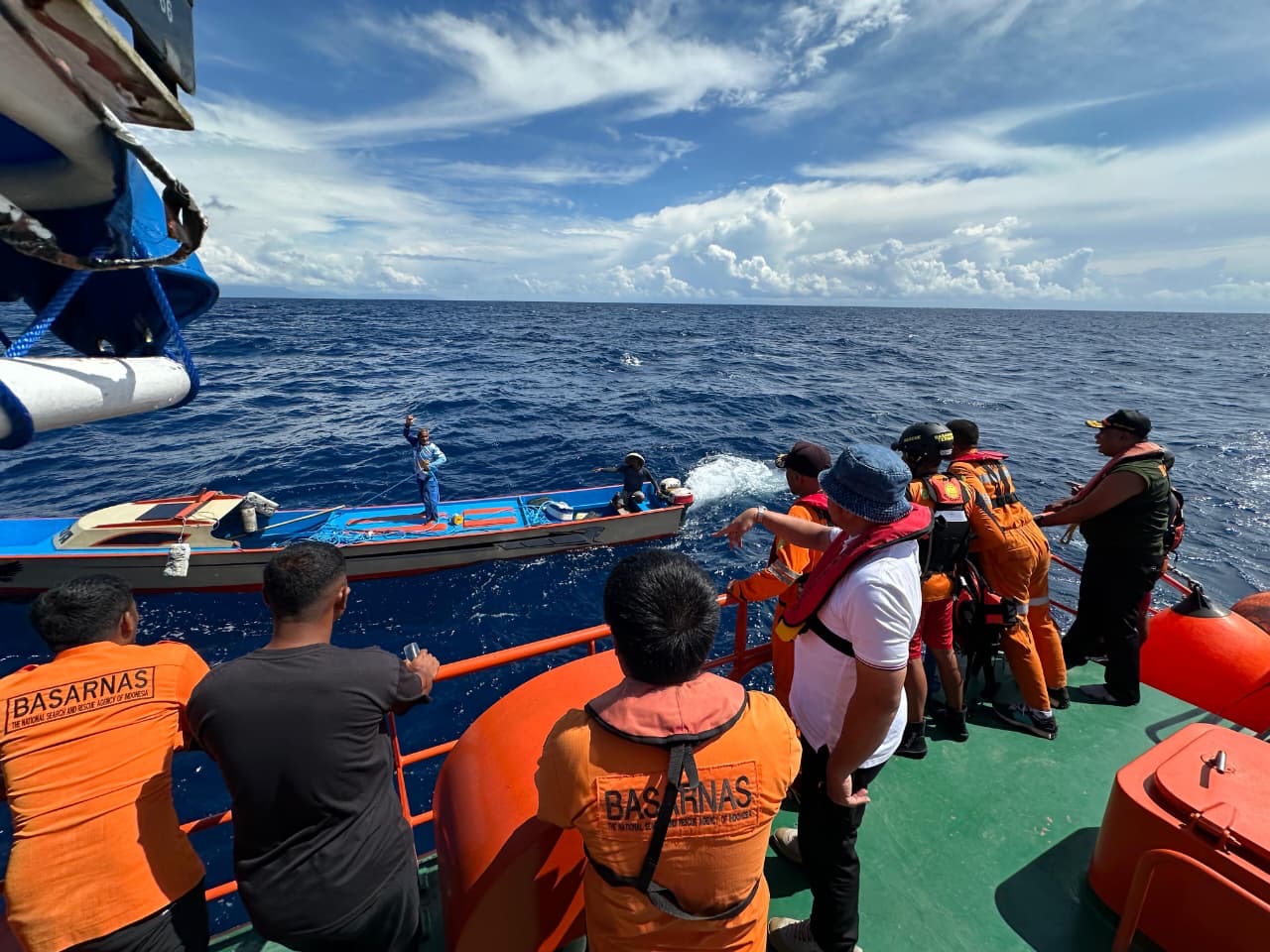
The frequency of maritime accidents involving small-scale fishers in North Maluku has seen a disturbing upward trend. Data from the Ternate Search and Rescue (SAR) office reveals that by December 2025, there had been 49 distinct search and rescue operations conducted, a significant increase from the 41 recorded in the previous period. Of these incidents, 31 were classified as major accidents, resulting in 122 survivors, 7 confirmed fatalities, and 20 individuals still missing.
The chronology of these events paints a grim picture. On September 3, 2023, two tuna fishers from Loleo Village, Sukri Suleman and Yusuf Abdul Rahman, found themselves adrift after running out of fuel while fishing near a fish-aggregating device (FAD) just eight miles from the coast. Carried by storms into Philippine waters, the pair survived for six days before encountering a Philippine fishing vessel that provided them with fuel. They finally returned home through Miangas and Bitung ten days later.
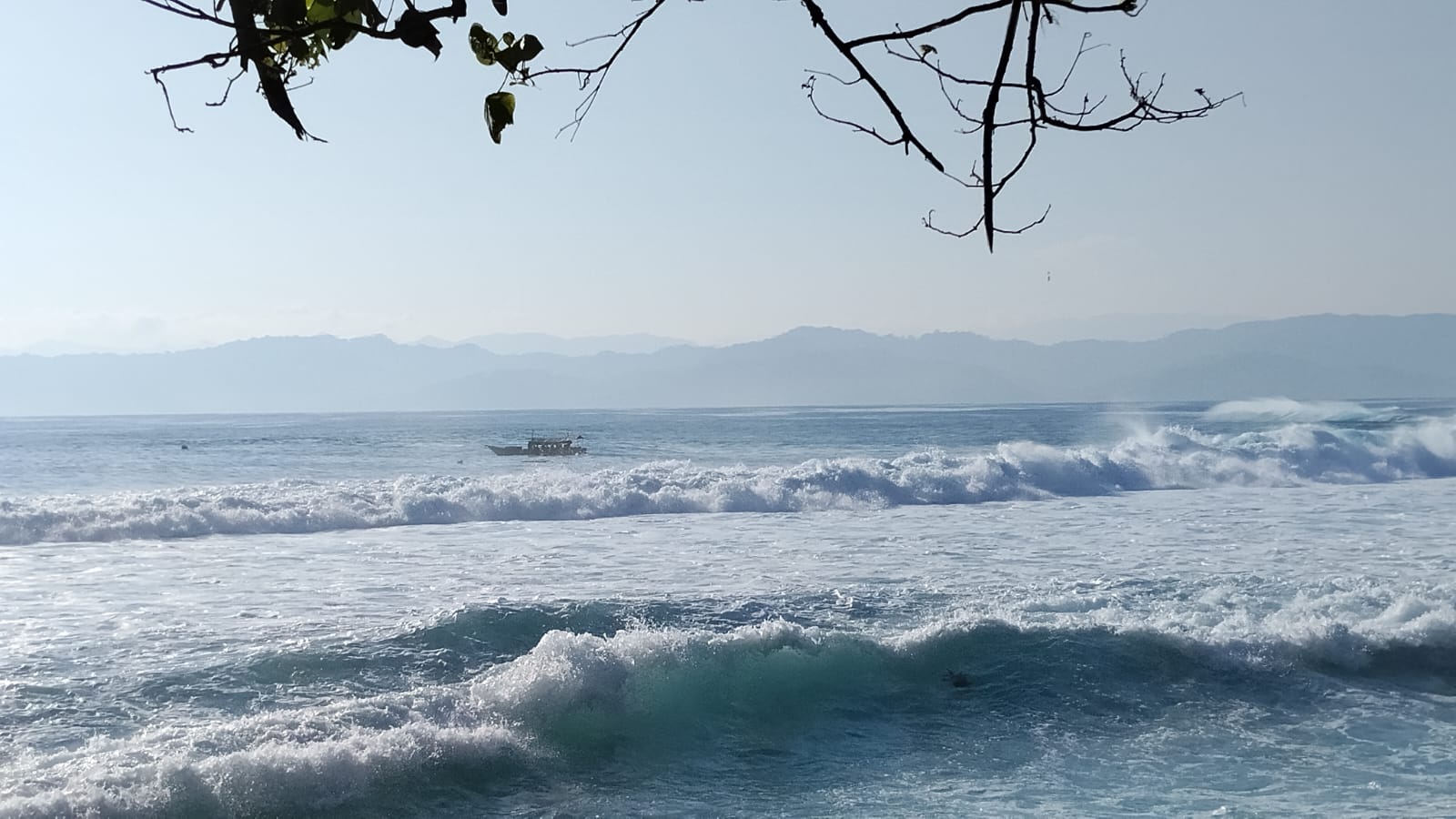
In 2025 and 2026, the situation deteriorated further. In August 2025, Rustam Abas, a fisherman from Tidore, perished after being swept overboard during a high-swell event. Earlier that same year, Sudarwin Hasrat and Udin Rope were forced to rely on emergency evacuation by the Basarnas (National Search and Rescue Agency) after their vessel was shattered by massive waves. The toll continued into 2026, with the disappearances of Abu Bakar Wahid in February and Maneng Manola in August. These incidents are frequently characterized by waves reaching heights of 2.5 meters—conditions that are increasingly difficult for traditional outboard motorboats to navigate.
The Climate Factor and Economic Strain
For fishermen like Gafur Kaboli, a tuna fisher and Secretary of the North Maluku branch of the Indonesian Traditional Fishers Union (KNTI), the sea is no longer the reliable provider it once was. "The casualties caused by climate change impacts are rising as the weather becomes increasingly erratic," Kaboli stated. He notes that the traditional ecological knowledge passed down through generations—the ability to predict fish migration seasons and weather patterns—has been rendered largely obsolete by rapidly shifting climatic conditions.
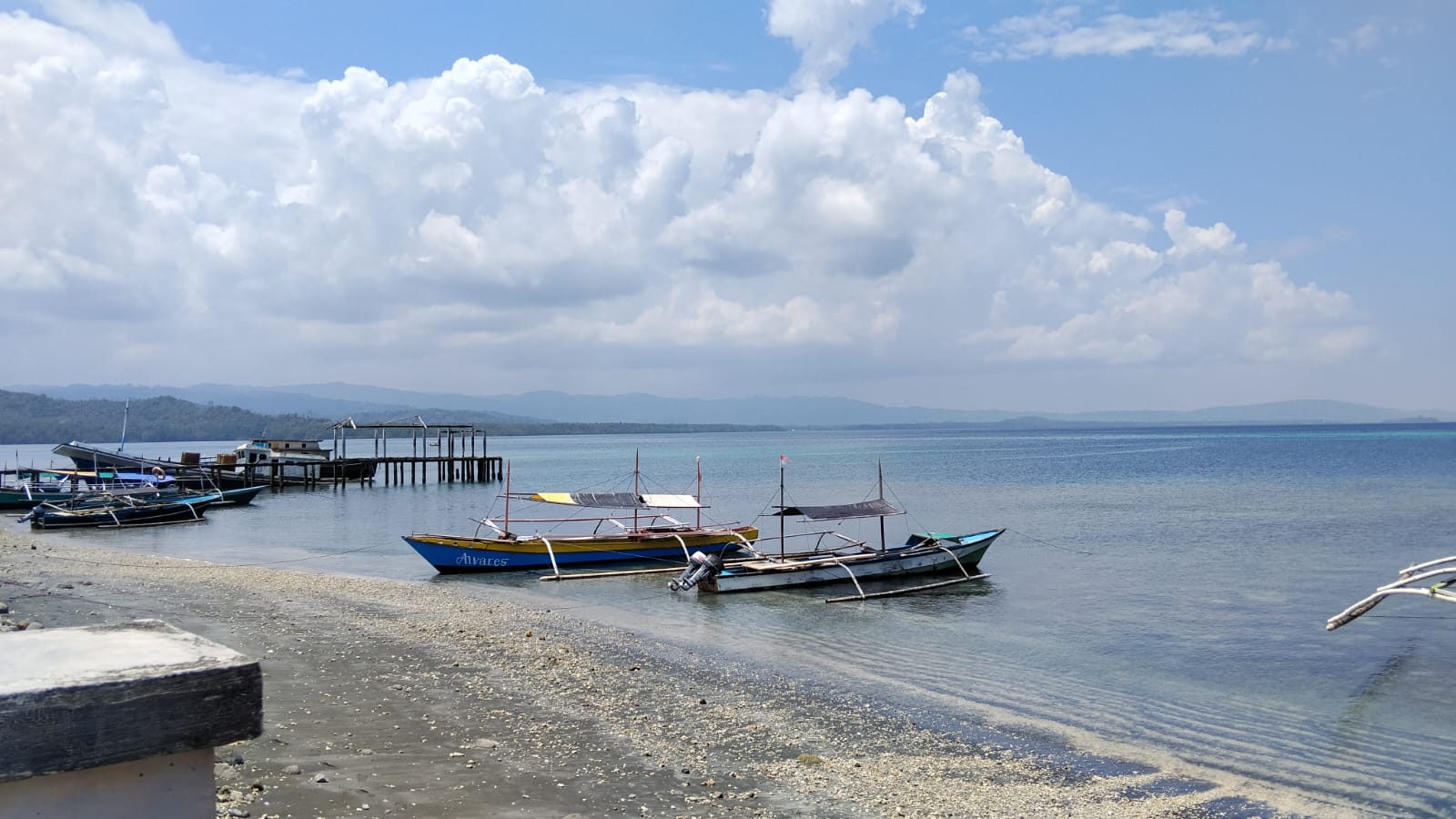
The economic implications are equally severe. Traditionally, fishers could secure a bountiful catch within a 12-mile radius of the coast. Today, declining near-shore fish stocks force them to travel beyond 15 miles to find viable yields. This shift is not merely a matter of distance; it is a financial burden that many cannot afford. Where a day of fishing once required only 20 to 30 liters of fuel, modern fishers must carry 100 to 150 liters to sustain trips lasting two to three days.
The result is a direct impact on household income. According to a survey by KNTI, 95% of fishers in 350 coastal villages reported significant disruptions due to extreme weather in early 2026. Roughly 63% of these fishers were forced to cease operations entirely during peak periods of high winds and swells. Consequently, average daily incomes plummeted from the Rp400,000–650,000 range to a meager Rp200,000–400,000.
The Intersection of Industry and Ecology
Beyond the climate crisis, the maritime environment is under pressure from industrial expansion. Dana Tarigan, Head of Strategic Communications at the Indonesian Forum for the Environment (WALHI), argues that the crisis is multidimensional. "The burden on fishers is increasing while the challenges of catching fish grow exponentially," Tarigan explained.
One of the most significant anthropogenic factors is the proliferation of mining activities in coastal areas. WALHI data indicates that approximately 248 mining permits are currently active across 43 small islands in Indonesia. These industrial activities frequently lead to habitat degradation and water pollution, effectively pushing fish populations further offshore and forcing fishers into deeper, more dangerous waters.
In regions such as Kabaena in Southeast Sulawesi, octopus fishers have been forced to abandon traditional fishing grounds due to contamination from nickel mining operations. Similarly, in Wawonii, the construction of terminals for mining companies has necessitated land reclamation, further limiting the access of artisanal fishers to their traditional livelihoods. Faizal Ratuela, a mining and energy campaigner at WALHI, asserts that the current development trajectory is incompatible with ecological stability. He calls for a moratorium on mining permits, particularly those integrated into National Strategic Projects (PSN) on small islands, to prevent further destruction of the maritime commons.
The Need for Policy Intervention
The absence of adequate safety nets further exacerbates the vulnerability of this demographic. Since 2021, government-backed programs providing climate-indexed insurance and essential safety equipment for fishers have largely stalled. This is despite the legal mandate established by Law Number 7 of 2016, which governs the protection and empowerment of fishers, fish farmers, and salt farmers.
Mida Saragih, a coastal and marine protection campaigner at WALHI, emphasizes that the state must move beyond rhetoric. "The government needs to be present for small-scale fishers, with policies and concrete actions that are sensitive to their needs," she said. This includes the implementation of robust social protection programs, such as comprehensive work-accident insurance for those working in the high-risk maritime sector.
Iwan Ramdani, the Head of the Ternate Search and Rescue office, acknowledges the geographical challenges, noting that North Maluku’s status as an archipelago with intense maritime activity necessitates a more proactive approach to risk management. However, as the frequency of rescue operations climbs, it is clear that the response must shift from reactive SAR efforts to preventive measures, including better weather forecasting, modern navigation aids for small vessels, and the protection of the coastal ecosystems upon which these communities depend.
As the climate continues to change and industrial footprints expand, the stories of survivors like Esau Sidemo serve as a stark warning. Without systemic reform—ranging from a reevaluation of coastal mining policies to the fulfillment of legislative promises for social protection—the traditional Indonesian fishing community faces an existential threat. For many, the sea is no longer just a place of work; it has become a treacherous frontier where the margin for error is shrinking, and the cost of survival is rising every day.