Tyo Susilo
The final installment of Square Enix’s ambitious remake trilogy, provisionally titled Final Fantasy VII Revelation, has made its global public debut at Tokyo Game Show 2026 (TGS 2026). Transitioning from promotional trailers to a fully interactive experience, the hands-on demo provided industry attendees and media with their first opportunity to explore the concluding chapter of the narrative arc. Hosted at the Makuhari Messe convention center in Chiba, Japan, the exhibit offered vital insights into the technical direction, character integration, and combat innovations steering the conclusion of the sprawling RPG project.
Main Facts of the TGS 2026 Demonstration
The playable build transports players directly to the treacherous Whirlwind Maze within the North Crater, a landmark location loaded with narrative significance from the original 1997 PlayStation classic. This high-stakes environment serves as the backdrop for a boss confrontation against the iconic entity, Jenova Deathmourner.
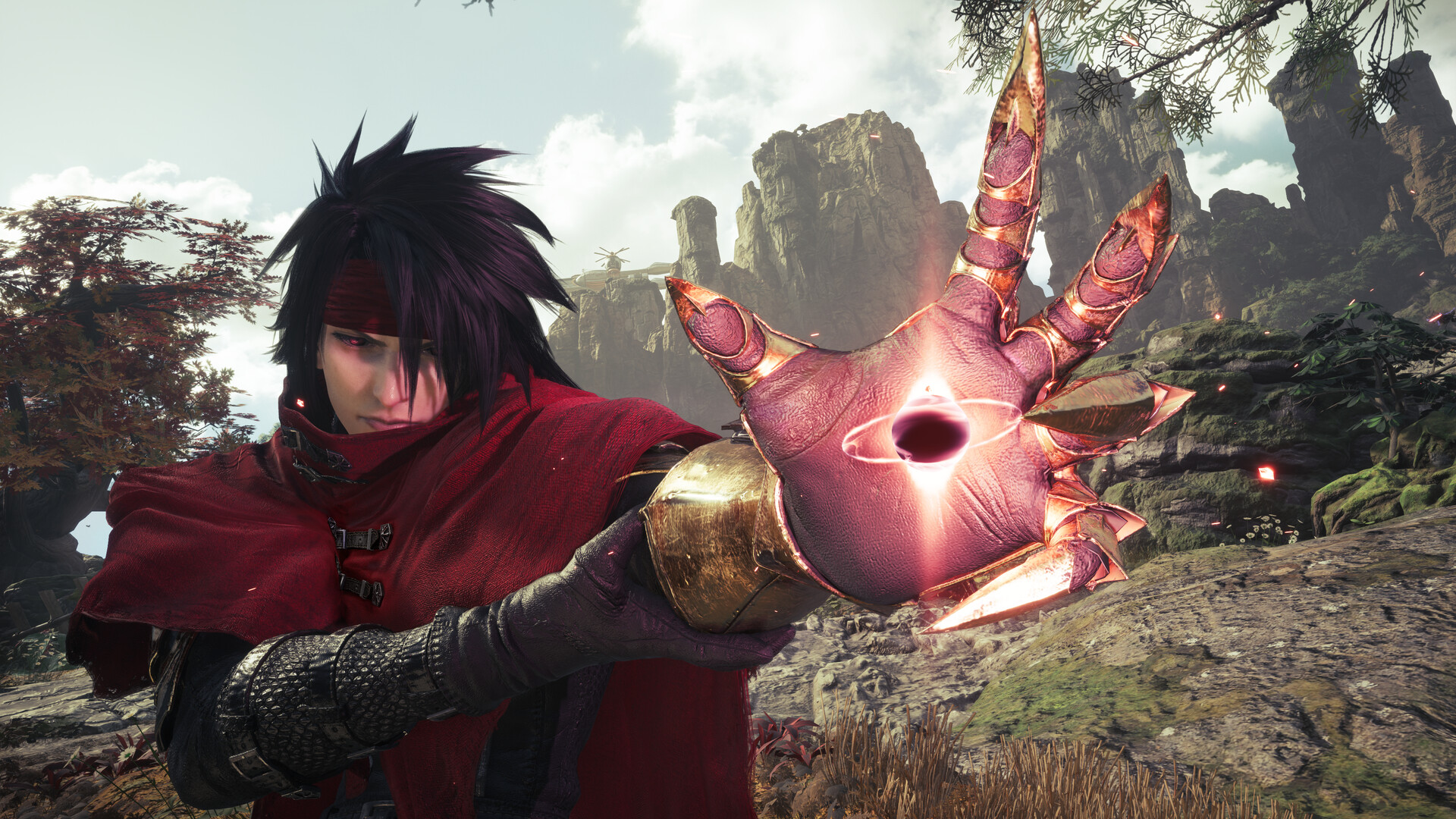
Beyond testing the limits of the upgraded combat engine, the TGS 2026 demo introduced two long-awaited party members making their playable debut in the remake project: Vincent Valentine and Cid Highwind. Vincent, in particular, drew intense scrutiny from attendees due to his specialized combat profile. The build showcased unique gameplay mechanics, including the "Brood and ‘Tude" Synergy Ability executed jointly by Vincent and Cloud Strife, alongside Vincent’s devastating Limit Break, "Gates of Hell."
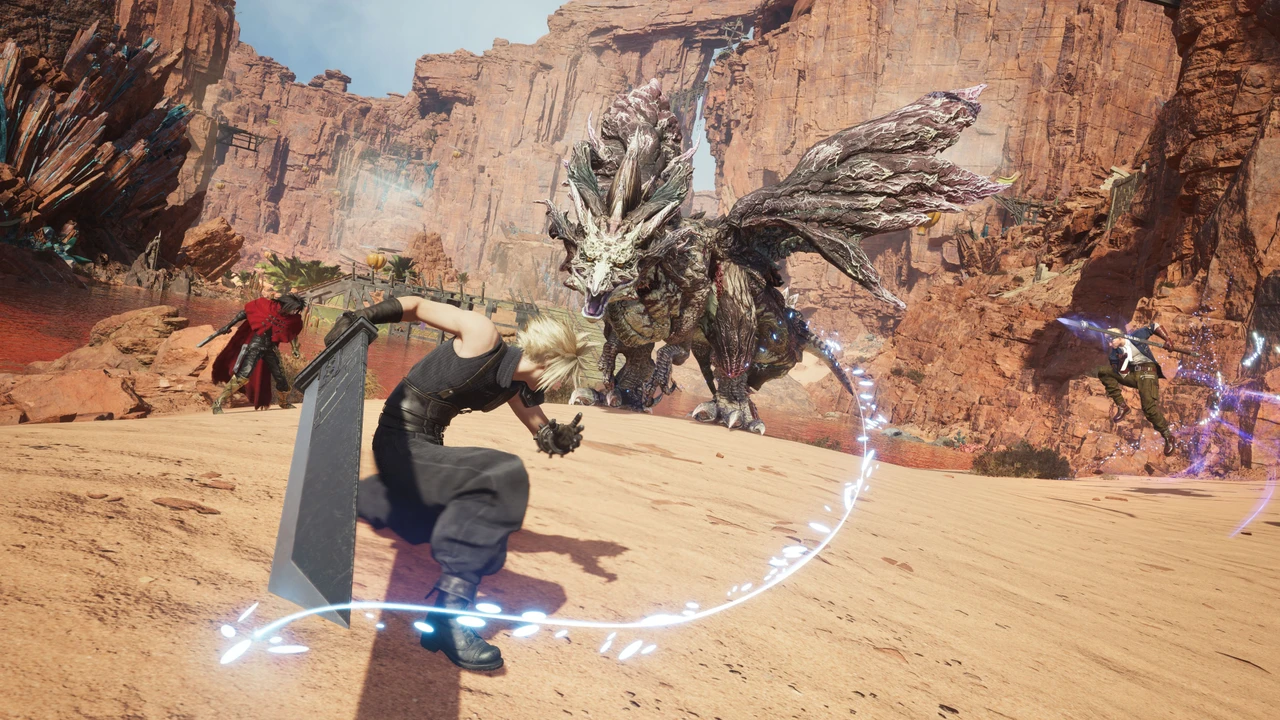
The tactical framework of the demo emphasizes aggressive group coordination. The Jenova Deathmourner encounter requires precise execution of defensive maneuvers—such as timed guards and evasive rolls—to counter extensive Area-of-Effect (AoE) fire-based onslaughts. Furthermore, the encounter introduces dynamic environmental hazards, notably destructible tentacles that must be neutralized before players can target the boss’s main body. Successful management of these phases allows players to unleash Synergy Abilities and Limit Breaks to optimize damage output.
Narrative Milestones and Speculative Spoilers
Following the combat segment, the demonstration transitions into critical narrative sequences that address pivotal plot points of the overarching mythology. The cutscenes revisit the complex psychological dynamic between Cloud Strife and Sephiroth, alongside subtle narrative beats involving Cloud communicating telepathically with Aerith.
Additionally, the demo highlights dramatic flashbacks concerning Nibelheim, witnessed through the perspectives of Tifa Lockhart and Barret Wallace, while integrating the presence of Zack Fair. Because these cinematic sequences touch upon sensitive narrative turning points, they have reignited widespread community discussions regarding the diverging timelines and meta-narrative themes established in Remake and Rebirth.
Square Enix also utilized the TGS 2026 showcase to provide a glimpse into the newly integrated FITS System, alongside fresh character modeling and costume variations. In terms of macro-exploration, the third installment aims to broaden the scope of traversal, notably incorporating freedom of movement across the planet via Cid’s signature airship, the Highwind.

Chronology and Event Context
The journey toward Final Fantasy VII Revelation follows a meticulously structured release schedule defined by Square Enix over the past decade.
- April 2020: Square Enix launches Final Fantasy VII Remake, establishing the episodic blueprint for retelling the seminal 1997 classic with modern fidelity and expanded narrative depth.
- February 2024: The second installment, Final Fantasy VII Rebirth, arrives on PlayStation 5, shifting the focus to open-world exploration and deepening the party’s interpersonal dynamics.
- Late 2024 to 2025: Development updates confirm that the third and final entry has entered full production, with key writing and structural planning finalized by director Naoki Hamaguchi, producer Yoshinori Kitase, and creative director Tetsuya Nomura.
- September 2026: Tokyo Game Show 2026 marks the first instance where the third title transitions from pre-rendered promotional assets to a playable build, signaling that core mechanics and character implementation have reached an advanced state of optimization.
Industry Reception and Critical Analysis
Initial public and critical reception regarding the TGS 2026 build has been notably more favorable than earlier, speculative preview cycles that occasionally drew mixed reactions concerning pacing and technical scope. By offering direct access to highly anticipated party members like Vincent and Cid, Square Enix successfully mitigated prior skepticism regarding how the developers would balance an expanded roster within the real-time action combat paradigm.
Despite the positive momentum inside the convention halls, the exclusivity of the build remains a point of contention among the broader global player base. As of the conclusion of TGS 2026, the playable demo is restricted strictly to the convention floor, with no official confirmation from Square Enix regarding a public release on home consoles or personal computers. Consequently, players outside Chiba must rely on direct-feed media, attendee impressions, and analysis videos circulating on digital platforms.
Broader Impact and Market Implications
The unveiling of Final Fantasy VII Revelation at TGS 2026 underscores Square Enix’s ongoing strategy of maintaining intense market engagement through high-profile physical events. As the final chapter of a multi-billion-yen multimedia project, the game bears the heavy responsibility of resolving complex narrative threads established across multiple timelines, hardware generations, and spin-off titles.
From a technical standpoint, the integration of advanced combat synergies, expansive traversal mechanics via the Highwind, and seamless narrative transitions reflect the maturation of the proprietary development pipeline utilized by Creative Business Unit I. As the development team heads into the final phases of production leading toward the official launch window, the success of the TGS 2026 demo serves as a strong indicator that the trilogy is positioned to deliver a technically refined and narratively impactful conclusion.