Azin Asro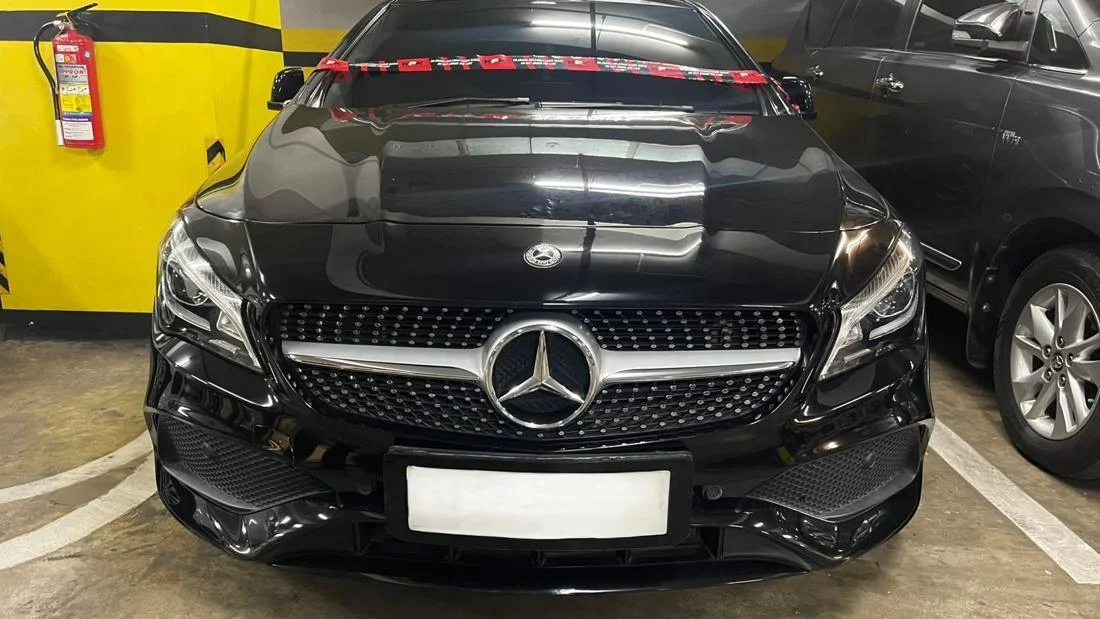
The Corruption Eradication Commission of the Republic of Indonesia has intensified its ongoing investigation into a high-profile municipal corruption and bribery scandal by confiscating a total of three luxury automobiles allegedly linked to Vinna Ledy Anggraheni, a sitting member of the Bengkulu City Regional House of Representatives. The series of asset seizures underscore a sophisticated pattern of concealment, wherein high-value assets purportedly originating from third-party business entities were systematically registered under the names of family members and close acquaintances to evade official scrutiny and bypass mandatory public financial disclosures.
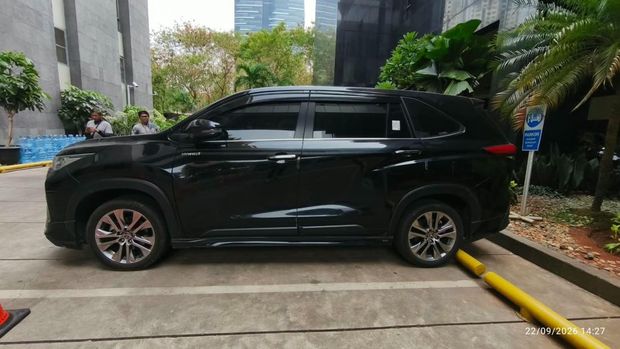
The latest enforcement action took place as investigators successfully secured a Toyota Innova Zenix allegedly gifted to the legislator by a local businessman identified as Eno Bowo Susilo. According to anti-corruption authorities, this vehicle was intentionally registered under the identity of Dian Andini Anggraheni, the younger sister of the council member, who was subsequently summoned and interrogated by investigators regarding the acquisition and daily utilization of the vehicle. This development follows a string of similar asset recoveries executed over the preceding weeks, bringing the total number of confiscated high-end vehicles tied to the lawmaker to three.
Comprehensive Chronology of Asset Confiscations
The systematic asset recovery operation executed by the anti-corruption agency unfolded across several weeks, revealing a calculated effort to obscure the true ownership of the luxury vehicles. The sequence of seizures highlights a deliberate strategy involving straw owners and familial proxies:
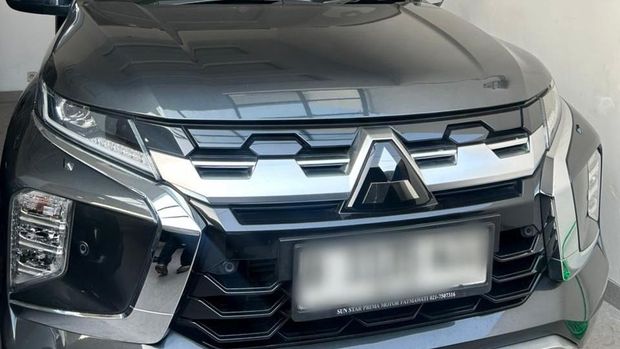
August 10, 2026: Investigators executed the first major vehicle seizure, targeting a Mitsubishi Pajero Sport SUV linked to Vinna Ledy Anggraheni. Preliminary findings indicated that the vehicle was procured through external business interests and registered under the name of Rani Sorayya, a close friend of the lawmaker, in an apparent attempt to distance the elected official from the high-value asset.
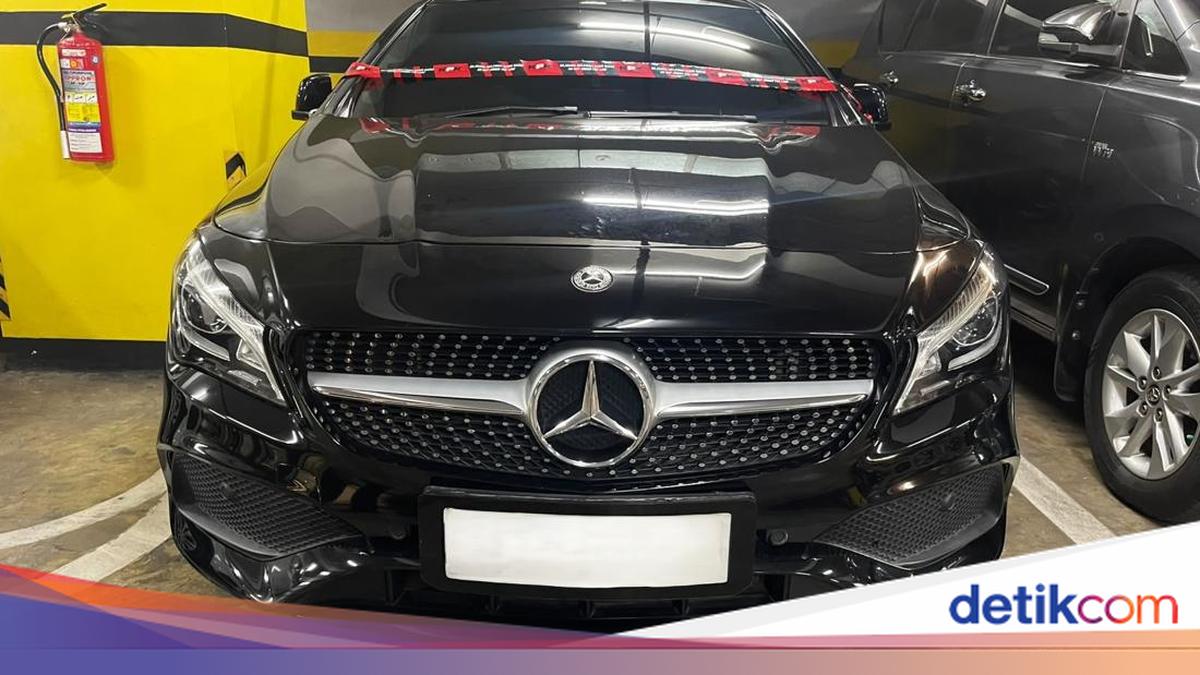
September 21, 2026: Anti-corruption officers secured a second luxury vehicle, specifically a black Mercedes-Benz CLA 200. Official documentation and preliminary inquiries linked this vehicle to the same benefactor, Eno Bowo Susilo, and similarly utilized the identity of Rani Sorayya as the registered owner on paper. Photographic evidence obtained from the scene depicted the luxury sedan securely immobilized with official commission seals.
September 22, 2026: The third seizure involved the aforementioned Toyota Innova Zenix. Unlike the previous two vehicles registered under a friend’s name, this unit was placed under the identity of the councillor’s younger sister, Dian Andini Anggraheni, and was reportedly used for her daily transportation needs prior to being impounded by federal authorities.
Discrepancies in State Officials Wealth Reports
A thorough cross-examination of official public records reveals a stark contrast between the lifestyle implied by the seized luxury fleet and the assets formally declared by the legislator. Under Indonesian transparency regulations, state administrators and public officials are legally mandated to submit comprehensive declarations detailing their net worth and asset acquisitions through the State Officials Wealth Report system, commonly known as the LHKPN.
A review of the public registry indicates that the legislator’s official disclosures completely omitted the Mitsubishi Pajero Sport, the Mercedes-Benz CLA 200, and the Toyota Innova Zenix. The only automobile officially listed in her financial declaration was a single modest Honda Jazz manufactured in 2017, self-reported as acquired through personal earnings with an estimated valuation of approximately 160 million rupiah. The glaring omission of three high-end vehicles valued significantly higher than her declared asset has reinforced suspicions regarding illicit enrichment and the deliberate concealment of wealth derived from questionable sources.
Origins of the Investigation: The Rejang Lebong Connection
The current investigative trajectory targeting the Bengkulu City councillor did not originate in a vacuum; rather, it represents a direct expansion of a broader regional corruption probe that surfaced earlier in the year. The legal proceedings gained momentum following a high-profile sting operation conducted by the anti-corruption commission on March 9, 2026, which resulted in the apprehension of then-active Rejang Lebong Regent, M. Fikri Thobari.
Following the initial apprehension, investigators formally designated M. Fikri Thobari as a primary suspect in a multi-billion-rupiah bribery case involving municipal project allocations. Authorities revealed that the illicit transactions centered around project pre-financing schemes, with an estimated total bribe value reaching approximately 1.7 billion rupiah. The funds were allegedly funneled through multiple intermediaries in structured, recurring installments to evade detection.
As the evidentiary trail widened, investigators uncovered financial and material ties connecting external business figures—such as Eno Bowo Susilo—to various regional political figures, ultimately directing the focus of the inquiry toward municipal legislators in neighboring Bengkulu City. By July 2026, the commission officially announced the initiation of a new, expanded general investigation stemming from the Fikri Thobari case files, operating under an open-ended investigation warrant while continuing to gather incriminating evidence before formally naming individual criminal suspects in this specific branch of the probe.
Institutional Statements and Transparency Measures
Speaking on behalf of the investigative body, the spokesperson for the anti-corruption commission, Budi Prasetyo, provided regular updates to the press regarding the status of the evidentiary seizures and witness examinations. In successive press briefings, federal officials emphasized that all physical assets acquired through illicit means or utilized as instruments of money laundering will be systematically tracked, frozen, and confiscated to preserve state assets and ensure comprehensive accountability.
"The seized vehicles, including the latest unit registered under the family member’s identity, are undergoing rigorous forensic accounting and asset-tracing procedures," the spokesperson noted during a media briefing. "We are examining the precise nature of the relationship between the business entities providing these luxury items and the legislative officials receiving them, ensuring that every facet of the alleged bribery network is thoroughly exposed."
Regarding the procedural status of the broader inquiry, authorities confirmed that the investigation remains anchored on a general investigation warrant to allow maximum flexibility for field operatives and forensic teams to map out the entire financial architecture connecting regional executive policies, legislative oversight, and private contractor contributions.
Broader Implications for Regional Governance and Anti-Corruption Efforts
The unfolding scandal involving municipal legislators, regional regents, and private commercial benefactors highlights persistent vulnerabilities within Indonesia’s decentralized administrative framework. Analysts and governance watchdogs point out that regional infrastructure projects and local budgetary allocations remain prime targets for collusion between executive authorities, legislative controllers, and commercial contractors seeking preferential treatment.
The utilization of proxies—ranging from close personal friends to immediate family members—to hold title deeds and vehicle registrations illustrates an evolving sophistication in asset concealment techniques employed by public officials facing stricter scrutiny. By shifting legal ownership to individuals without direct political exposure, corrupt actors attempt to create a legal buffer against sudden asset freezes and wealth verification audits.
However, the aggressive employment of asset-tracing methodologies and lifestyle audits by federal investigators signals a robust institutional counter-strategy. By cross-referencing declared wealth reports with physical asset usage, third-party gifting records, and corporate financial flows, anti-corruption authorities are increasingly capable of piercing through complex layers of proxy ownership.
As the legal proceedings continue to unfold, the case is expected to establish a significant benchmark for how regional legislative accountability is enforced, particularly concerning the transparency of asset declarations and the strict prohibition against receiving gratifications from commercial entities doing business with local governments. The ongoing seizure of luxury vehicles serves as a tangible reminder of the intensifying regulatory pressure facing public officials suspected of abusing their mandate for private enrichment.