Azin Asro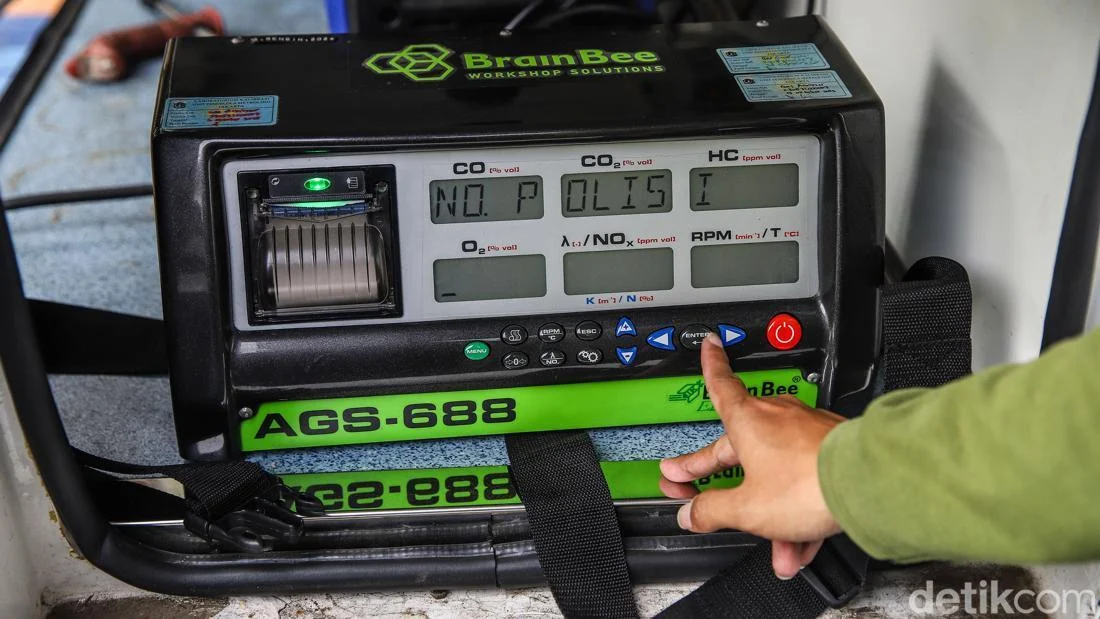
The Provincial Government of Jakarta has intensified its appeal to motorists to promptly subject their vehicles to mandatory emission tests, warning that non-compliant drivers face immediate legal sanctions, including on-the-spot ticketing by traffic authorities. As air quality in the capital region continues to face scrutiny, the Jakarta Environmental Agency (Dinas Lingkungan Hidup) has underscored that disregarding environmental regulations will no longer be met with mere warnings. With roadside enforcement operations actively targeting vehicles lacking certified emission records, authorities are strongly encouraging the public to utilize the extensive network of testing facilities spread across the metropolis before facing punitive measures during routine traffic stops.
According to field enforcement personnel, motorists caught operating vehicles that have not passed the mandatory emission inspection risk direct intervention from law enforcement officers stationed throughout major thoroughfares. This aggressive stance marks a significant tightening of urban transit policies aimed at curbing vehicular pollution, which remains a primary contributor to urban smog and environmental degradation in the greater metropolitan area.
Expanding Access Through Hundreds of Certified Testing Locations
To accommodate the massive volume of private and commercial vehicles circulating within the capital, the Jakarta Environmental Agency has significantly broadened its operational footprint. Currently, vehicle owners can access between 426 and 497 designated emission testing locations scattered across the city’s administrative municipalities. These authorized points of service comprise a diverse network of official automotive repair shops, designated regional environmental agency offices, and mobile testing units deployed for mass public inspections.
Despite the widespread availability of these facilities, authorities note that compliance rates still require substantial improvement to achieve the desired environmental impact. Officials emphasize that the testing procedure itself is remarkably swift, requiring only about ten minutes per vehicle from start to finish. This minimal time investment is designed to encourage drivers to incorporate the test into their regular vehicle maintenance routines without causing significant disruption to their daily schedules.
Understanding the Step-by-Step Emission Testing Process
For motorists unfamiliar with the procedure, understanding what to expect during a vehicle emission inspection can help demystify the process and encourage voluntary compliance. The inspection protocol follows a standardized, highly regulated methodology designed to accurately measure pollutant concentrations emitted from internal combustion engines.
Preparation and Documentation
The prerequisite for undergoing the test is the physical presence of the vehicle accompanied by essential identification documentation, most notably the vehicle registration certificate, locally known as STNK (Surat Tanda Nomor Kendaraan). Having this documentation ready allows testing personnel to quickly log vehicle specifications into the centralized monitoring system.
Initial Vehicle Assessment and Data Entry
Upon arrival at an authorized testing station, the vehicle’s engine is started and allowed to idle under normal operating conditions. For gasoline-powered vehicles, technicians begin by recording the current odometer reading and identifying the specific type of fuel currently in use, as fuel composition directly influences combustion byproducts and overall emission yields.
Once initial parameters are noted, the technician utilizes a specialized laptop integrated with official emission-testing software. Vehicle data is manually or digitally inputted into the system to establish a baseline for the specific make and model.
System Calibration and Sensor Placement
Before actual measurements commence, the testing apparatus undergoes a mandatory calibration process. This crucial step purges the equipment of any residual exhaust gases or particulate matter left over from the previous inspection, ensuring that subsequent readings remain uncontaminated and strictly accurate.
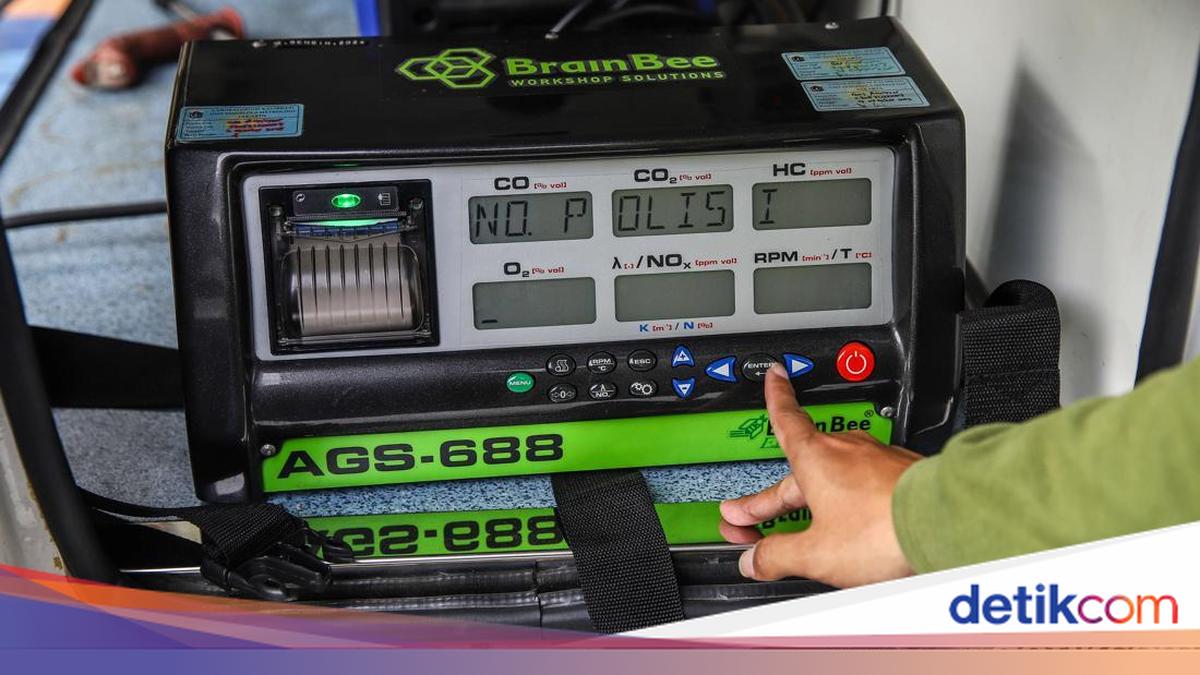
Following successful calibration, a specialized sampling probe—a thin metal tube connected to the analyzer—is inserted directly into the vehicle’s exhaust pipe. This probe captures a continuous stream of exhaust gas, channeling it into the internal sensors of the gas analyzer machine.
Analyzing Pollutant Concentrations and Compliance Thresholds
The digital diagnostic system processes the captured exhaust sample, measuring precise concentrations of key pollutants against legally mandated environmental thresholds. The primary metrics evaluated include Carbon Monoxide (CO) and Hydrocarbons (HC).
Once the analytical software calculates the exact particulate levels, the system instantly compares them against established national and regional regulatory limits. This comparison ultimately determines whether the vehicle successfully passes the emission test or falls short of environmental standards.
Data Integration and Administrative Processing
The final stage of the procedure involves recording the test results into the regional database. For vehicles registered within the special capital region of Jakarta, the administrative process is streamlined; technicians only need to input the vehicle’s license plate number. Because Jakarta-registered vehicle data is already fully integrated with the regional revenue and tax administration agency (BAPEDA), detailed technical specifications such as chassis and engine numbers are automatically retrieved by the system.
Conversely, for vehicles bearing license plates originating from outside the Jakarta jurisdiction, technicians must manually input supplementary data, including the complete chassis and engine identification numbers. Once all parameters are verified and processed, the system generates an official electronic certificate of compliance, which is then provided to the vehicle owner to validate their regulatory compliance.
Background Context: The War Against Urban Air Pollution
The aggressive push for mandatory vehicle emission testing is not an isolated policy, but rather a core component of Jakarta’s comprehensive clean-air strategy. For years, the capital has grappled with hazardous levels of air pollution, frequently exacerbated by stagnant meteorological conditions during the dry season and heavy commuter traffic flowing in from surrounding satellite cities.
Transportation emissions account for a disproportionately large share of ambient air pollutants, particularly nitrogen oxides, carbon monoxide, and fine particulate matter (PM2.5). Environmental studies consistently highlight vehicular exhaust as a primary culprit behind respiratory health issues reported among urban residents. In response, local governments have progressively tightened environmental bylaws, transforming voluntary ecological campaigns into legally binding mandates equipped with enforcement mechanisms such as spot fines, differential parking tariffs for non-compliant vehicles, and restricted access to specific urban zones.
Implications for Motorists and the Broader Transport Sector
The strict enforcement of emission standards carries profound implications for vehicle owners and the automotive maintenance sector across the capital. For individual motorists, compliance is no longer optional; failure to secure a valid emission test certificate exposes drivers to immediate legal penalties and potential administrative hurdles during annual vehicle registration renewals. Consequently, vehicle owners are compelled to invest in routine engine tune-ups, proper fuel usage, and timely replacement of worn-out exhaust components to ensure their vehicles meet legal thresholds.
From an economic and industrial perspective, the policy has generated a surge in demand for certified automotive service centers and mobile testing kiosks. Independent repair shops and authorized dealerships alike have upgraded their diagnostic equipment to offer accredited emission testing services, turning environmental compliance into a vital segment of the local automotive service industry.
Furthermore, the integration of testing databases with regional tax and registration systems represents a significant step toward digital governance in urban transit management. By streamlining data retrieval and enforcement tracking, authorities can more effectively monitor fleet-wide environmental performance and adapt policies to changing urban mobility trends.
As roadside checks continue to expand across Jakarta’s thoroughfares, the message from environmental authorities remains unequivocal: compliance is mandatory, testing is swift, and the collective effort to purify the capital’s atmosphere relies on the active cooperation of every motorist on the road.