
 Tyo Susilo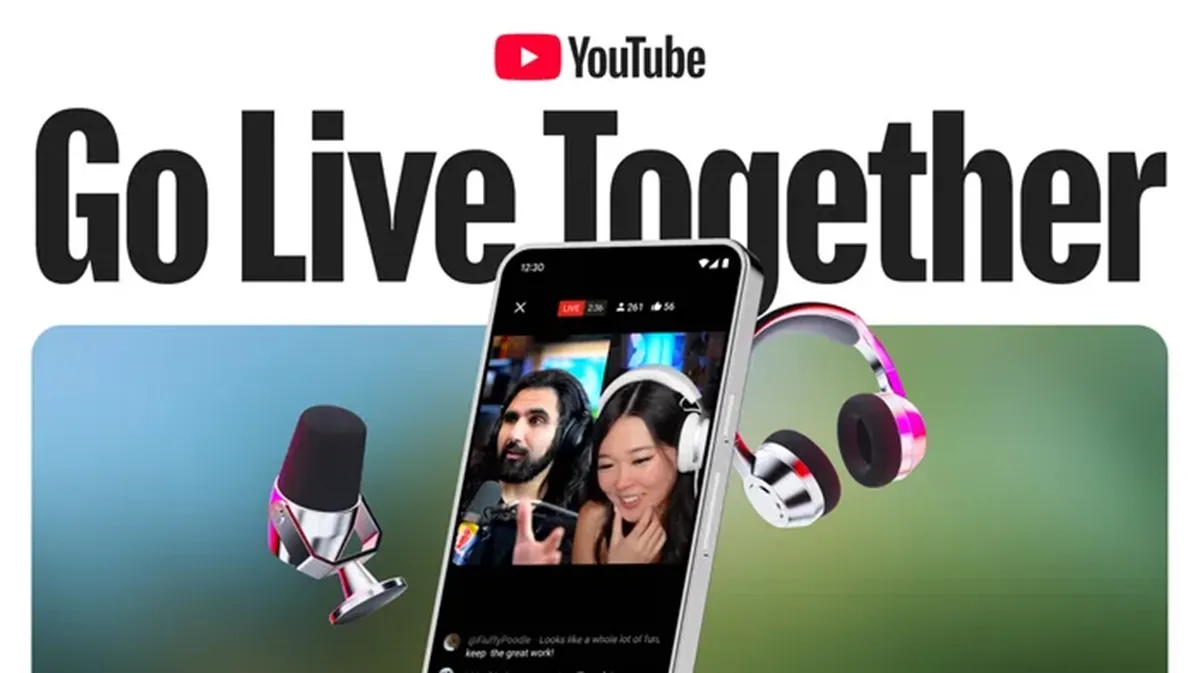
YouTube is aggressively overhauling its ecosystem to foster deeper creator engagement, announcing a suite of powerful live-streaming updates designed to democratize collaborative broadcasting. Spearheaded by the introduction of native co-hosting capabilities, the platform aims to eliminate traditional technical barriers that have historically required content creators to rely on complex, third-party broadcasting software like OBS Studio or Streamlabs. This strategic shift not only modernizes YouTube’s infrastructure but also positions the platform to compete more directly with social media giants like TikTok, Instagram, and Twitch, which have long dominated native, frictionless live-streaming collaborations.
The announcement was made as part of YouTube’s ongoing initiatives to streamline content creation and enhance audience retention. By removing the steep learning curve and hardware requirements associated with multi-source live-streaming, YouTube is empowering a broader spectrum of creators—from nano-influencers to established media networks—to produce dynamic, interactive content with minimal friction.
Evolution of Collaboration: From VOD to Live Broadcasting
The rollout of native live-streaming co-hosts represents the logical next step in YouTube’s multi-year effort to streamline creator partnerships. Previously, the platform launched the "Collaboration" feature, which allowed creators to co-author traditional video uploads, merging their channels and analytics directly within a single piece of content. While successful for video-on-demand (VOD), live broadcasting remained a technical hurdle, often requiring external routing, specialized audio-video interfaces, or advanced stream-mixing software.
Under the newly expanded "Go Live Together" framework, YouTube is integrating system-level search and matchmaking tools directly into its mobile and desktop streaming dashboards. Creators can now utilize a "Browse" option to discover peers who are actively broadcasting or leverage a "Quick-match" algorithm powered by YouTube’s recommendation engine. This algorithm pairs creators based on shared content niches, audience demographics, and topical relevance. Once connected via the interface, both participants are instantly merged into a unified live broadcast window, managing audio and video feeds seamlessly through YouTube’s native environment.
This architectural shift mirrors industry trends toward spontaneous, low-latency social interactions. Rather than scheduling weeks of technical tests to synchronize multiple video feeds, creators can now initiate live collaborations on the fly, dramatically increasing the frequency and spontaneity of joint broadcasts.

Gamification and Interactivity: Introducing Live Showdown
To capitalize on the burgeoning interactive economy, YouTube is introducing "Live Showdown," a competitive feature designed to heighten viewer engagement during co-hosted streams. Live Showdown transforms standard collaborative broadcasts into structured interactive competitions, pitting two creators against one another in real time.
During these showdowns, viewer participation directly dictates the outcome. The platform integrates native real-time tracking for chat interactions, digital gifts, and Super Chats. Financial contributions and engagement metrics are aggregated into a live-updating score, which is visually displayed on-screen as a dynamic leaderboard. This gamified approach leverages psychological triggers of competition and community loyalty, encouraging higher volumes of fan support and extending average watch times.
Industry analysts note that gamified live streams have proven exceptionally lucrative on competing platforms like TikTok and Twitch, driving substantial revenue microtransactions. By baking these capabilities directly into YouTube’s core infrastructure, the platform offers creators a powerful new monetization vector that requires zero custom widget integration.
Expanding Global Reach Through AI and Advanced Distribution
Beyond co-hosting and gamification, YouTube is rolling out foundational infrastructure upgrades aimed at maximizing global audience acquisition. Statistics provided by the platform indicate that more than 40 percent of total live-streaming watch time originates from international audiences outside a creator’s home country. To address this massive linguistic and geographic divide, YouTube is introducing automated, real-time AI dubbing specifically tailored for live broadcasts.
The new Live Auto Dubbing feature translates a creator’s spoken audio instantly into multiple languages, allowing international viewers to consume live broadcasts in their native tongues without relying on delayed subtitle files. This technology builds upon YouTube’s previous experiments with multi-language audio tracks for VOD content, scaling the capability to meet the low-latency demands of live-stream environments.
In tandem with live translation, YouTube is broadening the scope of its "Watch With" feature. Previously restricted to select live-stream formats, Watch With will now support a wider array of long-form video content. This allows creators to host watch parties, react to historical archives, or analyze serialized content seamlessly alongside their audiences and invited co-hosts, further diversifying live programming formats.

Chronology, Timeline, and Strategic Rollout
The introduction of these features follows a carefully phased roadmap established by YouTube’s product development divisions. The groundwork was laid during preliminary testing phases of the Go Live Together framework, which initially required a host to invite a single guest via an exclusive link.
Following positive user feedback and steady adoption rates among mid-tier creators, YouTube engineering teams prioritized the development of automated matchmaking and system-level co-hosting. The platform has confirmed that the complete suite of features—including Live Showdown, automated discovery, and Live Auto Dubbing—is scheduled for an official, widespread rollout in early 2027. This timeline gives independent developers, enterprise media partners, and individual creators adequate preparation to adapt their production workflows ahead of the platform-wide deployment.
Industry Implications and Competitive Landscape
The launch of native co-hosting and automated dubbing tools carries significant implications for the digital media landscape. For years, creators operating across multiple platforms faced a fragmented workflow: recording vertical, short-form content on TikTok or Instagram Live with native multi-guest features, while reserving YouTube primarily for polished, high-production VOD uploads.
By closing this feature gap, YouTube is aggressively defending its turf against short-form-first competitors. The ability to natively host multi-person live streams without sacrificing YouTube’s superior monetization infrastructure—such as the YouTube Partner Program, Channel Memberships, and robust ad-revenue sharing—presents a compelling value proposition for professional creators.
Furthermore, the integration of real-time AI dubbing removes one of the most stubborn barriers to international creator growth. Creators who previously faced geographic ceilings can now syndicate their live streams globally, potentially reshaping how multinational digital media networks distribute live entertainment, gaming tournaments, and educational seminars.
As the early 2027 launch date approaches, industry observers will be closely monitoring how third-party software developers adapt to YouTube’s natively integrated ecosystem, and whether these tools successfully drive a permanent shift in how digital creators collaborate on the world’s largest video-sharing network.








