
 Lusiana Hamidun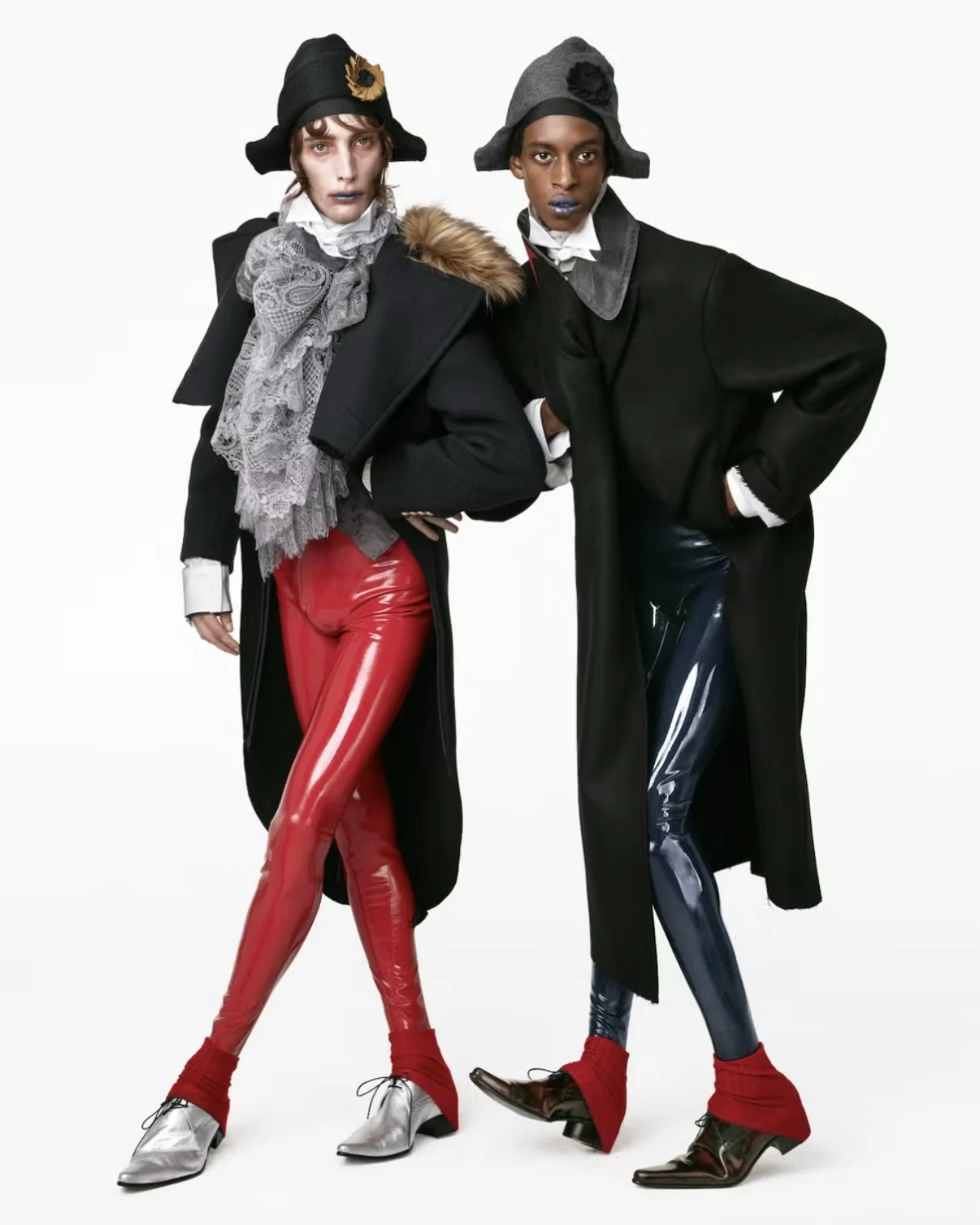
The global fashion landscape has witnessed a significant, albeit contentious, development as visionary designer John Galliano officially unveils his collaborative collection with the high-street retail giant, Zara. Titled "Reform," the collection represents a bridge between the rarefied world of haute couture and the accessibility of mass-market retail. This partnership marks a pivotal moment for Galliano, whose career has been characterized by unparalleled artistic highs and profound public scrutiny. As the collection hits the global market on October 1, it stands as a testament to the enduring influence of Galliano’s deconstructivist philosophy, even as the industry grapples with the complexities of his public legacy.
A Chronology of a Controversial Collaboration
The trajectory leading to the launch of "Reform" has been anything but conventional. The initial announcement in March 2024 sparked widespread debate within the fashion community, juxtaposing the excitement of a design genius working with an accessible retailer against the backdrop of the designer’s past. The narrative grew more complicated in the summer of 2024, when The Metropolitan Museum of Art’s Costume Institute initially signaled an intent to honor Galliano during their annual gala and exhibition. This move was met with immediate, vocal resistance from various advocacy groups citing his documented history of antisemitic and anti-Asian rhetoric, which had previously led to his professional exile from the house of Dior in 2011.
Following the surge of public pressure, the Met rescinded its plans to honor the designer. Despite this, the professional collaboration with Zara proceeded, culminating in the formal debut of the "Reform" collection. This sequence of events has highlighted the fashion industry’s ongoing struggle to reconcile the separation of an artist’s creative output from their personal history—a debate that remains central to the discourse surrounding this release.
Deconstructing the "Reform" Aesthetic
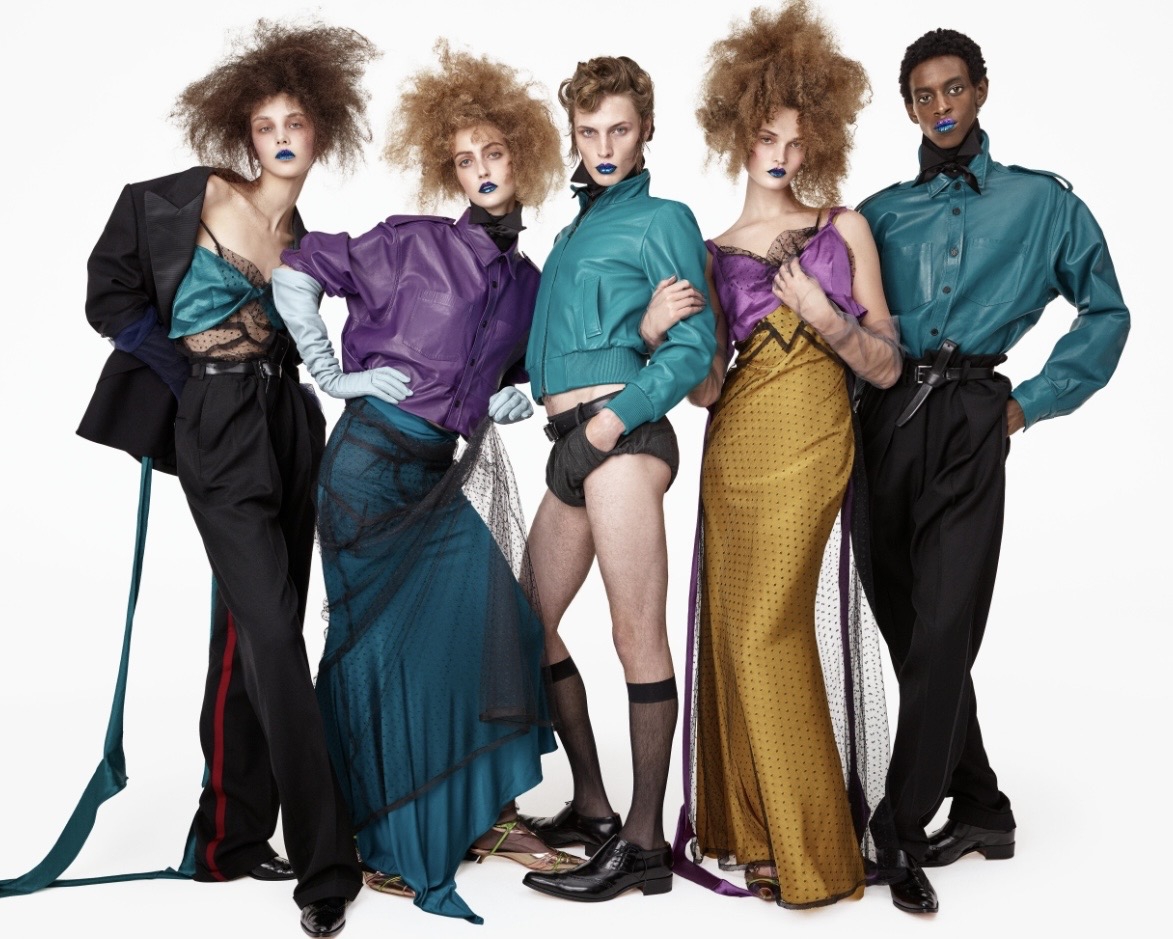
The "Reform" collection is an exercise in archival excavation. Galliano, renowned for his mastery of pattern cutting and bias-cut silhouettes, has turned his focus to the fundamental "archetypes" found within the Zara archives. By stripping down standard retail staples—the slip dress, the button-down shirt, the khaki skirt—and applying his idiosyncratic, avant-garde sensibilities, Galliano has crafted a series of garments that defy mass-production norms.
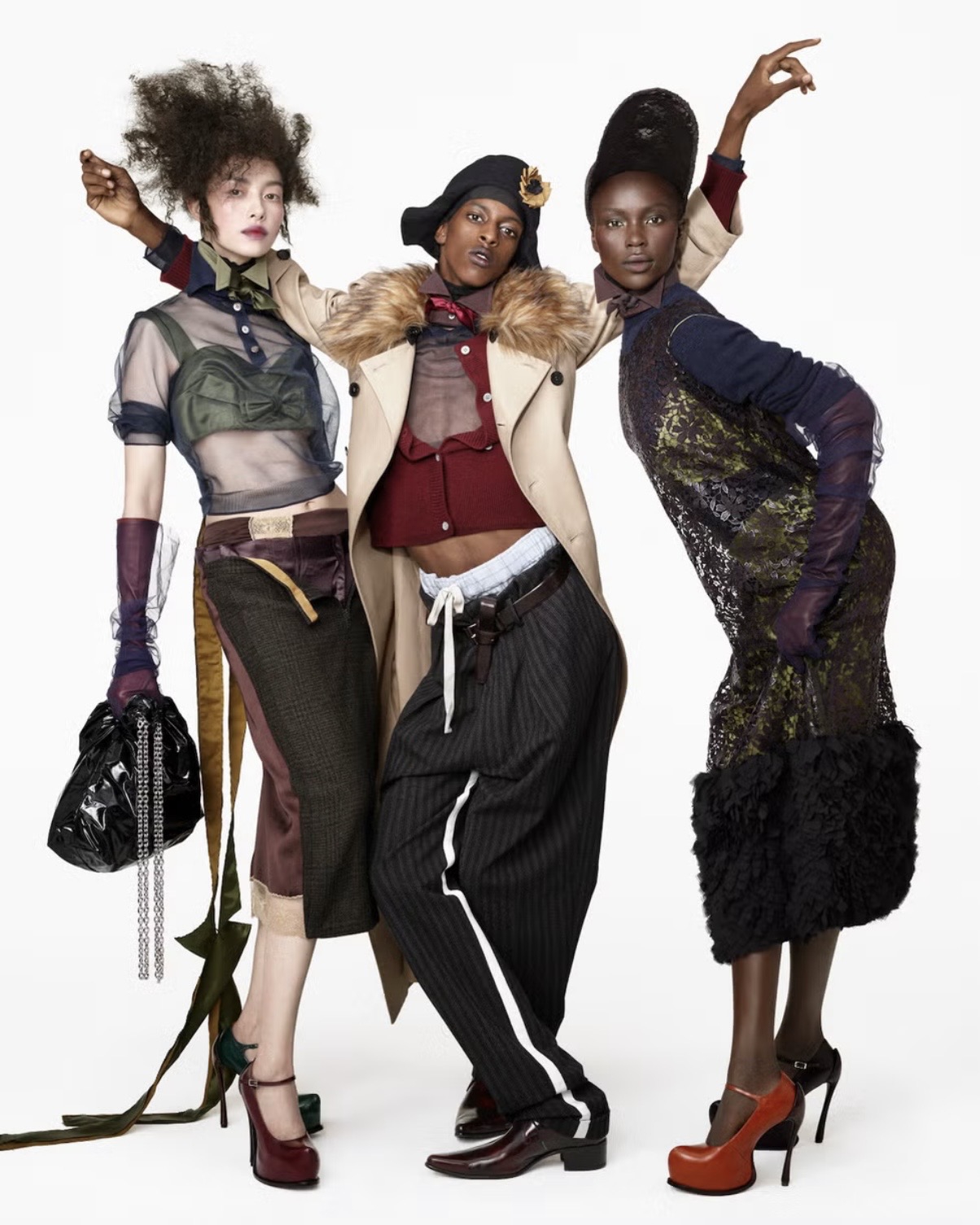
The collection features structural experiments that lean heavily into the theatrical. A khaki skirt is transformed through complex draping and asymmetrical gathering, evoking the organic architecture of a flower. Similarly, wool overcoats are rendered with irregular chest cuts and finished with tulle layering and faux-fur accents, bridging the gap between functional winter wear and runway performance art. The collection’s genius lies in its dualities: a garment may present as a traditional plaid pencil skirt from the front, only to reveal a quarter-panel of delicate lace-trimmed slip dress from the rear.
Historical Motifs and Stylistic Evolution
"Reform" functions as a retrospective of Galliano’s most iconic creative chapters. A significant portion of the collection explores the theme of "Les Incroyables and Les Merveilleuses"—the rebellious, fashion-forward youth of post-revolutionary France. This theme serves as a direct homage to Galliano’s 1984 graduation collection from Central Saint Martins, which first established his reputation as a provocateur of the industry.
Beyond his early work, the collection incorporates the DNA of his long tenure at Christian Dior (1996–2011) and his recent, critically acclaimed era at Maison Margiela. The use of transparent mesh dresses embellished with tulle roses and ribbons, layered over bias-cut pink slip dresses, mirrors the "Artisanal" aesthetic he refined at Margiela. Even the accessories reflect this synthesis of the past and present; the "winklepickers" boots and the "Trichic" handbags—designed with a distinct, ironic resemblance to industrial refuse bags—capture the dark, witty, and often jarring nature of Galliano’s deconstructionist design language.
Market Dynamics and the "Galliano Effect"
The release of this collection occurs at a time when the secondary market for archival Galliano pieces is experiencing an unprecedented surge in value. Throughout 2024, the appetite for vintage items designed by Galliano during his time at Dior has reached fever pitch. During a high-profile auction of socialite Mona Ayoub’s private collection earlier this year, items attributed to the Galliano era significantly outperformed all other lots, with several pieces fetching prices in excess of 600,000 euros.
This stark disparity in pricing—with the Zara collection priced between $29.90 and $999—creates a unique phenomenon in the luxury market. While the "Reform" collection is ostensibly accessible, its design lineage connects it to garments that have become status symbols for elite collectors. Market analysts suggest that the high demand for the Zara collection will likely result in a swift sell-out, further solidifying the "Galliano effect" where the designer’s name remains a primary driver of consumer interest, regardless of the retail environment.
Implications for the Fashion Retail Sector
The partnership between a designer of Galliano’s stature and a fast-fashion giant like Zara signals a shift in the strategic priorities of mass-market retailers. By bringing in a "creative consultant" to re-examine the archive, Zara is attempting to elevate its brand perception and move beyond the criticism of being a purely replicative entity. For the broader industry, this collaboration raises questions about the future of democratization in luxury.
If a luxury designer can apply the principles of couture to mass-market production without sacrificing the integrity of the design, it challenges the traditional boundaries of luxury consumption. However, the move also brings the ethical considerations of corporate partnerships to the fore. In an era where brand values and consumer activism are increasingly intertwined, the success of "Reform" will be measured not only by sales figures but by how the market navigates the designer’s complex public reputation.

Launch and Availability
The official rollout of the collection is being handled with the exclusivity typically reserved for high-fashion runway shows. Zara has curated an immersive installation at a private residence, the Hôtel Particulier in Paris, accessible by appointment only during the Paris Fashion Week. This deliberate choice of venue aims to frame the collection within a context of artistry and heritage, separating it from the typical retail store experience.
Following the initial showcase, the collection will be available for purchase globally starting October 1, both online and in select flagship stores. The scarcity of these pieces, combined with the intense interest from both fashion students and serious collectors, ensures that the "Re{form" collection will be one of the most discussed retail events of the year. Whether this collection serves as a redemptive chapter or a new point of controversy in Galliano’s career, it undoubtedly reinforces his status as a central figure in the history of contemporary fashion design.
Conclusion
"Re{form" is more than a commercial collaboration; it is a synthesis of decades of design history, a challenging exercise in deconstruction, and a bold move by Zara to claim a space in the high-fashion conversation. As consumers prepare to engage with these pieces, the collection serves as a reminder of the power of fashion to both inspire and divide. As the global retail market readies itself for the October launch, all eyes will be on how the public reconciles the brilliance of the design with the complicated legacy of its creator.








